
 Zobraziť v interiéri
 Odoslať
 Zdieľať
 Podrobnosti
 Príručka

 Stiahnuť
 Podobné položky
 RTG skúška
 Prehliadanie diapo\]
 Štatistiky
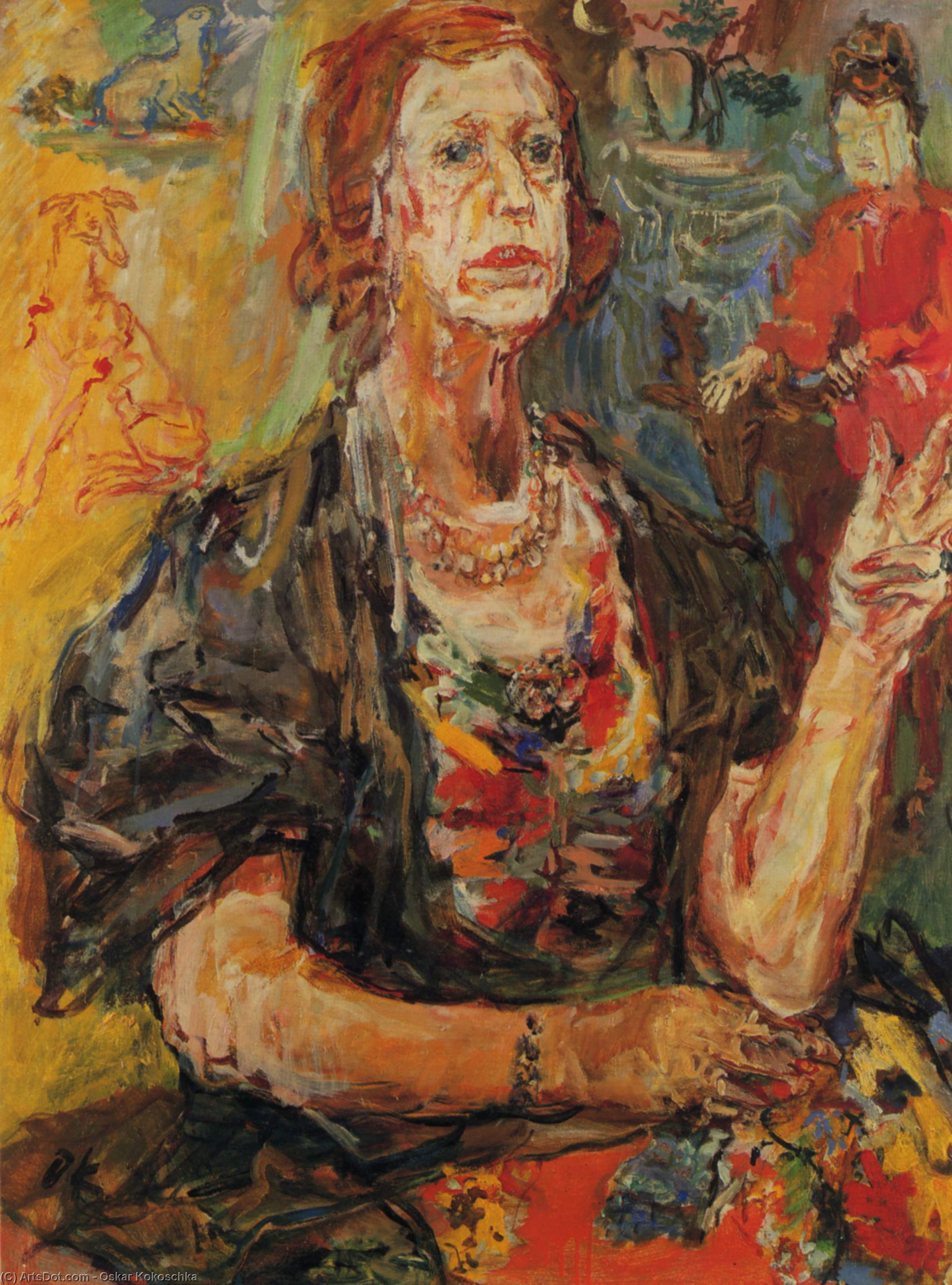
Kathleen, comtesse de Drogheda, Kathleen, countess of Drogheda, Huile sur Toile,
 Oil On Canvas
- WallArt
- Expressionism
 Modern
 102.0 x 76.0 cm
 Prečítať si viac
Kúpte si digitálnu snímku vo vysokom rozlíšení s vylepšenými detailmi, ktorá je oveľa kvalitnejšia než online náhľad.
Každý súbor starostlivo pripravujú naši interní špecialisti pomocou pokročilých nástrojov a odborného manuálneho retušovania. Zabezpečujeme, aby každý obrázok disponoval výnimočnou čistotou, presnou farebnou vernosťou a jemnými detailmi.
Konečný súbor vám bude doručený e-mailom do 72 hodín, optimalizovaný pre okamžité použitie v profesionálnom, redakčnom aj tlačovom prostredí. Ponúkame rovnakú kvalitu, ktorej dôverujú špičkové dizajnérske štúdiá, vydavateľstvá a galérie.
Digitálny obraz
Stiahnite si vysokorozlíšený súbor na osobné zobrazovanie, tlačenie a kreatívne projekty. ( Prepnúť na tlač Objednať ručne maľovanú reprodukciu)
Súčasťou každej objednávky digitálneho obrazu
Profesionálne digitálne doručenie, garantované
Keď si vyberiete OriginalUniqueArt.com, nezískate len obyčajný obrázok – získate profesionálne upravené digitálne umenie, vytvorené s maximálnou precíznosťou a podložené zárukou vašej spokojnosti. Tu je všetko, čo je súčasťou vašej objednávky automaticky:

Rýchle doručenie e-mailom
Vaša vysokorozlíšená digitálna súprava obrázkov vám bude zaslaná e-mailom do 72 hodín od objednávky – pripravená na okamžité použitie.

Digitálny súbor s vylepšením AI
Vaše dielo je profesionálne optimalizované pomocou pokročilých nástrojov umelej inteligencie a manuálnej úpravy, čo zaručuje maximálnu mieru detailov, čistotu a presnosť farieb.

Bezplatné celoživotné opätovné doručenie
Súbor ste náhodou zmazali alebo ste ho stratili? Nebojte sa – kedykoľvek vám ho môžeme poslať znova, úplne bez poplatkov.

Bez poplatkov za dovoz – navždy
Užite si svoje umelodelo okamžite bez colných poplatkov, daní alebo nákladov na dopravu – digitálne stiahnutia sú vždy oslobodené od dane.

Garantovaná presnosť farieb
Pomocou profesionálnych nástrojov a farebného manažmentu zabezpečujeme, aby vaša digitálna fotografia čo najpresnejšie odrážala pôvodné farby.

Záruka spokojnosti 100 dní
Ak nebudete spokojní so svojím digitálnym obrázkom, upravíme ho alebo vám v priebehu 100 dní vrátime 100% – bez zbytočných otázok.

100% Záruka vrátenia peňazí
Nie ste spokojní? Získajte plnú náhradu platby do 100 dní od prijatia digitálneho súboru – bez zbytočných otázok.

Zľavy pri veľkom odbere
Pri kúpe 3 obrázkov získate zľavu 10% - Pri kúpe 5 obrázkov získate zľavu 15% - Pri kúpe 10+ obrázkov získate zľavu 20%. Ideálne pre kreatívne projekty, galérie a agentúry.
Kathleen, Countess of Drogheda by Oskar Kokoschka: A Portrait of Resilience Amidst Uncertainty
Oskar Kokoschka’s “Kathleen, Countess of Drogheda,” completed in 1947, stands as a testament to the artist's unwavering dedication to capturing psychological truth—a hallmark of his Expressionist style. More than just a likeness of Kathleen Moore Pelham Burn, the subject of this portrait, it’s an exploration of inner turmoil and quiet defiance rendered with remarkable textural detail and vibrant color palettes.
Historical Context: Painted during World War II, the artwork reflects the anxieties and uncertainties prevalent in Europe at the time. Kokoschka himself experienced considerable upheaval during his lifetime, marked by personal tragedies and artistic struggles—factors undoubtedly informing the painting’s melancholic mood. The Countess herself was a woman of remarkable fortitude, having navigated divorce and bravely faced challenges like volunteering during the war effort.
Style & Technique: Kokoschka's approach to portraiture prioritized emotional resonance over photographic accuracy. He employed loose brushstrokes—a signature technique—to convey movement and dynamism within the frame. Thick impasto application of paint creates a palpable surface texture, emphasizing the contours of the face and clothing and lending an almost sculptural quality to the composition. The artist’s masterful use of color contributes significantly to the painting's expressive power; radiant reds dominate, juxtaposed with cooler tones that heighten the sense of drama.
Composition & Symbolism: The portrait’s central figure occupies most of the canvas, surrounded by swirling background elements—a deliberate stylistic choice designed to amplify the subject’s psychological intensity. Kokoschka skillfully utilizes perspective, albeit flattened and distorted, creating an intimate yet claustrophobic atmosphere. The Countess's gaze is direct and unwavering, conveying a profound inner life despite her outwardly serene demeanor. Subtle details like her necklace and handbag serve as symbolic elements—hints of mystery and perhaps unspoken anxieties.
Emotional Impact: “Kathleen, Countess of Drogheda” transcends mere representation; it’s an invitation to contemplate themes of aging, memory, and psychological resilience. Kokoschka's ability to convey profound emotion through visual language is undeniable—a feat achieved with unparalleled sensitivity and artistic vision. The painting continues to captivate viewers today, offering a glimpse into the complexities of human experience and demonstrating Kokoschka’s enduring legacy as one of Expressionism’s most influential figures.
Comparison: Kokoschka's oeuvre includes works like “Vieux Monsieur” (Old Man) and “Fillette à la poupée” (Little Girl with Doll), which similarly explore psychological depth and confront viewers with uncomfortable truths. These paintings exemplify Kokoschka’s unwavering commitment to portraying the human condition in its rawest form—a stylistic hallmark that distinguishes him from many of his contemporaries.
Further Exploration: For those interested in delving deeper into Kokoschka's artistic journey, a visit to The Museum Menard Art Museum in Japan offers an impressive collection of modern and contemporary art, showcasing masterpieces by Renoir and Picasso.
Biografia umelca
A Life Etched in Expression: The World of Oskar Kokoschka
Oskar Kokoschka, born on March 1, 1886, in Pöchlarn, Austria, was a figurehead of early Expressionism, an artist whose work pulsed with the anxieties and passions of a rapidly changing world. His life, marked by both intense personal drama and historical upheaval, became inextricably woven into the fabric of his art. From humble beginnings as the son of a goldsmith and a mother who fostered his artistic inclinations, Kokoschka’s path diverged from conventional expectations. He rejected a scientific career to pursue his calling at the Kunstgewerbeschule in Vienna, a decision that set him on a course toward becoming one of the most psychologically penetrating portraitists of his time. Even as a young student, he displayed an unusual sensitivity and a willingness to challenge artistic norms, traits that would define his entire oeuvre. His early education was steeped in the atmosphere of fin-de-siècle Vienna, a city brimming with intellectual ferment and artistic innovation, yet also shadowed by a growing sense of unease. This duality – beauty and anxiety, tradition and modernity – became a central theme in Kokoschka’s work.The Viennese Years: Portraits and Passion
Kokoschka quickly established himself as a daring portraitist within the vibrant artistic community of Vienna. He didn't aim for mere likeness; instead, he sought to capture the inner turmoil and psychological complexity of his sitters. His portraits were often unsettling, even confrontational, revealing vulnerabilities and hidden depths. This approach resonated with an audience increasingly fascinated by the burgeoning field of psychoanalysis pioneered by Sigmund Freud. The influence of Freud is palpable in Kokoschka’s work, as he delved into the subconscious and explored themes of desire, alienation, and identity. A pivotal moment in his life – and art – was his passionate affair with Alma Mahler, the widow of composer Gustav Mahler. This tumultuous relationship inspired some of his most iconic works, including *The Bride of the Wind (The Tempest)*, a monumental canvas that is both a tribute to Alma and a haunting depiction of their fraught connection. The painting’s swirling forms and intense colors convey a sense of emotional turbulence and impending doom, reflecting the instability of their love affair. It stands as a testament to Kokoschka's ability to translate personal experience into universal themes. He was particularly interested in portraying the psychological state of his subjects, often using distorted features and exaggerated gestures to express their inner emotions.War, Exile, and Artistic Evolution
The outbreak of World War I dramatically altered Kokoschka’s life. He volunteered for service in the Austrian army, experiencing firsthand the horrors of trench warfare. Severely wounded in 1915, his experiences on the front lines left an indelible mark on his psyche and informed his later work. The war years saw a shift in his style, with landscapes becoming increasingly prominent alongside portraits. These landscapes were not idyllic depictions of nature but rather expressions of alienation and despair, reflecting the trauma he had endured. He often depicted desolate, storm-swept vistas, conveying a sense of isolation and unease. As political tensions escalated in Europe during the 1930s, Kokoschka found himself targeted by the Nazi regime due to his outspoken opposition to fascism and his association with avant-garde movements deemed “degenerate.” Forced into exile, he fled Austria in 1934, eventually settling in England in 1938. This period of displacement and uncertainty further deepened his sense of isolation but also fueled his artistic creativity. He became a British citizen in 1946, continuing to paint and exhibit internationally while remaining deeply committed to social justice and human rights.Kokoschka’s Enduring Influence
The impact of Kokoschka extends beyond his own artistic output, influencing subsequent generations of artists. Suzanne Sternberg, for example, directly studied under him, absorbing his expressive techniques and philosophical approach to art. His emphasis on emotional honesty and psychological insight resonated with Abstract Expressionists in the mid-20th century and later Neo-Expressionists. Kokoschka’s willingness to confront uncomfortable truths and challenge artistic conventions continues to inspire artists today. He demonstrated that art could be a powerful tool for social commentary, personal expression, and ultimately, a deeper understanding of ourselves and the world around us. His work remains a powerful testament to the enduring power of art to confront difficult truths and illuminate the depths of the human soul. Kokoschka’s legacy is not simply one of artistic innovation but also of unwavering commitment to expressing the complexities of the human condition through his unique and deeply personal vision.Kokoschka’s Key Works
- The Bride of the Wind (The Tempest) – 1914: A seminal work capturing the tumultuous relationship with Alma Mahler, characterized by swirling colors and distorted forms.
- Self-Portrait as Warrior – 1918: An intensely personal depiction reflecting Kokoschka’s wartime experiences and psychological struggles.
- Thésée et Antiope – 1920: A complex allegorical painting exploring themes of love, power, and illusion.
- Numerous portraits: Including portraits of Sigmund Freud, Gustav Mahler, and other prominent figures of his time.

Oskar Kokoschka
1886 - 1980 , Rakúsko
Rýchle fakty
- Artistic Movement Or Style: Expressionizmus
- Artists Or Movements Influenced By This Artist: ['Neo-expresionisti']
- Date Of Birth: 1. marec 1886
- Date Of Death: 22. február 1980
- Full Name: Oskar Kokoschka
- Nationality: Rakúske, Československé, Britské
- Notable Artworks:
- Svadobná róba
- Sebeobrazie ako válečník
- Place Of Birth: Pöchlarn, Rakúsko