
 Náhľad v interiéri
 Odoslať ako digitálnu kartu
 Zdieľať
 Podrobnosti o dielo
 Príručka

 Stiahnuť obraz
 Podobné položky
 RTG skúška
 Prehliadanie diapozoje
 Q&A
Q&A Štatistiky
Collapse and Rebirth


 Zobraziť viac
Umelecké dielo zobrazené na tejto stránke je chránené autorským zákonom, čo znamená, že nemôžeme legálne vytvárať ani predávať jeho identickú reprodukciu. Táto ochrana je vymáhaná na základe medzinárodných dohôd, ako napríklad Bernská konvencia a národnými zákonmi, vrátane tých, ktoré sú stanovené v Autorské právo USA – Title 17. Všetky práva vyhradené.
Táto metóda plne dodržiava autorské práva, pretože nezahŕňa kopírovanie ani duplikovanie chráneného diela. Ide skôr o kreatívnu reinterpretáciu – nový obraz, ktorý je ovplybnený originálom, no nie je s ním identický.
Giclée / Umenotlač
Giclée tlač alebo plátno múzeálnej kvality s rýchlou výrobou a rôznymi možnosťami povrchovej úpravy. ( Kúpiť ručne maľovaný obraz Prepnúť na digitálny obraz)




P118B €10

P118H €10

P118W €10

P438Z €10

P508JH €12

P508YH €12

P805H €10

P805Z €10

P919BZ €10

P919G €10

P919XJ €10

P959ZH €10

P968JZ €12

W106C €8

W218G €10

W218JH €8

W218Y €10

W307PJ €10

W316G €10

W316PJ €8

W316Y €10

W398PJ €8

W4111J €10

W500HY €15

W500JH €15

W692G €12

W849H €8

W940BG €15

W953PJ €8




Vyberte si z našich preddefinovaných rozmerov, ktoré zodpovedajú pôvodným pomeroḿ diela.

Zadajte šírku a výšku, ktoré potrebujete, aby sa reprodukcia hodila k vášmu rámu alebo stene. Print možno len orezávať, nikdy však nemennú veľkosť zvětšiť oproti pôvodnému obrázku, preto pri inom formáte stráca časť obrazu. Pred samotným vytlačiacím procesom vám pošleme digitálny náhľad na schválenie. Obrázok zobrazený na tejto stránke nezobrazuje reálny rez — len digitálny náhľad ukazuje presný výsledok.
Celosvetová doprava () do 2 týždňov namiesto štandardných 4 až 5 týždňov. (1 november)

Bezplatná expresná doprava po celom svete

Vysokokvalitné lnianske plátno

Kompletné poistenie prepravy

Záruka vrátenia colného poplatku

Záruka presného farebného zhodnutia

100-dená politika vrátenia tovaru (iba pri vadách)

100% záruka vrátenia peňazí

Zľava pri väčšom množstve
 Možnosť skla je dostupná len pri rozmeroch pod 110 cm

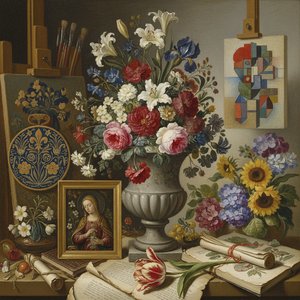
Collapse and Rebirth
Giclée / Umenotlač
Veľkosť reprodukcie
-


Celková cena
€ 71
Biografia umelca
The Rise of a Street Poet: Betye Saar (1998 – Present)
Betye Saar, born in 1998, represents a fascinating and increasingly vital voice within contemporary American art. Emerging from relative obscurity, her work quickly gained recognition for its potent blend of assemblage, folk art traditions, and sharp social commentary. Saar’s practice isn't simply about creating beautiful objects; it’s an active engagement with history, identity, and the complex realities of race and gender in America. Her journey began not within formal art institutions, but rooted in the vibrant street culture of Los Angeles, a landscape that profoundly shaped her artistic vision. Initially drawn to the raw energy of graffiti and found object art, Saar quickly evolved beyond mere imitation, developing a deeply personal and uniquely powerful style.Early Influences and the Language of Assemblage
Saar’s early work is inextricably linked to the rich traditions of folk art and assemblage. Growing up in Los Angeles, she was immersed in a diverse cultural landscape—a melting pot of Mexican, African American, and Native American influences. This exposure ignited her interest in repurposing discarded materials – bottle caps, tin cans, buttons, and other seemingly insignificant objects – transforming them into evocative symbols and narratives. She draws heavily on the traditions of outsider art, particularly the work of artists like Joseph Cornell and Martín Ramírez, who similarly utilized found objects to construct layered meanings. Saar’s assemblages aren't simply collages; they are carefully constructed dialogues, each element contributing to a larger, often unsettling, story. The use of these humble materials speaks volumes about resourcefulness, resilience, and the ability to find beauty in the overlooked.Exploring Identity and Social Commentary
A defining characteristic of Saar’s work is its unflinching exploration of identity—particularly Black female identity—and its intersection with issues of race, gender, and power. Her pieces frequently confront stereotypes and challenge conventional representations of women within art history. The recurring motif of the skull, often adorned with vibrant colors and found objects, serves as a potent symbol of mortality, resilience, and the enduring spirit of African American culture. Works like “Irony of Negro Policeman” (1981), a striking assemblage incorporating a police badge and a black mask, directly address issues of racial injustice and systemic oppression. Similarly, her series "The Black Madonna" explores themes of spirituality, motherhood, and female empowerment within the context of African American religious traditions. Saar’s art isn't didactic; it invites viewers to confront uncomfortable truths and engage in critical reflection.A Unique Artistic Process: From Street Art to Gallery Walls
Saar’s artistic process is deeply rooted in improvisation and chance. She often begins with a single object or image, allowing its inherent qualities to guide her creative direction. Her studio is a chaotic but organized space filled with an astonishing array of found objects—a testament to her lifelong practice of scavenging and collecting. This intuitive approach contrasts sharply with more traditional artistic methods, resulting in works that feel both spontaneous and meticulously crafted. The influence of street art is undeniable; Saar’s pieces retain a raw energy and immediacy reminiscent of the graffiti artists who first captivated her imagination. However, unlike many street artists, Saar's work quickly transitioned from the streets to gallery walls, gaining critical acclaim and establishing her as a significant contemporary artist.Recognition and Legacy
Betye Saar’s career has experienced a remarkable trajectory in recent years. Her work was featured in a solo exhibition at the Museum of Contemporary Art Los Angeles in 2018, solidifying her position within the art world. Her pieces have been exhibited nationally and internationally, and she has received numerous awards and grants. Notably, a signed typed biography from 1998 (available on eBay) provides valuable insight into her early career aspirations and artistic philosophy. Saar’s work is not merely historical; it continues to resonate with contemporary audiences grappling with issues of social justice, identity politics, and the enduring legacy of American history. Her unique voice—a blend of folk art sensibility, street art energy, and profound social commentary—ensures that Betye Saar will remain a vital and influential figure in the 21st century art landscape.
Oscar Rodriguez
1998 - , Spain
Základné informácie
- Full Name: Jean-Michel Basquiat
- Nationality: American
- Date Of Birth: 1998
- Date Of Death: August 12, 1988
- Place Of Birth: Talavera de la Reina, Spain
- Notable Artworks:
- Irony of Negro Policeman
- Skull of Doom
- Untitled (1982)
- Boy and Dog in a Johnnypump
- Defacement
- Hollywood Africans
- Artistic Movement Or Style: Neo-expressionism
- Artists Who Influenced This Artist:
- Graffiti artists
- Al Diaz
- Artists Or Movements Influenced By This Artist:
- SAMO
- Hip-hop culture
Súvisiace články

Sir John Tenniel: A Visual Chronicler of Victorian Society – Caricature, Illustration & Cultural Impact
Explore the life & work of Sir John Tenniel, Victorian England's master illustrator & political cartoonist. Discover his iconic 'Alice in Wonderland' art and lasting impact on satire & visual culture.

Subverting Convention: Banksy's Identity, Art & Socio-Political Impact – A Critical Examination
Explore the complex world of Banksy's art & activism. This critical analysis delves into his identity, impact on the art market, and enduring socio-political relevance for discerning collectors.

Blossoms of Time: A Historical Journey Through Flower Painting
Explore the captivating history of flower painting! Discover Dutch masters, symbolic meanings, & botanical art. Expert insights & high-quality reproductions at OriginalUniqueArt.

Blossoms of Time: A Historical & Aesthetic Exploration of Floral Painting Across Cultures
Explore the rich history of floral painting! Discover symbolism, techniques & masterpieces from Van Huysum to O'Keeffe. Expert insights for art lovers & collectors at OriginalUniqueArt.
Blossoming Symbolism: A Historical Journey Through Flowers in Western Painting
Explore the rich history of flower symbolism in Western painting! Discover how artists from the Renaissance to Modernism used blossoms to convey meaning, emotion & beauty. Learn about iconic artworks and movements.