- Domov

- Tlač na plátno
- orazio grevenbroeck
- Seascape
 Preview
 Objednať reprodukciu Kúpiť digitálnu verziu
 Odoslať
 Zdieľať
 Podrobnosti o dielo
 Pridať do obľúbených

 Stiahnuť
 Podobné diela
 RTG skúška
 Prezentácia
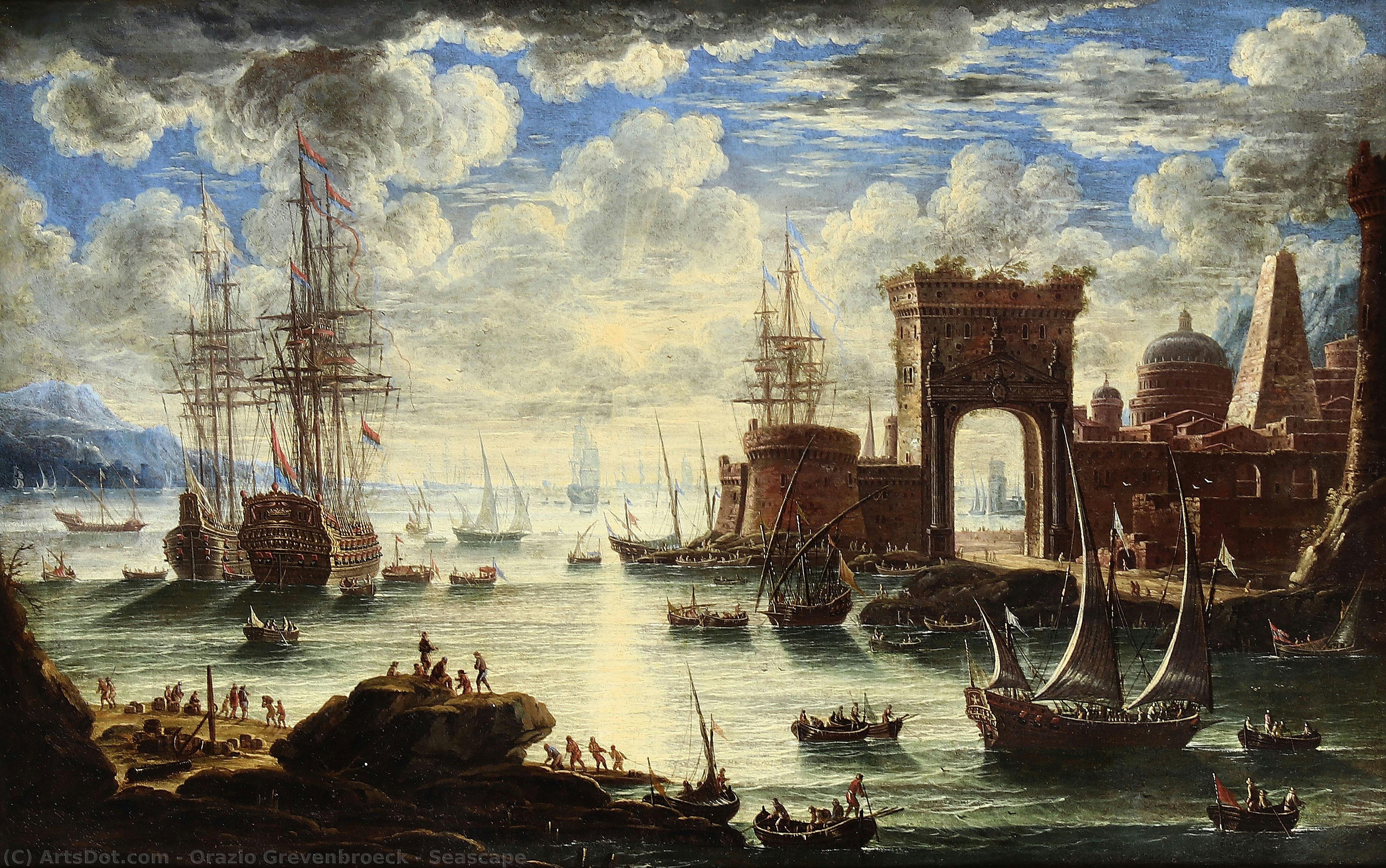
Seascape

 Zobraziť viac
Giclée / Umenotlač
Giclée tlač alebo plátno múzeálnej kvality s rýchlou výrobou a flexibilnými možnosťami povrchovej úpravy.




































Vyberte si z našich preddefinovaných rozmerov, ktoré zodpovedajú pôvodným pomeroḿ diela.

Môžete zadať vlastné rozmery, aby sa reprodukcia prispôsobila konkrétnemu rámu alebo priestoru. Ak zvolená veľkosť nebude zodpovedať proporciám originálu, dielo buď orežeme, alebo obraz rozšírime pomocou zrkadlenia či farebného doplnenia okrajov. Pred začatím výroby vám pošleme digitálnu ukážku na schválenie.
Máte na vedomí, že náhľad na obrazovke neodzrkadľuje skutočné orezanie alebo rozšírenie. Len digitálna ukážka presne zobrazí finálnu kompozíciu.
Hoci sú k dispozícii vlastné rozmery, pre zachovanie pôvodných proporcií odporúčame vybrať si rozmer z vopred definovaného zoznamu.
Celosvetová doprava () do 2 týždňov namiesto štandardných 4/5 týždňov. (23 júl)

Bezplatná expresná doprava po celom svete

Prémiové lnianske plátno

Kompletné poistenie prepravy

Záruka vrátenia colného poplatku

Záruka presného farebného zhodnutia

60-dňá politika vrátenia (iba pri defektoch)

100% záruka vrátenia peňazí

Výhodná množstevná zľava
 Možnosť skla je dostupná len pri rozmeroch pod 110 cm

Seascape
Giclée / Umenotlač
Veľkosť reprodukcie
-


Celková cena za vybrané možnosti
-
Popis predmetu
Biografia umelca
The Tempestuous World of Orazio Grevenbroeck: A Master of Maritime Drama
Orazio Grevenbroeck, a name resonating within the annals of maritime art, stands as a compelling figure whose canvases capture not merely scenes of harbors and battleships, but the very soul of the sea itself. While biographical details surrounding his life remain somewhat elusive – a common trait for artists operating in the vibrant yet often undocumented workshops of their time – the power and emotional depth of his work speak volumes. Emerging from an artistic lineage steeped in Dutch Golden Age traditions, Grevenbroeck carved a niche for himself specializing in dramatic seascapes and naval engagements, becoming a sought-after chronicler of maritime life and conflict. His paintings are not simply representations; they are immersive experiences, transporting the viewer to the heart of crashing waves, billowing sails, and the intense human drama unfolding upon the water’s surface.Early Influences & Artistic Development
Grevenbroeck's artistic journey likely began within the bustling art centers of the Low Countries. The Dutch Golden Age (roughly the 17th century) was a period of unprecedented prosperity and cultural flourishing, particularly in painting. Artists like Simon de Vlieger and Jan Porcellis were pioneering realistic seascape depictions, focusing on accurate ship rendering and atmospheric effects. It is within this tradition that Grevenbroeck found his foundation. However, he wasn’t merely an imitator. While inheriting the meticulous detail of Dutch marine painters, he infused his work with a distinctly Italianate sensibility – a heightened sense of drama, bolder compositions, and a more romanticized approach to light and shadow. This fusion suggests possible training or exposure to Italian art, perhaps through engravings or direct travel. His early works demonstrate a commitment to precise naval architecture, showcasing detailed renderings of various ship types prevalent during the 17th and 18th centuries. Over time, his focus shifted towards capturing the emotional impact of maritime events, moving beyond technical accuracy to convey the raw power of nature and the vulnerability of human endeavor.Themes & Techniques: Painting the Fury of the Ocean
The core of Grevenbroeck’s oeuvre lies in his depictions of the sea – not as a placid backdrop, but as an active protagonist. His canvases are populated with turbulent storms, towering waves threatening to engulf vessels, and harbors teeming with activity. Naval battles form a significant portion of his work, often portraying historical engagements with meticulous detail, yet always emphasizing the chaos and human cost of conflict. He masterfully employed techniques to convey this sense of drama. His brushwork is dynamic and expressive, particularly in rendering water – utilizing layers of impasto to create texture and movement. Light plays a crucial role, often contrasting sharply between illuminated crests of waves and the dark shadows engulfing ships and distant shores. He was adept at creating atmospheric perspective, using subtle gradations of color to suggest depth and distance. Furthermore, Grevenbroeck’s compositions are carefully constructed to draw the viewer's eye towards focal points – a struggling ship battling a storm, or the clash of opposing fleets in the midst of battle. The inclusion of smaller figures on deck adds a human element, emphasizing the scale of the ocean and the precariousness of life at sea.Historical Significance & Legacy
Orazio Grevenbroeck’s work provides valuable insight into the maritime world of the 17th and 18th centuries. His paintings serve as historical records, documenting ship designs, naval tactics, and harbor landscapes with remarkable accuracy. However, his significance extends beyond mere documentation. He captured a specific moment in history – an era of intense naval power, global exploration, and burgeoning trade.- His dramatic style resonated with collectors seeking evocative depictions of maritime life.
- He bridged the gap between Dutch realism and Italianate romanticism, influencing subsequent generations of marine painters.
- Grevenbroeck’s paintings offer a powerful visual representation of humanity's relationship with the sea – a blend of awe, respect, and vulnerability.