Náhľad v interiéri
 Odoslať ako digitálnu kartu
 Zdieľať
 Podrobnosti o dielo
 Príručka

 Stiahnuť obraz
 Podobné položky
 RTG skúška
 Prehliadanie diapozoje
 Otázky a odpovede
 Štatistiky
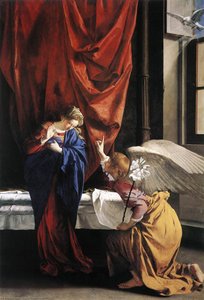
Rest on the Flight into Egypt

- 158.0 x 225.0 cm


 Zobraziť viac
Giclée / Umenotlač
Giclée tlač alebo plátno múzeálnej kvality s rýchlou výrobou a rôznymi možnosťami povrchovej úpravy. ( Kúpiť ručne maľovaný obraz Prepnúť na digitálny obraz)




P118B €10

P118H €10

P118W €10

P438Z €10

P508JH €12

P508YH €12

P805H €10

P805Z €10

P919BZ €10

P919G €10

P919XJ €10

P959ZH €10

P968JZ €12

W106C €8

W218G €10

W218JH €8

W218Y €10

W307PJ €10

W316G €10

W316PJ €8

W316Y €10

W398PJ €8

W4111J €10

W500HY €15

W500JH €15

W692G €12

W849H €8

W940BG €15

W953PJ €8




Vyberte si z našich preddefinovaných rozmerov, ktoré zodpovedajú pôvodným pomeroḿ diela.

Zadajte šírku a výšku, ktoré potrebujete, aby sa reprodukcia hodila k vášmu rámu alebo stene. Print možno len orezávať, nikdy však nemennú veľkosť zvětšiť oproti pôvodnému obrázku, preto pri inom formáte stráca časť obrazu. Pred samotným vytlačiacím procesom vám pošleme digitálny náhľad na schválenie. Obrázok zobrazený na tejto stránke nezobrazuje reálny rez — len digitálny náhľad ukazuje presný výsledok.
Celosvetová doprava () do 2 týždňov namiesto štandardných 4 až 5 týždňov. (4 november)

Bezplatná expresná doprava po celom svete

Vysokokvalitné lnianske plátno

Kompletné poistenie prepravy

Záruka vrátenia colného poplatku

Záruka presného farebného zhodnutia

100-dená politika vrátenia tovaru (iba pri vadách)

100% záruka vrátenia peňazí

Zľava pri väčšom množstve
 Možnosť skla je dostupná len pri rozmeroch pod 110 cm

Rest on the Flight into Egypt
Giclée / Umenotlač
Veľkosť reprodukcie
-


Celková cena
€ 72
A Sanctuary of Shadows and Tenderness
In the quietude of Orazio Gentileschi’s 1628 masterpiece, Rest on the Flight into Egypt, we find ourselves transported to a moment of profound stillness amidst a world of uncertainty. This monumental canvas does not merely depict a biblical pause; it captures the very essence of human vulnerability and the sanctuary found within familial bonds. As the Holy Family seeks refuge from the looming shadow of King Herod, Gentileschi invites us into their intimate circle, where the weight of their journey is momentarily lifted by the presence of one another. The scene is a breathtaking study in Baroque emotionality, where the heavy atmosphere of a perilous pilgrimage meets the soft, luminous grace of maternal devotion.
The composition is masterfully orchestrated to guide the viewer’s soul through a landscape of both physical and spiritual depth. Within the frame, Mary, Joseph, and the infant Jesus are nestled upon a simple bed draped in rich, tactile fabrics—a deliberate choice by the artist to contrast the warmth of their immediate surroundings with the desolate, windswept landscape visible beyond the windowpane. This juxtaposition serves as a powerful metaphor for the human condition: the search for a stable home within an unstable world. The figures are arranged in a way that creates a rhythmic, diagonal movement across the canvas, drawing the eye from the weathered face of Joseph to the tenderly cradled Christ child, ensuring that the narrative of protection and piety remains the central focus.
The Mastery of Light and Tenebrismo
To behold this work is to witness the profound influence of Caravaggio upon the hand of Gentileschi. The artist employs tenebrismo—a dramatic technique of extreme chiaroscuro—to sculpt his subjects out of the darkness. Strong, directional light pierces the gloom, illuminating the porcelain skin of the infant and the intricate textures of the drapery, while leaving much of the periphery in a mysterious, velvety shadow. This interplay of light and dark does more than create three-dimensional realism; it heightens the theatricality of the scene, imbuing every fold of cloth and every furrowed brow with psychological significance.
The technique is nothing short of virtuosic. Using oil on canvas, Gentileschi achieves a luminous quality that seems to radiate from within the figures themselves. His brushwork, while contributing to a rich and textured surface, remains incredibly controlled, allowing for subtle gradations of color that mimic the softness of flesh and the heavy weight of silk. For the discerning collector or interior designer, this level of detail offers an unparalleled sensory experience. The deep, saturated hues—rich ochres, midnight blues, and warm earth tones—provide a sophisticated palette that can anchor a room with a sense of historical gravity and timeless elegance.
A Legacy of Emotion for the Modern Collector
Beyond its technical brilliance, Rest on the Flight into Egypt resonates through its profound symbolism. It is an artwork that speaks to the universal themes of mortality, compassion, and the enduring cycle of life. The stillness within the painting suggests a moment of prayerful contemplation, making it an ideal centerpiece for spaces dedicated to reflection, such as a private library, a study, or a formal drawing room. It is a piece that does not merely decorate a wall; it commands the atmosphere of a space, inviting conversation and deep emotional engagement.
For those seeking to bring the grandeur of the Italian Baroque into a contemporary setting, a high-quality reproduction of this work offers a rare opportunity. It allows the dramatic tension and the tender narrative of Gentileschi’s vision to breathe within a modern interior, bridging the gap between the turbulent history of the 17th century and the refined aesthetics of today. Owning such a piece is an act of preserving a moment of sacred peace, ensuring that the light of the Holy Family continues to illuminate the homes of art lovers for generations to come.
Otázky a odpovede
Pôsobia farby diela „Rest on the Flight into Egypt“ výrazne alebo jemne?
„Rest on the Flight into Egypt“ od Orazio Gentileschi má Monochromatic intenzitu farieb.
Aká veľkosť reprodukcie sa odporúča pre „Rest on the Flight into Egypt“ od Orazio Gentileschi?
Pre dielo „Rest on the Flight into Egypt“ sa odporúča veľkosť tlače Large. K dispozícii sú aj інші veľkosti v rovnakých proporciách.
Môžem si pomocou rozšírenej reality prezrieť „Rest on the Flight into Egypt“ od Orazio Gentileschi vo svojej miestnosti?
Stránka Náhľad v AR diela „Rest on the Flight into Egypt“ od Orazio Gentileschi využíva rozšírenú realitu na zobrazenie umelleckého diela vo vašom vlastnom priestore pomocou kompatibilného zariadenia.
Biografia umelca
A Tuscan Dawn: The Life and Art of Orazio Gentileschi
Born in 1563 amidst the rolling hills of Tuscany, Orazio Gentileschi embarked on a journey that would see him become a pivotal figure in the transition from Mannerism to Baroque painting. Initially known as Orazio Lomi, he gravitated towards Rome, then the epicenter of artistic innovation, where he honed his skills within the workshops of Cola dell’Amata and absorbed the architectural sensibilities of Francesco da Sangallo. These early influences instilled in him a meticulous attention to form and composition, characteristics that would remain hallmarks of his style even as it dramatically evolved. Gentileschi’s initial work often involved contributing figures to larger decorative schemes conceived by other artists – a formative experience that taught him collaboration and adaptability, yet also hinted at a burgeoning ambition for independent expression. He was a skilled craftsman, adept at creating detailed and realistic figures within the broader context of elaborate compositions, a skill honed through his early apprenticeship.Embracing the Shadow: Caravaggio’s Influence and Artistic Development
The turn of the 17th century marked a turning point in Gentileschi’s artistic trajectory. The revolutionary naturalism of Caravaggio burst onto the Roman art scene, challenging established conventions with its dramatic use of light and shadow – *tenebrism* – and unflinching realism. Gentileschi was profoundly affected by this seismic shift, adopting elements of Caravaggio's style into his own work. However, he wasn’t merely an imitator; rather, he filtered Caravaggio’s innovations through his existing artistic sensibilities. While retaining the dramatic intensity, Gentileschi softened the harshness of Caravaggio’s *tenebrism*, introducing a lighter palette and a more refined approach to detail. This resulted in paintings that possessed both emotional power and elegant grace – a unique synthesis that distinguished him from his contemporaries. Biblical scenes and mythological narratives became frequent subjects, allowing Gentileschi to explore themes of faith, heroism, and human vulnerability with compelling visual storytelling. His early works often depicted dramatic moments from the Bible, imbued with Caravaggio’s characteristic intensity but softened by a distinctly Tuscan sensibility.A Courtly Wanderer: From Paris to London
Gentileschi’s artistic reputation extended beyond Italy’s borders. His talent attracted the patronage of powerful figures, leading him on a peripatetic journey through Europe. He spent time at the court of Marie de' Medici in Paris, where his refined style resonated with the Queen’s taste for elegance and sophistication. This period saw a further evolution in his work, characterized by increasingly elaborate compositions and a heightened sense of decorum. He was known to be a charming but sometimes difficult personality, demanding respect from his patrons and colleagues alike. However, it was his invitation to England in 1626 that would define the final chapter of his career. Appointed court painter to Charles I, Gentileschi became one of the first major exponents of Caravaggism in Britain, significantly influencing the development of English Baroque painting. He undertook ambitious projects, including a series of ceiling paintings for Greenwich Palace (now Marlborough House), showcasing his mastery of large-scale decorative schemes and solidifying his position as a leading artist of his time. His work in England reflected the prevailing tastes of the court – grand, opulent, and often depicting scenes of royal life.The Legacy of Light and Shadow
Orazio Gentileschi’s contributions to the world of art are multifaceted. He bridged the gap between Mannerism and Baroque, absorbing the innovations of Caravaggio while forging his own distinctive style. His use of vibrant colors, dramatic compositions, and refined technique influenced a generation of artists across Europe. He was instrumental in introducing Caravaggism to England, leaving an indelible mark on the artistic landscape there. But perhaps his most enduring legacy lies in his daughter, Artemisia Gentileschi. Trained in her father’s studio, she emerged as one of the most celebrated female painters of the Baroque era, carrying forward the family's artistic tradition and achieving renown in her own right. Today, Gentileschi’s works are held in prestigious museums and galleries worldwide – from the Uffizi Gallery in Florence to the Accademia Gallery in Venice – testaments to his enduring brilliance and lasting impact on the history of art. His paintings continue to captivate viewers with their emotional depth, technical virtuosity, and timeless beauty.- Major Works: “Danae”, "The Annunciation", "The Virgin Mary"
- Key Influences: Mannerism, Caravaggio
- Artistic Style: Baroque, Dramatic compositions, Bright colors.

Orazio Gentileschi
1563 - 1639 , Taliansko
Základné informácie
- Artistic Movement Or Style: Baroko, Karavaggizmus
- Artists Or Movements Influenced By This Artist:
- Mannerizmus
- Baroková umelnosť
- Artists Who Influenced This Artist:
- Karavaggio
- Francesco da Sangallo
- Date Of Birth: 1563
- Date Of Death: 1639
- Full Name: Orazio Gentileschi
- Nationality: Taliančania
- Notable Artworks:
- Danae
- Anunciácia
- Panna Mária
- Place Of Birth: Tuscany, Taliansko
Súvisiace články

Theatricality & Triumph: Baroque Drama in Painting & Sculpture
Explore the dramatic world of Baroque art! Discover its history, defining characteristics, & lasting influence on painting & sculpture. Expert insights into Caravaggio, Zurbarán, and Bernini – plus high-quality reproductions at OriginalUniqueArt.

The Dramatic Flourish: Exploring the Baroque Movement's Enduring Legacy in Art History
Explore the dramatic world of Baroque art! Discover iconic artists like Caravaggio & Rubens, defining techniques, and its lasting impact on art history. Expert insights for collectors & enthusiasts at OriginalUniqueArt.

Baroková Dráma: Umenie, ktoré prináša nádheru do domova
Objavte nádheru barokového štýlu! Spoznajte jeho históriu, kľúčové prvky a inšpirujte sa tipmi pre váš domov. Kvalitné reprodukcie diel od .

Top 10 majstrovských diel baroka: Umění a dekor pre váš domov
Ponorte sa do sveta baroka! Objavte top 10 majstrovských diel od Caravaggia, Rembrandta a ďalších slávnych maliarov. Reprodukcie obrazov pre luxusný dekor vášho domova na OriginalUniqueArt.com.

The Visceral Stage: Exploring Dramatic Narratives & Emotional Intensity in Baroque Art
Explore the dramatic world of Baroque art! Discover iconic masters like Caravaggio & Rembrandt, their techniques, and the movement's lasting impact. Expert insights for collectors & enthusiasts at OriginalUniqueArt.