

 Náhľad
 Odoslať
 Zdieľať
 Podrobnosti o dielo

 Stiahnuť
 Podobné diela
 RTG skúška
 Prezentácia
GRENADIER DE LA GARDE


 Zobraziť viac
Ručne maľovaná olejová reprodukcia
Ručne maľovaný olej na plátne vo vašej zvolenej veľkosti a v ráme, vyrobený na mieru našimi umelcami. ( Kúpiť tlač Kúpiť obrázok)




P118B $10

P118H $10

P118W $10

P438Z $10

P508JH $12

P508YH $12

P805H $10

P805Z $10

P919BZ $10

P919G $10

P919XJ $10

P959ZH $10

P968JZ $12

W106C $8

W218G $10

W218JH $8

W218Y $10

W307PJ $10

W316G $10

W316PJ $8

W316Y $10

W398PJ $8

W4111J $10

W500HY $15

W500JH $15

W692G $12

W849H $8

W940BG $15

W953PJ $8




Vyberte si z našich preddefinovaných rozmerov, ktoré zodpovedajú pôvodným pomeroḿ diela.

Môžete zadať vlastné rozmery tak, aby sa hodili do konkrétneho rámu alebo priestoru. Ak sa váš zvolený rozmer nezhoduje s pôvodnými proporciami obrazu, dielo buď orezáme, alebo ho doplníme ručne maľovanými prvkami. Pred začiatkom výroby vám zašleme digitálny náhľad na schválenie.
Upozorňujeme, že ukážka na obrazovke neodráža skutočné orezanie alebo doplnenie. Skutočnú finálnu kompozíciu zobrazuje iba digitálny náhľad.
Hoci sú k dispozícii vlastné rozmery, odporúčame vybrať rozmer z preddefinovaného zoznamu, aby sme zachovali pôvodné proporcie.
Po odoslaní objednávky vám tím OriginalUniqueArt.com pošle e-mail s pokynmi a poskytne náhľad na návrh.
Celosvetová doprava () za 3 až 4 týždne namiesto štandardných 5 týždňov. (26 august). Bez kompromisov v kvalite.

Bezplatná expresná doprava po celom svete

Prémiové lnianske plátno

Kompletné poistenie prepravy

Záruka vrátenia colného poplatku

Záruka presného farebného zhodnutia

60-dňá politika vrátenia (iba pri defektoch)

100% záruka vrátenia peňazí

Výhodná množstevná zľava
 Možnosť skla je dostupná len pri rozmeroch pod 110 cm

GRENADIER DE LA GARDE
Technika reprodukcie
Veľkosť reprodukcie
-


Celková cena za vybrané možnosti
$ 300
Popis diela
The Weight of Duty: Nicolas Toussaint Charlet’s Grenadier de la Garde
Nicolas Toussaint Charlet's "Grenadier de la Garde" isn’t merely a depiction of a soldier; it’s a carefully constructed embodiment of 19th-century French identity, steeped in the romanticism and patriotic fervor following the Napoleonic era. Painted around 1842, this lithograph captures a Grenadier of the Guard – an elite unit renowned for their unwavering loyalty and formidable presence – standing stoically against a dramatic landscape. The image transcends simple military portraiture, becoming a potent symbol of duty, resilience, and the enduring spirit of France itself. Charlet’s genius lies in his ability to imbue this single figure with layers of meaning, drawing upon historical context, artistic technique, and a keen understanding of human psychology.
A Master of Lithography: Technique and Detail
Charlet’s skill as a lithographer is immediately apparent. The image possesses a remarkable level of detail, achieved through the meticulous process of transferring ink from a stone to paper. Notice the subtle variations in texture – the rough, weathered surface of the rock beneath the Grenadier's feet, contrasted with the smoother fabric of his uniform. The artist’s loose brushstrokes, characteristic of the Romantic style, lend a sense of immediacy and dynamism to the scene. The layering of colors, particularly in the sky, creates an atmospheric depth that draws the viewer into the landscape. This technique wasn’t simply about replicating reality; it was about conveying emotion and atmosphere through carefully controlled marks and tones.
- Loose Brushwork: Reflecting Romantic ideals of emotional expression.
- Layered Colors: Creating atmospheric depth and a sense of drama.
- Detailed Textures: Evoking the tactile qualities of the subject matter – stone, fabric, foliage.
Symbolism in Form and Gesture
The Grenadier’s posture is crucial to understanding the artwork's meaning. He stands with a rigid yet controlled stance, his gaze fixed on the horizon—a gesture that speaks of duty, vigilance, and perhaps even a touch of melancholy. The solitary figure against the vast landscape symbolizes France itself – a nation facing challenges while maintaining its honor and integrity. The inclusion of the distant cavalry figures suggests both the grandeur of military power and the potential for conflict. Even the Grenadier’s simple uniform—a dark blue with red accents—holds symbolic weight, representing loyalty to the crown and the enduring traditions of French military service. The subtle hint of a pipe in his mouth adds an element of human vulnerability to this imposing figure, reminding us that even within the ranks of the elite, there is always a shared humanity.
Historical Context: A Nation Rebuilding
“Grenadier de la Garde” was created during a period of significant political and social upheaval in France. Following the fall of Napoleon, the country was grappling with the restoration of the monarchy and the challenges of rebuilding its economy and society. Charlet’s work reflects this atmosphere of both nostalgia for the past and hope for the future. The Grenadier, as an emblem of French military prowess, served to reinforce national pride and inspire confidence in the nation's ability to overcome adversity. The lithograph itself was a popular medium during this time, offering affordable access to art for a wider audience. It’s important to note that Charlet’s depiction of Napoleon is not overtly celebratory; rather, it presents him as a distant figure, emphasizing the enduring legacy of his reign and the ongoing responsibility of the French people.
Biografia umelca
Nicolas Toussaint Charlet: A Voice of the Veteran and a Master of Lithography
Born in Paris in 1792, Nicolas Toussaint Charlet’s life was inextricably linked to the tumultuous events of post-revolutionary France. His father, a dragoon serving in the Republican army, tragically died in service, leaving his widow, Madame Charlet, and young Nicolas facing profound poverty. Remarkably, this hardship fueled her determination; she secured her son an education at the Lycée Napoléon, a testament to her unwavering spirit and fervent Bonapartist beliefs – a debt of affection that shaped Charlet’s lifelong loyalty.
Charlet's early career began in a surprisingly mundane role within the Paris city administration, registering recruits. However, his innate artistic talent quickly superseded this administrative duty. He found refuge and mentorship in the atelier of Baron Gros, a distinguished painter known for his historical works. It was here that Charlet’s skills blossomed, particularly in lithography – a medium he would master with astonishing speed and ultimately define as his signature style. The demand for military subjects following the Napoleonic Wars provided fertile ground for his burgeoning talent, leading to an astounding output of approximately 2000 prints, watercolours, sepia drawings, and a handful of etchings.
The Rise of a Military Icon: Grenadier de Waterloo
Charlet’s fame exploded with the publication of “Grenadier de la Garde” in 1817 – an image that would become instantly recognizable. This lithograph, depicting a grenadier standing stoically before the barricades of Clichy during the Hundred Days Campaign, carried the powerful motto "La Garde meurt et ne se rend pas" (The Guard Dies and Does Not Surrender). Though often attributed to Cambronne, the phrase originated with Charlet’s design. The image resonated deeply within a nation grappling with the aftermath of defeat, embodying resilience, duty, and national pride – themes that would continue to dominate his work.
The “Grenadier de Waterloo” wasn't merely a depiction of military prowess; it was a carefully constructed symbol. Charlet’s meticulous attention to detail—the soldier’s posture, the uniform, even the subtle expression on his face—created an image that transcended mere illustration and became a potent emblem of French patriotism. It demonstrated his ability to capture not just the physical appearance of soldiers but also their spirit and resolve.
Beyond the Battlefield: Scenes of Civilian Life
While military subjects remained central to Charlet’s oeuvre, he wasn't solely focused on war. In the 1830s, he embarked on a significant project – “La Vie civile, politique, et militaire du Caporal Valentin,” a series of 50 lithographs depicting the daily life of a young soldier named Valentin. This ambitious work offered a surprisingly nuanced portrayal of civilian and military society, showcasing scenes of everyday routines alongside moments of camaraderie and hardship. These prints demonstrated Charlet’s growing interest in capturing the broader spectrum of French life, moving beyond the heroic narratives of war to explore more intimate and relatable subjects.
His later works continued this trend, including evocative depictions of peasant life, children at play, and scenes of urban activity. These pieces reveal a shift in his artistic focus – a desire to capture the essence of French society as a whole, rather than simply glorifying military victories. The “Episode in the Campaign of Russia,” “Passage of the Rhine by Moreau,” and “Wounded Soldiers Halting in a Ravine” exemplify this evolution, showcasing a refined style and a heightened sense of realism.
A Legacy Forged in Lithography
Nicolas Toussaint Charlet’s impact on French art is undeniable. He elevated lithography to an artistic medium, demonstrating its capacity for capturing both historical detail and emotional depth. His ability to imbue his prints with patriotic fervor and a keen understanding of human psychology cemented his place as one of the most popular and influential artists of his time. His work served as a powerful reminder of France’s past glories while simultaneously reflecting the social and political realities of 19th-century life. Though he died in 1845, Charlet's legacy continues to resonate through his enduring images – a testament to the power of art to capture history, evoke emotion, and shape national identity.

Nicolas Toussaint Charlet
1792 - 1845 , France
Základné informácie
- Artistic Movement Or Style: Military & civilian scenes
- Artists Or Movements Influenced By This Artist: ['Bonapartist']
- Artists Who Influenced This Artist: ['Baron Gros']
- Date Of Birth: December 20, 1792
- Date Of Death: October 30, 1845
- Full Name: Nicolas Toussaint Charlet
- Nationality: French
- Notable Artworks:
- Grenadier de Waterloo
- Episode Russia Campaign
- Rhine Passage by Moreau
- Place Of Birth: Paris, France
Súvisiace články

Francisco Goya: Top 25 Majstrovských Diel pre Váš Domov | OriginalUniqueArt.com
Ponorte sa do sveta Francisca Goya a jeho 25 najvýznamnejších diel. Objavte príbehy za ikonickými obrazmi romantizmu, portrétmi a Čiernymi maľbami. Reprodukcie obrazov pre váš interiér na OriginalUniqueArt.com – luxusné dekorácie s umením.
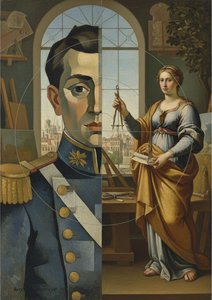
Roger de la Fresnaye: Cubism, Tradition & the Search for Order in Early 20th-Century French Painting
Explore the captivating world of Roger de la Fresnaye, a pivotal French Cubist painter. Discover his unique blend of tradition & modernity, influences, and lasting legacy with OriginalUniqueArt.

Maurice Quentin de La Tour: Light, Shadow & the Rococo Portrait
Explore the captivating world of Maurice Quentin de La Tour, a master of Rococo portraiture. Discover his innovative pastel techniques, intimate depictions of French aristocracy, and lasting artistic legacy. Learn more at OriginalUniqueArt.
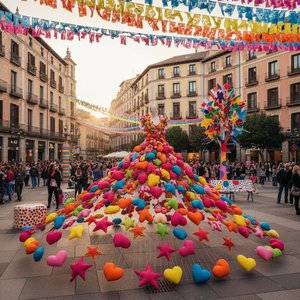
Águeda Ruiz de la Prada: A Study of Eclecticism & Emotional Resonance in Contemporary Spanish Painting
Discover the vibrant world of Ágatha Ruiz de la Prada, a leading figure in contemporary Spanish art. Explore her eclectic style, emotional depth & legacy – a must-read for discerning collectors.
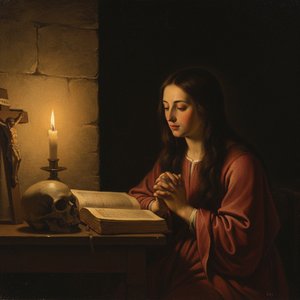
Georges de La Tour: Luminosity, Spirituality & Realism in Baroque Painting
Discover the captivating world of Georges de La Tour, a Baroque master renowned for his dramatic chiaroscuro & spiritual realism. Explore key works, influences, and his remarkable rediscovery. Learn more at OriginalUniqueArt.

