Zobraziť v interiéri
 Odoslať
 Zdieľať
 Podrobnosti
 Guide
Guide

 Stiahnuť
 Podobné položky
 RTG skúška
 Prehliadanie diapo\]
 Štatistiky
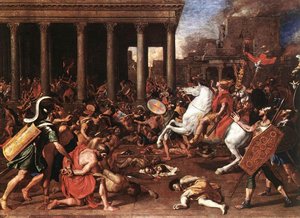
Votary of Bacchus

 Prečítať si viac
Ručne maľovaná olejová reprodukcia
Ručne maľovaný olej na plátne vo vašej zvolenej veľkosti a v ráme, vyrobený na mieru našimi umelcami. ( Prepnúť na tlač Prepnúť na digitálnu verziu obrazu)




P118B $10

P118H $10

P118W $10

P438Z $10

P508JH $12

P508YH $12

P805H $10

P805Z $10

P919BZ $10

P919G $10

P919XJ $10

P959ZH $10

P968JZ $12

W106C $8

W218G $10

W218JH $8

W218Y $10

W307PJ $10

W316G $10

W316PJ $8

W316Y $10

W398PJ $8

W4111J $10

W500HY $15

W500JH $15

W692G $12

W849H $8

W940BG $15

W953PJ $8




Vyberte si z našich preddefinovaných rozmerov, ktoré zodpovedajú pôvodným pomeroḿ diela.

Môžete zadať vlastné rozmery tak, aby sa hodili do konkrétneho rámu alebo priestoru. Ak sa váš zvolený rozmer nezhoduje s pôvodnými proporciami obrazu, dielo buď orezáme, alebo ho doplníme ručne maľovanými prvkami. Pred začiatkom výroby vám zašleme digitálny náhľad na schválenie.
Upozorňujeme, že ukážka na obrazovke neodráža skutočné orezanie ani doplnenie. Skutočnú finálnu kompozíciu zobrazuje iba digitálny náhľad.
Hoci sú k dispozícii vlastné rozmery, odporúčame vybrať rozmer z preddefinovaného zoznamu, aby sme zachovali pôvodné proporcie.
Po odoslaní objednávky vám tím OriginalUniqueArt.com pošle e-mail s pokynmi a poskytne náhľad na návrh
Celosvetová doprava () za 3 až 4 týždne namiesto štandardných 5 týždňov. (20 september). Bez kompromisov v kvalite.

Bezplatná expresná doprava po celom svete

Vysokokvalitné lnianske plátno

Úplné poistenie prepravy

Záruka vrátenia colného poplatku

Záruka presného farebného zhodnutia

100-dená politika vrátenia tovaru (iba pri vadách)

100% záruka vrátenia peňazí

Ponuka množstevnej zľavy
 Možnosť skla je dostupná len pri rozmeroch pod 110 cm

Votary of Bacchus
Spôsob reprodukcie
Veľkosť reprodukcie
-


Celková cena
$ 300
The Lady of Auxerre: A Silent Smile Across Time
The discovery of the Lady of Auxerre in 1907—a limestone sculpture unearthed from a Parisian storage vault—immediately captivated the public imagination, fueling speculation about its origins and artistic significance. This enigmatic Kore, dating back to approximately 650-625 BCE, stands as a testament to the Archaic Greek style, embodying an aesthetic that continues to fascinate scholars and artists alike. Found in Eleutherna and Gortyn, Crete, excavations conducted by Nikolaos Stampolidis have solidified its provenance and illuminated the broader artistic landscape of early Greece.- Provenance: The sculpture’s journey began in obscurity within a Parisian museum vault before being rediscovered in 1907, sparking considerable journalistic interest.
- Style: Representing an Archaic Greek masterpiece, the Lady embodies characteristics of Daedalic art—a style marked by meticulous modeling and incised ornamentation—reflecting influences from Minoan and Egyptian traditions.
- Technique: Crafted from limestone, the Lady showcases exceptional sculptural skill, demonstrating mastery of modeling and incising techniques. The surface is adorned with intricate spiral curls and geometric patterns—incised designs that contribute to the sculpture’s overall visual impact.
- Historical Context: Emerging from the Dark Age, Archaic Greek art represents a pivotal moment in European cultural history—a transition toward rational thought and artistic sophistication. The Lady’s presence serves as a tangible link to this formative era, inviting viewers to contemplate the enduring legacy of classical aesthetics.
Exploring Nicolas Poussin’s “Dancing Votary of Bacchus”
Nicolas Poussin's "Dancing Votary of Bacchus," completed around 1630-1635, stands as an exemplar of Baroque painting—characterized by dramatic lighting, dynamic composition, and meticulous attention to detail. This captivating artwork delves into themes of mythology, spirituality, and human emotion, capturing the essence of classical ideals within a vibrant visual language.- Composition: The painting’s circular frame draws viewers inward, emphasizing the central figure—a nude man holding a wine goblet—who embodies both physical grace and intellectual contemplation.
- Technique: Executed primarily in wash and brown ink over traces of black chalk, Poussin's technique demonstrates mastery of pigment blending and tonal gradation—essential elements for achieving realistic visual effects.
- Symbolism: The nude figure represents purity and vulnerability, while the wine goblet symbolizes divine inspiration and sensual pleasure. These symbolic elements converge to convey a profound meditation on human experience and the relationship between art and spirituality.
A Window Into Ancient Greece: The Significance of Archaic Sculpture
Archaic sculpture represents a transformative moment in European art history—a transition from stylized conventions toward rational thought and artistic realism. Figures like the Lady of Auxerre exemplify this burgeoning aesthetic, embodying ideals of feminine beauty and spiritual serenity while simultaneously reflecting influences from Minoan and Egyptian traditions.- Influence: Archaic sculpture drew inspiration from Minoan and Egyptian art—demonstrating the interconnectedness of cultural traditions across ancient Greece.
- Formal Characteristics: Archaic sculptures are characterized by stylized modeling and incised ornamentation—techniques that prioritize visual harmony and intellectual rigor over naturalistic representation.
The Enduring Legacy of Classical Aesthetics: Reflections on “Dancing Votary”
Nicolas Poussin's "Dancing Votary of Bacchus" stands as a cornerstone of Baroque painting—characterized by dramatic lighting, dynamic composition, and meticulous attention to detail. The artwork’s exploration of mythology, spirituality, and human emotion continues to resonate with audiences today—affirming its place as one of the most celebrated artworks of the seventeenth century.- Emotional Impact: The painting evokes feelings of serenity, contemplation, and wonder—reflecting the Baroque aesthetic's commitment to conveying profound emotional experiences through visual imagery.
- Interpretations: Scholars continue to debate “Dancing Votary”'s symbolism—examining its representation of femininity, spirituality, and human emotion through the lens of classical ideals.
Contemporary Appreciation: Why “The Lady of Auxerre” Still Matters Today
Despite its antiquity, The Lady of Auxerre retains an astonishing relevance in contemporary art discourse—inspiring artists and collectors alike with its profound contemplation of human experience and spiritual transcendence. Its serene expression—often termed “the archaic smile”—continues to captivate viewers—serving as a symbol of artistic excellence and intellectual rigor.- Influence on Modern Art: The Lady’s stylistic innovations—particularly her modeling techniques and incised ornamentation—have exerted an enduring influence on subsequent generations of artists—inspiring them to explore new visual languages while upholding classical aesthetic ideals.
- Symbolic Resonance: The Lady’s attire—a tubular dress embellished with brooches concealed beneath her hair—represents a fusion of Minoan and Egyptian stylistic elements—highlighting the interconnectedness of cultural traditions across ancient Greece.
Biografia umelca
Nicolas Poussin (1594–1665) – Francúzsky Klasicistický Majster
Nicolas Poussin, meno synonymické s majestátom francúzskeho barokového obrazu, bol však duša hlboko zakorenčená v talianskych pôvodných miestach počas väčšiny svojho umeleckého života. Narodil sa Les Andelys, Normandia, v júni 1594 a jeho skoré roky zostávajú pomerne zahalené v tajomstvách, napriek tomu však jednoznačne položili základy kariéry, ktorá sa stala hlavným hnacím činiteľom klasickej tradície v francúzskom umení. Krátko študoval v Paríži počas prvých rokov 1610., kde získal vplyv od menej známych umelcov tej doby, no jeho cesta do Ríma v roku 1624 skutočne rozjasnila jeho umelecké osudy. Nebolo to len geografické presunutie; bolo to ponorenie sa do srdca antikvitely, púť k zdrojnému zdroju inspirácie, ktorá definovala jeho estetický zrakový svet. Jeho prvšie pokúšky v maľbe boli poznačené smyslovým nádychom podobným venovaním majstrovstvu veneckých velikánov ako Titian, no už aj tieto skoré diela vykazovali náznak poriadku a intelektuálneho rozumu – predzvěstou štýlu, ktorý si tak maestrsky dokázal precítiť.Rímske Roky: Vytváranie Klasického Ideálu
Rím sa stal viac ako len dielňou Poussina; stal sa jeho intelektuálnym krúžkom. Znášal prostredie živého kruhu učených, archeológov a ďalších umelcov, medzi ktorých patrili Cassiano dal Pozzo, ktorého hlboké porozumenie klasickej antikvity zásadne ovplyvnilo postup umelca. Pozzoho zaviazalosť k dôslednému dokumentovaniu pozostatkov starovekého sveta vniesla do Poussina hlboký respekt pre historickú presnosť a želanie, aby jeho obrazy naplnené pocitom večnosti. Tento obdobie videlo odstupovanie od šialeného nadšení niektorých svojich súčasníkov; namiesto toho prijímal štýl charakterizovaný jasnosťou, vyvážením a dôsledným kladenie dôrazu na lineárnu kompozíciu. Precízne študoval práce Rafaela, absorboval ich harmonické usporiadanie a elegantné tvary, pričom súčasne získaval inspiráciu z antikvých sochových diel a literatúry – hlavne Ovidia *Metamoróz*.*Vplyvy a Štýlová Rozvíjajúca Sa
Poussin bol ovplyvnený mnohými významnými umelcami svojho času, ktorí zdieľali jeho klasicistické sklony. Najväčšími z nich boli Rafael a Titian, ktorých tvorba ho naučila vyjadrovať svoje umelecké hodnoty najlepšie možným spôsobom. Jeho štýl sa postupne vyvíjal od prvých smyslových zážitkov až po posledné klasické diela – čo dokazuje jeho nezlomnú disciplínu a odbornosť. Jeho tvorba získala široké uznanie medzi intelektuálmi svojho času, ktorí boli fascinovaní krásou klasickej estetiky. Jeho obrazárske techniky boli založené na znalosti kreslenia a perspektívy, ktoré si osvojil od najväčších majstrovstva svojej doby.Hlavné Úspechy a Klasická Tradícia
Najvýznamnejšími jeho umeleckými úspechom boli rozsiahle historické maľby zobrazujúce scény z Biblie, antiky a mytológie – ktoré sú charakterizované príjemným vyjadrením príbehu a dramatickou silou. Jeho obrazárske diela získali uznanie medzi najväčšími odborníkmi svojho času, ktorí boli ohromení jeho schopnosťami vyjadrovať svoje hodnoty najlepšie možným spôsobom. Jeho tvorba ovplyvnila ďalších významných umelcov, ktorí nasledovali jeho klasicistické smerovanie – čo dokazuje jeho nezlomnú disciplínu a odbornosť. Jeho hlavnými zdrojmi inspirácie boli Ovidia *Metamoróz* a Dante Alighieriho *Božská Komédia*, ktoré ho naučili vyjadrovať svoje hodnoty najlepšie možným spôsobom. Nicolas Poussin je považovaný za hlavného predstaviteľa klasickej francúzskej školy, ktorá ovplyvnila vývoj európského umenia až do súčasnosti. Jeho diela sú vystavené v mnohých svetových múzeách a získali uznanie medzi najväčšími odborníkmi svojho času – čo dokazuje jeho nezlomnú disciplínu a odbornosť. ## Klasická Tradícia V Francúzskom Umení Nicolas Poussin bol považovaný za hlavného predstaviteľa klasickej francúzskej školy, ktorá ovplyvnila vývoj európského umenia až do súčasnosti. Jeho diela sú vystavené v mnohých svetových múzeách a získali uznanie medzi najväčšími odborníkmi svojho času – čo dokazuje jeho nezlomnú disciplínu a odbornosť. Jeho hlavnými zdrojmi inspirácie boli Ovidia *Metamoróz* a Dante Alighieriho *Božská Komédia*, ktoré ho naučili vyjadrovať svoje hodnoty najlepšie možným spôsobom. Jeho štýl sa vyznačoval jasnosťou, vyvážením a dôsledným kladenie dôrazu na lineárnu kompozíciu – čo dokázalo jeho nezlomnú disciplínu a odbornosť. Jeho diela sú vystavené v mnohých svetových múzeách a získali uznanie medzi najväčšími odborníkmi svojho času – čo dokazuje jeho nezlomnú disciplínu a odbornosť.
Nicolas Poussin
1594 - 1665 , Francúzsko
Rýchle fakty
- Artistic Movement Or Style: Barok, Klasicizmus
- Artists Or Movements Influenced By This Artist:
- Jacques-Louis David
- Paul Cézanne
- Artists Who Influenced This Artist:
- Rafael
- Titian
- Date Of Birth: 1594
- Full Name: Nicolas Poussin
- Nationality: Francúzsky
- Notable Artworks:
- Smrť Germánika
- Sedem svätých
- Rímska cesta
- Place Of Birth: Les Andelys, Francúzsko
Súvisiace články

The Enduring Form: Sculpture Across History, Technique & Emotional Resonance
Explore the rich history of sculpture with OriginalUniqueArt. Discover key techniques, influential artists & investment potential for discerning collectors. Expert insights into valuing and collecting timeless masterpieces.

Top 10 Bronzových Sôch, ktoré Zmenili Umenie Navždy | OriginalUniqueArt
Objavte top 10 legendárnych bronzových sôch, ktoré zmenili umenie! Michelangelo, Rodin a ďalší majstri. História, techniky a nadčasová krása pre váš interiér. Reprodukcie múzejnej kvality na OriginalUniqueArt.com

Top 10 Bronzových Majstrovských Diel, ktoré Zmenili Umění Navždy | OriginalUniqueArt
Objavte top 10 legendárnych bronzových majstrovských diel, ktoré zmenili umenie navždy! Rodin, Michelangelo a ďalší. Prežite príbehy slávnych sôch a nájdite inšpiráciu pre váš interiér na OriginalUniqueArt.com.

The Enduring Allure of Marble in Art History: From Classical Sculpture to Modern Abstraction
Explore the captivating history of marble sculpture from ancient Greece to modern art. Discover renowned artists like Canova & Michelangelo, carving techniques, and investment insights at OriginalUniqueArt.

The Enduring Form: Exploring Themes & Techniques in Sculpture Across Historical Periods
Explore the rich history of sculpture from ancient masterpieces to contemporary innovations. Discover key techniques, influential artists & investment potential for discerning art collectors.