

 Náhľad v interiéri
 Odoslať ako digitálnu kartu
 Zdieľať
 Podrobnosti o dielo
 Príručka

 Stiahnuť obraz
 Podobné položky
 RTG skúška
 Prehliadanie diapozoje
 Štatistiky
Le Moulinet
 Acrylic On Canvas
- WallArt
- Rococo
 129.0 x 95.0 cm
 Schloss Charlottenburg
 Zobraziť viac
Ručne maľovaná olejová reprodukcia
Ručne maľovaný olej na plátne vo vašej zvolenej veľkosti a v ráme, vyrobený na mieru našimi umelcami. ( Prepnúť na tlač Prepnúť na digitálny obraz)




P118B €10

P118H €10

P118W €10

P438Z €10

P508JH €12

P508YH €12

P805H €10

P805Z €10

P919BZ €10

P919G €10

P919XJ €10

P959ZH €10

P968JZ €12

W106C €8

W218G €10

W218JH €8

W218Y €10

W307PJ €10

W316G €10

W316PJ €8

W316Y €10

W398PJ €8

W4111J €10

W500HY €15

W500JH €15

W692G €12

W849H €8

W940BG €15

W953PJ €8




Vyberte si z našich preddefinovaných rozmerov, ktoré zodpovedajú pôvodným pomeroḿ diela.

Zadajte šírku a výšku, ktoré potrebujete, aby sa dielo hodilo k vášmu rámu alebo stene. Keďže ide o ručnú maľbu, pri rozmeroch s odlišným pomerom strán môže umelec namalovať o niečo viac okolo obrázka alebo ho mierne orezatú — výber patrí vám. Pred začatím maľovania vám pošleme digitálnu ukážku na schválenie. Obrázok zobrazený na tejto stránke nenahrádza reálny výsledok — ten zobrazuje iba digitálna ukážka.
Po odoslaní objednávky vám tím OriginalUniqueArt.com pošle e-mail s pokynmi a poskytne náhľad na návrh
Celosvetová doprava () za 3 až 4 týždne namiesto štandardných 5 týždňov. (28 október). Bez kompromisov v kvalite.

Bezplatná expresná doprava po celom svete

Vysokokvalitné lnianske plátno

Kompletné poistenie prepravy

Záruka vrátenia colného poplatku

Záruka presného farebného zhodnutia

100-dená politika vrátenia tovaru (iba pri vadách)

100% záruka vrátenia peňazí

Zľava pri väčšom množstve
 Možnosť skla je dostupná len pri rozmeroch pod 110 cm

Le Moulinet
Technika reprodukcie
Veľkosť reprodukcie
-


Celková cena
€ 462
Nicolas Lancret: A Life in Rococo Charm
Nicolas Lancret’s artistic journey began in Paris, where he was born in 1690. While detailed records of his early life are scarce, it is known that he received initial training under Pierre d’Ulin, a respected history painter. A pivotal moment arrived when he encountered the work of Antoine Watteau, whose influence profoundly shaped Lancret's artistic direction. He subsequently studied with Jean-Baptiste Gillot, who himself had been a student of Watteau, further solidifying his connection to this influential artistic lineage. This period of training laid the foundation for Lancret’s distinctive style, characterized by its lighthearted depictions of Parisian society and celebrations of *fêtes galantes*. Lancret became renowned as a brilliant portrayer of everyday life within French society during the regency of the Duke of Orleans and, later, early reign of King Louis XV. His canvases captured fleeting moments of aristocratic leisure—elegant gatherings in gardens, lively balls adorned with flowers and ribbons, and picnics amidst picturesque landscapes—reflecting the prevailing aesthetic sensibilities of the era. Unlike Watteau’s melancholic visions of Venetian fantasies, Lancret embraced a joyous optimism, imbuing his scenes with warmth and vibrancy. This stylistic divergence stemmed from Lancret's formative encounter with Gillot, who had championed Watteau's expressive approach to painting, resulting in a style that prioritized visual delight and harmonious composition.- Style: Rococo – Lancret’s oeuvre embodies the hallmark characteristics of Rococo art: delicate ornamentation, pastel hues, asymmetrical arrangements, and an emphasis on illusionistic effects. He skillfully employed techniques like *sfumato* to soften contours and create atmospheric depth, mirroring Watteau's masterful manipulation of light and shadow.
- Technique: Lancret excelled in oil painting on canvas, utilizing a loose brushstroke style that prioritized capturing the ephemeral beauty of his subjects. His meticulous attention to detail—particularly in rendering fabrics and floral decorations—demonstrated a mastery of artistic craftmanship.
- Historical Context: Lancret’s paintings flourished during a period marked by opulent court life and aristocratic patronage. The Château de Versailles served as a crucible for artistic innovation, fostering collaborations between artists like Jean Petitot the Elder and Louis Paradis de la Roche, who contributed to Vaux le Vicomte's artistic landscape.
- Symbolism: Lancret’s compositions frequently incorporated symbolic elements—such as statues of nude figures representing classical ideals—to convey moral lessons and elevate the viewer’s experience. The depiction of flowers and foliage served as emblems of fertility, beauty, and springtime, reflecting the Rococo fascination with nature's rejuvenating power.
- Emotional Impact: Lancret’s works evoke a sense of carefree elegance and sensual pleasure, transporting viewers to idealized worlds of aristocratic indulgence. His paintings capture not merely visual splendor but also the emotional resonance of social rituals and celebrations—a testament to his ability to communicate profound feelings through subtle artistic gestures.
Le Moulinet: A Masterpiece of Rococo Illusionism
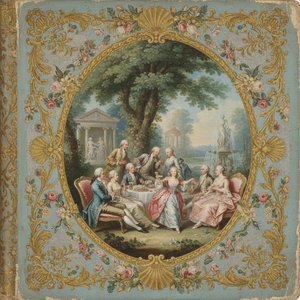
“Le Moulinet,” or “The Reel,” exemplifies Lancret’s signature style—a breathtaking depiction of a Parisian fête galante bathed in dappled sunlight. Executed with remarkable precision and infused with an irresistible charm, this oil painting captures the essence of Rococo artistry: delicate ornamentation, pastel hues, asymmetrical arrangements, and masterful illusionistic effects. The scene unfolds within a formal garden setting, populated by elegantly dressed aristocrats engaged in leisurely pursuits—dancing, conversing, and admiring a magnificent statue of Venus. Lancret’s skillful use of *sfumato* creates an ethereal atmosphere, blurring boundaries between reality and fantasy and immersing the viewer in a world of refined beauty.Detailed Analysis: Composition & Technique
Lancret's compositional brilliance is evident in the layering of planes and perspectives—a technique characteristic of Watteau’s influence—that draws the eye into the heart of the scene. The central group of dancers occupies a prominent position, framed by towering trees whose branches cast intricate shadows across the lawn. Lancret’s meticulous brushwork captures the textures of fabrics—silk gowns shimmering with sequins and embroidery—and floral decorations—bouquets overflowing with roses and lilies—adding to the painting's opulent sensory experience. The artist’s masterful blending of colors—primarily soft blues, pinks, and golds—creates a harmonious palette that enhances the overall mood of tranquility and delight.Beyond the Canvas: Lancret’s Legacy
Nicolas Lancret remains celebrated as one of France's foremost Rococo painters, whose works continue to inspire admiration for their elegance, artistry, and evocative portrayal of aristocratic life. His influence extended beyond his own time, foreshadowing the stylistic innovations of artists like Jean-Honoré Fragonard and Thomas Gainsborough—a testament to Lancret’s enduring contribution to European art history. The Château de Versailles, where Lancret adorned several halls with monumental paintings, stands as a tangible reminder of his artistic prowess and the grandeur of Louis XIV's reign. Explore Vaux le Vicomte’s artistic landscape and discover Jean Petitot the Elder, Louis Paradis de la Roche, and Jean-Baptiste Boulard’s contributions to Vaux le Vicomte's artistic landscape.Otázky a odpovede
Sú farby v díle „Le Moulinet“ od Nicolas Lancret sýte alebo tlmené?
Farby diela „Le Moulinet“ od Nicolas Lancret majú Muted saturáciu. Saturácia určuje, ako sú farby živé alebo tlmené.
Do ktorého obdobia tvorby Nicolas Lancret patrí dielo „Le Moulinet“?
"Le Moulinet" predstavuje Mature Period umelca Nicolas Lancret.
Akú atmosféru vyžaruje dielo „Le Moulinet“?
„Le Moulinet“ od Nicolas Lancret má v nálade charakterizovanú ako Elegant. Táto klasifikácia môže pomôcť pri vhodnom umiestnení diela.
Biografia umelca
Nicolas Lancret: Zrkadlo Života a Šarmu v Rokokovom Štýle
Nicolas Lancret, narodený v Paríži v roku 1690 a zomrelý tam v roku 1743, je dnes uznávaný ako jeden z najvýraznejších predstaviteľov francúzskeho rokoka. Jeho meno sa spája s obrazmi plnými ľahkosti, elegancie a živých detailov zachytávajúcich každodenný život v období regentstva vojvodu z Orleánu a na začiatku vlády kráľa Ľudvíka XV. Lancretova tvorba je oslavou spoločenského života, tanca, hier a radostí, ktoré charakterizovali túto éru francúzskej histórie. Jeho umenie nám umožňuje nahliadnuť do sveta plného šarmu a frivolnosti, kde sa stretáva aristokracia s obyčajnými ľuďmi v atmosfére zábavy a spoločenských udalostí.Rané Údolie a Vzdelávanie
Lancretova umelecká cesta začala v Paríži, jeho rodnom meste. Hoci sú podrobné záznamy o jeho skorom živote skôr chudobné, vieme, že svoje prvé lekcie získal pod vedením Pierra d’Ulina, rešpektovaného maliara histórie. Zlomovým bodom v jeho umeleckej kariére bolo stretnutie s dielom Antoina Watteaua, ktorého vplyv hlboko ovplyvnil Lancretov smer vývoja. Neskôr študoval u Jeana-Baptiste Gillota, ktorý sám bol žiakom Watteaua, čím sa jeho spojenie s touto vplyvnou umeleckou líniou ešte viac spevnilo. Táto etapa vzdelávania položila základy pre Lancretov charakteristický štýl, vyznačujúci sa ľahkomyselnými zobrazeniami parížskej spoločnosti a oslavami *fêtes galantes* – elegantných slávností a piknikov v prírode.Umelecký Štýl a Významné Diela
Lancret si rýchlo získal povesť brilantného portrétistu každodenného života vo francúzskej spoločnosti. Jeho obrazy sú plné sciem z plese, jarmokov, vesničných svadieb a iných spoločenských zhromaždení, ktoré odrážajú vkus a mravy jeho doby. Vynikal v zachytávaní ducha rokoka – elegancie a ľahkovážnosti. Medzi jeho najznámejšie diela patrí *Le Déjeuner de Jambon* (1735), uložené v Musée Condé v Chantilly, ktoré je typickým príkladom jeho žánrových scén zobrazujúcich veselú raňajku s klobásou a živými postavami. *La Servante Justifiée* (1735-1740) ukazuje Lancretovu schopnosť portrétovať domáce scény s humorom a šarmom. Ďalším pozoruhodným dielom je *Le Jeu des Quatre-Coins*, hravé zobrazenie populárnej hry, ktoré zachytáva energiu a zábavu spoločenského kontaktu. A napokon, *Marie-Anne de Camargo* (1730) demonštruje jeho majstrovstvo v portrétovaní módnych osobností.Vplyvy a Odbzorníci
Lancretov umelecký štýl je nepopierateľne ovplyvnený Watteauom, čo často vedie umelohistorikov k porovnávaniu týchto dvoch majstrov. Hoci sa niekedy uvádza, že Lancretove práce sú o niečo menej hlboké ako tie Watteaua, jeho schopnosť zachytiť podstatou francúzskej spoločnosti v 18. storočí mu zabezpečila významné miesto v dejinách umenia. Jeho obrazy sú oslavované pre ich ľahkovážnosť a šarm, ponúkajúce cenné poznatky o sociálnych zvyklostiach a estetike rokoka. Vplyv Lancreta je viditeľný aj u neskorších umelcov ako François Boucher. Jeho diela sa nachádzajú v prestížnych zbierkach po celom svete, vrátane Národnej galérie a Musée d'Orsay, čím zabezpečuje pokračujúcu inšpiráciu pre ocenenie francúzskeho rokoka.Vývoj a Historický Význam
Počas svojej kariéry Lancret demonštroval postupný vývoj svojho umeleckého prístupu. Hoci bol spočiatku silne ovplyvnený Watteauom, vyvinul si charakteristickejší štýl vyznačujúci sa živšími farbami a väčšou harmóniou medzi postavami a ich okolím. Jeho neskoršie práce, ako *Montreir de lanterne magique* a *Family in a Garden*, sú považované za vrchol jeho umeleckého úspechu, ukazujúc rastúcu schopnosť vytvárať hĺbku a intímnosť v jeho kompozíciách. Lancretov historický význam spočíva v jeho príspevku k rokoko a v jeho schopnosti dokumentovať spoločenský život a kultúrne hodnoty 18. storočia prostredníctvom svojich očarujúcich a prístupných obrazov.
Nicolas Lancret
1690 - 1743 , Francúzsko
Základné informácie
- Artistic Movement Or Style: Rokoko
- Artists Or Movements Influenced By This Artist: ['François Boucher']
- Artists Who Influenced This Artist:
- Pierre d’Ulin
- Jean-Baptiste Gillot
- Antoine Watteau
- Date Of Birth: 22. január 1690
- Date Of Death: 14. september 1743
- Full Name: Nicolas Lancret
- Nationality: Francúzska
- Notable Artworks:
- Le déjeuner de jambon
- La servante justifiée
- Le jeu des quatre-coins
- Marie-Anne de Camargo
- Place Of Birth: Paríž, Francúzsko
Súvisiace články

Top 10 majstrovských diel rokokového umenia pre váš domov | OriginalUniqueArt.com
Ponorte sa do sveta rokokového umenia! Objavte top 10 majstrovských diel od Watteaua, Bouchera a ďalších. Luxusné reprodukcie obrazov pre váš domov na OriginalUniqueArt.com – inšpirujte sa pastelovými farbami a elegantnou výzdobou.

Illuminating the Enlightenment: A Comprehensive Exploration of 18th-Century Painting
Explore the captivating world of 18th-century painting! Discover Rococo's playful elegance & Neoclassicism’s Enlightenment ideals with expert insights into Fragonard, David, and more. A comprehensive guide for art enthusiasts.

The Rococo Aesthetic: Opulence, Rebellion & the Pursuit of Pleasure in 18th-Century Art
Explore the opulent world of Rococo art! Discover its origins, key artists like Watteau & Boucher, and lasting influence on design. Expert insights for collectors & enthusiasts.

The Elegance of Rococo: A Journey Through Pastel Dreams and Ornate Splendor
Embark on an elegant journey through the Rococo era. Discover the delicate beauty of pastel masterpieces, the intricate artistry of 18th-century French masters, and how this era of ornate splendor continues to inspire timeless luxury in fine art collecting.
The Rococo Style: Aristocratic Leisure & the Pursuit of Delight in 18th-Century Art
Explore the opulent world of Rococo art! Discover Watteau, Boucher & Nattier's masterpieces. Expert insights for collectors seeking museum-quality reproductions and custom portraits at OriginalUniqueArt.

