- Domov

- Digitálny obraz
- narcis kantardžić
- Landscape
 Preview
 Kúpiť tlač Objednať reprodukciu
 Odoslať
 Zdieľať
 Podrobnosti o dielo
 Pridať do obľúbených

 Stiahnuť
 Podobné diela
 RTG skúška
 Prezentácia
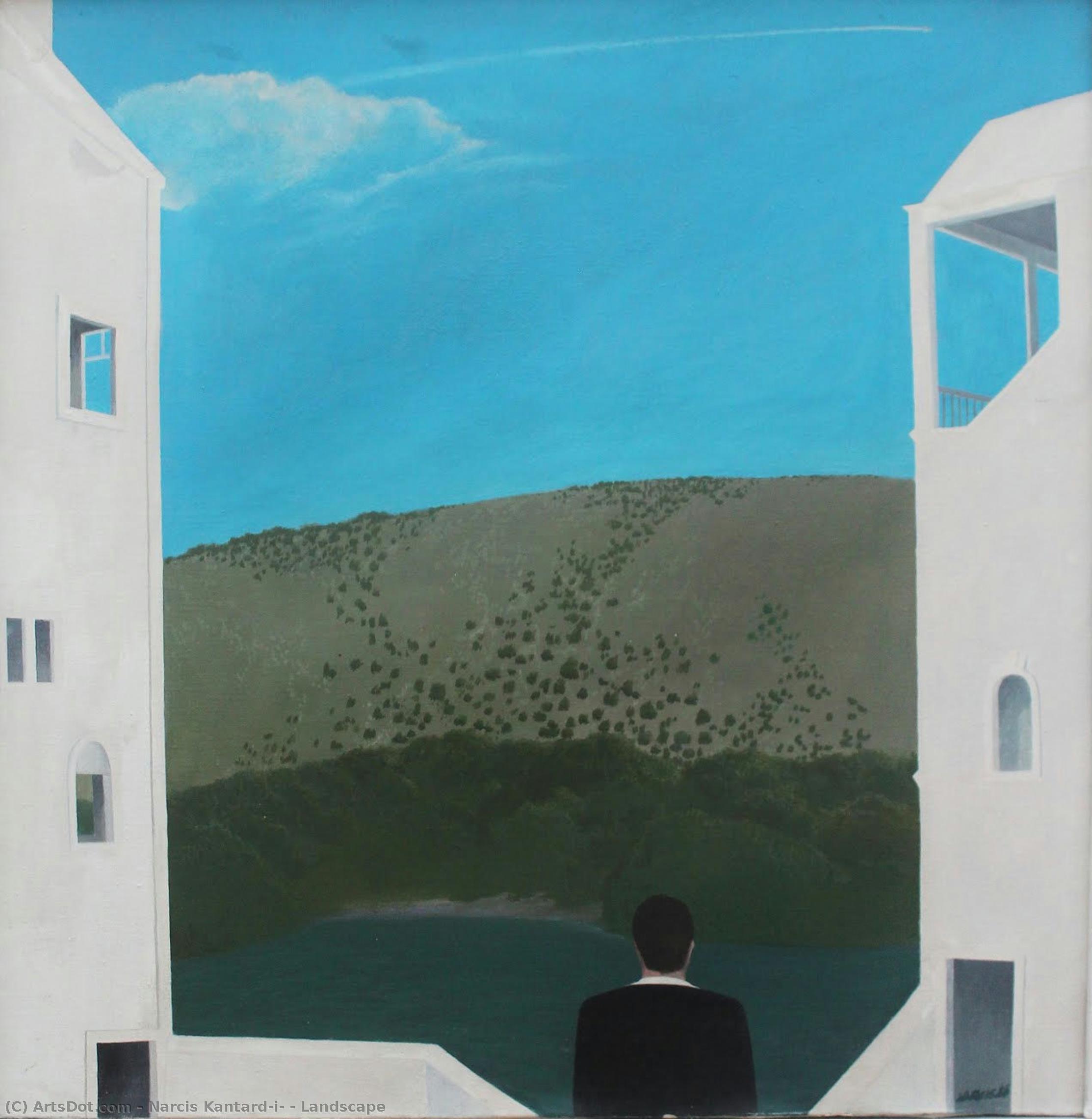
Landscape
 Oil On Canvas
- WallArt
- Pop Art
 1986
1986- Renaissance
 50.0 x 50.0 cm
 Národná galéria Bosny a Hercegoviny
 Zobraziť viac
Kúpte si digitálnu snímku vo vysokom rozlíšení s vylepšenými detailmi, ktorá je oveľa kvalitnejšia než online náhľad.
Každý súbor starostlivo pripravujú naši interní špecialisti pomocou pokročilých nástrojov a odborného manuálneho retušovania. Zabezpečujeme, aby každý obrázok disponoval výnimočnou čistotou, presnou farebnou vernosťou a jemnými detailmi.
Konečný súbor vám bude doručený e-mailom do 72 hodín, optimalizovaný pre okamžité použitie v profesionálnom, redakčnom aj tlačovom prostredí. Ide o rovnakú kvalitu, ktorej dôverajú špičkové dizajnérske štúdiá, vydavateľstvá a galérie.
Digitálny obraz
Stiahnite si vysokorozlíšený súbor na osobné zobrazovanie, tlačenie a kreatívne projekty.
Súčasťou každej objednávky digitálneho obrazu
Expetórne digitálne doručenie, garantované
Keď si vyberiete OriginalUniqueArt.com, nedostávate len obrázok – získate profesionálne upravené digitálne umenie, vytvorené s precíznosťou a so zárukou vašej maximálnej spokojnosti. Tu je všetko, čo je súčasťou vašej objednávky automaticky:

Rýchle doručenie e-mailom
Vaša vysokorozlíšená digitálna súprava obrázkov vám bude zaslaná e-mailom do 72 hodín od objednávky – pripravená na okamžité použitie.

Digitálny súbor s vylepšením AI
Vaše dielo je profesionálne optimalizované pomocou pokročilých nástrojov umelej inteligencie a manuálnej editácie, čo zaručuje maximálnu úroveň detailov, čistotu a presnosť farieb.

Bezplatné celoživotné opätovné doručenie
Náhodou ste zmazali alebo ste stratili svoj súbor? Nebavžte sa – pošleme vám ho kedykoľvek znova, úplne bez poplatkov.

Bez poplatkov za dovoz – navždy
Užite si svoje umelodelo okamžite bez colných poplatkov, daní alebo nákladov na dopravu – digitálne stiahnutia sú vždy oslobodené od dane.

Garantovaná presnosť farieb
Pomocou profesionálnych nástrojov a farebného manažmentu zabezpečujeme, aby vaša digitálna fotografia čo najpresnejšie odrážala pôvodné farby.

60-dňová záruka spokojnosti
Ak nebudete spokojní so svojou digitálnou fotografiou, upravíme ju alebo vám vrátime 100% v priebehu 60 dní – bez zbytočných otázok.

100% Záruka vrátenia peňazí
Nie ste spokojní? Získajte plnú náhradu peňazí do 60 dní od prijatia vášho digitálneho súboru – bez zbytočných otázok.

Zľavy pri veľkom odbere
Kúpte si 3 obrazy, ušetrite 10% - Kúpte si 5, ušetrite 15% - Kúpte si 10+, ušetrite 20%. Ideálne pre kreatívne projekty, galérie a agentúry.
Popis zberateľského predmetu
Narcis Kantardžić’s ‘Landscape’: A Moment of Contemplative Wonder
This evocative landscape painting by Narcis Kantardžić, created in 1986, immediately draws the viewer into a scene brimming with quiet contemplation and subtle beauty. The artwork depicts a solitary figure standing on a dramatic cliff edge, gazing out over a vast expanse of water beneath a sky painted with delicate clouds. It’s a composition that speaks to the timeless human desire for connection – with nature, with oneself, and perhaps, with something beyond.
- Subject Matter: The central focus is undeniably the lone figure, rendered with a sensitivity that suggests both vulnerability and resilience. His posture, seemingly lost in observation, invites us to share his moment of quiet reflection.
- Setting: Kantardžić masterfully utilizes the landscape as more than just a backdrop; it’s an active participant in the scene's emotional narrative. The cliff face, the body of water, and the expansive sky all contribute to a sense of scale and grandeur, emphasizing the insignificance – and yet, the profound importance – of the individual within this vast world.
Technique and Materiality: An Oil on Canvas Masterpiece
Executed in oil on canvas, ‘Landscape’ showcases Kantardžić's skillful command of texture and light. The brushwork is evident yet controlled, creating a rich surface that captures the nuances of both the natural elements and the human form. The use of impasto – thick application of paint – particularly noticeable in the cliff face, adds depth and physicality to the scene, grounding the viewer in the tangible reality of the landscape. The color palette, dominated by blues and greys with subtle highlights, evokes a sense of atmospheric perspective, enhancing the painting’s three-dimensional quality.
Symbolism and Narrative Resonance
Beyond its immediate visual appeal, ‘Landscape’ is rich in symbolic potential. The boat on the water below represents human endeavor and connection to the world, while the birds soaring overhead symbolize freedom and aspiration. The solitary figure's stance suggests a yearning for understanding or perhaps a search for meaning within the immensity of nature. The cloudy sky adds an element of mystery and uncertainty, mirroring the complexities of the human condition.
Historical Context and Artistic Influence
Created in 1986, this work reflects a broader trend in landscape painting – a return to representational realism combined with a heightened awareness of atmosphere and emotion. While Kantardžić’s style isn't overtly tied to any specific movement, it shares affinities with the Romantic tradition’s emphasis on sublime landscapes and the individual’s relationship with nature. The piece’s quiet intensity and contemplative mood resonate with a desire for introspection that was increasingly prevalent in art during this period.
Životopis umelca
Keith Haring: A Revolutionary Voice in Pop Art
Born on May 4, 1958, in Reading, Pennsylvania, and raised in the quiet town of Kutztown, Keith Allen Haring’s artistic journey began not with formal training but with a profound connection to the vibrant energy of New York City. From an early age, he possessed an innate ability to draw, nurtured by his father's cartooning skills and fueled by the iconic imagery of childhood favorites like Dr. Seuss and Walt Disney. This foundational talent would blossom into a uniquely recognizable style that irrevocably altered the landscape of pop art in the 1980s.
Haring’s early years were marked by a restless spirit, leading him to hitchhike across America, immersing himself in counter-culture movements and experimenting with various artistic mediums. It was during this period that he encountered graffiti—a raw, democratic art form expressed directly on public spaces—which profoundly influenced his approach to visual communication. He recognized its power to bypass traditional gallery systems and speak directly to a wider audience. This fascination with street art became a cornerstone of his developing style, informing the spontaneous lines and bold figures that would characterize his work.
The Subway Drawings and Rise to Prominence
Moving to New York City in 1978, Haring enrolled at the School of Visual Arts, initially intending to pursue a career as a commercial graphic artist. However, he quickly realized this path wasn’t for him. Instead, he found himself drawn to the burgeoning alternative art scene thriving outside the established gallery system—a world populated by musicians, performance artists, and graffiti writers. It was in these underground spaces that Haring truly began to develop his distinctive style.
His breakthrough came with the creation of hundreds of chalk drawings on the blank advertising panels lining the New York City subway system between 1980 and 1985. These “subway drawings,” as he called them, were characterized by their energetic lines, simple figures—often depicting dancing stick figures, dogs, and stars—and a vibrant, optimistic palette. They quickly gained a devoted following among commuters, transforming the subway into an impromptu gallery and establishing Haring’s reputation as a fresh and exciting voice in the art world. The drawings weren't merely doodles; they were carefully considered compositions reflecting themes of joy, connection, and social awareness.
Themes and Social Commentary
Following his success on the subway, Haring transitioned to larger-scale murals and public artworks, often commissioned by hospitals, schools, and community centers. These works reflected a growing concern with social issues, particularly AIDS awareness and anti-drug campaigns. His iconic image “Crack is Wack,” created in 1986, powerfully confronted the devastating effects of crack cocaine addiction, utilizing his signature style to deliver a stark and urgent message.
Throughout the late 1980s and early 1990s, Haring continued to explore themes of sexuality, homosexuality, and apartheid through his art. His work was deeply intertwined with the AIDS crisis, reflecting both personal loss and a commitment to raising awareness about the disease. He used his distinctive iconography—stars, dancing figures, and snakes—to advocate for safe sex practices and challenge societal prejudices. His art wasn't simply decorative; it was an active engagement with pressing social issues.
Legacy and Recognition
Keith Haring’s untimely death from AIDS-related complications on February 16, 1990, at the age of 31, left a profound void in the art world. However, his legacy continues to thrive through the Keith Haring Foundation, established shortly after his death to support arts education and HIV/AIDS awareness programs. His work has been exhibited worldwide, including retrospectives at the Whitney Museum of American Art and numerous international biennials.
Haring’s influence extends far beyond the realm of fine art. His accessible style, vibrant colors, and socially conscious themes resonated deeply with a broad audience, making him one of the most recognizable and beloved artists of his generation. He demonstrated that art could be both visually engaging and profoundly meaningful, leaving an indelible mark on pop culture and inspiring countless artists to use their creativity as a tool for social change. His work remains a testament to the power of art to connect, provoke, and uplift.
narcis kantardžić
1958 -

