
 Náhľad
 Odoslať
 Zdieľať
 Podrobnosti o dielo

 Stiahnuť
 Podobné diela
 RTG skúška
 Prezentácia
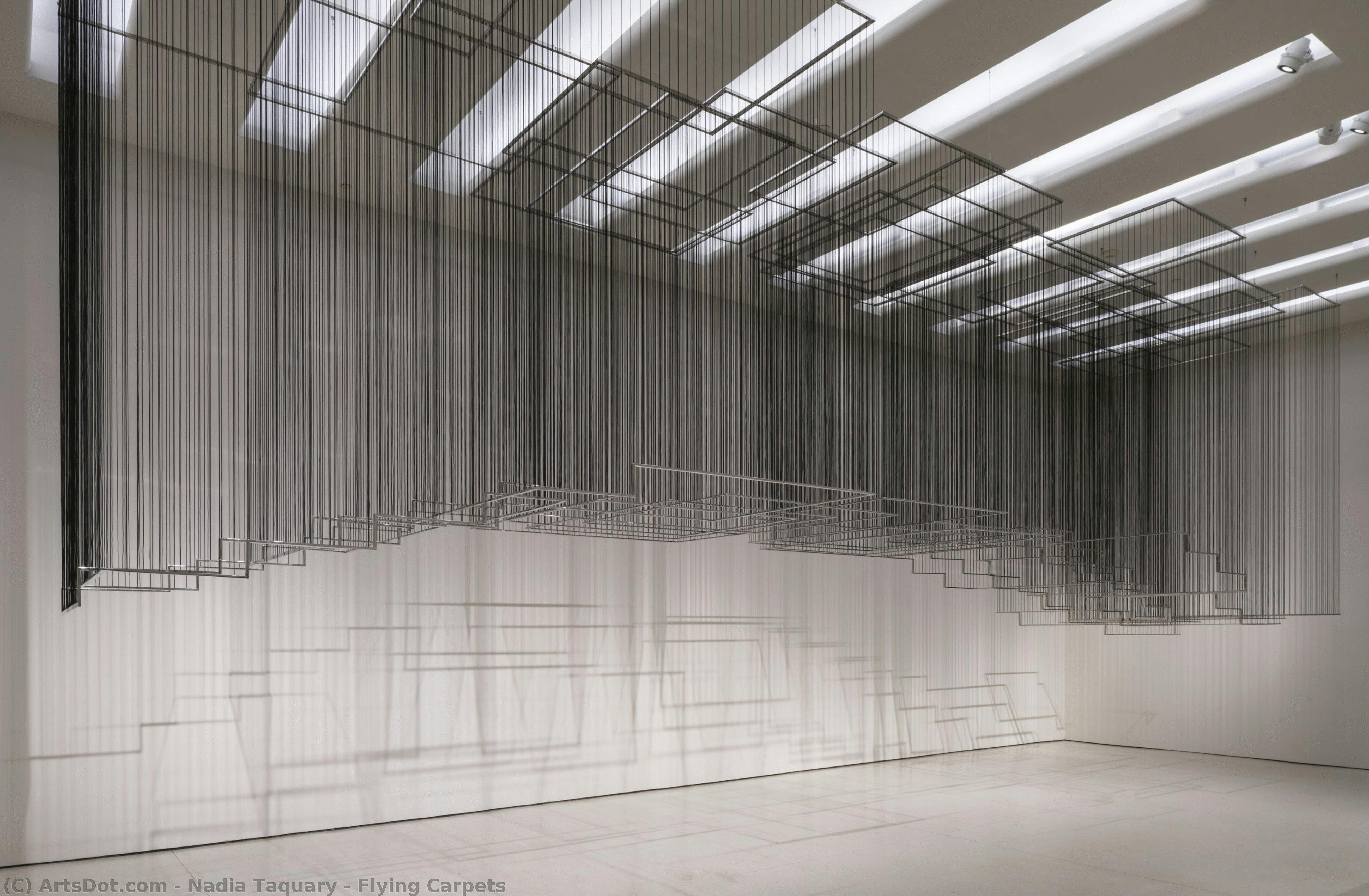
Flying Carpets

 Zobraziť viac
Kúpte si digitálnu snímku vo vysokom rozlíšení s vylepšenými detailmi, ktorá je oveľa kvalitnejšia než online náhľad.
Každý súbor starostlivo pripravujú naši interní špecialisti pomocou pokročilých nástrojov a odborného manuálneho retušovania. Zabezpečujeme, aby každý obrázok disponoval výnimočnou čistotou, presnou farebnou vernosťou a jemnými detailmi.
Konečný súbor vám bude doručený e-mailom do 72 hodín, optimalizovaný pre okamžité použitie v profesionálnom, redakčnom aj tlačovom prostredí. Ide o rovnakú kvalitu, ktorej dôverajú špičkové dizajnérske štúdiá, vydavateľstvá a galérie.
Digitálny obraz
Stiahnite si vysokorozlíšený súbor na osobné zobrazovanie, tlačenie a kreatívne projekty. ( Kúpiť tlač Kúpiť ručne maľovaný obraz)
Súčasťou každej objednávky digitálneho obrazu
Expetórne digitálne doručenie, garantované
Keď si vyberiete OriginalUniqueArt.com, nedostávate len obrázok – získate profesionálne upravené digitálne umenie, vytvorené s precíznosťou a so zárukou vašej maximálnej spokojnosti. Tu je všetko, čo je súčasťou vašej objednávky automaticky:

Rýchle doručenie e-mailom
Vaša vysokorozlíšená digitálna súprava obrázkov vám bude zaslaná e-mailom do 72 hodín od objednávky – pripravená na okamžité použitie.

Digitálny súbor s vylepšením AI
Vaše dielo je profesionálne optimalizované pomocou pokročilých nástrojov umelej inteligencie a manuálnej editácie, čo zaručuje maximálnu úroveň detailov, čistotu a presnosť farieb.

Bezplatné celoživotné opätovné doručenie
Náhodou ste zmazali alebo ste stratili svoj súbor? Nebavžte sa – pošleme vám ho kedykoľvek znova, úplne bez poplatkov.

Bez poplatkov za dovoz – navždy
Užite si svoje umelodelo okamžite bez colných poplatkov, daní alebo nákladov na dopravu – digitálne stiahnutia sú vždy oslobodené od dane.

Garantovaná presnosť farieb
Pomocou profesionálnych nástrojov a farebného manažmentu zabezpečujeme, aby vaša digitálna fotografia čo najpresnejšie odrážala pôvodné farby.

60-dňová záruka spokojnosti
Ak nebudete spokojní so svojou digitálnou fotografiou, upravíme ju alebo vám vrátime 100% v priebehu 60 dní – bez zbytočných otázok.

100% Záruka vrátenia peňazí
Nie ste spokojní? Získajte plnú náhradu peňazí do 60 dní od prijatia vášho digitálneho súboru – bez zbytočných otázok.

Zľavy pri veľkom odbere
Kúpte si 3 obrazy, ušetrite 10% - Kúpte si 5, ušetrite 15% - Kúpte si 10+, ušetrite 20%. Ideálne pre kreatívne projekty, galérie a agentúry.
Popis zberateľského predmetu
Životopis umelca
Nádia Taquary: Echoes of the Sacred and Ancestral
Born in Salvador, Brazil, in 1967, Nádia Taquary’s artistic journey is deeply rooted in her Afro-Brazilian heritage. Her upbringing within Bahia, a region pulsating with the legacy of African traditions and colonial history, profoundly shaped her creative vision. Initially pursuing studies in literature and education – a seemingly disparate path that ultimately converged to inform her unique approach – Taquary's artistic practice emerged from a profound engagement with the sacred, ancestral narratives, and the enduring strength of Black women within Brazilian culture.
Taquary’s formal training included a postgraduate degree in Education, Aesthetics, Semiotics, and Culture from the Universidade Federal da Bahia (UFBA), providing her with a sophisticated theoretical framework for exploring the complex intersections of identity, religion, and artistic expression. This academic grounding, combined with her lived experience within Salvador's vibrant cultural landscape—a city renowned for its rich Afro-Brazilian traditions, including Candomblé religion and the legacy of enslaved Africans—forms the bedrock of her work.
The Language of Form: Materials and Symbolism
Taquary’s artistic language is characterized by a deliberate and evocative use of materials. She frequently employs bronze casting, drawing upon ancient African metalworking techniques while simultaneously imbuing her sculptures with a contemporary sensibility. Alongside bronze, she incorporates elements such as gold, silver, shells, straw, beads, and repurposed wood – often salvaged from demolished colonial structures—each carrying layers of historical and cultural significance. These materials aren’t merely chosen for their aesthetic qualities; they are carefully selected to resonate with the narratives she seeks to convey.
Central to Taquary's work is a deep engagement with symbolism, particularly that derived from Afro-Brazilian religious traditions, specifically Candomblé. She frequently references *orixás* – the deities of Yoruba origin—and their associated iconography. Her sculptures often depict these divine figures in dynamic poses, imbued with power and grace, while simultaneously referencing traditional adornments like *balangandãs*, elaborate waist ornaments worn by Black women during the colonial period. These pieces served as symbols of strength, fertility, and spiritual connection, reflecting the agency and resilience of enslaved African women.
Exploring Afro-Brazilian Heritage & Ancestral Connections
Taquary’s artistic exploration extends beyond mere representation; it's a deliberate act of reclamation and reinterpretation. Her work seeks to honor the often-silenced histories of Black women within Brazilian society, highlighting their pivotal roles in shaping religious traditions, preserving cultural knowledge, and maintaining spiritual connections to ancestral roots. She investigates the complex interplay between African cosmology and Brazilian syncretism, revealing how these diverse influences have converged to create a uniquely vibrant artistic and spiritual landscape.
Influenced by her family’s heritage—specifically the jewelry inherited from her grandmother—Taquary began researching the history of Afro-Brazilian adornments. This research led her to delve into the semiotics of West African and Brazilian religious culture, as well as Diaspora aesthetics, agency, and *orixá* legends. Her work speaks to a profound understanding of cultural memory, challenging colonial narratives and celebrating the enduring strength of Black identity.
Recognition & Legacy
Nádia Taquary’s artistic vision has garnered significant recognition both within Brazil and internationally. Her works have been exhibited in prestigious galleries and museums such as Galeria Leme and Galerie Agnès Monplaisir, solidifying her position as a leading voice in contemporary Afro-Brazilian art. Notably, her pieces are permanently held in the collections of institutions like the Museum of Modern Art of Bahia (MAM-BA), the Pinacoteca de São Paulo, Pérez Art Museum Miami – PAAM, and the Rio Art Museum – MAR, demonstrating the enduring value and impact of her artistic contributions.
Recent exhibitions further underscore Taquary’s continued engagement with her subject matter. She was featured in the 24th Sydney Biennial (2024), presented a solo exhibition “Ònà Irin: caminho de ferro” at the Rio Art Museum (MAR) in 2024, and continues to be recognized for her powerful exploration of Afro-Brazilian sacred traditions and ancestral heritage. Her work serves as a vital reminder of the richness and complexity of Brazilian culture, honoring its past while simultaneously forging a path toward a more equitable and inclusive future.

nadia taquary
1967 - , Brazil
Základné informácie
- Artistic Movement Or Style: Afro-Brazilian art
- Date Of Birth: 1967
- Full Name: Nádia Taquary
- Nationality: Brazilian
- Notable Artworks:
- Roque José Florêncio...
- Flying Carpets
- Place Of Birth: Salvador, Brazil

