

 Zobraziť v interiéri
 Odoslať
 Zdieľať
 Podrobnosti
 Príručka

 Stiahnuť
 Podobné položky
 RTG skúška
 Prehliadanie diapo\]
 Štatistiky
Study for Haman


 Prečítať si viac
Umelecké dielo zobrazené na tejto stránke je chránené autorským zákonom, čo znamená, že nemôžeme legálne vytvárať ani predávať jeho identickú reprodukciu. Táto ochrana je vymáhaná na základe medzinárodných dohôd, ako napríklad Bernská konvencia a národnými zákonmi, vrátane tých, ktoré sú stanovené v Autorské právo USA – Title 17. Všetky práva vyhradené.
Táto metóda plne dodržiava autorské práva, pretože nezahŕňa kopírovanie ani duplikovanie chráneného diela. Ide skôr o kreatívnu reinterpretáciu – nový obraz, ktorý je ovplybnený originálom, no nie je s ním identický.
Giclée / Umenotlač
Giclée tlač alebo plátno múzeálnej kvality s rýchlou výrobou a rôznymi možnosťami povrchovej úpravy. ( Objednať ručne maľovanú reprodukciu Prepnúť na digitálnu verziu obrazu)




P118B €10

P118H €10

P118W €10

P438Z €10

P508JH €12

P508YH €12

P805H €10

P805Z €10

P919BZ €10

P919G €10

P919XJ €10

P959ZH €10

P968JZ €12

W106C €8

W218G €10

W218JH €8

W218Y €10

W307PJ €10

W316G €10

W316PJ €8

W316Y €10

W398PJ €8

W4111J €10

W500HY €15

W500JH €15

W692G €12

W849H €8

W940BG €15

W953PJ €8




Vyberte si z našich preddefinovaných rozmerov, ktoré zodpovedajú pôvodným pomeroḿ diela.

Zadajte šírku a výšku, ktoré potrebujete, aby sa reprodukcia hodila k vášmu rámu alebo stene. Print možno len orezávať, nikdy však nemennú veľkosť zvětšiť oproti pôvodnému obrázku, preto pri inom formáte stráca časť obrazu. Pred samotným vytlačiacím procesom vám pošleme digitálny náhľad na schválenie. Obrázok zobrazený na tejto stránke nezobrazuje reálny rez — len digitálny náhľad ukazuje presný výsledok.
Celosvetová doprava () do 2 týždňov namiesto štandardných 4 až 5 týždňov. (19 október)

Bezplatná expresná doprava po celom svete

Vysokokvalitné lnianske plátno

Úplné poistenie prepravy

Záruka vrátenia colného poplatku

Záruka presného farebného zhodnutia

100-dená politika vrátenia tovaru (iba pri vadách)

100% záruka vrátenia peňazí

Ponuka množstevnej zľavy
 Možnosť skla je dostupná len pri rozmeroch pod 110 cm

Study for Haman
Giclée / Umenotlač
Veľkosť reprodukcie
-


Celková cena
€ 70
The Anatomy of Devotion: Unveiling a Renaissance Study
To gaze upon this preparatory study is to step directly into the intense, focused crucible of artistic genius. It is not a finished narrative, but rather a profound meditation—a skeleton rendered in pigment—that speaks volumes about the mind wrestling with form and divine proportion. The subject matter itself, though titled Study for Haman, transcends any single story; it becomes an exhaustive exploration of the human vessel. Here, the artist has meticulously charted the musculature, the subtle curve of the torso, and the foundational geometry of the limbs. This drawing is a testament to the Renaissance obsession with understanding man—not just as a spiritual being, but as a perfectly engineered machine of flesh and bone.
A Dialogue in Red Chalk: Technique and Materiality
The visual poetry of this piece resides deeply within its technique. Executed primarily in red chalk upon aged paper, the drawing possesses an immediate warmth that seems to emanate from the very surface. The artist has employed a masterful control over dry point methods, allowing the pressure of the chalk to create varying weights of line—from whisper-light suggestions of contour to deep, velvety cross-hatching that builds palpable shadow. Observe how the texture is built up; it is not merely shaded, but constructed through countless intersecting lines. This careful handling of pigment against the ground reveals an intellectual rigor, suggesting hours spent in quiet contemplation, where every stroke served a precise, structural purpose.
Historical Echoes and Artistic Lineage
Dating to around 1508, this work places us squarely within the vibrant currents of the High Renaissance. While the title connects it to a specific biblical narrative, its execution speaks more broadly to the era's commitment to naturalism and idealized form. The artist’s dedication to anatomical accuracy mirrors the intellectual ferment of the time, where art was inseparable from burgeoning scientific inquiry. For the collector or designer, this piece offers an unparalleled connection to that golden age—a tangible link to the masters who viewed the human body as both a subject for beauty and a puzzle awaiting perfect solution.
Symbolism and Emotional Resonance
Beyond its technical brilliance, there is a deep emotional resonance here. The fragmented nature of the composition invites the viewer into an act of completion; we are invited to mentally assemble the poses, to imagine the final, grand vision that these studies were meant to support. Symbolically, it speaks to the process of creation itself—the necessary stages of drafting, correction, and refinement before perfection can be achieved. Owning a reproduction of this study is not merely acquiring art; it is curating an atmosphere of deep thought, scholarly pursuit, and enduring human potential for any space.
Otázky a odpovede
Do ktorej časti domova sa hodí reprodukcia diela „Study for Haman“?
Odporúčaným priestorom pre „Study for Haman“ od Michelangelo Morlaiter je Studio Apartment. Toto odporúčanie je však samozrejme možné prispôsobiť vášmu interiéru.
Kto je autorom diela "Study for Haman" a do ktorého smeru patrí?
Dielo „Study for Haman“ vytvoril/a Michelangelo Morlaiter v štýle High Renaissance. Umenec a smer definujú tradíciu tohto diela.
Akú farebnú harmóniu predstavuje „Study for Haman“ od Michelangelo Morlaiter?
Farby diela „Study for Haman“ od Michelangelo Morlaiter vykazujú Unified Palette harmóniu. Harmónia popisuje vzájomný vzťah medzi farbami.
Biografia umelca
Michelangelo Morlaiter: Venetian Sculptor and Fresco Artist
Michelangelo Morlaiter (1766 – Present) stands as a testament to the enduring legacy of Venetian artistic tradition, particularly within the School of Athens. Born into a family steeped in sculpture—his father, Giovanni Maria Morlaiter, was himself a celebrated sculptor—Michelangelo inherited not only talent but also an unwavering dedication to mastering the craft of disegno, the foundational principles of Renaissance art. His formative years were spent absorbing the artistic atmosphere of Venice, a city renowned for its patronage of the arts and its commitment to preserving classical ideals.- Early Life & Training: Giovanni Maria Morlaiter’s influence was paramount in shaping Michelangelo's early artistic sensibilities. He honed his skills under Giovanni Battista Falconetti, a master sculptor known for his meticulous attention to detail and anatomical accuracy. This rigorous training instilled in Morlaiter a profound understanding of sculptural technique—a skill he would later translate into breathtaking frescoes that adorn prominent Venetian churches.
The Accademia di Scoltura, Pittura, ed Architettura Civile: A Crucible of Artistic Innovation
Michelangelo Morlaiter’s contribution to Venetian art extends far beyond individual masterpieces. He was a founding member and professor at the Accademia di Scoltura, Pittura, ed Architettura Civile in Venice (established 1766), an institution dedicated to reviving classical artistic ideals and fostering excellence in sculpture, painting, and architecture. This academy served as a vital hub for disseminating knowledge and nurturing talent—producing generations of artists who would shape the visual landscape of Venice and beyond. Morlaiter’s role as educator ensured that Venetian artistic traditions continued to flourish into the 19th century.- Notable Commissions & Artistic Style: Morlaiter gained renown for his monumental sculptures, notably ‘Ignudo,’ a stunning nude study reflecting the influence of Michelangelo Buonarroti and embodying the humanist spirit of the Renaissance. His frescoes within Chiesa dell'Angelo Raffaele—particularly “The Study of Adam”—demonstrate masterful fresco technique, characterized by layering pigments onto wet plaster to achieve luminous colors and unparalleled textural depth. These works exemplify Venetian Rococo art’s elegance and grace.
Influences & Artistic Legacy
Morlaiter's artistic vision was deeply rooted in the humanist ideals of the Renaissance, mirroring the broader cultural movement that championed reason, observation, and human dignity. He drew inspiration from Michelangelo Buonarroti’s sculptural achievements—particularly his David—and embraced the stylistic conventions of Venetian Rococo art, prioritizing decorative splendor and emotional expression alongside technical virtuosity. His enduring legacy resides in his contribution to Venetian artistic heritage and his role as a pivotal figure in shaping the aesthetic sensibilities of his time.- Major Achievements: Morlaiter’s sculptures are celebrated for their anatomical precision and expressive dynamism, capturing the human form with remarkable realism. His frescoes—particularly “The Study of Adam”—are considered masterpieces of Venetian fresco painting, showcasing unparalleled color palettes and textural nuances. He cemented his place in art history as a champion of classical ideals and a pivotal voice within Venice’s artistic community.
Historical Significance
Michelangelo Morlaiter's work represents more than just aesthetic beauty; it embodies the spirit of Venetian Renaissance culture—a commitment to reviving classical art forms and upholding humanist values. His influence extended beyond his immediate circle, shaping artistic trends throughout Venice and contributing to the preservation of Venetian artistic traditions for centuries to come. He stands as a symbol of Venetian artistic excellence and a testament to the enduring power of disegno.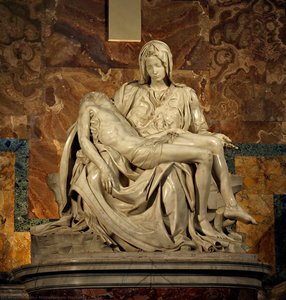
Rýchle fakty
- Full Name: Michelangelo Morlaiter
- Nationality: Italian
- Place Of Birth: Venice
- Notable Artworks:
- Ignudo
- Studies for a double tomb wall
- The Study of Adam
- Artistic Movement Or Style: Rococo Art
- Artists Who Influenced This Artist: ['Giovanni Morlaiter']
- Artists Or Movements Influenced By This Artist: ['Renaissance Venice']
Súvisiace články
Michelangelo Buonarroti: Top 25 Majstrovských Diel pre Váš Domov | OriginalUniqueArt
Objavte 25 majstrovských diel Michelangela Buonarrotiho! Pietà, David a fresky Sixtínskej kaplnky – príbehy umenia, techniky a renesančnej krásy. Reprodukcie obrazov pre váš domov na OriginalUniqueArt.com.
Leonardo da Vinci: Top 25 majstrovských diel pre váš domov | OriginalUniqueArt.sk
Objavte top 25 majstrovských diel Leonarda da Vinci! Prežite príbehy Mona Lisy, Poslednej večere a ďalších renesančných pokladov. Kvalitné reprodukcie obrazov pre váš domov na OriginalUniqueArt.sk. Preskúmajte celú kolekciu online.
Top 25 umeleckých diel Britského múzea: História, krása a dekor pre váš domov
Objavte top 25 umeleckých diel Britského múzea! Prežite príbehy slávnych majstrov ako Leonardo da Vinci, Van Gogh a Rembrandt. Reprodukcie obrazov pre váš domov – nájdite inšpiráciu a luxusné dekorácie na OriginalUniqueArt.com
Frederick Bridgman: Anatomical Mastery & the Evolution of Figure Drawing Instruction
Explore the anatomical mastery of George B. Bridgman & his revolutionary figure drawing techniques. Discover how his methods transformed art instruction and continue to inspire artists today. Learn more at OriginalUniqueArt.
The Eloquent Line: Exploring the Artistic Significance of Sketches Across Movements and Media
Explore the profound artistic significance of sketches throughout history. From Renaissance masters to modern innovators like Van Gogh & Guston, discover how these foundational works reveal technique, emotion, and vision. Learn more at OriginalUniqueArt.


