

 Zobraziť v interiéri
 Odoslať
 Zdieľať
 Podrobnosti
 Príručka

 Stiahnuť
 Podobné položky
 RTG skúška
 Prehliadanie diapo\]
 Štatistiky
St Lawrence Distributing the Alms
 Oil On Canvas
- WallArt
- Early Renaissance
 1465
1465 100.0 x 97.0 cm
 Alte Pinakothek
 Prečítať si viac
Giclée / Umenotlač
Giclée tlač alebo plátno múzeálnej kvality s rýchlou výrobou a rôznymi možnosťami povrchovej úpravy. ( Objednať ručne maľovanú reprodukciu Prepnúť na digitálnu verziu obrazu)




P118B €10

P118H €10

P118W €10

P438Z €10

P508JH €12

P508YH €12

P805H €10

P805Z €10

P919BZ €10

P919G €10

P919XJ €10

P959ZH €10

P968JZ €12

W106C €8

W218G €10

W218JH €8

W218Y €10

W307PJ €10

W316G €10

W316PJ €8

W316Y €10

W398PJ €8

W4111J €10

W500HY €15

W500JH €15

W692G €12

W849H €8

W940BG €15

W953PJ €8




Vyberte si z našich preddefinovaných rozmerov, ktoré zodpovedajú pôvodným pomeroḿ diela.

Zadajte šírku a výšku, ktoré potrebujete, aby sa reprodukcia hodila k vášmu rámu alebo stene. Print možno len orezávať, nikdy však nemennú veľkosť zvětšiť oproti pôvodnému obrázku, preto pri inom formáte stráca časť obrazu. Pred samotným vytlačiacím procesom vám pošleme digitálny náhľad na schválenie. Obrázok zobrazený na tejto stránke nezobrazuje reálny rez — len digitálny náhľad ukazuje presný výsledok.
Celosvetová doprava () do 2 týždňov namiesto štandardných 4 až 5 týždňov. (24 október)

Bezplatná expresná doprava po celom svete

Vysokokvalitné lnianske plátno

Úplné poistenie prepravy

Záruka vrátenia colného poplatku

Záruka presného farebného zhodnutia

100-dená politika vrátenia tovaru (iba pri vadách)

100% záruka vrátenia peňazí

Ponuka množstevnej zľavy
 Možnosť skla je dostupná len pri rozmeroch pod 110 cm

St Lawrence Distributing the Alms
Giclée / Umenotlač
Veľkosť reprodukcie
-


Celková cena
€ 70
The Alms of Saint Lawrence: A Window into Renaissance Tyrol
Michael Pacher’s “St Lawrence Distributing the Alms,” painted in 1465-70, isn't merely a depiction of a biblical scene; it’s a meticulously crafted microcosm of late medieval society and a testament to the burgeoning artistic currents flowing through the Alpine region of Tyrol. This polyptych panel, now housed within the Alte Pinakothek in Munich, offers a rare glimpse into the world of a 15th-century nobleman's chapel – a space designed not just for worship but also as a powerful statement of civic virtue and familial piety. Pacher’s genius lies in his ability to seamlessly blend the formal elegance of Italian Renaissance influences with the deeply rooted traditions of Northern European art, creating an image that is both strikingly modern and profoundly resonant.
The scene itself unfolds within a meticulously rendered architectural setting – a church dominated by a towering Gothic spire. At its center stands Saint Lawrence, depicted not as a heroic figure of martyrdom, but as a humble servant distributing alms to the impoverished inhabitants of the town. The figures kneeling before him are remarkably individualized, reflecting the growing trend in art towards naturalistic representation and psychological depth. Note the subtle variations in their clothing, gestures, and expressions – each conveying a distinct sense of need and gratitude. This level of detail was revolutionary for its time, demonstrating Pacher’s mastery of observation and his commitment to portraying human experience with remarkable sensitivity.
The Influence of Mantegna: Perspective and Spatial Drama
Pacher's journey to Padua in Italy proved transformative, profoundly shaping the trajectory of his artistic development. His encounter with Andrea Mantegna’s frescoes ignited a passion for perspective and spatial composition – elements that would become hallmarks of Pacher’s distinctive style. Mantegna’s innovative use of linear perspective, creating an illusion of depth on a flat surface, is evident in “St Lawrence Distributing the Alms.” The receding lines of the church walls, the carefully arranged figures within the foreground, and the subtle modeling of forms all contribute to a convincing sense of three-dimensionality. This technique was relatively new in Northern Europe at the time, and Pacher’s adoption of it marked a significant step towards embracing Renaissance artistic principles.
However, Pacher doesn't simply mimic Mantegna; he adapts these innovations to his own regional context. The overall composition retains a distinctly Gothic sensibility – the monumental scale of the church, the elaborate ornamentation, and the stylized figures all reflect the enduring influence of Northern European traditions. This synthesis of Italian Renaissance innovation and Northern Gothic style is what makes Pacher’s work so unique and compelling.
Symbolism and Civic Virtue
Beyond its technical brilliance, “St Lawrence Distributing the Alms” is rich in symbolic meaning. Saint Lawrence himself was a Roman martyred for refusing to participate in pagan rituals – his story served as a potent reminder of the importance of Christian faith and moral integrity. The act of distributing alms represented not only charity but also civic responsibility – a call to action for the wealthy elite to care for the poor and vulnerable within their community. The presence of prominent figures from local society, depicted alongside the beggars and the priest, underscores this message, suggesting that piety and social engagement were inextricably linked in 15th-century Tyrol.
Furthermore, the altarpiece’s polyptych format – with its movable panels – allowed for a flexible presentation of religious narratives. The specific arrangement of scenes could be adapted to suit different occasions and liturgical seasons, reinforcing the importance of faith within the daily lives of the community. The inclusion of family members in the scene also highlights the role of patronage in supporting the arts and promoting religious devotion.
A Legacy of Craftsmanship: Reproduction and Beyond
Today, “St Lawrence Distributing the Alms” stands as a remarkable achievement of late medieval art – a testament to Michael Pacher’s artistic skill, his innovative spirit, and his deep understanding of human nature. Reproductions offer an accessible way to experience the beauty and complexity of this masterpiece, bringing its rich symbolism and evocative imagery into homes and galleries around the world. When commissioning a reproduction, consider the meticulous detail and vibrant colors that capture the essence of Pacher’s original work – a true reflection of a pivotal moment in art history.
Otázky a odpovede
Existuje sprievodca k dielu „St Lawrence Distributing the Alms“ od Michal Pacher?
Pre dielo „St Lawrence Distributing the Alms“ od Michal Pacher je k dispozícii stránka Sprievodca: tlačiteľný informačný list o umedení, navrhnutý pre študentov a využitie v triedach.
Aké farby dominujú v díle „St Lawrence Distributing the Alms“ od Michal Pacher?
„St Lawrence Distributing the Alms“ od Michal Pacher využíva paletu v odtieňoch Earthy, pričom dominantnou farbou je Walnut (#80493a).
Na čo sa odporúča reprodukcia diela „St Lawrence Distributing the Alms“ od Michal Pacher?
Reprodukcia diela „St Lawrence Distributing the Alms“ od Michal Pacher je vhodná pre Reflective. Toto odporúčanie vychádza z témy, nálady a farebnej skladby tohto diela.
Biografia umelca
Tyrolský most medzi svetmi
Michael Pacher, narodený okolo roku 1435 v alpskej krajine Bolzana, predstavuje kľúčovú postać pre prechod od gotickej umeleckej tvorby k rozkvitajúcemu duchu renesancie v nemecky hovoriacich oblastiach. Nebol len obyčajným umelcom; bol remeselníkom, ktorý bezchybne spájal maľbu a sochárstvo, architektúru a jemné detaily, čím vytváral oltáre, ktoré neboli len náboženskými predmetmi, ale skôr pohlcujúcimi svetmi viery a rozprávania. Hoci jeho raný život zostáva zahalený v niekej quite nejistote – informácie o jeho počiatočnom výcviku sú vzácne – je jasné, že Pacher disponoval vrodeným talentom, ktorý vypestovali umelecké prúdy pretekajúce Tirolom v polovici 15. storočia. Jeho cesta však nadobudla rozhodujúci zvrat počas návštevy Padvy vo Taliansku, kde stretol revolučné fresky Andrea Mantegna. Táto skúsenosť sa ukázala ako transformujúca a premenila jeho dielo novým pochopením perspektívy a priestornej kompozície – prvkov, ktoré ho odlíšili od mnohých jeho súčasníkov.Oltár svätého Wolfganga: Odhalenie majstrovského diela
Pacherova reputácia stojí najpevnejšie na nádychavom oltári svätého Wolfganga, vytvorenom medzi rokmi 1471 a 1481 pre pútnické kostol v Austrálii. Nejde len o jednoduchý obraz; je to zložitý polyptych, viacpanelové majstrovské dielo navrhnuté tak, aby sa rozvíjalo ako posvätné vyrozprávanie. Geniálny dizajn oltára umožňuje tri odlišné zobrazenia: jedno pre každodennú kultu, druhé bohatšie pre nedeli a plne rozšírenú verziu vyhradenú pre špeciálne sviatky. Každá konfigurácia odhaľuje odlišné scény zo života Ježiša a Panny Márie, čo vrcholí v úchvatnom strednom paneli zobrazujúcom korunováciu Panny Márie ako Kráľovnej nebes – sochársku scénu vyžarujúcu božskú majestátnosť. Vonkajšie krídla zobrazujú epizódy z života samotného svätého Wolfganga, patrona pútnikov a remeselníkov. Vedci naznačujú, že jeho brat, Friedrich Pacher, mohol prispieť k maľbe niektorých vonkajších panelov, čo podčiarkuje kolaboratívneho ducha v rámci dielne. To, čo toto dielo skutočne odlišuje, je jeho samotný rozsah, komplexnosť a ohromujúca úroveň detailu v maľovaných elementoch aj v intrikatne vytesaných postavách. Je to dôkaz Pacherovej schopnosti ovládať viaceré umelecké disciplíny súčasne.Spájanie disciplín: Maľba, sochárstvo a architektonická vízia
Okrem oltára svätého Wolfganga demonštroval Pacher svoju jedinečnú syntézu umeleckých foriem aj v prácach ako je Oltár cirkevných otcov, dokončený okolo roku 1483 pre Neustift Monastery. Tu majstrovsky rozostril hranice medzi maľbou a sochárstvom a vytvoril jednotný umelecký zážitok. Monumentálne postavy cirkevných otcov sa zdajú vychádzať zo svojich ník, prenesené do hmatateľného pocitu prítomnosti. Pacherova zručnosť pri manipulácii so svetlom a tieňom tento efekt ešte viac umocňuje, pričom kompozícii dodáva hĺbajú a realizmus. On neopisoval priestor; on ho *vytváral* v rámci štruktúry oltára. Tento inovatívny prístup výrazne ovplyvnil nasledujúce generácie umelcov v Severnej Európe, ktorí sa snažili napodobniť jeho schopnosť integrovať rozmanité umelecké techniky do jednotného celku.Odkaz a trvalý vplyv
Do roku 1467 si Pacher v Brunecku vybudoval prosperujúcu dielnu a stal sa významnou postavou tyrolskej umeleckej scény. Získaval objednávky od rôznych náboženských radov, vrátane francisச்kanov v Salzbure okolo roku 1484. Bohužiaľ, mnohé z jeho diel sa časom stratili alebo poškodili v dôsledku konfliktov a prírodných katastrof – čo je smutným pripomínatkom krehkosti umeleckého dedičstva. Napriek týmto stratám stoja prežívajúce majstrovské diela ako trvajúce svedectectvá Pacherovmu výnimočnému talentu a inovatívnemu duchu. Bol skutočným pionierom, ktorý úspešne premostil medzeru medzi expresívnymi formami severnej gotickej umeleckej tvorby a vznikajúcimi princípami talianskej renesančnej maľby. Jeho odkaz spočíva nielen v kráse a technickej brilancii jeho kreácií, ale aj v jeho schopnosti vytvoriť jedinečne osobitý štýl, ktorý na nás stále fascinuje a inšpiruje aj stovky rokov po jeho smrti. Pacherovo dielo predstavuje kľúčový moment v umeleckej histórii – čas, kedy sa tradícia a inovácia stretli a dali vzniknúť novým umeleckým možnostiam.
Michal Pacher
1435 - 1498 , Taliansko
Rýchle fakty
- Artistic Movement Or Style: Renesancia a gotika
- Artists Or Movements Influenced By This Artist: ['Severoeurópski umelci']
- Artists Who Influenced This Artist: ['Andrea Mantegna']
- Date Of Birth: ok. 1435
- Date Of Death: 1498
- Full Name: Michael Pacher
- Nationality: tyrolský
- Notable Artworks:
- St. Wolfgang Altarpiece
- Oltár otcov chrístianskych
- Vzkriesenie Lazára
- Korunácia Panny Mária
- Place Of Birth: Bolzano, Taliansko
Súvisiace články
Fra Angelico: Top 25 Majstrovských Diel pre Krásu a Duchovnosť | OriginalUniqueArt.com
Objavte top 25 majstrovských diel Fra Angelica – renesančných fresiek a panelových malieb plných duchovnosti. Prežite príbehy umenia, techniky a farieb. Kvalitné reprodukcie obrazov na OriginalUniqueArt.com! Preskúmajte celú kolekciu online.
Giotto di Bondone: Top 25 majstrovských diel pre váš domov | OriginalUniqueArt.sk
Objavte top 25 majstrovských diel Giotta di Bondone! Fresky, renesančné obrazy a historické motívy plné emócií. Nájdite reprodukcie obrazov pre váš domov na OriginalUniqueArt.com – múzejná kvalita a inšpirácia pre interiérový dizajn.

El Greco: Top 25 Majstrovských Diel pre Váš Domov - OriginalUniqueArt.com
Ponorte sa do sveta El Greca s OriginalUniqueArt.com! Objavte top 25 majstrovských diel španielskeho renesančného maliara – od duchovných náboženských obrazov po ikonické manieristické kompozície. Kúpiť reprodukcie online a inšpirujte sa pre váš interiér.

Sir Thomas Lawrence: Portraiture, Power & Regency Society's Aesthetics
Explore the captivating world of Sir Thomas Lawrence, Regency England's premier portraitist. Discover his artistic techniques, powerful representations of society, and enduring legacy. Expert insights for discerning art collectors.
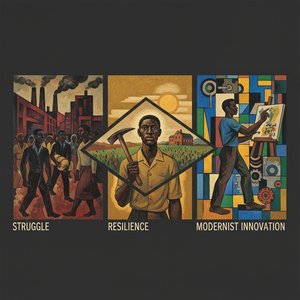
Jacob Lawrence: Narratives of Struggle, Resilience & Modernist Innovation
Explore the powerful narratives of Jacob Lawrence, a pivotal African American artist of the Harlem Renaissance. Discover his iconic 'Migration Series,' dynamic cubism style, and lasting impact on American art history.