

 Zobraziť v interiéri
 Odoslať
 Zdieľať
 Podrobnosti
 Príručka

 Stiahnuť
 Podobné položky
 RTG skúška
 Prehliadanie diapo\]
 Štatistiky
Sin título


 Prečítať si viac
Umelecké dielo zobrazené na tejto stránke je chránené autorským zákonom, čo znamená, že nemôžeme legálne vytvárať ani predávať jeho identickú reprodukciu. Táto ochrana je vymáhaná na základe medzinárodných dohôd, ako napríklad Bernská konvencia a národnými zákonmi, vrátane tých, ktoré sú stanovené v Autorské právo USA – Title 17. Všetky práva vyhradené.
Ako rešpektujúca a legálna alternatíva ponúkame vlastné, ručne maľované diela inšpirované originálom. Naši skúsení a profesionálni umelci dôkladne študujú štýl, náladu a umelecký podnet originálu, aby vytvorili nové, jedinečné dielo, ktoré vyvoláva rovnaký pocit – pričom samo ostáva vlastným originálnym dielom.
Táto metóda plne dodržiava autorské práva, pretože nezahŕňa kopírovanie ani duplikovanie chráneného diela. Ide skôr o kreatívnu reinterpretáciu – nový obraz, ktorý je ovplybnený originálom, no nie je s ním identický.
Ručne maľovaná olejová reprodukcia
Ručne maľovaný olej na plátne vo vašej zvolenej veľkosti a v ráme, vyrobený na mieru našimi umelcami. ( Prepnúť na tlač Prepnúť na digitálnu verziu obrazu)




P118B €10

P118H €10

P118W €10

P438Z €10

P508JH €12

P508YH €12

P805H €10

P805Z €10

P919BZ €10

P919G €10

P919XJ €10

P959ZH €10

P968JZ €12

W106C €8

W218G €10

W218JH €8

W218Y €10

W307PJ €10

W316G €10

W316PJ €8

W316Y €10

W398PJ €8

W4111J €10

W500HY €15

W500JH €15

W692G €12

W849H €8

W940BG €15

W953PJ €8




Vyberte si z našich preddefinovaných rozmerov, ktoré zodpovedajú pôvodným pomeroḿ diela.

Zadajte šírku a výšku, ktoré potrebujete, aby sa dielo hodilo k vášmu rámu alebo stene. Keďže ide o ručnú maľbu, pri rozmeroch s odlišným pomerom strán môže umelec namalovať o niečo viac okolo obrázka alebo ho mierne orezatú — výber patrí vám. Pred začatím maľovania vám pošleme digitálnu ukážku na schválenie. Obrázok zobrazený na tejto stránke nenahrádza reálny výsledok — ten zobrazuje iba digitálna ukážka.
Po odoslaní objednávky vám tím OriginalUniqueArt.com pošle e-mail s pokynmi a poskytne náhľad na návrh
Celosvetová doprava () za 3 až 4 týždne namiesto štandardných 5 týždňov. (24 október). Bez kompromisov v kvalite.

Bezplatná expresná doprava po celom svete

Vysokokvalitné lnianske plátno

Úplné poistenie prepravy

Záruka vrátenia colného poplatku

Záruka presného farebného zhodnutia

100-dená politika vrátenia tovaru (iba pri vadách)

100% záruka vrátenia peňazí

Ponuka množstevnej zľavy
 Možnosť skla je dostupná len pri rozmeroch pod 110 cm

Sin título
Spôsob reprodukcie
Veľkosť reprodukcie
-


Celková cena
€ 264
A Descent into the Unconscious: Examining Max Ernst’s “Sin título”
Max Ernst's "Sin título" (Untitled) isn’t merely a black and white etching; it’s an invitation to a psychological landscape, a confrontation with primal fears rendered in stark, unsettling detail. The artwork immediately commands attention through its dynamic composition – a wrestling match between a man and a colossal serpent dominates the frame, interwoven with a ghostly cameo of Mona Lisa that subtly complicates the narrative. Ernst, a pivotal figure in both Dada and Surrealism, masterfully employs a technique reminiscent of engraving or etching, creating an extraordinary contrast between light and shadow, sharp lines, and a flattened perspective that contributes to the work’s dreamlike quality. This isn't simply a depiction of physical struggle; it’s a visual representation of internal conflict, a battle waged within the depths of the human psyche.
The choice of materials – likely etched onto a metal plate and subsequently printed – speaks volumes about Ernst’s artistic process. The rigid linearity of the linework, while creating a graphic appearance, also suggests an underlying tension, mirroring the struggle depicted on the surface. The deliberate lack of shading or realistic depth further enhances this sense of unease, pushing the scene into the realm of symbolism and allegory. It's crucial to note that Ernst was deeply interested in exploring the subconscious, and “Sin título” is a prime example of his ability to translate complex psychological themes into visual form.
The Symbolism of Serpent and Woman: Echoes of Mythology and Art History
The serpent itself is a potent symbol throughout history – representing temptation, chaos, knowledge, and the cyclical nature of life. Here, it’s not merely a beast but an embodiment of primal urges, a force resisting control. The man wrestling with it embodies humanity's struggle against these darker aspects of its own being. Interestingly, positioned within this chaotic scene is a subtle yet significant detail: the inclusion of Mona Lisa. This iconic portrait, instantly recognizable and imbued with an aura of serene beauty, acts as a counterpoint to the turmoil unfolding before us. Some art historians interpret this juxtaposition as representing the eternal conflict between reason and emotion, or perhaps the allure of the unattainable – a reminder that even in moments of intense struggle, there exists a lingering sense of beauty and detachment.
The tower-like structure in the background adds another layer to the symbolism. Towers often represent ambition, power, and reaching for the heavens—but here, it feels somewhat ominous, perhaps suggesting an unattainable goal or a precarious position within this internal struggle. The overall composition suggests a descent into the unconscious, a confrontation with fundamental human dilemmas.
Ernst’s Methodologies: Frottage and the Surrealist Approach
Understanding Max Ernst's artistic methods is key to appreciating “Sin título.” He was a pioneer of techniques like *frottage* – rubbing a pencil over textured surfaces to create unexpected images – and *grattage*, scraping paint across canvas to reveal hidden patterns. These processes were designed to bypass conscious control, tapping into the subconscious mind and generating surprising visual results. This approach is clearly evident in “Sin título,” where the deliberate use of line work and the seemingly random arrangement of elements contribute to a sense of controlled chaos. Ernst wasn’t simply painting what he *saw*; he was actively seeking to access and translate the hidden realities of his inner world.
The artwork's stark black and white palette further emphasizes this exploration of the subconscious. It strips away any distractions, forcing the viewer to confront the raw emotion and psychological intensity of the scene. It’s a testament to Ernst’s skill that he can create such a powerful and unsettling image using such a limited range of tones.
A Reproduction for the Collector: Bringing “Sin título” into Your Space
OriginalUniqueArt offers meticulously hand-painted reproductions of Max Ernst's "Sin título," capturing the essence of this iconic work with unparalleled detail and fidelity. Our artists replicate Ernst’s distinctive linework, creating a stunning visual experience that faithfully reproduces the artwork’s unsettling atmosphere and symbolic depth. Whether you are an art collector seeking to expand your Surrealist collection or simply looking for a unique piece of art to enhance your interior design, our reproduction provides a beautiful and authentic representation of this seminal work. The high-quality materials used ensure that the reproduction will last for generations, preserving the power and mystery of Ernst’s vision. Explore our options today and bring this captivating image into your world.
Otázky a odpovede
Kto vytvoril "Sin título"?
Dielo „Sin título“ sa pripisuje autorovi Max Ernst.
Kde sa nachádza „Sin título“ v rámci opakujúcich sa tém umelca Max Ernst?
Medzi zaznamenané témy umelca Max Ernst – dada & surrealist echoes, mythic confrontation, psychological tension, humanity's dark side, symbolic allusion, ernst's dreamscapes", exploring the unconscious", recurring serpent motif – prináša dielo „Sin título“ vlastný dôraz na serpent symbolism, mona lisa echoes, dreamlike struggle, duality of man, surreal landscape, mythological art, black and white drama.
Aký druh diela predstavuje „Sin título"]?
V katalógu je dielo „Sin título“ od Max Ernst klasifikované ako WallArt. Táto kategória pomáha vyhľadávať podobné práce.
Biografia umelca
A Life Immersed in the Surreal
Max Ernst, narodený Maximilian Maria Ernst dňa 1. apríla 1891 v Brühl, Nemecko, bol duševne plný a neústupný umelec, ktorého život bol sprevádzaný hlbokou zmenením a inovatívnymi prínosmi k umeniu 20. storočia. Jeho cesta bola odlišná od tradičných umeleckých vzdelaní; predstavovala sebaurčenúšku, poháňanú filozofickými úvahamiami, psychologickým záujmom a hlbokým znechutením zo spoločenských konvencií. Jeho otec, učiteľ nepočuliakov a amatérsky maľiar, mu vložil citlivosť k svetu a rebélie proti usadeným autoritám – toto prvé spriadžovanie sa stalo základom jeho umeleckej vize. Ernstovo štúdium na Univerzite v Bonne – zahŕňajúce filozofiu, umenie dejiny, literatúru, psychológiu a psychiatriu – neboli len vedľajšími záujmami, ale hlboko zakorenenými elementmi, ktoré formovali jeho neskoré diela. Nebol len zvedavý na to, *ako* maľovať; skúmal *prečo*. Táto intelektuálna zvídavosť ho priviedla k stretnutiu s revolučnými prácami Picassa, Van Gogha a Gauguina na výstavke Sonderbund v Kolíne roku 1912 – okamih, ktorý neodľahčne zmenil jeho umeleckú trajektóriu. Semená modernizmu boli zasadené.Dadaizmus a Narodenie Surrealistických Vize
Prvá svetová vojna sa stala pre Ernsta významným bodom zlomu. Jeho skúsenosti ako vojaka na východnom a západnom fronte ho hlboko zasiahli, čo viedlo k skeptickému pohľadu na usadené poriadky a túžbe po nových formách vyjadrenia. Toto znechutenie našlo útočisko v burzujúcom Dadaizme, ktorý prijal s nadšením po návrate do Kolína v roku 1918. Spolu s Hansom Arpom – dlhoročným priateľom a spolupracovníkom – sa Ernst stal kľúčovou figúrou kolínskej Dada skupiny, odmietajúc tradičné umelecké konvencie a prijímajúc absurditu, náhodu a protiracionálnosť. Dada však predstavoval len prechodný štág. V začiatkoch 20. rokov sa Ernst presťahoval do Paríža a pripoil sa kPionierske Techniky: Frotáž, Grattáž a Koláž
Ernst bol neustály experimentátor s technikami. Nevyužíval len existujúce metódy – vynájal nové. Možno jeho najznámejšou prínosom je frotáž, proces potierania ceruzky alebo grafitu na textúrované povrchy za účelom vytvorenia neočakávaných a evokujúcich obrazov. Táto technika, ktorá vznikla z momentu nudy pri pozorovaní drevenej struktúry, umožnila Ernstu oslobodiť podvedomie a generovať formy, ktoré sa odporúčali navedenie. Blízko k tomu je grattáž, kde farba je škrabaná po plátne, aby sa odhalili podkladové vrstvy. Využíval aj koláž, zloženie rôznych prvkov – obrázkov z časopisov, vedeckých ilustrácií, fotografií – do surrealistických kompozícií, ktoré vyzývali tradičné chápanie reprezentácie. Tieto techniky neboli len štýlové volby; boli integraľnou súčasťou jeho skúmania podvedomia a túžby po narušení umeleckých hraníc. Jeho maľby často obsahujú opakovacie symbolické obrazy: vtáky (ponožovateľ Loplop), pusté krajiny, znepokojivé juxtaposície a všadeprítomný pocit záhady.Vplyvy a Inšpirácie
Ernst bol ovplyvnený mnohými umelcami a myšlienkami. Picassoho kubistické experimenty, Van Gogha expresívne farby a Gauguina exotické krajiny všetko formovali jeho vnímanie sveta. Okrem toho ho fascinovala psychoanalytická práca Sigmunda Freuda, ktorá ho priviedla k preskúmaniu podvedomia a snových spánkov.Dielo a Dielo
Ernst vytvoril rozsiahlu zbierku diel, ktoré odrážajú jeho experimentálny duch a hlboké záujmy o ľudskú psychiku. Jeho diela sú známe svojou surrealistickou atmosférou, nejasnými obrazmi a využívaním neočakávaných kombinácií farieb a textúr. Medzi jeho najznámejšie diela patria "The Entire City", "Euclides", "Of This Men Shall Know Nothing" a "Forest and Dove". Ernst bol tiež významným grafickým umelcom, ktorý experimentoval s rôznymi technikami tlače, vrátane litografie, gravúry a serigrafie. Jeho grafické diela často obsahujú podobné surrealistické motívy ako jeho maľby, pričom sa zameriava na tematické témy, ako je identita, pamäť a čas.Historický Význam a Dedikácia
Počas druhej svetovej vojny bol Ernst nútený opustiť Európu a našiel útočisko v Spojených štátoch. Pokračoval vo výrobe umenia a experimentovaní s novými technikami počas svojho vyhnanstva, nakoniec sa vrátil do Francúzska po druhej svetovej vojne, kde zostal aktívny až do svojej smrti 1. apríla 1976 v Paríži. Jeho vplyv na neskoršie generácie umelcov je nepopriateľný. Max Ernst bol skutočne revolučný umelec, ktorý preskúmal hranice kreativity a rozšíril chápanie umenia. Jeho diela sú dôkazom síl predstavivosti, priania iracionality a trvalého hľadania porozumenia komplexnosti ľudského psychického sveta.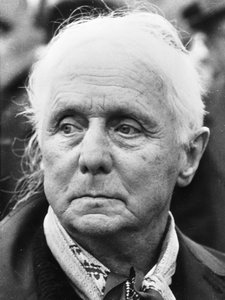
Max Ernst
1891 - 1976 , Nemecko
Rýchle fakty
- Artistic Movement Or Style: Dadaizmus, Surrealizmus
- Artists Or Movements Influenced By This Artist:
- Surrealizmus
- Dada
- Artists Who Influenced This Artist:
- Picasso
- Van Gogh
- Gauguin
- Date Of Birth: 2. apríl 1891
- Date Of Death: 1. apríl 1976
- Full Name: Max Ernst
- Nationality: Nemecký/Americký, Francúzsky
- Notable Artworks:
- Ofrenda funeraria
- The Equivocal Woman
- L'Ange du foyer
- Place Of Birth: Brühl, Nemecko
Súvisiace články

Top 10 slávnych obrazov s dominantnou čiernou farbou | OriginalUniqueArt.sk
Objavte top 10 slávnych obrazov s dominantnou čiernou farbou od Rembrandta, Goya a ďalších majstrov. Prežite príbehy umenia, techniky a nadčasovej krásy. Reprodukcie obrazov pre váš interiér na OriginalUniqueArt.sk – múzejná kvalita!

Monochrome Edge: The Ultimate Design Flex—Level Up Your Space with Bold Black & White Art
Master the monochrome aesthetic with high-impact Black & White art from OriginalUniqueArt.com. From custom hand-painted oils to iconic pop culture remixes, discover the ultimate design flex for your urban space. Elevate your decor with bold, premium, and timeless monochrome masterpieces.
Max Ernst: Top 25 diel surrealistického majstra pre váš domov | OriginalUniqueArt
Ponorte sa do sveta Maxa Ernsta! Objavte top 25 diel surrealistického majstra – od Frottage po snové krajiny. Kúpiť reprodukcie obrazov online na OriginalUniqueArt.com a doprajte si luxusný dekor do interiéru.

Monochrome Visions: Exploring the Aesthetic & Historical Significance of Black & White Photography
Explore the rich history & artistic power of black and white photography. From early techniques to iconic masters like Ansel Adams, discover why monochrome continues to captivate art lovers today. Expert insights for collectors.

Top 10 slávnych obrazov v odtieňoch bielej: Krása, história a dekor pre váš domov
Objavte top 10 slávnych obrazov v odtieňoch bielej – Monet, Renoir a ďalší majstri. História umenia, techniky a inšpirácia pre váš interiér. Reprodukcie obrazov najvyššej kvality na OriginalUniqueArt.com.


