Prepnúť na tlač
 Zobraziť viac







































 V prípade umeleckých diel alebo reprodukcií, ktorých ktorákoľvek strana je väčšia ako 105 cm (cca 41 palcov), sa rám dodáva v rozloženom stave ako sada. Táto metóda zabezpečuje bezpečnú доставu a chráni pred poškodením počas prepravy.


A Surreal Encounter: The Dreamscape of Max Ernst
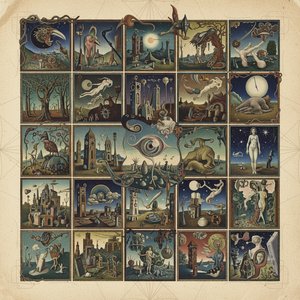
In the enigmatic realm of Max Ernst’s “Scène,” the boundaries between reality and the subconscious dissolve into a hauntingly beautiful tableau. At first glance, the viewer is met with a striking juxtaposition of avian figures—a central bird poised in a moment of intense, almost predatory contemplation, gazing intently at a blue box adorned with a sharp red trim. This singular focus is balanced by the presence of smaller birds strategically placed throughout the composition, creating a sense of a hidden, miniature ecosystem. The painting does not merely depict a scene; it constructs a psychological landscape where every element feels heavy with unspoken meaning, inviting the observer to peer into the depths of a dream.
The technique employed in “Scène” is a masterclass in the Surrealist fascination with texture and tactile depth. Ernst, a pioneer of collage and mixed media, utilizes surfaces that appear to breathe with life, incorporating elements reminiscent of paper pulp and burlap. This creates a rugged, organic quality that contrasts beautifully with the more deliberate, geometric lines of the blue box. Through these layered textures, Ernst achieves a sense of automatism—the spontaneous, uncontrolled creation intended to bypass rational thought and tap into primal instincts. For the collector or interior designer, this tactile richness offers a profound sensory experience, making the artwork a centerpiece that commands attention through its physical presence as much as its visual mystery.
Symbolism and the Subconscious Mind
To understand “Scène” is to engage with the historical heartbeat of the Surrealist movement. Created during the height of Surrealism’s influence in the early 20th century, the work reflects a period of intense artistic rebellion against the constraints of realism. The blue box, a stark and contained object, serves as a potent symbol of repression or perhaps the containment of secrets, standing in direct opposition to the bird’s gaze, which radiates curiosity and an unquenchable yearning for discovery. This tension between the enclosed and the searching is what gives the piece its enduring emotional resonance.
The color palette, dominated by deep blues and punctuations of vibrant red, amplifies a sense of melancholy intertwined with intrigue. As one contemplates the placement of the secondary birds, a narrative of interconnectedness begins to emerge, suggesting that no element in this surreal world exists in isolation. For those seeking to adorn a space with art that provokes thought, “Scène” offers an unparalleled emotional impact; it evokes a profound sense of unease and wonder, compelling viewers to confront unsettling ideas about perception and the hidden truths of our own reality. It is more than a painting—it is a window into the beautifully fractured psyche.
Otázky a odpovede
Aké umiestnenie sa hodí k formátu diela „Scène“ od Max Ernst?
Formát Portrait diela „Scène“ od Max Ernst je ideálny pre Living Room. Formát a priestor spoločne určujú najvhodnejšie umiestnenie reprodukcie.
Kde sa v rámci opakujúcich sa tém umelca Max Ernst umiestňuje dielo „Scène“?
„Scène“ zachytáva bird symbolism, geometric form, blue box motif, red border accent, multiple birds, psychological depth, artistic composition, zatiaľ čo v tvorbe umelca Max Ernst sa pravidelne objavujú témy ako dada inspiration, symbolic imagery, existential concerns, surrealist vision, conceptual exploration. Porovnanie týchto dvoch aspektov ukazuje, ako toto dielo nadväzuje na bežné motívy tohto umelca.
Kde si môžem stiahnuť „Scène“ od Max Ernst?
Pre dielo „Scène“ je možné si zakúpiť digitálnu verziu: na stránke Stiahnuť digitálnu verziu pre toto dielo si môžete stiahnutie digitálneho obrázka vo vysokom rozlíšení.
 Náhľad v interiéri
 Odoslať ako digitálnu kartu
 Zdieľať
 Podrobnosti o dielo
 Príručka

 Stiahnuť obraz
 Podobné položky
 RTG skúška
 Prehliadanie diapozoje
 Q&A
Q&A Štatistiky