
 Náhľad v interiéri
 Odoslať ako digitálnu kartu
 Zdieľať
 Podrobnosti o dielo
 Príručka

 Stiahnuť obraz
 Podobné položky
 RTG skúška
 Prehliadanie diapozoje
 Otázky a odpovede
 Štatistiky
Earth Seen from Venus

- 40.0 x 32.0 cm


 Zobraziť viac
Umelecké dielo zobrazené na tejto stránke je chránené autorským zákonom, čo znamená, že nemôžeme legálne vytvárať ani predávať jeho identickú reprodukciu. Táto ochrana je vymáhaná na základe medzinárodných dohôd, ako napríklad Bernská konvencia a národnými zákonmi, vrátane tých, ktoré sú stanovené v Autorské právo USA – Title 17. Všetky práva vyhradené.
Táto metóda plne dodržiava autorské práva, pretože nezahŕňa kopírovanie ani duplikovanie chráneného diela. Ide skôr o kreatívnu reinterpretáciu – nový obraz, ktorý je ovplybnený originálom, no nie je s ním identický.
Giclée / Umenotlač
Giclée tlač alebo plátno múzeálnej kvality s rýchlou výrobou a rôznymi možnosťami povrchovej úpravy. ( Kúpiť ručne maľovaný obraz Prepnúť na digitálny obraz)




P118B €10

P118H €10

P118W €10

P438Z €10

P508JH €12

P508YH €12

P805H €10

P805Z €10

P919BZ €10

P919G €10

P919XJ €10

P959ZH €10

P968JZ €12

W106C €8

W218G €10

W218JH €8

W218Y €10

W307PJ €10

W316G €10

W316PJ €8

W316Y €10

W398PJ €8

W4111J €10

W500HY €15

W500JH €15

W692G €12

W849H €8

W940BG €15

W953PJ €8




Vyberte si z našich preddefinovaných rozmerov, ktoré zodpovedajú pôvodným pomeroḿ diela.

Zadajte šírku a výšku, ktoré potrebujete, aby sa reprodukcia hodila k vášmu rámu alebo stene. Print možno len orezávať, nikdy však nemennú veľkosť zvětšiť oproti pôvodnému obrázku, preto pri inom formáte stráca časť obrazu. Pred samotným vytlačiacím procesom vám pošleme digitálny náhľad na schválenie. Obrázok zobrazený na tejto stránke nezobrazuje reálny rez — len digitálny náhľad ukazuje presný výsledok.
Celosvetová doprava () do 2 týždňov namiesto štandardných 4 až 5 týždňov. (11 november)

Bezplatná expresná doprava po celom svete

Vysokokvalitné lnianske plátno

Kompletné poistenie prepravy

Záruka vrátenia colného poplatku

Záruka presného farebného zhodnutia

100-dená politika vrátenia tovaru (iba pri vadách)

100% záruka vrátenia peňazí

Zľava pri väčšom množstve
 Možnosť skla je dostupná len pri rozmeroch pod 110 cm

Earth Seen from Venus
Giclée / Umenotlač
Veľkosť reprodukcie
-


Celková cena
€ 73
A Cosmic Vision: Decoding Max Ernst’s *Earth Seen from Venus*
Max Ernst, a pivotal figure bridging Dadaism and Surrealism, presents us with *Earth Seen from Venus* (1962) – not as a literal depiction of our planet viewed from another world, but as a deeply personal and symbolic exploration of the cosmos and humanity’s place within it. This captivating oil on panel (40 x 32 cm), currently residing at the Tel Aviv Museum of Art, is far more than an abstract composition; it's a window into Ernst’s unique psychological landscape.Deconstructing the Composition
The painting immediately draws the eye to its central form: a radiant yellow circle representing the sun – or perhaps a distant, alien star. This luminous core is enveloped by swirling shapes and vibrant colors, creating a dynamic interplay of forms that suggest planetary bodies, atmospheric disturbances, or even subconscious imagery. Two smaller circular elements positioned near the top add an intriguing visual counterpoint, hinting at moons, satellites, or simply further celestial phenomena. The composition isn’t about precise representation; it's about evoking a *feeling* of vastness and mystery.Style & Technique: A Surrealist Palette
Ernst masterfully employs oil paint on panel to achieve a textured and layered effect. His brushwork is visible, lending the piece an energetic quality that belies its seemingly otherworldly subject matter. The vibrant color palette – dominated by oranges, yellows, purples, and reds – isn’t arbitrary. These hues evoke warmth, passion, and perhaps even danger, suggesting the intense energies at play in the universe. The technique leans towards gestural abstraction, prioritizing emotional expression over meticulous detail. This is characteristic of Ernst's later work, where he moved away from earlier techniques like frottage to embrace a more direct painterly approach.Historical Context & Artistic Lineage
Created in 1962, *Earth Seen from Venus* reflects the burgeoning Space Age and humanity’s growing fascination with exploring beyond our planet. However, Ernst isn't simply illustrating scientific discovery. He builds upon a long tradition of artists grappling with cosmic themes – from Renaissance depictions of celestial spheres to the Romantic sublime. His work also anticipates contemporary artists like Urs Fischer, who similarly blend Surrealist sensibilities with playful experimentation in form and medium.Symbolism & Interpretation
The title itself is laden with symbolism. Viewing Earth *from Venus* suggests a detached perspective – an outsider looking in. Is Ernst commenting on humanity’s self-importance? Is he offering a critique of our earthly concerns from a broader cosmic viewpoint? The painting resists easy answers, inviting viewers to project their own interpretations onto its abstract forms. The swirling colors and ambiguous shapes can be seen as representing the chaotic forces that shape both the universe and the human psyche.Emotional Impact & Interior Design
*Earth Seen from Venus* is a powerful piece that evokes feelings of awe, wonder, and perhaps even a touch of unease. Its bold colors and dynamic composition make it a striking focal point for any interior space. The painting’s abstract nature allows it to complement a wide range of design styles – from modern minimalist spaces to more eclectic and bohemian settings. Its warm tones can add vibrancy to a living room or study, while its enigmatic quality invites contemplation.Exploring Further: Max Ernst's Oeuvre
To fully appreciate *Earth Seen from Venus*, it’s helpful to explore other works by this prolific artist. Consider:- *The Forest* – another captivating oil on board painting housed at the Tel Aviv Museum of Art, showcasing Ernst’s fascination with natural forms and psychological landscapes.
- *Hat in Hand, Hat on Head* – an earlier work exemplifying his Expressionist leanings and demonstrating his evolving artistic style.
Otázky a odpovede
Do ktorej obdobia tvorby Max Ernst spadá dielo "Earth Seen from Venus"?
V rámci kariéry umelca Max Ernst spadá dielo „Earth Seen from Venus“ do obdobia Mature Period, čo umožňuje jeho porovnanie s ostatnými prácami tohto umelca.
Do ktorej fázy kariéry Max Ernst spadá dielo „Earth Seen from Venus“, vzhľadom na jeho dátum vytvorenia?
Vzhľadom na dátum jej vzniku (1962) patrí dielo „Earth Seen from Venus“ do obdobia Mature Period umelca Max Ernst.
Ako sa téma diela „Earth Seen from Venus“ vzťahuje k bežným témam umelca Max Ernst?
„Earth Seen from Venus“ zachytáva cosmic landscape, abstract forms, vibrant colors, surreal imagery, geometric shapes, celestial theme, warm palette, zatiaľ čo v tvorbe umelca Max Ernst sa pravidelne objavujú témy ako key surrealist piece, venus as symbol, exploration of the unconscious, dadaism & surrealism, cosmic abstraction, frottage techniques, cosmic exploration, psychological themes. Porovnanie týchto dvoch aspektov ukazuje, ako toto dielo nadväzuje na bežné motívy tohto umelca.
Biografia umelca
Život a pôvody Maxa Ernsta
Max Ernst prišiel na svet 2. apríla 1891 v Brühl v Nemecku. Vyrastal v katolíckej rodine z strednej triedy ako tretí z deviatich detí. Jeho výchova bola formovaná tichou, disciplinovanou atmosférou domova, kde jeho otec, Philipp, pracoval ako učiteľ nesluchavých. Philipp bol aj amatérskym maliarom, a práve prostredníctvom neho sa chlapec prvýkrát stretol s nástrojmi a praxou tvorzenia umenia.
K roku 1909, keď bol študentom na Univerzite v Bonne, začal Max Ernst maľovať. Toto rané obdobie jeho života bolo poznačené narastajúcim záujmom o vizuálny svet, hoci jeho cesta sa neskôr rozšírila dávno za rámec plátna. Stal sa človekom mnohých médií, pracujúc ako maliar, sochár, grafik, rytier a básnik. Jeho rané roky neboli o hľadaní jednej jasnej smerovnosti, ale skôr o neustálom, nepokojnom zvedavomestí o to, ako by človek mohol reprezentovať svet a ľudskú myseľ.
Akademické ambície a rané umelecké vplyvy
Ernstova cesta k umeniu bola formovaná hlbokou zvedavosťou o ľudskej mysli a štruktúrach myšlenia. Počas štúdia na Univerzite v Bonne sa nezamavľoval len na puzidlo a plátno. Namiesto toho trávil čas štúdiou filozofie, dejín umenia, literatúry, psychológie a psychiatrie. Tieto disciplíny mu poskytli rámec pre chápanie sveta, ktorý presahoval ďaleko za jednoduchú estetiku. Zaujímal sa o hlboké príčiny existencie, snažil sa pochopiť mechanizmy psyche a históriu ľudského vyjadrenia. Tento intelektuálny základ mu neskôr umožnil prekročiť hranice tradičnej reprezentácie a preskúmať skryté, iracionálne vrstvy ľudskej skúsenosti.
Jeho rané roky boli poznačené narastajúcim spojením s umeleckou komunitou v Nemecku. V roku 1911 sa stal súčasťou skupiny Die Rheinischen Expressionisten. Toto obdobie jeho života definoval hľad nový vizuálny jazyk. Významný bod zlomu nastal v roku 1912, keď navštívil výstavu Sonderbund v Kolíne. Pohľad na diela umelcov ako Pablo Picasso, Vincent van Gogh a Paul Gauguin mu úplne zmenil perspektívu. Títo umelci mu ponúkli spôsob, ako sa odtrhnúť od upevnených norm. Cítil sa priťiahnutý k ich prístupom, čo ho pripravilo na cestu k radikálnym experimentom, ktoré neskôr definovali jeho celú umeleckú kariéru.
Vplyv prvej svetovej vojny
Vypuknutie Veľkej vojny zásadne narušilo trajektóriu Ernstovho života. Bol odviednutý do služby, kde strávil štyri roky ako vojak na frontovej línii. Ako delostrelec čelil brutálnej realite východnej aj západnej fronty. Tento zážitok bol oveľa viac než len prostým prerušením jeho štúdií; bol to hlboký psychologický šok. Chaos a destrukcia, ktoré bol svedkom, ho hlboko otrasili a vyhodili v ňom trvalý skepticizmus voči modernému svetu a jeho établovaným poriadkom.
Trauma tohto konfliktu bolo také absolútne, že sa zdalo, že vymaže jeho predchádzajúce ja. Vo svojej vlastnej autobiografii písal o tejto vnútornej smrti s ohromujúcou jasnosťou, pričom uviedol, že Max Ernst zomrel 1. augusta 1914. Tento pocit straty a následné sklamanie z reality ho nakoniec popudilo smer k radikálnym, antiracionálnym výrazom hnutí, ktoré nasledovali.
Dadaizmus a kolínska skupina
Chaos Veľkej vojny zanechalo v Maxe Ernstovi hlboký skepticizmus voči štruktúram moderného sveta. Do roku 1919 sa toto sklamanie prejavilo hlasom v Kolíne, kde spojil sily s Hansom Arpom a Johannesom Theodorom Baargeldom, čím založil kolínsku skupinu Dada. Bol to period intenzívnej, neustále sa pohybujúcej tvorby. Spolu so svojimi novými sprievodníkmi pomohol založiť krátko trvajúce časopisy ako Der Strom a die Schammade, pričom využíval písané slovo na to, aby narušil hranice toho, čo bolo vtedy považované za umenie. Bol to čas radikálnych zmien, ktoré zasiahli nielen jeho tvorbu, ale aj súkromný život, keď si v roku 1919 vzal manželku Luise Straus, študentku dejín umenia.
Počas týchto rokov sa Ernst začal vzdáľavať od tradičného maľby a našiel nový jazyk v umeleckom zlažení. Svoje prvé koláže vytvoril v roku 1919, keď pracoval s fragmentmi obrazových prvkov, aby vytvoril niečo úplne odlišné od ich pôvodných častí. Jedným z významných raných príkladov z tohto obdobia je Fiat modes, portfólio litografií, ktoré demonštrovalo jeho narastajúci záujem o tieto fragmentované kompozície. Tieto experimenty neboli len štýlovou voľbou; boli spôsobom, ako sa navigovať v svete, ktorý už nepôsobil koherentným ani racionálnym.
Surrealistické hnutie v Paríži
Do roku 1922 sa nemrviacá energia, ktorá poháňala jeho dadaistické roky, našla nový domov, keď sa Max Ernst presťahoval do Francúzska. Usadil sa v intelektuálnych kruhoch Paríža, kde našiel pocit príslušnosti medzi surrealistami. Stal sa súčasťou úzko spojencom skupiny vedenej pod vedením André Breton, kruhu, ktorý sa snažil mapovať zvláštne, neznámé územia ľudskej mysle. Bol to čas intenzívnej spolupráce a spoločného cieľa, v ktorom sa hranice toho, čo môže umenie reprezentovať, tlačili hlbšie do sféry snov a podvedomia.
Jeho prítomnosť v tomto kruhu bola charakteristická hlbokým zapletením s písaným slovom a vizuálnym obrazom. Spolupracoval s Paulom Éluardom na časopise Littérature, projekte, ktorý pomohol definovať dosah celého hnutia. Tieto roky boli definované neustálym hľadaním nových spôsobov, ako vizualizovať to iracionálne. V roku 1924 jeho zvedavosť vyvedla Max Ernst ďaleko za ulice Paríža, keď cestoval do Indochíny, čo bola skúsenosť, ktorá pridala ďalšie vrstvy jeho rozširojoucej sa svetskej vízii.
- Oedipus Rex
- Celebes
Inovatívne techniky a umelecké metódy
Max Ernst bol neustálym experimentátorom, ktorý sa snažil obísť kontrolu vedomia. Často sa obracal k náhode, aby našiel svoje vizuálne obrazy. To ho priviedlo k vývinu techniky nazývanej frotáž, pri ktorej pokladal papier na textúrované povrchy a premiešaval ich ceruzkou alebo grafitom. Tento prostý akt trenia umožnil, aby z drevenej štruktúry alebo žiliek listov vyvriezali nečakané tvary. Túto myšlienku rozvinul aj prostredníctvom grattáže, procesu, pri ktorom škrabal farbu po plátne, aby odhalil textúry predmetov umiestnených pod ním. Tieto metódy mu umožnili vytvárať krajiny, ktoré pôsobili súčasne organicky aj zvláštne.
Jeho záujem o iracionalitu ho priviedol aj k technike dekalcománia. Tlačením farby z jedného povrchu na druhý dosahoval seniózne skreslenia a vrstvené efekty, ktoré pôsobili, akoby vystupovali priamo zo snov. Bol aj majstrom koláže, pri ktorej dôsledne spájal nesúrodé prvky – ako sú vedecké ilustrácie alebo výstrižky z časopisov – do kompozícií, ktoré spochybňovali náš vnímaný pohľad na realitu. Scénu neobrážal len tak; on ju budoval z fragmentov sveta, ktorý ho obklopoval.
- The Elephant Celebes (1921)
- Europe after the Rain II (1942)
- The Robing of the Bride (1940)
Symbolika vtákov a Loplop
Max Ernst bol počas celého svojho života sprevádzaný zvláštnou, osobnou fixáciou na vtáky. Nešlo len o obyčajný záujem o prírodu, ale o hlboko zakorenovanú obsesiu, ktorá v ňom vyvretala z detskej spomienky. Spomínal si moment, keď jeho obľúbený domáci vták zomrel presne v tom čase, keď sa narodila jeho mladšia sestra. Táto náhoda sa v jeho mysli zdala byť spojením konceptov života a smrti, čím vtáky transformovala na symboly nesúcce v sebe både varovanie a mystiku. Často ich vnímal ako tvory, ktoré dokážu preklenúť priepasť medzi ľudskou existenciou a nadprirodzeným svetom.
Tento fascinujúci prvok nakoniec nadobudol fyzickú, takmer psychologickú podobu v podobe vtáčieho freudovského alter ega, ktorému dal meno Loplop. Táto postava nebola len opakujúcim sa motívom; bola to sprievodníčka krajinami jeho vlastnej mysle. Loplop sa prvá formálne objavil v jeho kolážovom románe z roku 1929, La Femme 100 Têtes. V tomto diele vystupoval vták ako vypovedateľ, ktorý vedie čitateľa cez sériu zložených obrazov a fragmentovaných realít. Prostredníctvom Loplopa našiel Max Ernst spôsob, ako personifikovať iracionálne impulzy podvedomia a dať tvár – alebo dzob – tým častiam svojho ja, ktoré sa vzdávali logiky.
- Forest and Dove
Exil a život v Spojených štátoch
Tieňy druhej svetovej vojny nakoniec dopadli aj do umelcovho útočišťa vo Francúzsku. V roku 1938 sa politická klíma prudko obrátila proti nemu a on bol internovaný v tábore Camp des Milles v blízkosti Aix-en-Provence. Toto obdobie uväzniavania bolo preň ťažkým brečom, najmä keď nacistický režim označil za nežiaduceho cudzinčeka. S narastajúcim intenzívnym bojom sa zvyšovala aj neistota jeho situácie, čo ho prinútilo rozhodnúť sa pre odchod od života, ktorý si v Európe tak dôsledne vybudoval.
Cesta k bezpečiu sa mu otvorila vďaka pomoci Peggy Guggenheimovej. V roku 1941 utiekol do New Yorku, do mesta, ktoré sa stávalo útočišťom pre mnohých jeho súčasníkov. Tento presun nebol len zmenou prostredia; bol to totálny vyvlastnenok a vyhnanstvo. V roku 1942 sa on a Guggenheimová vydali, pričom v chaosu tej doby našli vzájomnú stabilitu. Počas pobytu v Spojených štátoch pokračoval v experimentovaní so svojimi metódami a hľadal nové spôsoby, ako preložiť textúry podvedomia na plátno.
- Napoleón en el desierto (1941)
- Day and Night (1941)
- Europe after the Rain II (1942)
Neskoršie roky a posledné diela
Po rokoch života v Spojených štátoch sa Ernst v roku 1953 vrátil do Paríža. Tento návrat domov znamenal obdobie významného uznania za jeho celoživotné experimentovanie. V roku 1954 získal Veľkú cenu za maľbu na 27. benátskom bienále. Jeho prítomnosť v umeleckom svete zostala stabilná, keďže pokračoval v skúšaní hraníc svojho média až do svojich neskorších rokov.
Jeho zvedavosť ho často vedla k materiálom, ktoré pôsobili zároveň krehkými aj trvalými. V roku 1966 vytvoril sklenenú šachovnicu s názvom Immortel. Toto dielo odzrkadľovalo jeho schopnosť nájsť magiu vo fyzických vlastnostiach predmetov, podobne ako textúry, ktoré dlhé dekády odkrýval prostredníctvom tretia a škrabania. Vo svojej tvorivej činnosti zostal aktívny až do svojej smrti v Paríži 1. apríla 1976.
Kde dnes uvidieť jeho diela
Sledovanie stôp neustálej a nepokojnej fantázie, ktorú vykročil Max Ernst, si vyžaduje cestu cez niekoľko významných kultúrnych centier sveta. V Benátkach uchováva kolekcia Peggy Guggenheim diela, ktoré odzrkadľujú jeho hlboké spojenie s surrealistickým krúžkom. Jeho prítomnosť je však citteľná aj v expozíciách Metropolitan Museum of Art, kde sú jeho experimenty s textúrou a formou zachované pre tých, ktorí štúdujú transformácie raného dvadsiateho storočia.
Cezovníkovia sa môžu jeho tvorbe stretnúť aj v Edinburghu v Národnej galérii Škólska. Tamná kolekcia ponúka príležitosť spoznať jeho vizziu zblízka. Ďalšie významné zbierky nájdeme v Staatsgalerie Stuttgart a v Muzeu umenia v Tel Avive, čo zaručuje, že jeho vplyv zostáva prítomný na rôznych kontinentoch. Tieto inštitúcie udržiava jeho fyzické odkaz nažive a umožňujú nám vidieť samotné povrchy, ktoré škrabal a potieral, aby odhalil svoje obrazné sféry.
- The Entire City (cca 1936)
- Europe after the Rain II (1942)
- The Robing of the Bride (1940)
- Oedipus Rex (1922)
- The Elephant Celebes (1921)
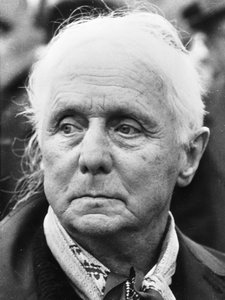
Max Ernst
1891 - 1976 , Nemecko
Základné informácie
- Artistic Movement Or Style:
- Dadaizmus
- Surrealizmus
- Artists Or Movements Influenced By This Artist: ['Surrealizmus']
- Artists Who Influenced This Artist:
- Pablo Picasso
- Vincent van Gogh
- Paul Gauguin
- Date Of Birth: 1891
- Date Of Death: 1976
- Full Name: Maximilian Maria Ernst
- Nationality: Nemecká
- Notable Artworks:
- The Entire City
- Euclides
- Of This Men Shall Know Nothing
- Forest and Dove
- Place Of Birth: Brühl, Nemecko
Súvisiace články
Tri plátna, tri emócie: Vplyv voľby na subjektívnu interpretáciu umeleckého diela
Objavte hlboký vplyv voľby na subjektívnu interpretáciu umenia! Preskúmajte psychológiu farieb, kompozície a kontext diela. Získajte odborné poznatky o umeleckom zážitku a osobnom dialógu s umením.

Unlocking the Unconscious: The Top 25 Masterpieces by Max Ernst
Step into the dreamscapes of Max Ernst. Explore 25 iconic Surrealist masterpieces, from pioneering collage to haunting Frottage techniques. Find inspiration for your collection with museum-quality art reproductions and curated decor ideas. Discover all masterpieces on OriginalUniqueArt.com.

Vrstvené Svetlo: Ako súčasné abstrakcie transformujú vnímanie s osvetlením – Vplyv bodového svetla na hĺbku obrazu
Objavte, ako osvetlenie transformuje vnímanie abstraktnej maľby. Analýza bodového svetla, nástenných reflektorov a prirodzeného svetla od odborníkov. Inšpirujte sa Kandinskym a Richterom!

Max Ernst: Top 25 diel surrealistického majstra pre váš domov | OriginalUniqueArt
Ponorte sa do sveta Maxa Ernsta! Objavte top 25 diel surrealistického majstra – od Frottage po snové krajiny. Kúpiť reprodukcie obrazov online na OriginalUniqueArt.com a doprajte si luxusný dekor do interiéru.

Unlocking the Unconscious: The Top 25 Masterpieces by Max Ernst
Journey through the dreamlike realms of Max Ernst. Explore 25 iconic Surrealist masterpieces, from pioneering collage to haunting landscapes. Find inspiration and museum-quality reproductions for your collection. Discover all masterpieces on OriginalUniqueArt.com.


