

 Náhľad v interiéri
 Odoslať ako digitálnu kartu
 Zdieľať
 Podrobnosti o dielo
 Príručka

 Stiahnuť obraz
 Podobné položky
 RTG skúška
 Prehliadanie diapozoje
 Štatistiky
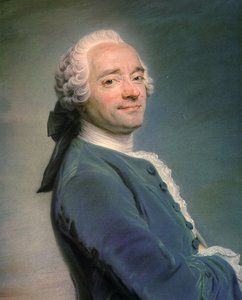
Maréchal de Saxe
 Pastel
- WallArt
- Rococo Portraiture
 Early Modern
 61.0 x 51.0 cm
 Louvre
 Zobraziť viac
Giclée / Umenotlač
Giclée tlač alebo plátno múzeálnej kvality s rýchlou výrobou a rôznymi možnosťami povrchovej úpravy. ( Kúpiť ručne maľovaný obraz Prepnúť na digitálny obraz)




P118B €10

P118H €10

P118W €10

P438Z €10

P508JH €12

P508YH €12

P805H €10

P805Z €10

P919BZ €10

P919G €10

P919XJ €10

P959ZH €10

P968JZ €12

W106C €8

W218G €10

W218JH €8

W218Y €10

W307PJ €10

W316G €10

W316PJ €8

W316Y €10

W398PJ €8

W4111J €10

W500HY €15

W500JH €15

W692G €12

W849H €8

W940BG €15

W953PJ €8




Vyberte si z našich preddefinovaných rozmerov, ktoré zodpovedajú pôvodným pomeroḿ diela.

Zadajte šírku a výšku, ktoré potrebujete, aby sa reprodukcia hodila k vášmu rámu alebo stene. Print možno len orezávať, nikdy však nemennú veľkosť zvětšiť oproti pôvodnému obrázku, preto pri inom formáte stráca časť obrazu. Pred samotným vytlačiacím procesom vám pošleme digitálny náhľad na schválenie. Obrázok zobrazený na tejto stránke nezobrazuje reálny rez — len digitálny náhľad ukazuje presný výsledok.
Celosvetová doprava () do 2 týždňov namiesto štandardných 4 až 5 týždňov. (28 október)

Bezplatná expresná doprava po celom svete

Vysokokvalitné lnianske plátno

Kompletné poistenie prepravy

Záruka vrátenia colného poplatku

Záruka presného farebného zhodnutia

100-dená politika vrátenia tovaru (iba pri vadách)

100% záruka vrátenia peňazí

Zľava pri väčšom množstve
 Možnosť skla je dostupná len pri rozmeroch pod 110 cm

Maréchal de Saxe
Giclée / Umenotlač
Veľkosť reprodukcie
-


Celková cena
€ 71
A Vision of Rococo Grandeur
In the delicate dance of light and pigment, few works capture the aristocratic splendor of the eighteenth century as intimately as Maurice Quentin de La Tour’s 1731 pastel portrait, Maréchal de Saxe. To gaze upon this masterpiece is to step directly into the opulent intellectual landscape of Enlightenment France, where every brushstroke—or in this case, every soft application of pastel—serves to elevate the subject beyond mere mortal likeness. The portrait does not simply present a military commander; it orchestrates a symphony of power, prestige, and refined grace. Through the masterful use of the pastel medium, De La Tour achieves an ethereal luminosity that oil paints often struggle to replicate, allowing the skin tones to glow with a lifelike warmth and the fabrics to shimmer with a soft, tactile elegance.
The subject himself, the celebrated Maréchal de Saxe, is rendered with a profound sense of dignity. Clad in the authoritative attire of his station, he wears a striking blue sash draped across his shoulder, a symbol of high rank that cuts through the composition with a regal vibrancy. His black coat, punctuated by meticulously detailed gold buttons, speaks to the wealth and status inherent in his role as an influential advisor to Louis XV. De La Tour’s technical prowess is most evident in the subtle gradations of color; he blends hues of cerulean, cream, and gold so seamlessly that the textures of silk, lace, and skin appear almost tangible. This soft-focus brilliance is a hallmark of the Rococo style, creating an atmosphere that feels both intensely real and dreamily idealized.
The Intersection of Might and Intellect
Beyond the surface beauty of the portrait lies a deeper narrative regarding the cultural zeitgeist of the era. During this period, the ideals of the Enlightenment—reason, virtue, and intellect—were beginning to reshape the French court. De La Tour, a master of characterization, does not merely depict a soldier of war; he presents an embodiment of these very ideals. The Maréchal’s expression, marked by a quiet confidence and a gaze of seasoned wisdom, suggests a man whose strategic brilliance is matched by his philosophical depth. This portrayal aligns beautifully with the spirit of contemporaries like Voltaire, whose influence permeated the artistic circles of the time.
The minimalist background serves a vital compositional purpose, stripping away the distractions of a cluttered landscape to focus the viewer's entire emotional investment on the man himself. By placing the Maréchal against a plain, light-colored void, De La Tour ensures that the interplay of shadow and light on the subject's face becomes the focal point. This choice emphasizes the psychological depth of the sitter, inviting collectors and art enthusiasts to contemplate the weight of responsibility carried by such an influential figure.
An Enduring Legacy for the Discerning Collector
For the interior designer or the passionate art collector, a high-quality reproduction of Maréchal de Saxe offers more than just a decorative element; it provides a window into a vanished era of elegance. The piece possesses a unique ability to anchor a room, bringing a sense of historical gravity and sophisticated charm to any space. Whether placed in a sunlit library or a formal dining hall, the soft textures and regal color palette of the pastel medium evoke a feeling of timeless luxury.
Owning a reproduction of this caliber allows one to celebrate the technical mastery of Maurice Quentin de La Tour, an artist who redefined the possibilities of pastel. The artwork serves as a conversation piece that bridges the gap between the historical grandeur of the French monarchy and the modern aesthetic appreciation for fine detail and emotive portraiture. It is an investment in atmosphere, a tribute to the enduring power of the Rococo spirit, and a profound addition to any curated collection of fine art.
Otázky a odpovede
Kde kúpiť ručne maľované kópie diela „Maréchal de Saxe“ od Maurice Quentin de La Tour?
Ručne maľované kópie diela „Maréchal de Saxe“ od Maurice Quentin de La Tour sú dostupné na stránke táto webstránka: ručne maľovaná olejná reprodukcia na ľanovom plátne, pričom objednať ich môžete priamo cez ich podstránku Ručne maľovaná reprodukcia.
Kde je dnes vystavené dielo „Maréchal de Saxe“ od Maurice Quentin de La Tour?
Originál diela „Maréchal de Saxe“ si môžete pozrieť v múzeu Louvre, Paris, France.
Môžem si pozrieť RTG pohľad diela „Maréchal de Saxe“ od Maurice Quentin de La Tour?
X-ray pohľad na dielo „Maréchal de Saxe“ od Maurice Quentin de La Tour nájdete na jeho stránke RTG skenovanie: ide o interaktívne skúmanie obrazu prostredníctvom jedenástich optických vrstiev.
Biografia umelca
Maurice Quentin de La Tour: Život v pastelových tónoch
- Narodený: 5. septembra 1704, Saint-Quentin, Francúzsko
- Zomrel: 17. februára 1788, Saint-Quentin, Picardie, Kráľovstvo Francúzsko
- Známy pre: Rokokovú portrétnú maľbu v pasteloch, zachytávanie podobnosti Voltera, Ľudovíta XV. a Madame de Pompadour.
Raný život a umelecký vzrast
- Maurice Quentin de La Tour sa narodil v hudobnej rodine; jeho otec, François de La Tour, bol hudobníkom u viktória Duc du Maine. Napriek pôvodným rodinným očakávaniam sa však Maurice rozhodol zasvätit maľbe.
- Kolem roku 1724 sa presťahoval do Paríža, kde začal svoju umeleckú kariéru. Jeho raná príprava zahŕňala štúdium u Jacquesa Spoedeho a krátke obdobie v Reims. Cesta do Anglicie v roku 1725 ešte hlbšie ovplyvnila jeho štýl.
- Jeho rané portréty, ako napríklad ten Volterov (1731), preukazovali rodzący sa talent na zachytávanie charakteru a podobnosti. Tento portrét bol významne leptaný Langloisom, čo mu prinieslo širšie uznanie.
Umelecký štýl a významné diela
- Majstrovstvo v pasteloch: De La Tour je oslavovaný pre svoju výnimočnú zručnosť pri práci s pastelkami. Toto médium využíval na vytváranie portrétov s neuveriteľnou jemnosťou a delikatnosťou, čím zachytával jemné nuansy výrazov a textúr.
- Vplyv Rokoka: Jeho tvorba je dokonalým príkladom štýlu rokoka, ktorý je charakteristický eleganciou, gráciou a zameraním na portrétovanie vtedajšej módnej spoločnosti.
- Významné diela:
- Portrét Voltera (1731) – v ranom štádiu jeho kariéry upevnil svoju reputáciu.
- Autoportrét, smejúci sa (cca 1737) – demonštruje jeho schopnosť vykresliť osobnosť a vtip.
- Portrét Madame de Pompadour – významná zákazka, ktorá dokazuje jeho schopnosť zachytiť podobnosť významnej osobnosti.
- Portréty Ľudovíta XV. – niekoľko portrétov francúzskeho kráľa, ktoré mu upevnili postavenie na dvore.
- Výstavy v Salónoch: Pravidelne vystavoval na Parížskom salóne, kde počas troch decárd predstavil sériu 150 portrétov, ktoré sa stali hlavným lákadlom pre návštevníkov.
Uznanie a neskorší život
- Kráľovské uznanie: V roku 1737 bol uznaný Kráľovskou akadémiou maliarskej a sochařskej. Neskôr, v roku 1750, sa stal portrétistom kráľa.
- Filantropia: S rastúcim bohatstvom sa de La Tour venoval filantropickým aktivitám; založil školu kreslenia v Saint-Quentin a podporoval chudobných umelcov.
- Problémy s duševným zdravím: Kolem roku 1773 zažil nervové vyčerpanie, ktoré viedlo k obdobiam duševnej choroby a nakoniec k odchodu na dôchod v jeho rodnom meste Saint-Quentin.
Odkaz a historický význam
- De La Tourovy portréty sú vysoko cenené pre ich psychologický hlboký vhľad a technickú brilanciu. Pastelovú portrétnu maľbu pozdvihol na nové výšky a ovplyvnil nasledujúce generácie umelcov.
- Jeho schopnosť zachytiť podstatu svojich subjektov – ich osobnosť, inteligenciu a spoločenské postavenie – z neho urobila jedného z najžiadanejších portrétistov svojej doby.
- Dnes sú jeho diela uchrávané v prestížnych múzeách po celom svete, vrátane Musée du Louvre, čo poskytuje cenný pohľad na francúzsku spoločnosť a umelecké postupy 18. storočia.
Maurice Quentin de La Tour
1704 - 1788 , Francúzsko
Základné informácie
- Artistic Movement Or Style: Rokoko
- Artists Or Movements Influenced By This Artist: ['Francúzske rokokokové výtvarné umenie']
- Artists Who Influenced This Artist: ['Jacques Spoede']
- Date Of Birth: 5. október 1704
- Date Of Death: 17. február 1788
- Full Name: Maurice Quentin de La Tour
- Nationality: Francúzsko
- Notable Artworks:
- Portrét Voltaire
- Samostatný portrét
- Portrét Madame de Pompadour
- Place Of Birth: Saint-Quentin, Francúzsko
Súvisiace články
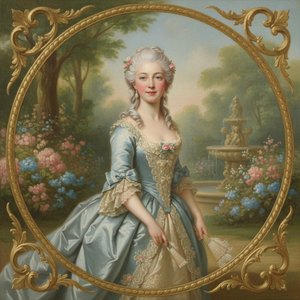
The Elegance of Rococo Portraiture: A Journey Through Grace, Soft Light, and Pastel Dreams
Discover the exquisite world of Rococo portraiture. Explore the delicate beauty of 18th-century French art, from pastel light to graceful asymmetry, and learn how to bring this era of elegance into your home through masterfully hand-painted oil reproductions.

Maurice Quentin de La Tour: Light, Shadow & the Rococo Portrait
Explore the captivating world of Maurice Quentin de La Tour, a master of Rococo portraiture. Discover his innovative pastel techniques, intimate depictions of French aristocracy, and lasting artistic legacy. Learn more at OriginalUniqueArt.

Francisco Goya: Top 25 Majstrovských Diel pre Váš Domov | OriginalUniqueArt.com
Ponorte sa do sveta Francisca Goya a jeho 25 najvýznamnejších diel. Objavte príbehy za ikonickými obrazmi romantizmu, portrétmi a Čiernymi maľbami. Reprodukcie obrazov pre váš interiér na OriginalUniqueArt.com – luxusné dekorácie s umením.
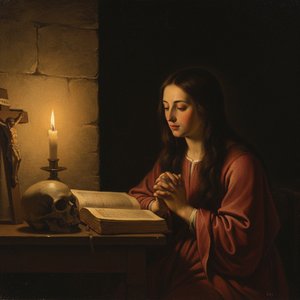
Georges de La Tour: Luminosity, Spirituality & Realism in Baroque Painting
Discover the captivating world of Georges de La Tour, a Baroque master renowned for his dramatic chiaroscuro & spiritual realism. Explore key works, influences, and his remarkable rediscovery. Learn more at OriginalUniqueArt.
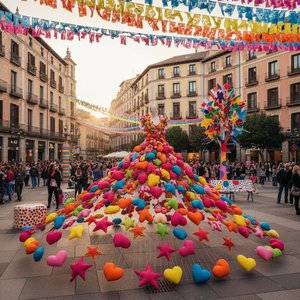
Águeda Ruiz de la Prada: A Study of Eclecticism & Emotional Resonance in Contemporary Spanish Painting
Discover the vibrant world of Ágatha Ruiz de la Prada, a leading figure in contemporary Spanish art. Explore her eclectic style, emotional depth & legacy – a must-read for discerning collectors.