
 Náhľad v interiéri
 Odoslať ako digitálnu kartu
 Zdieľať
 Podrobnosti o dielo
 Príručka

 Stiahnuť obraz
 Podobné položky
 RTG skúška
 Prehliadanie diapozoje
 Otázky a odpovede
 Štatistiky
The Crucifixion

- 269.0 x 307.0 cm


 Zobraziť viac
Giclée / Umenotlač
Giclée tlač alebo plátno múzeálnej kvality s rýchlou výrobou a rôznymi možnosťami povrchovej úpravy. ( Kúpiť ručne maľovaný obraz Prepnúť na digitálny obraz)




P118B €10

P118H €10

P118W €10

P438Z €10

P508JH €12

P508YH €12

P805H €10

P805Z €10

P919BZ €10

P919G €10

P919XJ €10

P959ZH €10

P968JZ €12

W106C €8

W218G €10

W218JH €8

W218Y €10

W307PJ €10

W316G €10

W316PJ €8

W316Y €10

W398PJ €8

W4111J €10

W500HY €15

W500JH €15

W692G €12

W849H €8

W940BG €15

W953PJ €8




Vyberte si z našich preddefinovaných rozmerov, ktoré zodpovedajú pôvodným pomeroḿ diela.

Zadajte šírku a výšku, ktoré potrebujete, aby sa reprodukcia hodila k vášmu rámu alebo stene. Print možno len orezávať, nikdy však nemennú veľkosť zvětšiť oproti pôvodnému obrázku, preto pri inom formáte stráca časť obrazu. Pred samotným vytlačiacím procesom vám pošleme digitálny náhľad na schválenie. Obrázok zobrazený na tejto stránke nezobrazuje reálny rez — len digitálny náhľad ukazuje presný výsledok.
Celosvetová doprava () do 2 týždňov namiesto štandardných 4 až 5 týždňov. (9 november)

Bezplatná expresná doprava po celom svete

Vysokokvalitné lnianske plátno

Kompletné poistenie prepravy

Záruka vrátenia colného poplatku

Záruka presného farebného zhodnutia

100-dená politika vrátenia tovaru (iba pri vadách)

100% záruka vrátenia peňazí

Zľava pri väčšom množstve
 Možnosť skla je dostupná len pri rozmeroch pod 110 cm

The Crucifixion
Giclée / Umenotlač
Veľkosť reprodukcie
-


Celková cena
€ 72
A Vision of Suffering: The Isenheim Altarpiece’s Central Panel
Matthias Grünewald's “The Crucifixion,” a cornerstone of the Isenheim Altarpiece, isn’t merely a depiction of a religious scene; it’s an immersive experience of profound sorrow and spiritual intensity. Completed around 1512-1516 for the Unterlinden Museum in Colmar, France, this panel transcends traditional iconography to deliver a visceral portrayal of Christ's agony – a testament to Grünewald’s mastery of late medieval German art. The painting immediately commands attention with its stark contrasts: the deep, bruised blues and purples of the background against the pallid flesh tones of the central figure, creating an atmosphere thick with despair. It’s a scene deliberately designed to evoke empathy, not through idealized beauty, but through unflinching realism.
Grünewald eschewed the polished elegance favored by Renaissance Italy, instead embracing the expressive power and emotional depth characteristic of Northern European art. He prioritized conveying feeling over precise anatomical detail, resulting in a Christ whose body is contorted with pain, his muscles strained, and his face etched with an almost unbearable suffering. The artist’s use of impasto – thick layers of paint applied directly to the panel – adds texture and dynamism to the scene, emphasizing the physicality of Christ's torment. The rough, unfinished quality of the brushstrokes contributes to a sense of immediacy, as if we are witnessing this event unfold before our very eyes.
Symbolism Woven into Suffering
Beyond its immediate emotional impact, “The Crucifixion” is rich in symbolic meaning. The figure of Christ isn’t presented as a noble martyr but as a profoundly human being experiencing the full weight of his sacrifice. To his left, John the Evangelist, depicted with an expression of anguish and grief, supports the Virgin Mary, who herself embodies sorrow. The presence of Saint Sebastian, traditionally associated with healing through suffering, and Saint Anthony, contemplating God’s will, further underscores the theme of redemption through pain. The lamb at the foot of the cross, a potent symbol of Christ as “the Lamb of God,” reinforces this central theological message.
The inclusion of figures like Mary Magdalene, kneeling in despair, highlights the universal human experience of loss and suffering connected to Christ’s death. Even the background landscape—a desolate, almost apocalyptic scene—contributes to the overall sense of foreboding and spiritual crisis. Grünewald masterfully integrates these symbolic elements into a single, unified composition, creating an artwork that speaks volumes about faith, sacrifice, and the enduring power of human emotion.
Technique and Context: A Masterpiece Forged in Darkness
The Isenheim Altarpiece was created during a period of significant religious upheaval in Europe. The Black Death had ravaged the continent, leaving behind widespread death, disease, and social disruption. This context profoundly shaped Grünewald’s artistic vision. The altarpiece was intended for a hospital dedicated to St. Anthony, where patients suffered from various ailments, including ergotism (St. Anthony's Fire), a debilitating illness characterized by hallucinations and convulsions. The painting’s raw emotional intensity and unflinching depiction of suffering were precisely what the patients needed – a visual reminder of their own mortality and the promise of salvation.
Grünewald employed oil paint on wood, a technique that allowed for rich colors and detailed textures. The use of grisaille (monochrome painting) in the outer panels—featuring saints depicted in shades of gray—contrasts sharply with the vibrant colors of the central panel, further emphasizing its dramatic impact. The altarpiece’s complex folding mechanism – allowing it to be displayed in three different configurations – was a groundbreaking innovation for its time, adding another layer of visual and spiritual complexity.
A Legacy of Emotional Resonance
“The Crucifixion” remains one of the most powerful and moving religious paintings ever created. Its enduring appeal lies not only in Grünewald’s technical skill but also in his ability to capture the essence of human suffering with such profound honesty and empathy. Reproductions of this masterpiece continue to inspire awe and contemplation, offering viewers a glimpse into the heart of medieval faith and artistic expression. It stands as a poignant reminder of Christ's sacrifice and the enduring power of art to connect us to our deepest emotions and spiritual longings.
Otázky a odpovede
Aká veľkosť tlače diela „The Crucifixion“ od Matthias Grünewald sa hodí do odporúčanej miestnosti?
Pre Living Room je odporúčaná veľkosť vytlačenej verzie diela „The Crucifixion“ od Matthias Grünewald Large.
Aká je technika a veľkosť originálu diela „The Crucifixion“ od Matthias Grünewald?
Technikou diela „The Crucifixion“ od Matthias Grünewald je Oil On Canvas a jeho zanéchané rozmery sú 269 x 307 cm.
Aký emocionálny tón sprevádza štýl Late Medieval Northern Renaissance diela „The Crucifixion“?
V rámci smeru Late Medieval Northern Renaissance je dielo „The Crucifixion“ zachytené s Melancholic tónom.
Biografia umelca
Matthias Grünewald: Život a odkaz
Raný život a umelecké začiatky
Matthias Grünewald, narodený ako Mathis Gothart Neithardt okolo rokov 1470–1475 vo Würzburgu v Nemecku, predstavoval kľúčovú postavu nemeckej renesancie. Hoci žil v období, ktoré bolo čoraz viac ovplyvňované ideálmi talianskej renesancie, Grünewald zostal hlboko zakorenený v umeleckých tradíciách neskornej stredoeurópskej gotiky. Informácie o jeho ranom živote sú vzácne, no vieme, že si prošiel umeleckým výçikom, pravdepodobne v rámci miestnych diel Nit.
Umelecký rozvoj a vplyvy
Grünewaldov umelecký rozvoj formovali vtedajšie severoeurópske tradície realismu, emocionálnej intenzity a detailného pozorovania. Jeho dielo vykazuje vplyvy umelcov ako Albrecht Dürer a Martin Schongauer, no on si vybojoval vlastnú, jedinečnú cestu, ktorú charakterizuje dramatická expresia a živá farebnosť. Nepôsobil priamo v humanistických kruhoch, ktoré boli vtedajší Talianskom dominantné; jeho umenie slúžilo primárne náboženským účelom a odrážalo duchovné úzkosti jeho doby.
Hlavné diela a umelecký štýl
- Isenheimský oltár (1512–1516): Toto majstrovské dielo, ktoré je uložené v Musée d'Unterlinden v Colmare, je považované za Grünewaldovo magnum opus. Zobrazuje scény z Kristovho života s mrazivým realizmom, pričom sa sústreďuje najmä na témy utrpenia a odkupu.
- Ukrižovanie (okolo 1502–150ľ3): Rané dielo demonštrujúce jeho rozvíjajúci sa štýl, ktoré vyniká intenzívnymi emóciami a anatomickou presnosťou.
- Panna Mária pri Zvestovaní (1512–14): Štúdia pre Isenheimský oltár, ktorá odhaľuje jeho dôsledný a precízny proces plánovania.
- Mojžiš (1511): Kresba, ktorá podčiarkuje Grünewaldovu schopnosť zachytiť expresívne postavy a dramatické pózy.
Grünewaldov štýl je definovaný niekoľkými kľúčovými prvkami:
- Dramatická kompozícia: Využíval dynamické usporiadanie prvkov na zvýšenie emocionálneho dopadu diela.
- Živá farebná paleta: Použitie intenzívnych, často kontrastných farieb vytváralo silný vizuálny zážitok.
- Realistické zobrazenie utrpenia: Grünewald sa netrpelivo vyhýbal zobrazovaniu fyzickej a psychickej bolesti spojená s náboženskými príbehmi.
- Expresívne postavy: Jeho postavy sú preplnené silnými emóciami a psychologickou hĺbkou.
Historický význam a odkaz
Grünewaldovo dielo stojí ako dôkaz trvalej sily stredovekých umeleckých tradícií v Nemecku počas renesancie. Prepojil medzeru medzi neskorogotickým štýlom a rodiacou sa renesanciou a vytvoril jedinečný vizuálny jazyk, ktorý rezonoval s jeho súčasníkmi. Jeho vplyv je viditeľný u neskorších nemeckých umelcov, ktorí pokračovali v skúmaní tém náboženského zapaľavosti a emocionálnej intenzity. Hoci bol po svojej smrti v roku 1528 na stáročia takmer zabudnutý, Grünewald zažil obroc v 19. storočí a dnes je uznávaný ako jeden z najdôležitejších maliarov nemeckej renesancie. Jeho umenie neustále očaruje divákov svojou surovou emóciou, technickou brilanciou a hlbokým duchovným rozmerom.
Ďalšie objavovanie
Získajte viac informácií o živote a diele Matthiasa Grünewalda na: OriginalUniqueArt

Matthias Grünewald
1480 - 1528 , Nemecko
Základné informácie
- Artistic Movement Or Style: Neskorogotický spiritualizmus
- Artists Who Influenced This Artist:
- Albrecht Dürer
- Martin Schongauer
- Date Of Birth: c. 1475/1480
- Date Of Death: 31. august 1528
- Full Name: Matthias Grünewald
- Nationality: Nemecký
- Notable Artworks:
- Posmievanie sa Kristovi
- Ukrižovanie Krista
- Sv. Vavrinec a sv. Cyriak
- Place Of Birth: Würzburg, Nemecko
Súvisiace články
Top 10 majstrov renesančného umenia: Obrazy, ktoré zmenili dejiny (OriginalUniqueArt.com)
Objavte 10 ikonických majstrov severnej renesancie! Jan van Eyck, Dürer a ďalší. Prežite príbehy umenia, techniky a farieb. Reprodukcie obrazov pre váš interiér na OriginalUniqueArt.com.
Illuminating Belief: A Visual Exploration of Faith Across Artistic Movements & Historical Contexts
Explore the rich history of faith through art! Discover Renaissance masterpieces, iconic artists & religious symbolism with expert analysis from OriginalUniqueArt. Perfect for collectors and enthusiasts.

The Northern Renaissance: A Flourishing of Realism, Religious Reform & Artistic Innovation
Explore the Northern Renaissance! Discover Jan van Eyck's innovations, religious shifts, & key artists of this influential period. Expert analysis and insights into Early Netherlandish painting at OriginalUniqueArt.
Northern Mannerism: The Dramatic Evolution of Renaissance Art and the Mastery of Elegant Distortion
Explore the dramatic evolution of Northern Mannerism. Discover how masters like Bosch and Grünewald transitioned from Renaissance harmony to profound, elegant distortion through an expert analysis of symbolism, emotional intensity, and artistic innovation.
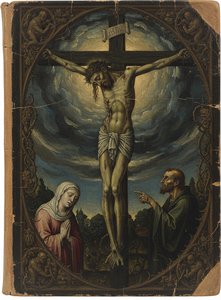
Matthias Grünewald: Devotion, Distortion & Spiritual Turmoil in Renaissance Art
Explore the profound religious art of Matthias Grünewald, master of the Isenheim Altarpiece. Discover his unique expressionism, symbolism & lasting impact on Renaissance painting. A guide for collectors and enthusiasts.


