

 Zobraziť v interiéri
 Odoslať
 Zdieľať
 Podrobnosti
 Príručka

 Stiahnuť
 Podobné položky
 RTG skúška
 Prehliadanie diapo\]
 Štatistiky
St Antony the Hermit
 Oil On Panel
- WallArt
- German Renaissance
 1515
1515- Renaissance
 232.0 x 75.0 cm
 Musée d’Unterlinden
 Prečítať si viac
Giclée / Umenotlač
Giclée tlač alebo plátno múzeálnej kvality s rýchlou výrobou a rôznymi možnosťami povrchovej úpravy. ( Objednať ručne maľovanú reprodukciu Prepnúť na digitálnu verziu obrazu)




P118B €10

P118H €10

P118W €10

P438Z €10

P508JH €12

P508YH €12

P805H €10

P805Z €10

P919BZ €10

P919G €10

P919XJ €10

P959ZH €10

P968JZ €12

W106C €8

W218G €10

W218JH €8

W218Y €10

W307PJ €10

W316G €10

W316PJ €8

W316Y €10

W398PJ €8

W4111J €10

W500HY €15

W500JH €15

W692G €12

W849H €8

W940BG €15

W953PJ €8




Vyberte si z našich preddefinovaných rozmerov, ktoré zodpovedajú pôvodným pomeroḿ diela.

Zadajte šírku a výšku, ktoré potrebujete, aby sa reprodukcia hodila k vášmu rámu alebo stene. Print možno len orezávať, nikdy však nemennú veľkosť zvětšiť oproti pôvodnému obrázku, preto pri inom formáte stráca časť obrazu. Pred samotným vytlačiacím procesom vám pošleme digitálny náhľad na schválenie. Obrázok zobrazený na tejto stránke nezobrazuje reálny rez — len digitálny náhľad ukazuje presný výsledok.
Celosvetová doprava () do 2 týždňov namiesto štandardných 4 až 5 týždňov. (25 október)

Bezplatná expresná doprava po celom svete

Vysokokvalitné lnianske plátno

Úplné poistenie prepravy

Záruka vrátenia colného poplatku

Záruka presného farebného zhodnutia

100-dená politika vrátenia tovaru (iba pri vadách)

100% záruka vrátenia peňazí

Ponuka množstevnej zľavy
 Možnosť skla je dostupná len pri rozmeroch pod 110 cm

St Antony the Hermit
Giclée / Umenotlač
Veľkosť reprodukcie
-


Celková cena
€ 70
A Vision of Solitude: The Spiritual Depth of St Antony the Hermit
In the quiet, shadowed corners of art history, few works command the soul with such profound stillness as Matthias Grünewald’s St Antony the Hermit. Completed in 1515, this monumental oil on panel serves as a breathtaking window into the late medieval spirit, captured at the very moment it began to merge with the burgeoning Renaissance aesthetic. The painting does not merely depict a saint; it invites the viewer into a sacred, meditative space. As one gazes upon the elderly figure of St Antony, there is an immediate sense of being transported to a time when art was a direct conduit for the divine. His long, flowing beard and alabaster skin are rendered with a meticulousness that transcends mere representation, offering instead a portrait of spiritual asceticism that feels both ancient and eternally present.
The composition is a masterclass in atmospheric storytelling. Grünewald places the saint within a darkened chamber, where rough stone walls enclose him in a cocoon of isolation. This setting is far from accidental; it symbolizes the hermit’s deliberate detachment from the cacophony of the worldly life in pursuit of a higher truth. The presence of a barred window suggests the confines of a cell or monastery, yet the spiritual expanse within the painting feels limitless. For the collector or the lover of fine art, this piece offers more than just visual beauty; it provides a focal point for contemplation, making it an extraordinary addition to any space dedicated to reflection and peace.
The Alchemy of Color and Light
Technically, Grünewald’s work is a triumph of texture and chiaroscuro. The artist employs a rich, somber palette—deep blacks, muted browns, and earthy tones—which allows the sudden, vibrant strike of crimson to resonate with startling intensity. St Antony’s red robe, draped over a dark tunic, acts as a visual heartbeat within the gloom, drawing the eye toward the saint's contemplative gesture. His right hand, resting gently upon his chest, is a silent testament to prayerful devotion and an unwavering faith that refuses to be extinguished by the surrounding shadows.
The interplay of light and shadow in this work creates a sculptural depth that is rare even among the masters of the Northern Renaissance. Every fold of the fabric and every line etched into the saint's weathered face tells a story of endurance. For interior designers seeking to infuse a room with character and gravitas, a high-quality reproduction of this masterpiece brings a sense of historical weight and dramatic elegance. The painting’s ability to balance heavy, textured realism with an ethereal, spiritual glow makes it a versatile yet commanding presence in sophisticated decor.
A Legacy of Devotion for the Modern Collector
To understand St Antony the Hermit is to understand the unique genius of Matthias Grünewald. Unlike his contemporary Albrecht Dürer, who embraced the classical humanism of Italy, Grünewald remained a poet of the Northern tradition, prioritizing emotional resonance and raw, spiritual truth over formal perfection. This dedication to the "inner life" ensures that his work remains perpetually relevant. In an era of constant digital distraction, the profound silence captured in this panel offers a much-needed sanctuary.
Owning or displaying a reproduction of this work is an act of preserving a piece of German Renaissance history. It is an opportunity to surround oneself with the textures of the past and the enduring power of faith. Whether placed in a private study, a quiet library, or a curated gallery space, St Antony the Hermit serves as a constant reminder of the beauty found in solitude and the strength found in stillness. It is not just a painting; it is an invitation to breathe, to reflect, and to find meaning in the shadows.
Otázky a odpovede
Čo za umelecký smer patrí „St Antony the Hermit“ od Matthias Grünewald?
Uvedené smer v kontexte diela „St Antony the Hermit“ od Matthias Grünewald je German Renaissance. Táto klasifikácia umiestňuje toto dielo medzi súvisiace umelcov a umelecké diela.
V akom období vzniklo dielo „St Antony the Hermit“ od Matthias Grünewald?
Historické obdobie diela „St Antony the Hermit“ od Matthias Grünewald je Renaissance. Táto klasifikácia umiestňuje toto dielo v kontexte dejín umenia.
Kto vytvoril dielo „St Antony the Hermit“ a v ktorom roku?
Matthias Grünewald vytvoril/a „St Antony the Hermit“ v roku 1515.
Biografia umelca
Matthias Grünewald: Život a odkaz
Raný život a umelecké začiatky
Matthias Grünewald, narodený ako Mathis Gothart Neithardt okolo rokov 1470–1475 vo Würzburgu v Nemecku, predstavoval kľúčovú postavu nemeckej renesancie. Hoci žil v období, ktoré bolo čoraz viac ovplyvňované ideálmi talianskej renesancie, Grünewald zostal hlboko zakorenený v umeleckých tradíciách neskornej stredoeurópskej gotiky. Informácie o jeho ranom živote sú vzácne, no vieme, že si prošiel umeleckým výçikom, pravdepodobne v rámci miestnych diel Nit.
Umelecký rozvoj a vplyvy
Grünewaldov umelecký rozvoj formovali vtedajšie severoeurópske tradície realismu, emocionálnej intenzity a detailného pozorovania. Jeho dielo vykazuje vplyvy umelcov ako Albrecht Dürer a Martin Schongauer, no on si vybojoval vlastnú, jedinečnú cestu, ktorú charakterizuje dramatická expresia a živá farebnosť. Nepôsobil priamo v humanistických kruhoch, ktoré boli vtedajší Talianskom dominantné; jeho umenie slúžilo primárne náboženským účelom a odrážalo duchovné úzkosti jeho doby.
Hlavné diela a umelecký štýl
- Isenheimský oltár (1512–1516): Toto majstrovské dielo, ktoré je uložené v Musée d'Unterlinden v Colmare, je považované za Grünewaldovo magnum opus. Zobrazuje scény z Kristovho života s mrazivým realizmom, pričom sa sústreďuje najmä na témy utrpenia a odkupu.
- Ukrižovanie (okolo 1502–150ľ3): Rané dielo demonštrujúce jeho rozvíjajúci sa štýl, ktoré vyniká intenzívnymi emóciami a anatomickou presnosťou.
- Panna Mária pri Zvestovaní (1512–14): Štúdia pre Isenheimský oltár, ktorá odhaľuje jeho dôsledný a precízny proces plánovania.
- Mojžiš (1511): Kresba, ktorá podčiarkuje Grünewaldovu schopnosť zachytiť expresívne postavy a dramatické pózy.
Grünewaldov štýl je definovaný niekoľkými kľúčovými prvkami:
- Dramatická kompozícia: Využíval dynamické usporiadanie prvkov na zvýšenie emocionálneho dopadu diela.
- Živá farebná paleta: Použitie intenzívnych, často kontrastných farieb vytváralo silný vizuálny zážitok.
- Realistické zobrazenie utrpenia: Grünewald sa netrpelivo vyhýbal zobrazovaniu fyzickej a psychickej bolesti spojená s náboženskými príbehmi.
- Expresívne postavy: Jeho postavy sú preplnené silnými emóciami a psychologickou hĺbkou.
Historický význam a odkaz
Grünewaldovo dielo stojí ako dôkaz trvalej sily stredovekých umeleckých tradícií v Nemecku počas renesancie. Prepojil medzeru medzi neskorogotickým štýlom a rodiacou sa renesanciou a vytvoril jedinečný vizuálny jazyk, ktorý rezonoval s jeho súčasníkmi. Jeho vplyv je viditeľný u neskorších nemeckých umelcov, ktorí pokračovali v skúmaní tém náboženského zapaľavosti a emocionálnej intenzity. Hoci bol po svojej smrti v roku 1528 na stáročia takmer zabudnutý, Grünewald zažil obroc v 19. storočí a dnes je uznávaný ako jeden z najdôležitejších maliarov nemeckej renesancie. Jeho umenie neustále očaruje divákov svojou surovou emóciou, technickou brilanciou a hlbokým duchovným rozmerom.
Ďalšie objavovanie
Získajte viac informácií o živote a diele Matthiasa Grünewalda na: OriginalUniqueArt

Matthias Grünewald
1480 - 1528 , Nemecko
Rýchle fakty
- Artistic Movement Or Style: Neskorogotický spiritualizmus
- Artists Who Influenced This Artist:
- Albrecht Dürer
- Martin Schongauer
- Date Of Birth: c. 1475/1480
- Date Of Death: 31. august 1528
- Full Name: Matthias Grünewald
- Nationality: Nemecký
- Notable Artworks:
- Posmievanie sa Kristovi
- Ukrižovanie Krista
- Sv. Vavrinec a sv. Cyriak
- Place Of Birth: Würzburg, Nemecko
Súvisiace články
High Medieval Art: 10 Masterpieces That Shaped an Era | OriginalUniqueArt
Journey through High Medieval Art! Explore 10 iconic masterpieces – from Giotto's frescoes to stunning Gothic cathedrals. Discover the stories behind these timeless paintings, sculptures & illuminated manuscripts. Find museum-quality art reproductions at OriginalUniqueArt.com.
Late Medieval Masterpieces: 10 Artworks That Defined an Era | OriginalUniqueArt
Journey through 10 defining Late Medieval masterpieces – from Giotto's frescoes to Jan van Eyck’s realism. Explore the stories, techniques & vibrant colors of Gothic art. Find museum-quality reproductions and elevate your home decor with OriginalUniqueArt.com! Discover all masterpieces on OriginalUniqueArt.com
Illuminating Belief: A Visual Exploration of Faith Across Artistic Movements & Historical Contexts
Explore the rich history of faith through art! Discover Renaissance masterpieces, iconic artists & religious symbolism with expert analysis from OriginalUniqueArt. Perfect for collectors and enthusiasts.
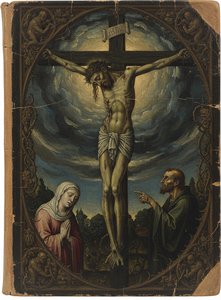
Matthias Grünewald: Devotion, Distortion & Spiritual Turmoil in Renaissance Art
Explore the profound religious art of Matthias Grünewald, master of the Isenheim Altarpiece. Discover his unique expressionism, symbolism & lasting impact on Renaissance painting. A guide for collectors and enthusiasts.

Divine Splendor: A Guide to the Sacred Beauty and Symbolic Depth of High Medieval Art
Embark on a scholarly journey through the sacred beauty of High Medieval art. Discover the profound symbolism, luminous iconography, and spiritual depth of Gothic masterpieces in this expert guide for classical art enthusiasts.


