

 Zobraziť v interiéri
 Odoslať
 Zdieľať
 Podrobnosti
 Príručkovo

 Stiahnuť
 Podobné položky
 RTG skúška
 Prehliadanie diapo\]
 Štatistiky
St Anthony (detail)


 Prečítať si viac
Ručne maľovaná olejová reprodukcia
Ručne maľovaný olej na plátne vo vašej zvolenej veľkosti a v ráme, vyrobený na mieru našimi umelcami. ( Prepnúť na tlač Prepnúť na digitálnu verziu obrazu)




P118B $10

P118H $10

P118W $10

P438Z $10

P508JH $12

P508YH $12

P805H $10

P805Z $10

P919BZ $10

P919G $10

P919XJ $10

P959ZH $10

P968JZ $12

W106C $8

W218G $10

W218JH $8

W218Y $10

W307PJ $10

W316G $10

W316PJ $8

W316Y $10

W398PJ $8

W4111J $10

W500HY $15

W500JH $15

W692G $12

W849H $8

W940BG $15

W953PJ $8




Vyberte si z našich preddefinovaných rozmerov, ktoré zodpovedajú pôvodným pomeroḿ diela.

Môžete zadať vlastné rozmery tak, aby sa hodili do konkrétneho rámu alebo priestoru. Ak sa váš zvolený rozmer nezhoduje s pôvodnými proporciami obrazu, dielo buď orezáme, alebo ho doplníme ručne maľovanými prvkami. Pred začiatkom výroby vám zašleme digitálny náhľad na schválenie.
Upozorňujeme, že ukážka na obrazovke neodráža skutočné orezanie ani doplnenie. Skutočnú finálnu kompozíciu zobrazuje iba digitálny náhľad.
Hoci sú k dispozícii vlastné rozmery, odporúčame vybrať rozmer z preddefinovaného zoznamu, aby sme zachovali pôvodné proporcie.
Po odoslaní objednávky vám tím OriginalUniqueArt.com pošle e-mail s pokynmi a poskytne náhľad na návrh
Celosvetová doprava () za 3 až 4 týždne namiesto štandardných 5 týždňov. (20 september). Bez kompromisov v kvalite.

Bezplatná expresná doprava po celom svete

Vysokokvalitné lnianske plátno

Úplné poistenie prepravy

Záruka vrátenia colného poplatku

Záruka presného farebného zhodnutia

100-dená politika vrátenia tovaru (iba pri vadách)

100% záruka vrátenia peňazí

Ponuka množstevnej zľavy
 Možnosť skla je dostupná len pri rozmeroch pod 110 cm

St Anthony (detail)
Spôsob reprodukcie
Veľkosť reprodukcie
-


Celková cena
$ 300
The Weight of the Desert: A Study in Medieval Devotion
Matthias Grünewald’s “St Anthony (detail)” is not merely a portrait; it's an immersion into the psychological and spiritual landscape of 16th-century Germany. Painted around 1515, this intimate depiction captures a moment of profound contemplation within the saint’s solitary desert existence – a world rendered with startling realism amidst the conventions of late medieval art. The painting immediately draws the eye to Anthony's face: etched with lines of worry and deep thought, his gaze is directed slightly off-center, suggesting an internal struggle, a battle waged not against external foes but against the seductive whispers of temptation. The muted palette – dominated by earthy browns, ochres, and subtle blues – reinforces this sense of introspection, creating a space that feels both grounded and profoundly melancholic.
- Technique: Grünewald’s mastery lies in his meticulous attention to detail. The texture of Anthony's beard is rendered with an almost sculptural quality, each strand meticulously painted; the folds of his crimson cloak are subtly defined, conveying a sense of weight and movement. The use of *sfumato*, a technique borrowed from Renaissance masters, softens the edges and creates a hazy atmosphere, contributing to the painting’s dreamlike quality.
- Composition: The composition is deliberately restrained, focusing entirely on Anthony and his immediate surroundings. This intensifies the sense of isolation and draws the viewer into the saint's inner world. The dark background serves to further isolate the figure, emphasizing his vulnerability and spiritual struggle.
Echoes of the Isenheim Altarpiece
“St Anthony (detail)” is inextricably linked to Grünewald’s monumental Isenheim Altarpiece, a work that profoundly shaped the artist's style and vision. While the altarpiece itself is a complex tapestry of religious imagery, this panel offers a concentrated distillation of its core themes: temptation, solitude, and the enduring power of faith. The stylistic similarities are striking – the same dramatic use of light and shadow, the same intense emotionality, and the same willingness to depict human suffering with unflinching honesty. It’s believed that Grünewald was working on this detail while simultaneously contributing to the larger altarpiece project, demonstrating a remarkable capacity for simultaneous creation.
Research Note: The Isenheim Altarpiece offers an unparalleled opportunity to witness Grünewald’s artistic genius in full context, revealing the depth and complexity of his vision.Symbolism: The Desert's Silent Language
Beyond its immediate depiction of St. Anthony, the painting is laden with symbolic meaning. The barren landscape surrounding the saint represents the harsh realities of desert life – a place of deprivation, solitude, and constant temptation. The small cell within the ruined tower symbolizes Anthony’s retreat into himself, his dedication to prayer and contemplation. The presence of the demonic figures, rendered in shadowy detail, underscores the ongoing struggle against evil that defines the saint's journey. Notably, the inclusion of a small crucifix within the cell suggests the ultimate source of strength and salvation – a reminder of Christ’s sacrifice and the promise of redemption.
- The Red Hat: The distinctive red hat worn by Anthony is not merely decorative; it's a symbol of his dedication to the Franciscan Order, signifying humility and service.
- The Deer: The deer in the foreground represents worldly desires and temptations, subtly hinting at the challenges Anthony faces in maintaining his spiritual purity.
A Window into the Soul
“St Anthony (detail)” transcends its status as a mere religious painting; it’s a profound meditation on human nature – on our capacity for both great suffering and enduring faith. Grünewald's ability to capture the weight of the desert, the intensity of inner turmoil, and the quiet dignity of a man wrestling with his demons is truly remarkable. This intimate portrait invites viewers to contemplate their own struggles, their own temptations, and their own search for meaning in a world often characterized by uncertainty and despair. It remains a powerful testament to the enduring legacy of one of Germany’s greatest Renaissance artists.
Biografia umelca
Matthias Grünewald: Život a odkaz
Raný život a umelecké začiatky
Matthias Grünewald, narodený ako Mathis Gothart Neithardt okolo rokov 1470–1475 vo Würzburgu v Nemecku, predstavoval kľúčovú postavu nemeckej renesancie. Hoci žil v období, ktoré bolo čoraz viac ovplyvňované ideálmi talianskej renesancie, Grünewald zostal hlboko zakorenený v umeleckých tradíciách neskornej stredoeurópskej gotiky. Informácie o jeho ranom živote sú vzácne, no vieme, že si prošiel umeleckým výçikom, pravdepodobne v rámci miestnych diel Nit.
Umelecký rozvoj a vplyvy
Grünewaldov umelecký rozvoj formovali vtedajšie severoeurópske tradície realismu, emocionálnej intenzity a detailného pozorovania. Jeho dielo vykazuje vplyvy umelcov ako Albrecht Dürer a Martin Schongauer, no on si vybojoval vlastnú, jedinečnú cestu, ktorú charakterizuje dramatická expresia a živá farebnosť. Nepôsobil priamo v humanistických kruhoch, ktoré boli vtedajší Talianskom dominantné; jeho umenie slúžilo primárne náboženským účelom a odrážalo duchovné úzkosti jeho doby.
Hlavné diela a umelecký štýl
- Isenheimský oltár (1512–1516): Toto majstrovské dielo, ktoré je uložené v Musée d'Unterlinden v Colmare, je považované za Grünewaldovo magnum opus. Zobrazuje scény z Kristovho života s mrazivým realizmom, pričom sa sústreďuje najmä na témy utrpenia a odkupu.
- Ukrižovanie (okolo 1502–150ľ3): Rané dielo demonštrujúce jeho rozvíjajúci sa štýl, ktoré vyniká intenzívnymi emóciami a anatomickou presnosťou.
- Panna Mária pri Zvestovaní (1512–14): Štúdia pre Isenheimský oltár, ktorá odhaľuje jeho dôsledný a precízny proces plánovania.
- Mojžiš (1511): Kresba, ktorá podčiarkuje Grünewaldovu schopnosť zachytiť expresívne postavy a dramatické pózy.
Grünewaldov štýl je definovaný niekoľkými kľúčovými prvkami:
- Dramatická kompozícia: Využíval dynamické usporiadanie prvkov na zvýšenie emocionálneho dopadu diela.
- Živá farebná paleta: Použitie intenzívnych, často kontrastných farieb vytváralo silný vizuálny zážitok.
- Realistické zobrazenie utrpenia: Grünewald sa netrpelivo vyhýbal zobrazovaniu fyzickej a psychickej bolesti spojená s náboženskými príbehmi.
- Expresívne postavy: Jeho postavy sú preplnené silnými emóciami a psychologickou hĺbkou.
Historický význam a odkaz
Grünewaldovo dielo stojí ako dôkaz trvalej sily stredovekých umeleckých tradícií v Nemecku počas renesancie. Prepojil medzeru medzi neskorogotickým štýlom a rodiacou sa renesanciou a vytvoril jedinečný vizuálny jazyk, ktorý rezonoval s jeho súčasníkmi. Jeho vplyv je viditeľný u neskorších nemeckých umelcov, ktorí pokračovali v skúmaní tém náboženského zapaľavosti a emocionálnej intenzity. Hoci bol po svojej smrti v roku 1528 na stáročia takmer zabudnutý, Grünewald zažil obroc v 19. storočí a dnes je uznávaný ako jeden z najdôležitejších maliarov nemeckej renesancie. Jeho umenie neustále očaruje divákov svojou surovou emóciou, technickou brilanciou a hlbokým duchovným rozmerom.
Ďalšie objavovanie
Získajte viac informácií o živote a diele Matthiasa Grünewalda na: OriginalUniqueArt

Matthias Grünewald
1480 - 1528 , Nemecko
Rýchle fakty
- Artistic Movement Or Style: Neskorogotický spiritualizmus
- Artists Who Influenced This Artist:
- Albrecht Dürer
- Martin Schongauer
- Date Of Birth: c. 1475/1480
- Date Of Death: 31. august 1528
- Full Name: Matthias Grünewald
- Nationality: Nemecký
- Notable Artworks:
- Posmievanie sa Kristovi
- Ukrižovanie Krista
- Sv. Vavrinec a sv. Cyriak
- Place Of Birth: Würzburg, Nemecko
Súvisiace články
High Medieval Art: 10 Masterpieces That Shaped an Era | OriginalUniqueArt
Journey through High Medieval Art! Explore 10 iconic masterpieces – from Giotto's frescoes to stunning Gothic cathedrals. Discover the stories behind these timeless paintings, sculptures & illuminated manuscripts. Find museum-quality art reproductions at OriginalUniqueArt.com.

El Greco: Top 25 Majstrovských Diel pre Váš Domov - OriginalUniqueArt.com
Ponorte sa do sveta El Greca s OriginalUniqueArt.com! Objavte top 25 majstrovských diel španielskeho renesančného maliara – od duchovných náboženských obrazov po ikonické manieristické kompozície. Kúpiť reprodukcie online a inšpirujte sa pre váš interiér.
Late Medieval Masterpieces: 10 Artworks That Defined an Era | OriginalUniqueArt
Journey through 10 defining Late Medieval masterpieces – from Giotto's frescoes to Jan van Eyck’s realism. Explore the stories, techniques & vibrant colors of Gothic art. Find museum-quality reproductions and elevate your home decor with OriginalUniqueArt.com! Discover all masterpieces on OriginalUniqueArt.com

Divine Splendor: A Guide to the Sacred Beauty and Symbolic Depth of High Medieval Art
Embark on a scholarly journey through the sacred beauty of High Medieval art. Discover the profound symbolism, luminous iconography, and spiritual depth of Gothic masterpieces in this expert guide for classical art enthusiasts.
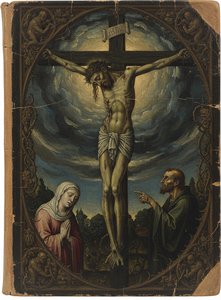
Matthias Grünewald: Devotion, Distortion & Spiritual Turmoil in Renaissance Art
Explore the profound religious art of Matthias Grünewald, master of the Isenheim Altarpiece. Discover his unique expressionism, symbolism & lasting impact on Renaissance painting. A guide for collectors and enthusiasts.


