

 Zobraziť v interiéri
 Odoslať
 Zdieľať
 Podrobnosti
 Príručka

 Stiahnuť
 Podobné položky
 RTG skúška
 Prehliadanie diapo\]
 Štatistiky
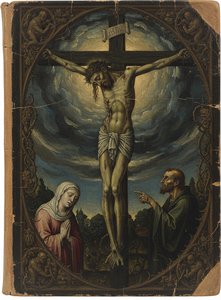
Calvary
 Oil On Canvas
- WallArt
- Early Netherlandish Painting
 1508
1508 73.0 x 53.0 cm
 Kunstmuseum Basel
 Prečítať si viac
Ručne maľovaná olejová reprodukcia
Ručne maľovaný olej na plátne vo vašej zvolenej veľkosti a v ráme, vyrobený na mieru našimi umelcami. ( Prepnúť na tlač Prepnúť na digitálnu verziu obrazu)




P118B €10

P118H €10

P118W €10

P438Z €10

P508JH €12

P508YH €12

P805H €10

P805Z €10

P919BZ €10

P919G €10

P919XJ €10

P959ZH €10

P968JZ €12

W106C €8

W218G €10

W218JH €8

W218Y €10

W307PJ €10

W316G €10

W316PJ €8

W316Y €10

W398PJ €8

W4111J €10

W500HY €15

W500JH €15

W692G €12

W849H €8

W940BG €15

W953PJ €8




Vyberte si z našich preddefinovaných rozmerov, ktoré zodpovedajú pôvodným pomeroḿ diela.

Zadajte šírku a výšku, ktoré potrebujete, aby sa dielo hodilo k vášmu rámu alebo stene. Keďže ide o ručnú maľbu, pri rozmeroch s odlišným pomerom strán môže umelec namalovať o niečo viac okolo obrázka alebo ho mierne orezatú — výber patrí vám. Pred začatím maľovania vám pošleme digitálnu ukážku na schválenie. Obrázok zobrazený na tejto stránke nenahrádza reálny výsledok — ten zobrazuje iba digitálna ukážka.
Po odoslaní objednávky vám tím OriginalUniqueArt.com pošle e-mail s pokynmi a poskytne náhľad na návrh
Celosvetová doprava () za 3 až 4 týždne namiesto štandardných 5 týždňov. (27 október). Bez kompromisov v kvalite.

Bezplatná expresná doprava po celom svete

Vysokokvalitné lnianske plátno

Úplné poistenie prepravy

Záruka vrátenia colného poplatku

Záruka presného farebného zhodnutia

100-dená politika vrátenia tovaru (iba pri vadách)

100% záruka vrátenia peňazí

Ponuka množstevnej zľavy
 Možnosť skla je dostupná len pri rozmeroch pod 110 cm

Calvary
Spôsob reprodukcie
Veľkosť reprodukcie
-


Celková cena
€ 373
The Agony of Christ: Matthias Grünewald’s ‘Calvary’
Matthias Grünewald's “Calvary,” painted in 1508, isn’t merely a depiction of the crucifixion; it’s a visceral plunge into the heart of human suffering and spiritual torment. Born in Würzburg around 1470, Grünewald stood as a pivotal figure bridging the late medieval artistic traditions of Northern Europe with the nascent fervor of the Renaissance. Unlike his Italian counterparts who embraced humanist ideals, Grünewald remained deeply rooted in the emotional intensity and meticulous observation characteristic of his region, creating an artwork profoundly shaped by religious devotion rather than secular concerns. This painting, now housed at the Kunstmuseum Basel, is a testament to this unique approach – a raw, unflinching portrayal of Christ’s sacrifice that continues to resonate with viewers centuries later.
The composition itself immediately commands attention. Grünewald employs a pyramidal structure, anchoring the scene around the central figure of Christ on the cross. His body, rendered with an almost brutal realism, is contorted in agony, muscles straining under the weight of his torment. The figures surrounding him – Mary weeping, John the Evangelist recoiling in horror, and onlookers expressing disbelief – are not idealized representations but rather embodiments of human emotion: grief, despair, and confusion. The tight arrangement within the frame creates a claustrophobic atmosphere, intensifying the sense of tragedy and drawing the viewer directly into the scene’s unbearable weight.
A Symphony of Color and Texture
Grünewald's masterful technique is immediately apparent in the painting’s rich textures and dramatic use of color. He eschewed the smooth, polished surfaces favored by some Renaissance artists, opting instead for a deliberately rough and uneven application of oil paint. This creates a tactile quality, inviting viewers to almost feel the grit beneath their fingertips. The palette is dominated by muted browns, ochres, and deep reds – colors that evoke both the earthiness of the landscape and the blood spilled on Christ’s body. Highlights of white accentuate Christ's flesh, drawing attention to his suffering while simultaneously emphasizing the stark contrast between life and death.
The artist’s layering technique is particularly noteworthy. Grünewald built up form through multiple thin layers of paint, creating a sense of depth and volume that belies the painting’s relatively small scale. The use of linear perspective, though somewhat flattened compared to later Renaissance works, effectively guides the viewer's eye towards Christ at the apex of the composition. The careful rendering of drapery – the heavy folds of Christ’s tunic and the flowing garments of the onlookers – adds another layer of visual complexity, demonstrating Grünewald’s exceptional skill in capturing the nuances of fabric.
Symbolism and Spiritual Weight
“Calvary” is laden with symbolic meaning. The stark landscape, devoid of any comforting details, represents the desolate reality of Christ's abandonment. The instruments of torture – the nails, the beam, the rope – are not merely props but potent symbols of human cruelty and divine suffering. The expressions on the faces of the onlookers range from sorrow to disbelief, reflecting the profound theological implications of Christ’s sacrifice: a rejection of worldly power and an affirmation of faith in the face of unimaginable pain.
Furthermore, the painting's placement within the Isenheim Altarpiece—a larger work featuring multiple scenes from the life of Christ—contributes to its overall significance. “Calvary” serves as a pivotal moment within this complex narrative, embodying both the physical agony and the spiritual redemption offered by Christ’s death. The altarpiece as a whole was designed to be viewed in different configurations, offering viewers a multifaceted experience of faith and suffering.
A Legacy of Emotional Intensity
Matthias Grünewald's “Calvary” stands as a landmark achievement in Northern Renaissance art. His willingness to embrace emotional intensity and unflinching realism set him apart from his contemporaries, forging a unique artistic voice that continues to captivate viewers today. The painting’s enduring power lies not only in its technical brilliance but also in its profound exploration of human suffering and spiritual longing. It is a work that demands contemplation, inviting us to confront the uncomfortable truths about mortality, faith, and the nature of sacrifice – a timeless masterpiece that transcends its historical context.
Otázky a odpovede
Je k dispozícii prezentácia pre „Calvary“ od Matthias Grünewald?
Dielo „Calvary“ od Matthias Grünewald si môžete pozrieť ako diaporama na stránke Diaporama daného diela.
V ktorom roku bolo vytvorené dielo „Calvary“ od Matthias Grünewald?
Dielo „Calvary“ pochádza z roku 1508. Toto datum zaraduje prácu do kariéry umelca Matthias Grünewald aj do jeho éry.
Pod akými ďalšími menami je známy/á Matthias Grünewald?
Matthias Grünewald je známy aj pod menom Mathis Gothart Neithardt, Matthias Grunewald.
Biografia umelca
Matthias Grünewald: Život a odkaz
Raný život a umelecké začiatky
Matthias Grünewald, narodený ako Mathis Gothart Neithardt okolo rokov 1470–1475 vo Würzburgu v Nemecku, predstavoval kľúčovú postavu nemeckej renesancie. Hoci žil v období, ktoré bolo čoraz viac ovplyvňované ideálmi talianskej renesancie, Grünewald zostal hlboko zakorenený v umeleckých tradíciách neskornej stredoeurópskej gotiky. Informácie o jeho ranom živote sú vzácne, no vieme, že si prošiel umeleckým výçikom, pravdepodobne v rámci miestnych diel Nit.
Umelecký rozvoj a vplyvy
Grünewaldov umelecký rozvoj formovali vtedajšie severoeurópske tradície realismu, emocionálnej intenzity a detailného pozorovania. Jeho dielo vykazuje vplyvy umelcov ako Albrecht Dürer a Martin Schongauer, no on si vybojoval vlastnú, jedinečnú cestu, ktorú charakterizuje dramatická expresia a živá farebnosť. Nepôsobil priamo v humanistických kruhoch, ktoré boli vtedajší Talianskom dominantné; jeho umenie slúžilo primárne náboženským účelom a odrážalo duchovné úzkosti jeho doby.
Hlavné diela a umelecký štýl
- Isenheimský oltár (1512–1516): Toto majstrovské dielo, ktoré je uložené v Musée d'Unterlinden v Colmare, je považované za Grünewaldovo magnum opus. Zobrazuje scény z Kristovho života s mrazivým realizmom, pričom sa sústreďuje najmä na témy utrpenia a odkupu.
- Ukrižovanie (okolo 1502–150ľ3): Rané dielo demonštrujúce jeho rozvíjajúci sa štýl, ktoré vyniká intenzívnymi emóciami a anatomickou presnosťou.
- Panna Mária pri Zvestovaní (1512–14): Štúdia pre Isenheimský oltár, ktorá odhaľuje jeho dôsledný a precízny proces plánovania.
- Mojžiš (1511): Kresba, ktorá podčiarkuje Grünewaldovu schopnosť zachytiť expresívne postavy a dramatické pózy.
Grünewaldov štýl je definovaný niekoľkými kľúčovými prvkami:
- Dramatická kompozícia: Využíval dynamické usporiadanie prvkov na zvýšenie emocionálneho dopadu diela.
- Živá farebná paleta: Použitie intenzívnych, často kontrastných farieb vytváralo silný vizuálny zážitok.
- Realistické zobrazenie utrpenia: Grünewald sa netrpelivo vyhýbal zobrazovaniu fyzickej a psychickej bolesti spojená s náboženskými príbehmi.
- Expresívne postavy: Jeho postavy sú preplnené silnými emóciami a psychologickou hĺbkou.
Historický význam a odkaz
Grünewaldovo dielo stojí ako dôkaz trvalej sily stredovekých umeleckých tradícií v Nemecku počas renesancie. Prepojil medzeru medzi neskorogotickým štýlom a rodiacou sa renesanciou a vytvoril jedinečný vizuálny jazyk, ktorý rezonoval s jeho súčasníkmi. Jeho vplyv je viditeľný u neskorších nemeckých umelcov, ktorí pokračovali v skúmaní tém náboženského zapaľavosti a emocionálnej intenzity. Hoci bol po svojej smrti v roku 1528 na stáročia takmer zabudnutý, Grünewald zažil obroc v 19. storočí a dnes je uznávaný ako jeden z najdôležitejších maliarov nemeckej renesancie. Jeho umenie neustále očaruje divákov svojou surovou emóciou, technickou brilanciou a hlbokým duchovným rozmerom.
Ďalšie objavovanie
Získajte viac informácií o živote a diele Matthiasa Grünewalda na: OriginalUniqueArt

Matthias Grünewald
1480 - 1528 , Nemecko
Rýchle fakty
- Artistic Movement Or Style: Neskorogotický spiritualizmus
- Artists Who Influenced This Artist:
- Albrecht Dürer
- Martin Schongauer
- Date Of Birth: c. 1475/1480
- Date Of Death: 31. august 1528
- Full Name: Matthias Grünewald
- Nationality: Nemecký
- Notable Artworks:
- Posmievanie sa Kristovi
- Ukrižovanie Krista
- Sv. Vavrinec a sv. Cyriak
- Place Of Birth: Würzburg, Nemecko
Súvisiace články
High Medieval Art: 10 Masterpieces That Shaped an Era | OriginalUniqueArt
Journey through High Medieval Art! Explore 10 iconic masterpieces – from Giotto's frescoes to stunning Gothic cathedrals. Discover the stories behind these timeless paintings, sculptures & illuminated manuscripts. Find museum-quality art reproductions at OriginalUniqueArt.com.
Matthias Grünewald: Devotion, Distortion & Spiritual Turmoil in Renaissance Art
Explore the profound religious art of Matthias Grünewald, master of the Isenheim Altarpiece. Discover his unique expressionism, symbolism & lasting impact on Renaissance painting. A guide for collectors and enthusiasts.

Divine Drama: Exploring the Most Visually Striking and Emotionally Intense Crucifixion Artworks in History
Dive into the raw emotion and dramatic lighting of history's most iconic crucifixion paintings. From Baroque tenebrism to modern surrealism, explore masterpieces that define visual intensity. Expertly curated for lovers of profound art and high-impact design.

Top 10 majstrov raného nizozemského maliarstva: Diela, ktoré zmenili dejiny umenia | OriginalUniqueArt
Objavte 10 majstrov raného nizozemského maliarstva – Jan van Eyck, Rogier van der Weyden a ďalší. Prežite príbehy ikonických diel renesancie a inšpirujte sa pre váš interiér s kvalitnými reprodukciami na OriginalUniqueArt.com.
Late Medieval Masterpieces: 10 Artworks That Defined an Era | OriginalUniqueArt
Journey through 10 defining Late Medieval masterpieces – from Giotto's frescoes to Jan van Eyck’s realism. Explore the stories, techniques & vibrant colors of Gothic art. Find museum-quality reproductions and elevate your home decor with OriginalUniqueArt.com! Discover all masterpieces on OriginalUniqueArt.com


