- Domov

- Digitálny obraz
- Martha Boto
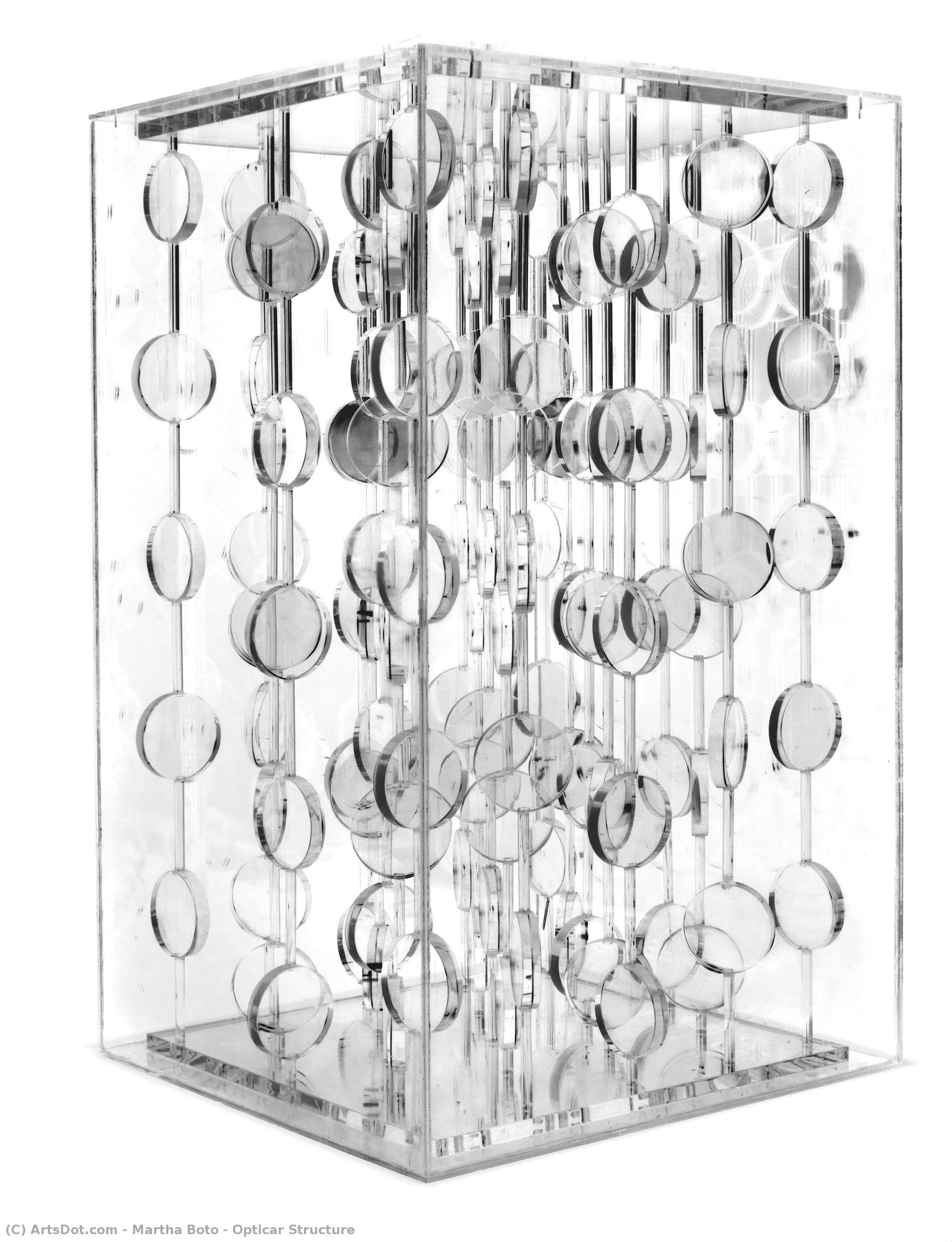
- Opticar Structure
 Preview
 Odoslať
 Zdieľať
 Podrobnosti o dielo

 Stiahnuť
 Podobné diela
 RTG skúška
 Prezentácia
Opticar Structure
 1962
1962 87.0 x 52.0 cm
 Múzeum moderného umenia v Buenos Aires
 Zobraziť viac
Kúpte si digitálnu snímku vo vysokom rozlíšení s vylepšenými detailmi, ktorá je oveľa kvalitnejšia než online náhľad.
Každý súbor starostlivo pripravujú naši interní špecialisti pomocou pokročilých nástrojov a odborného manuálneho retušovania. Zabezpečujeme, aby každý obrázok disponoval výnimočnou čistotou, presnou farebnou vernosťou a jemnými detailmi.
Konečný súbor vám bude doručený e-mailom do 72 hodín, optimalizovaný pre okamžité použitie v profesionálnom, redakčnom aj tlačovom prostredí. Ide o rovnakú kvalitu, ktorej dôverajú špičkové dizajnérske štúdiá, vydavateľstvá a galérie.
Digitálny obraz
Stiahnite si vysokorozlíšený súbor na osobné zobrazovanie, tlačenie a kreatívne projekty. ( Switch to Print Switch to hand made Painting)
Súčasťou každej objednávky digitálneho obrazu
Expetórne digitálne doručenie, garantované
Keď si vyberiete OriginalUniqueArt.com, nedostávate len obrázok – získate profesionálne upravené digitálne umenie, vytvorené s precíznosťou a so zárukou vašej maximálnej spokojnosti. Tu je všetko, čo je súčasťou vašej objednávky automaticky:

Rýchle doručenie e-mailom
Vaša vysokorozlíšená digitálna súprava obrázkov vám bude zaslaná e-mailom do 72 hodín od objednávky – pripravená na okamžité použitie.

Digitálny súbor s vylepšením AI
Vaše dielo je profesionálne optimalizované pomocou pokročilých nástrojov umelej inteligencie a manuálnej editácie, čo zaručuje maximálnu úroveň detailov, čistotu a presnosť farieb.

Bezplatné celoživotné opätovné doručenie
Náhodou ste zmazali alebo ste stratili svoj súbor? Nebavžte sa – pošleme vám ho kedykoľvek znova, úplne bez poplatkov.

Bez poplatkov za dovoz – navždy
Užite si svoje umelodelo okamžite bez colných poplatkov, daní alebo nákladov na dopravu – digitálne stiahnutia sú vždy oslobodené od dane.

Garantovaná presnosť farieb
Pomocou profesionálnych nástrojov a farebného manažmentu zabezpečujeme, aby vaša digitálna fotografia čo najpresnejšie odrážala pôvodné farby.

60-dňová záruka spokojnosti
Ak nebudete spokojní so svojou digitálnou fotografiou, upravíme ju alebo vám vrátime 100% v priebehu 60 dní – bez zbytočných otázok.

100% Záruka vrátenia peňazí
Nie ste spokojní? Získajte plnú náhradu peňazí do 60 dní od prijatia vášho digitálneho súboru – bez zbytočných otázok.

Zľavy pri veľkom odbere
Kúpte si 3 obrazy, ušetrite 10% - Kúpte si 5, ušetrite 15% - Kúpte si 10+, ušetrite 20%. Ideálne pre kreatívne projekty, galérie a agentúry.
Životopis umelca
Martha Boto: A Pioneer of Kinetic and Programmed Art
Early Life and Education
Martha Boto (1925-2004) was a highly influential Argentinian artist renowned for her pioneering work in kinetic and programmed art. Born in Buenos Aires, Argentina, she demonstrated an early aptitude for visual arts. In 1944, Boto formally began her artistic training at the Escuela Superior de Bellas Artes, where she honed her skills in drawing and painting.
Artistic Development and Early Work
Boto’s initial artistic explorations centered around geometric abstraction. During the 1950s, she held several solo exhibitions showcasing these early works. However, a pivotal shift occurred in 1956 when she joined the “Arte Nuevo” group – a collective dedicated to concrete art. This association spurred her experimentation with innovative materials like plexiglass, light, and mirrors.
- Early work focused on geometric abstraction.
- Joined "Arte Nuevo" in 1956, embracing concrete art principles.
- Began experimenting with non-traditional materials like plexiglass and light.
Kinetic Art and Collaboration
Boto was among the first artists in Buenos Aires to integrate movement as a fundamental element within her sculptural creations. In 1957, alongside her husband and artistic collaborator, Gregorio Vardanega, she co-founded “Artistas no figurativos de la argentina,” further solidifying her commitment to non-figurative art.
Move to Paris and International Recognition
In 1959, Boto relocated to Paris with Vardanega, a move that proved crucial for her international recognition. The influential gallerist Denise René championed Boto’s work, providing her with opportunities to exhibit alongside leading figures in the kinetic art movement. She also participated in the inaugural Biennale de Paris.
- Relocated to Paris in 1959 with Gregorio Vardanega.
- Gained support from gallerist Denise René.
- Exhibited at the first Biennale de Paris.
Later Work and Artistic Innovations
During her time in Paris, Boto increasingly incorporated industrial materials – notably electric motors – into her sculptures. This integration of technology allowed for dynamic, moving artworks that challenged traditional notions of sculpture. Her work explored the interplay between light, space, and motion, creating immersive visual experiences.
Legacy and Historical Significance
Martha Boto’s contributions to kinetic and programmed art are widely celebrated. She is recognized as a key figure in Latin American modernism and a pioneer who expanded the boundaries of sculptural practice. Her innovative use of materials, incorporation of movement, and exploration of perceptual phenomena continue to inspire artists today. Her work remains a testament to the power of experimentation and the enduring appeal of abstract art.

Martha Boto
1925 - 2004 , Argentina
Základné informácie
- Birth Date: 1925
- Birth Place: Buenos Aires, Argentina
- Death Date: 2004
- Movement:
- Kinetic art
- Programmed art
- Concrete art
- Name: Martha Boto
- Nationality: Argentinian
- Notable Works:
- Opticar Structure
- Untitled

