

 Náhľad v interiéri
 Odoslať ako digitálnu kartu
 Zdieľať
 Podrobnosti o dielo
 Príručka

 Stiahnuť obraz
 Podobné položky
 RTG skúška
 Prehliadanie diapozoje
 Q&A
Q&A Štatistiky
St Jerome
 Oil On Panel
- WallArt
- Northern Renaissance
 81.0 x 109.0 cm
 Rijksmuseum
 Zobraziť viac
Získajte súbor pripravený na tlač, ktorý ponúka oveľa vyššiu kvalitu než online náhľad. Každý predávaný digitálny obraz pochádza z vysokorozlíseného originálu v našej databáze – zvyčajne s šírkou 5 000 až 15 000 pixelov – takže môžete s istotou tlačiť vo veľkom formáte, vytvárať detailné výrezy alebo reprodukovať jemné detaily.
Žiadny súbor neopustí naše štúdio bez úprav. Digitálny expert kontroluje farby v porovnaní s originálnym obrazom a v prípade potreby ich opraví, následne nástrojmi na profesionálnu retuš zvyšuje mieru ostrosti a detailov — pričom vždy zostáva verný umeleckému ťahu štetca a štýlu autora. Výsledkom je obraz, ktorý pôsobí ako samotné dielo, nie ako naskenovaný snímok s filtrom.
Schvaľujete ešte pred dokončením: náš expert vám obrazový súbor do 72 hodín pošle e-mailom na kontrolu. Nie ste spokojní? Požiadajte o vylepšenia alebo opravy, prípadne si môžete vyžiadať vrátenie platby, ak kvalita nedosahuje očakávanú úroveň.
Táto kvalita je základom dôvery vydavateľov, dizajnových štúdií, galérií a tlačovníkov.
Digitálny obraz
Stiahnite si vysokorozlíšený súbor na osobné zobrazovanie, tlačenie a kreatívne projekty. ( Prepnúť na tlač Kúpiť ručne maľovaný obraz)
Súčasťou každej objednávky digitálneho obrazu
Garantovaná expertná digitálna distribúcia
Keď si vyberiete OriginalUniqueArt.com, nezískate len obyčajný obrázok – získate profesionálne upravené digitálne umenie, vytvorené s maximálnou precíznosťou a podložené zárukou vašej spokojnosti. Tu je všetko, čo je súčasťou vašej objednávky automaticky:

Rýchle doručenie e-mailom
Vaša vysokorozlíšená digitálna súprava obrázkov vám bude zaslaná e-mailom do 72 hodín od objednávky – pripravená na okamžité použitie.

Digitálny súbor s vylepšením AI
Vaše dielo je profesionálne optimalizované pomocou pokročilých nástrojov umelej inteligencie a manuálnej úpravy, čo zaručuje maximálnu mieru detailov, čistotu a presnosť farieb.

Bezplatné celoživotné opätovné doručenie
Súbor ste náhodou zmazali alebo ste ho stratili? Žiadne starosti – kedykoľvek vám ho môžeme poslať znova, úplne bez poplatkov.

Bez poplatkov za dovoz – navždy
Užite si svoje umenie okamžite bez colných poplatkov, daní alebo nákladov na dopravu – digitálne stiahnutia sú vždy oslobodené od dane.

Garantovaná presnosť farieb
Pomocou profesionálnych nástrojov a farebného manažmentu zabezpečujeme, aby vaša digitálna fotografia čo najpresnejšie odrážala pôvodné farby.

Záruka spokojnosti 100 dní
Ak nebudete spokojní so svojím digitálnym obrázkom, upravíme ho alebo vám v priebehu 100 dní vrátime 100% – bez zbytočných otázok.

100% Záruka vrátenia peňazí
Nie ste spokojní? Získajte plnú náhradu platby do 100 dní od prijatia digitálneho súboru – bez zbytočných otázok.

Zľavy pri veľkom odbere
Pri kúpe 3 obrázkov získate zľavu 10% - Pri kúpe 5 obrázkov získate zľavu 15% - Pri kúpe 10+ obrázkov získate zľavu 20%. Ideálne pre kreatívne projekty, galérie a agentúry.
The Scholar’s Sanctuary: Marinus van Reymerswaele's St. Jerome
Marinus van Reymerswaele’s “St. Jerome in His Study,” housed within the venerable halls of the Museo Nacional del Prado, is more than a mere depiction of a biblical figure; it’s a meticulously crafted window into the mind and world of a 16th-century Dutch artist grappling with faith, scholarship, and mortality. Painted around 1545, this oil-on-panel masterpiece offers a profound glimpse into the contemplative life of the saint, revealing a complex interplay of religious devotion, humanist learning, and the ever-present awareness of human frailty.
The scene unfolds within a modestly appointed study—a space deliberately devoid of ostentation. Jerome, rendered with remarkable realism for his time, is seated at a sturdy wooden desk, its surface laden with the paraphernalia of intellectual pursuit: open books, scattered parchment, and a meticulously crafted quill pen. His posture suggests both diligence and weariness, reflecting the arduous task of translating scripture and engaging in theological reflection. The artist’s choice to portray Jerome not as an ascetic hermit but as a learned scholar subtly shifts the focus from monastic seclusion to the intellectual life of faith – a prevalent theme within Northern Renaissance art.
A Symphony of Detail: Technique and Materials
Reymerswaele's mastery lies in his ability to imbue this seemingly simple scene with an astonishing level of detail. The artist’s meticulous observation is evident in the textures of the fabrics, the worn wood of the desk, and the subtle nuances of Jerome’s face—the furrowed brow, the deep-set eyes, and the carefully rendered lines of his beard. The use of oil paint allowed for a remarkable degree of luminosity and depth, capturing the play of light across the surfaces and creating a sense of tangible reality within the painted space.
Notably, the panel itself—oak wood treated with multiple layers of gesso and primer—contributes to the painting’s rich texture and durability. The artist skillfully employed glazing techniques to build up layers of color, achieving a remarkable depth and richness of tone. The careful attention to detail extends even to the background, where a partially drawn curtain reveals a glimpse of daylight filtering through a window, suggesting both the natural world and the potential for divine illumination.
Symbolism and Mortality
Beyond its technical brilliance, “St. Jerome in His Study” is laden with symbolic meaning. The prominent skull positioned beside the quill—a direct reference to mortality—serves as a constant reminder of the fleeting nature of earthly existence. It’s a stark contrast to the saint's intellectual pursuits, highlighting the tension between worldly concerns and spiritual aspirations. The inclusion of spectacles further emphasizes Jerome’s role as a scholar, while the open book suggests his dedication to biblical study.
Furthermore, the statue of Christ on the cross visible in the background—a deliberate inclusion by Reymerswaele—underscores the saint's devotion and his connection to the broader Christian narrative. It elevates the scene beyond a mere portrait of an individual, transforming it into a meditation on faith, knowledge, and redemption. The placement of the statue is carefully considered, drawing the viewer’s eye towards the central theme of sacrifice and salvation.
A Window into a Renaissance Mind
“St. Jerome in His Study” offers a compelling glimpse into the intellectual and spiritual landscape of 16th-century Europe. It reflects the burgeoning interest in classical learning, the rise of humanism, and the ongoing debate between faith and reason. Reymerswaele’s masterful execution—his meticulous attention to detail, his skillful use of color and light, and his profound understanding of symbolism—elevates this painting beyond a simple depiction of a biblical figure; it becomes a timeless meditation on the complexities of the human condition.
Reproductions of this captivating artwork capture much of its original power. Consider commissioning a high-quality hand-painted reproduction to bring this evocative scene into your home or office—a testament to the enduring legacy of Marinus van Reymerswaele and his profound exploration of faith, knowledge, and mortality.
Otázky a odpovede
Do ktorého obdobia tvorby Marinus Van Reymerswaele patrí dielo „St Jerome“?
Dielo „St Jerome“ pochádza z obdobia Mature Period v tvorbe umelca Marinus Van Reymerswaele. Táto klasifikácia spája toto dielo s vývojom umeleckej dráhy autora.
Využíva „St Jerome“ od Marinus Van Reymerswaele silné kontrasty alebo jemné harmónie?
Farebná analýza diela „St Jerome“ od Marinus Van Reymerswaele zachytáva Bold kontrast a Balanced Harmony harmóniu.
Je k dispozícii vysokorozlíšiteľné stiahnutie diela „St Jerome“?
Ak si chcete kúpiť digitálnu verziu diela „St Jerome“ od Marinus Van Reymerswaele, objednajte si stiahnutie digitálneho obrázka vo vysokom rozlíšení na jeho stránke Digitálna fotografia.
Životopis umelca
The Enigmatic Master of Antwerp's Shadows
In the bustling, mercantile heart of the sixteenth-century Low Countries, a painter emerged whose brush captured the profound tension between spiritual devotion and worldly greed. Marinus van Reymerswaele, an artist whose very name evokes the coastal town of Reimerswaal where he was born, remains one of the most fascinating enigmas of the Dutch Renaissance. His life followed the typical trajectory of a skilled craftsman; after studying in Leuven, he found professional footing within the prestigious Antwerp Guild of Saint Luke. Registered as a pupil of the glass painter Symon van Daele, Reymerswaele possessed an eye for detail and light that would later define his mastery of texture and atmosphere.
As he established himself in Antwerp, the epicenter of European trade, his work began to mirror the city's own complex identity. He operated a prolific workshop, a bustling studio capable of producing numerous versions of his most celebrated themes. This industriousness allowed his specific visual language—a blend of meticulous realism and biting social commentary—to permeate the collections of the era. His paintings did not merely depict scenes; they staged moral dramas that reflected the anxieties of an era caught between medieval piety and the rising tide of capitalism.
A Gallery of Greed and Grace
To look upon a work attributed to Reymerswaele is to enter a space where the sacred and the profane collide. He was a master of a very specific, recurring iconography that captured the imagination of the sixteenth-century public. His compositions often centered on four pivotal themes that explored the human condition through various lenses:
- The intense study of St. Jerome, representing scholarly devotion and religious contemplation.
- The bustling activity of tax collectors, serving as a satirical commentary on greed and corruption.
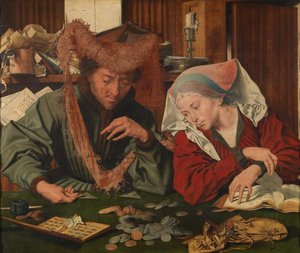
- A money changer and his wife, capturing the intersection of domestic life and commerce.
- The legal world, such as a lawyer in his office, reflecting the growing complexity of civic bureaucracy.
His masterpiece, Two Tax Gatherers, stands as a striking example of Northern Renaissance art. Through the use of oil on oak wood, he achieved a sense of depth and texture that brought his subjects to life. The painting serves as a vivid commentary on the corruption of tax officials, using the detailed depiction of clothing and surroundings to ground his satire in a recognizable reality. In these works, the heavy, old-fashioned garments of his characters add a layer of social critique, reminding the viewer of the era's shifting moral landscape.
Legacy and Artistic Influence
The stylistic development of Marinus van Reymerswaele shows the profound influence of the Antwerp painter Quentin Matsys. This connection helped shape his ability to blend elements of realism with a sharp, often caricatural sense of humor. His work is characterized by an attention to detail that allows the viewer to witness the minute textures of manuscripts, legal documents, and coins, all of which serve as symbols of the era's preoccupation with wealth and law.
While he worked extensively in Antwerp, his journey eventually led him back to the Northern Netherlands. After working in Antwerp until at least 1540, he moved to Goes, where his life reached its conclusion. Though many of his panels are known through attribution rather than signature, his impact on the genre scene remains undeniable. He left behind a visual legacy that continues to captivate, offering a profound glimpse into the mind of an artist grappling with faith, scholarship, and the ever-present shadows of human avarice.
Marinus Van Reymerswaele
1490 - 1546