

 Náhľad
 Odoslať
 Zdieľať
 Podrobnosti o dielo

 Stiahnuť
 Podobné diela
 RTG skúška
 Prezentácia
Villa in a Park Setting
 Oil On Canvas
- WallArt
- Baroque
 1720
1720- Early Modern
 36.0 x 46.0 cm
 Galérie dell’Accademia
 Zobraziť viac
Giclée / Umenotlač
Giclée tlač alebo plátno múzeálnej kvality s rýchlou výrobou a flexibilnými možnosťami povrchovej úpravy. ( Kúpiť ručne maľovaný obraz Kúpiť obrázok)




P118B $10

P118H $10

P118W $10

P438Z $10

P508JH $12

P508YH $12

P805H $10

P805Z $10

P919BZ $10

P919G $10

P919XJ $10

P959ZH $10

P968JZ $12

W106C $8

W218G $10

W218JH $8

W218Y $10

W307PJ $10

W316G $10

W316PJ $8

W316Y $10

W398PJ $8

W4111J $10

W500HY $15

W500JH $15

W692G $12

W849H $8

W940BG $15

W953PJ $8




Vyberte si z našich preddefinovaných rozmerov, ktoré zodpovedajú pôvodným pomeroḿ diela.

Môžete zadať vlastné rozmery, aby sa reprodukcia prispôsobila konkrétnemu rámu alebo priestoru. Ak zvolená veľkosť nebude zodpovedať proporciám originálu, dielo buď orežeme, alebo obraz rozšírime pomocou zrkadlenia či farebného doplnenia okrajov. Pred začatím výroby vám pošleme digitálnu ukážku na schválenie.
Máte na vedomí, že náhľad na obrazovke neodzrkadľuje skutočné orezanie alebo rozšírenie. Len digitálna ukážka presne zobrazí finálnu kompozíciu.
Hoci sú k dispozícii vlastné rozmery, pre zachovanie pôvodných proporcií odporúčame vybrať si rozmer z vopred definovaného zoznamu.
Celosvetová doprava () do 2 týždňov namiesto štandardných 4/5 týždňov. (21 august)

Bezplatná expresná doprava po celom svete

Prémiové lnianske plátno

Kompletné poistenie prepravy

Záruka vrátenia colného poplatku

Záruka presného farebného zhodnutia

60-dňá politika vrátenia (iba pri defektoch)

100% záruka vrátenia peňazí

Výhodná množstevná zľava
 Možnosť skla je dostupná len pri rozmeroch pod 110 cm

Villa in a Park Setting
Giclée / Umenotlač
Veľkosť reprodukcie
-


Celková cena za vybrané možnosti
$ 80
Popis predmetu
A Harmonious Blend of Nature and Architecture
The painting depicts a classical landscape with a villa nestled amidst lush trees and foliage, complemented by a well-manicured garden featuring potted plants and statues. The presence of figures strolling along a path adds a sense of life and activity to the scene, while the clear blue sky with scattered clouds enhances the overall feeling of calmness. The use of light and shadow creates a three-dimensional effect, making the scene appear almost tangible. Key Features of the painting include:- The precise placement of objects and careful rendering of colors, reflecting the artist's attention to detail.
- The classical architecture of the villa, featuring columns and pediments, which was prevalent during the time period in which the painting was created.
- The harmonious blend of nature and architecture, creating a sense of balance and serenity.
The Villa in a Park Setting painting is not only a testament to the genre of landscape art but also a reflection of the artist's skill and attention to detail. As a handmade oil painting reproduction, it can be appreciated in a new light, allowing art lovers to experience the beauty and serenity of this masterpiece in their own homes.
Biografia umelca
The Venetian Pioneer of the Landscape
Marco Ricci stands as a pivotal figure in the grand tapestry of Venetian Baroque painting, a master whose brush breathed life into the atmospheric expanses of the 18th century. Born in Belluno, Italy, in 1676, Ricci’s artistic journey was deeply rooted in a lineage of excellence. His early training began under the watchful eye of his uncle, the celebrated Sebastiano Ricci, likely within the vibrant artistic hubs of Milan during the mid-1690s. This foundational period established a profound connection to the Venetian tradition, as he moved toward Venice in 1696 to join forces with his uncle. Together, they embarked on a collaborative career that would redefine the boundaries of landscape painting, blending classical grandeur with a new, more expressive sensibility.
The evolution of Ricci’s style was shaped by a rich confluence of influences that bridged the gap between the structured ideals of the past and the burgeoning freedom of the Rococo. He absorbed the luminous, atmospheric perspective of Claude Lorrain and Gaspard Dughet, masters who had perfected the art of the idealized nature scene. Yet, there was a more rugged, emotive current in his work, drawn from the expressive brushwork of Salvatore Rosa and the loose, energetic application seen in the works of Alessandro Magnasco. This unique synthesis allowed Ricci to move beyond mere topographical recording, instead creating landscapes that felt alive with movement, light, and a sense of dramatic narrative.
A Legacy of Collaboration and Grandeur
One of the most remarkable aspects of Ricci’s career was his profound willingness to engage in the collaborative spirit of his era. His work often blurred the lines between individual authorship and collective genius, particularly in large-scale decorative projects. A notable example of this grandeur can be found in his contributions to the decoration of Palazzo Fenzi's Sala d'Ercole alongside Sebastiano Ricci, where he demonstrated an ability to command vast architectural spaces with sweeping vistas and intricate detail. This talent for large-scale design extended into the theatrical realm, where his skill in opera scene design allowed him to manipulate light and space to create immersive, imaginary worlds.
Ricci’s influence was not confined to the borders of the Serenissima Republic. Driven by the encouragement of Charles Montagu, the 4th Earl of Manchester—Venice’s ambassador to England—Ricci undertook a transformative journey to London in late 1708. This English connection expanded his horizons and introduced his Venetian sensibilities to a new international audience, further cementing his reputation as a pan-European master. His ability to adapt his style to different cultural contexts while maintaining his core identity as a landscape innovator remains a testament to his versatility.
Masterpieces of Light and Atmosphere
The enduring allure of Marco Ricci’s oeuvre lies in his ability to capture the ephemeral qualities of the natural world. His paintings often serve as windows into an idealized past, where classical architecture and untamed nature exist in a delicate, harmonious balance. Whether depicting a serene Villa in a Park Setting or a more dynamic Landscape with River and Figures, Ricci utilized light to guide the viewer's eye through complex compositions, creating depth and a sense of profound tranquility.
His technical mastery is evident in several key areas of his work:
- Atmospheric Perspective: The use of soft, hazy tones to create an illusion of vast distance and airiness.
- Dynamic Brushwork: A spirited application of paint that conveys the movement of water, wind, and foliage.
- Narrative Integration: The seamless placement of figures within landscapes to suggest stories of classical mythology or pastoral life.
- Architectural Harmony: The integration of ruins and villas to evoke a sense of history and the passage of time.
Ultimately, Marco Ricci was more than just a painter of scenery; he was an architect of emotion. Through his innovative approach to the landscape genre, he paved the way for the later triumphs of Canaletto and Guardi, ensuring that the Venetian tradition of landscape painting would remain a cornerstone of European art history.

Marco Ricci
1676 - 1730 , Italy
Základné informácie
- Artistic Movement Or Style: Baroque
- Artists Or Movements Influenced By This Artist: ['Alessandro Magnasco']
- Artists Who Influenced This Artist:
- Sebastiano Ricci
- Claude Lorrain
- Gaspard Dughet
- Salvator Rosa
- Date Of Birth: June 6, 1676
- Date Of Death: January 21, 1730
- Full Name: Marco Ricci
- Nationality: Italian
- Notable Artworks:
- Landscape with Streams, Monks, and Washerwomen
- Villa in a Park Setting
- Place Of Birth: Belluno, Italy
Súvisiace články

Michelangelo Morlaiter: Venetian Landscapes & the Pursuit of Atmospheric Realism
Explore the captivating landscapes of Michelangelo Morlaiter, a key figure in 18th-century Venetian painting. Discover his mastery of atmospheric perspective and lasting influence on Italian art history. Learn more at OriginalUniqueArt.
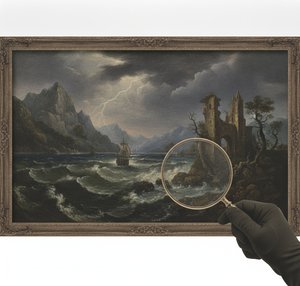
Epic Drama & Dark Vibes: The Ultimate Collector's Guide to Baroque Landscapes
Master the art of drama with our ultimate guide to Baroque landscapes. Discover the power of chiaroscuro, explore legendary masters, and learn how to curate epic, dark-vibe masterpieces for your collection with expert insights from OriginalUniqueArt.

Top 10 Majstrov Romantickej Krajinomaľby: Obrazy, ktoré zmenili svet umenia
Ponorte sa do sveta romantickej krajinomaľby! Objavte top 10 majstrovských diel od Friedricha, Turnera a ďalších. Historické obrazy prírody s nádychom emócií. Reprodukcie obrazov pre váš interiér na OriginalUniqueArt.com.

Drama and Light: A Definitive Guide to the Italian Baroque Masterpieces and the Revolution of Chiaroscuro
Explore the dramatic world of Italian Baroque art. Discover how masters like Caravaggio used chiaroscuro and tenebrism to revolutionize painting through light, shadow, and profound realism. A definitive guide for history lovers and art collectors.

John Constable: Top 25 Majstrovských Diel pre Váš Domov | OriginalUniqueArt.sk
Ponorte sa do sveta Johna Constabla s OriginalUniqueArt.sk! Objavte top 25 majstrovských diel anglického romantizmu – od ikonického Hay Wain až po krajinárske motívy Suffolku. Kvalitné reprodukcie obrazov pre váš domov. Preskúmajte celú kolekciu online!

