
 Náhľad v interiéri
 Odoslať ako digitálnu kartu
 Zdieľať
 Podrobnosti o dielo
 Príručka

 Stiahnuť obraz
 Podobné položky
 RTG skúška
 Prehliadanie diapozoje
 Otázky a odpovede
 Štatistiky
Lamentation

- 122.0 x 154.0 cm


 Zobraziť viac
Giclée / Umenotlač
Giclée tlač alebo plátno múzeálnej kvality s rýchlou výrobou a rôznymi možnosťami povrchovej úpravy. ( Kúpiť ručne maľovaný obraz Prepnúť na digitálny obraz)




P118B €10

P118H €10

P118W €10

P438Z €10

P508JH €12

P508YH €12

P805H €10

P805Z €10

P919BZ €10

P919G €10

P919XJ €10

P959ZH €10

P968JZ €12

W106C €8

W218G €10

W218JH €8

W218Y €10

W307PJ €10

W316G €10

W316PJ €8

W316Y €10

W398PJ €8

W4111J €10

W500HY €15

W500JH €15

W692G €12

W849H €8

W940BG €15

W953PJ €8




Vyberte si z našich preddefinovaných rozmerov, ktoré zodpovedajú pôvodným pomeroḿ diela.

Zadajte šírku a výšku, ktoré potrebujete, aby sa reprodukcia hodila k vášmu rámu alebo stene. Print možno len orezávať, nikdy však nemennú veľkosť zvětšiť oproti pôvodnému obrázku, preto pri inom formáte stráca časť obrazu. Pred samotným vytlačiacím procesom vám pošleme digitálny náhľad na schválenie. Obrázok zobrazený na tejto stránke nezobrazuje reálny rez — len digitálny náhľad ukazuje presný výsledok.
Celosvetová doprava () do 2 týždňov namiesto štandardných 4 až 5 týždňov. (17 november)

Bezplatná expresná doprava po celom svete

Vysokokvalitné lnianske plátno

Kompletné poistenie prepravy

Záruka vrátenia colného poplatku

Záruka presného farebného zhodnutia

100-dená politika vrátenia tovaru (iba pri vadách)

100% záruka vrátenia peňazí

Zľava pri väčšom množstve
 Možnosť skla je dostupná len pri rozmeroch pod 110 cm

Lamentation
Giclée / Umenotlač
Veľkosť reprodukcie
-


Celková cena
€ 72
A Profound Echo of Sorrow: Exploring Basaiti's Lamentation
To stand before Marco Basaiti’s Lamentation is to be enveloped in an atmosphere thick with sacred grief. This monumental canvas, dating from 1527, does not merely depict a historical event; it captures the very essence of human sorrow meeting divine sacrifice. The scene unfolds outdoors against a rugged, rocky hillside, providing a stark, natural backdrop that heightens the drama unfolding at its heart. At the center, the figure of Christ, having endured the ultimate suffering on the cross, becomes the magnetic focal point for every eye in the composition. Surrounding him is a gathering of figures—at least twelve souls depicted with varying degrees of proximity and emotion—who form a complex tapestry of devotion, shock, and profound mourning.
Venetian Renaissance Mastery: Technique and Form
Basaiti’s handling of this dramatic subject showcases his skill as an artist bridging the gap between the late Quattrocento delicacy and the emerging power of the Cinquecento. While the narrative weight is immense, the execution retains a characteristic Venetian luminosity. Observe how the light seems to emanate not just from an external source, but from the very emotional core of the gathering itself. The composition is masterfully orchestrated; figures are arranged in layers, some kneeling low in palpable despair near the foreground, others standing back, their postures conveying varying degrees of contemplation and awe. The inclusion of elements like the visible bench anchors the scene slightly, giving structure to the surrounding chaos of emotion, while the overall palette speaks to the rich, earthy tones favored by Venetian masters.
Symbolism and Emotional Resonance
The symbolism within this Lamentation is deeply rooted in Christian iconography. Every gesture—the outstretched hand, the bowed head, the grouping of bodies—speaks volumes without uttering a word. The gathering itself symbolizes humanity’s eternal relationship with suffering and redemption. It invites the viewer into an intimate space of shared grief. For the modern collector or decorator, this piece offers more than mere decoration; it is a meditation object. Its palpable sense of reverence imbues any room it graces with a quiet dignity, transforming a space into a sanctuary for contemplation.
A Timeless Piece for Contemporary Spaces
Considering its size of 122 x 154 cm, this work possesses an imposing presence, making it ideal as a dramatic focal point in a grand hall, a chapel-inspired living area, or a formal reception room. When acquiring a high-quality reproduction of Basaiti’s hand-painted vision, one is not simply purchasing paint on canvas; one is inviting centuries of artistic devotion into your home. It speaks to enduring themes—loss, sacrifice, and ultimate hope—making it a piece that continues to resonate across the ages, connecting the contemporary viewer directly to the profound emotional currents of Renaissance Venice.
Otázky a odpovede
Aký je kontrast v díle „Lamentation“ od Marco Basaiti?
Svetlo-tmavý kontrast diela „Lamentation“ je zaznamenaný ako Balanced. Kontrast popisuje, ako výrazne sa líšia svetlé a tmavé oblasti.
Kde kúpiť ručne maľované kópie diela „Lamentation“ od Marco Basaiti?
Ručne maľovanú reprodukciu diela „Lamentation“ od Marco Basaiti si môžete objednať priamo na jeho stránke Ručne maľovaná reprodukcia: ručne maľovaná olejná reprodukcia na ľanovom plátne, vyrábanú na mieru.
Ako sa v díle „Lamentation“ od Marco Basaiti stretávajú umelecký smer a éra?
Dielo „Lamentation“ patrí do smeru Renaissance Venetian Painting a jeho autor tvoril v období Renesancia.
Biografia umelca
Marco Basaiti: Most medzi Quattrocentom a Cinquecentom benátskej maľby
Marco Basaiti (ok. 1470 – 1530) predstavuje kľúčovú postavu renesančného Benátok, symbolizujúcu dôležité prechodné obdobie medzi štylistickými konvenciami Quattrocenta a rodiacou sa veľkoleposťou Cinquecenta. Hoci biografické detaily zostávajú vzácne – čo je dôkazom výziev, ktorým čelili dokumentácia umelcov v tej ére – vedecký výskum vychádzajúci zo zachovaných podpisov a cechových záznamov vykresľuje portrét umelca hlboko zakoreneného v umeleckej krajine svojej doby. Vasariho kronika, hoci je v otázke Basaitiovej identity sporná (veril, že išlo o dve odlišné osoby), ho upevnila v roli významného benátskeho maliara vedľa takých velikánov ako Giovanni Bellini či Cima da Coneglajú.- Raný život a vzdelanie: Narodený okolo roku 1470 buď v Benách alebo v Friuli, Basaitiho rodinné korene sú zahalené v mystériu – pravdepodobne albánskeho alebo gréckeho pôvodu – čo odráža vtedajšiu tendenciu zahraničných komunít udržiavať si relatívnu izoláciu v benátskej spoločnosti, čo následne obmedzovalo ich prítomnosť v oficiálnych záznamoch. Závet z roku 1526 ponúka lákavé nápadky o jeho rodinných väzobách, no jeho pravdivosť zostáva predmetom vedeckého skúmania.
- Vplyv Bartolomea Vivariniho: Dôkazy naznačujú, že Basaitiho formujúce umelecké vzdelanie prebiehalo pod vedením Bartolomea Vivariniho, ktorého štylistické inovácie zásadne ovplyvnili Basaitiho rané diela. Vivariniho smrť koncom 90. rokov 15. storočia znamenala významný zlom, ktorý Basaitiho pohlo k spolupráci s Vivarinim nezasnúbeným synovcom, Alvise Vivarinim – čo je prepojenie podložené zakázkami realizovanými po Alvisovej smrti.
Umelecký štýl a technika: Korene Quattrocenta objatím inovácie Cinquecenta
Napriek tomu, že Basaiti zdedia štylistické citlivosti Quattrocenta, dokázal svoj prístup majstrovsky prispôsobiť tak, aby rezonoval s vyvíjajúcimi sa estetickými prúdmi Cinquecenta. Jeho plátna demonštrujú majstrovské spojenie klasických ideálov a humanistického pozorovania – čo je obzvlášť zrejmé v jeho portrétoch, ktoré uprednostňujú anatomickú presnosť a psychologickú nuanciu. Použitie techniky sfumato – ktorú pomenoval Bellini – sa stalo znakom mnohých jeho malieb, vytvárajúc jemné gradácie tónov, ktoré postavám dodávajú éterickú kvalitu. Okrem toho Basaitiho kompozície často obsahovali komplexné priestorné usporiadania a dramatické svetelné efekty, čo signalizovalo odklon od rovinnejších perspektív, obľúbených v ranšej benátskej maľbe.- Významné zakázky a spolupráce: Basaiti si získal značnú slávu prostredníctvom zakázok od vplyvných patronov – najmä od Alviseho Vivariniho, ktorý mu zveril dokončenie diela „Sväty Peter na tróne a štyria svätí“, nedokončeného oltárového obra, ktorý predstavoval Basaitiho schopnosť realizovať ambiciózny projekt pod tlakom.
Predmet a ikonografia: Náboženské portréty odrážajúce benátsku spiritualitu
Basaitiho tvorba sa prevažne skladá z portrétov – často zobrazujúcich šľachtičanov a cirkevných dignitárov – a náboženských scén. Na rozdiel od mnohých jeho súčasníkov, ktorí skúmali mytologické témy, zostal Basaitiho umelecký záujem pevne zakorenený v kresťanskej ikonografii. Jeho maľby často zobrazujú svätých a biblické postavy s dôsledným detailom a expresívnymi gestami, ktoré vyjadruujú hlbokú duchovnú kontempláciu.- Odkaz a historický význam: Príspevok Marca Basaitiho k benátskej renesančnej maľbe nespočíva len v jeho jednotlivých umeleckých dielach, ale aj v jeho úlohe spojovacieho článku medzi štylistickými tradíciami. Je zhmotnením dynamiky umeleckej evolúcie – svedectvom o trvajúcej pozícii Benát v čele európskej kultúrnej inovácie počas šestnásť।” storočia.
Ďalší výskum a zdroje
Pre hlbšie preskúmanie života a diela Marca Basaitiho si pozrite plný záznam ULAN v Getty Research Institute (
Marco Basaiti
1470 - 1530 , Taliansko
Základné informácie
- Artistic Movement Or Style: Renesančná maľba
- Artists Or Movements Influenced By This Artist: ['Giovanni Bellini']
- Artists Who Influenced This Artist: ['Bartolomeo Vivarini']
- Date Of Birth: okolo 1470
- Date Of Death: 1530
- Full Name: Marco Basaiti
- Nationality: Taliansky
- Notable Artworks:
- Portrét mladého muža
- Portrét muža v čiapke
- Svätý Peter na trúne a štyria svätí
- Place Of Birth: Benátky, Taliansko
Súvisiace články

Masterpieces of Grandeur: The Top 25 Artworks by Paolo Veronese
Step into the opulence of the Venetian Renaissance with our curated guide to the top 25 Paolo Veronese masterpieces. From grand feasts to luminous colors, explore the stories behind these timeless icons and find museum-quality reproductions. Discover all masterpieces on OriginalUniqueArt.com.

25 Must-See Masterpieces at Gallerie dell'Accademia di Venezia
Explore 25 Venetian masterpieces from Titian to Tintoretto. Discover museum-quality art at OriginalUniqueArt.com.

Echoes of Grief: The Tradition and Technique of Lamentation in Art History
Explore the evolution of grief through masters like Botticelli and Delacroix. Discover the profound techniques of art history now.

Masterpieces of Siena: Top 25 Artworks by Duccio di Buoninsegna
Journey through the Sienese School with our curated guide to the top 25 artworks by Duccio di Buoninsegna. Explore the divine beauty of Byzantine-inspired masterpieces and find museum-quality art reproductions for your decor. Discover all masterpieces on OriginalUniqueArt.com.
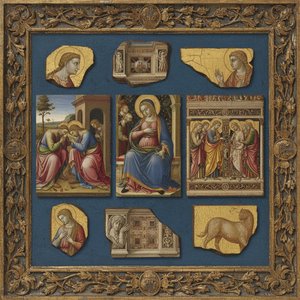
Top 10 majstrovských diel protorenesancie: Umění, ktoré zmenilo svet | OriginalUniqueArt
Objavte 10 majstrovských diel protorenesancie – Giotto, Cimabue a ďalší. Ponorte sa do príbehov umenia, techník a farieb talianskej renesancie. Reprodukcie obrazov pre váš interiér na OriginalUniqueArt.com.