
 Náhľad v interiéri
 Odoslať ako digitálnu kartu
 Zdieľať
 Podrobnosti o dielo
 Príručka

 Stiahnuť obraz
 Podobné položky
 RTG skúška
 Prehliadanie diapozoje
 Q&A
Q&A Štatistiky
Testa di fanciullo

- 35.0 x 16.0 cm


 Zobraziť viac
Umelecké dielo zobrazené na tejto stránke je chránené autorským zákonom, čo znamená, že nemôžeme legálne vytvárať ani predávať jeho identickú reprodukciu. Táto ochrana je vymáhaná na základe medzinárodných dohôd, ako napríklad Bernská konvencia a národnými zákonmi, vrátane tých, ktoré sú stanovené v Autorské právo USA – Title 17. Všetky práva vyhradené.
Táto metóda plne dodržiava autorské práva, pretože nezahŕňa kopírovanie ani duplikovanie chráneného diela. Ide skôr o kreatívnu reinterpretáciu – nový obraz, ktorý je ovplybnený originálom, no nie je s ním identický.
Giclée / Umenotlač
Giclée tlač alebo plátno múzeálnej kvality s rýchlou výrobou a rôznymi možnosťami povrchovej úpravy. ( Kúpiť ručne maľovaný obraz Prepnúť na digitálny obraz)




































Vyberte si z našich preddefinovaných rozmerov, ktoré zodpovedajú pôvodným pomeroḿ diela.

Zadajte šírku a výšku, ktoré potrebujete, aby sa reprodukcia hodila k vášmu rámu alebo stene. Print možno len orezávať, nikdy však nemennú veľkosť zvětšiť oproti pôvodnému obrázku, preto pri inom formáte stráca časť obrazu. Pred samotným vytlačiacím procesom vám pošleme digitálny náhľad na schválenie. Obrázok zobrazený na tejto stránke nezobrazuje reálny rez — len digitálny náhľad ukazuje presný výsledok.
Celosvetová doprava () do 2 týždňov namiesto štandardných 4 až 5 týždňov. (1 november)

Bezplatná expresná doprava po celom svete

Vysokokvalitné lnianske plátno

Kompletné poistenie prepravy

Záruka vrátenia colného poplatku

Záruka presného farebného zhodnutia

100-dená politika vrátenia tovaru (iba pri vadách)

100% záruka vrátenia peňazí

Zľava pri väčšom množstve
 Možnosť skla je dostupná len pri rozmeroch pod 110 cm

Testa di fanciullo
Giclée / Umenotlač
Veľkosť reprodukcie
-


Celková cena
€ 71
Biografia umelca
The Sculptor of Archaic Memory: The Life and Legacy of Marcello Mascherini
In the quiet, evocative contours of twentieth-century Italian sculpture, few names resonate with the same sense of timelessness as Marcello Mascherini. Born in 1906 in Udine, Mascherini’s life was a journey through the very soul of Italian heritage, moving from the intimate landscapes of his childhood near Pordenone to the grand academic stages of Florence and Trieste. His early years were marked by a profound connection to the tactile world of craftsmanship; though his biological father remained a distant figure, the legacy of goldsmithing and sculpture permeated his upbringing. This foundational intimacy with material and form would later allow him to bridge the gap between the ancient, rugged beauty of Etrusical statuary and the refined elegance of the Renaissance spirit.
Mascherini’s artistic evolution was not merely a progression of skill, but a deep philosophical descent into the origins of human expression. While his early training at the Accademia Nazionale di Belle Arti di Firenze provided him with the technical rigor of classical anatomy, it was his encounter with the works of masters like Michelangelo and the primitive strength of Arturo Martini that truly defined his voice. He moved away from mere imitation of the classical ideal toward a style often described as Primitivist. In this approach, he sought to capture archaic virtues—the raw, unadorned essence of motherhood, labor, and communion with nature. His surfaces often possessed a rugged, weathered quality, reminiscent of ancient stone, which lent his figures an eternal, monumental dignity.
Mastery of Form and the Spirit of the Sacred
The breadth of Mascherini’s oeuvre reflects a sculptor capable of navigating both the mythological and the divine. His work often functioned as a dialogue between the physical weight of bronze and the ethereal lightness of spiritual devotion. One can trace his mastery through several distinct thematic pillars:
- Mythological Narratives: Through works such as the monumental Faun, Mascherini breathed life into classical legends, using the tension of muscle and the grace of gesture to evoke the presence of gods and creatures from antiquity.
- Religious Iconography: His profound understanding of sacred themes is perhaps most visible in his depictions of Saint Francis of Assisi. In these pieces, he eschewed grandiosity for a serene, humble composure, capturing the saint's spiritual intimacy through subtle facial expressions and a refined, humanist elegance.
- Theatricality and Expression: His early career saw him creating evocative plaster masks for the Politeama Theatre in Trieste, where personifications of Tragedy, Comedy, and Music allowed him to experiment with the raw emotional power of the human face.
As his career progressed, Mascherini’s ability to manipulate medium became legendary. Whether working in the heavy permanence of bronze or the delicate textures of plaster, he maintained a consistent focus on human dignity. His sculptures were never merely anatomical studies; they were vessels for emotion, designed to provoke a sense of wonder and a connection to the shared history of mankind.
A Lasting Impression on Italian Modernism
The historical significance of Marcello Mascherini lies in his ability to remain modern without abandoning the past. At a time when much of the art world was moving toward abstraction, Mascherini looked backward to move forward, finding contemporary relevance in the ancient and the primordial. His participation in prestigious exhibitions, including several editions of the Venice Biennale, solidified his position as a vital figure in the Italian sculptural landscape.
By synthesizing the technical precision of the Florentine tradition with a deep, emotive reverence for the archaic, Mascherini created a body of work that transcends the era of its creation. His legacy is found in the quiet strength of a bronze bust or the spiritual resonance of a religious figure—works that continue to invite viewers into a world where myth, memory, and the human spirit are inextricably linked. He remains a master of the Renaissance spirit, reminding us that true beauty often lies in the enduring echoes of our most ancient stories.

Marcello Mascherini
1906 - 1983
Základné informácie
- Full Name: Marcello Mascherini
- Nationality: Italian
- Date Of Birth: 1906
- Date Of Death: 1983
- Notable Artworks:
- Faun
- Tristina
- Artistic Movement Or Style: Baroque & Renaissance Art
Súvisiace články

The Enduring Legacy of Bronze: A Historical & Artistic Exploration for the Collector
Explore the rich history & enduring appeal of bronze sculpture with expert insights for collectors at OriginalUniqueArt. Learn about casting techniques, iconic artists, collecting tips & contemporary interpretations.

The Enduring Legacy of Bronze: History, Technique & Artistic Expression for the Collector
Explore the rich history & enduring appeal of bronze sculpture with expert insights for collectors at OriginalUniqueArt. Learn about casting techniques, iconic artists, and collecting tips.
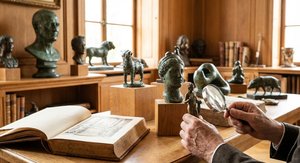
The Enduring Legacy of Bronze Sculpture: A Collector's Guide to Form & Cultural Significance
Explore the rich history & enduring appeal of bronze sculpture with expert insights for collectors at OriginalUniqueArt. Learn about casting techniques, iconic artists, and collecting tips to build a discerning art collection.

Top 10 Bronzových Majstrovských Diel, ktoré Zmenili Umění Navždy | OriginalUniqueArt
Objavte top 10 legendárnych bronzových majstrovských diel, ktoré zmenili umenie navždy! Rodin, Michelangelo a ďalší. Prežite príbehy slávnych sôch a nájdite inšpiráciu pre váš interiér na OriginalUniqueArt.com.

Top 10 Bronzových Sôch, ktoré Zmenili Umenie Navždy | OriginalUniqueArt
Objavte top 10 legendárnych bronzových sôch, ktoré zmenili umenie! Michelangelo, Rodin a ďalší majstri. História, techniky a nadčasová krása pre váš interiér. Reprodukcie múzejnej kvality na OriginalUniqueArt.com