

 Zobraziť v interiéri
 Odoslať
 Zdieľať
 Podrobnosti
 Príručka

 Stiahnuť
 Podobné položky
 RTG skúška
 Prehliadanie diapo\]
 Štatistiky
The cowshed


 Prečítať si viac
Umelecké dielo zobrazené na tejto stránke je chránené autorským zákonom, čo znamená, že nemôžeme legálne vytvárať ani predávať jeho identickú reprodukciu. Táto ochrana je vymáhaná na základe medzinárodných dohôd, ako napríklad Bernská konvencia a národnými zákonmi, vrátane tých, ktoré sú stanovené v Autorské právo USA – Title 17. Všetky práva vyhradené.
Táto metóda plne dodržiava autorské práva, pretože nezahŕňa kopírovanie ani duplikovanie chráneného diela. Ide skôr o kreatívnu reinterpretáciu – nový obraz, ktorý je ovplybnený originálom, no nie je s ním identický.
Giclée / Umenotlač
Giclée tlač alebo plátno múzeálnej kvality s rýchlou výrobou a rôznymi možnosťami povrchovej úpravy. ( Objednať ručne maľovanú reprodukciu Prepnúť na digitálnu verziu obrazu)




P118B €10

P118H €10

P118W €10

P438Z €10

P508JH €12

P508YH €12

P805H €10

P805Z €10

P919BZ €10

P919G €10

P919XJ €10

P959ZH €10

P968JZ €12

W106C €8

W218G €10

W218JH €8

W218Y €10

W307PJ €10

W316G €10

W316PJ €8

W316Y €10

W398PJ €8

W4111J €10

W500HY €15

W500JH €15

W692G €12

W849H €8

W940BG €15

W953PJ €8




Vyberte si z našich preddefinovaných rozmerov, ktoré zodpovedajú pôvodným pomeroḿ diela.

Zadajte šírku a výšku, ktoré potrebujete, aby sa reprodukcia hodila k vášmu rámu alebo stene. Print možno len orezávať, nikdy však nemennú veľkosť zvětšiť oproti pôvodnému obrázku, preto pri inom formáte stráca časť obrazu. Pred samotným vytlačiacím procesom vám pošleme digitálny náhľad na schválenie. Obrázok zobrazený na tejto stránke nezobrazuje reálny rez — len digitálny náhľad ukazuje presný výsledok.
Celosvetová doprava () do 2 týždňov namiesto štandardných 4 až 5 týždňov. (20 október)

Bezplatná expresná doprava po celom svete

Vysokokvalitné lnianske plátno

Úplné poistenie prepravy

Záruka vrátenia colného poplatku

Záruka presného farebného zhodnutia

100-dená politika vrátenia tovaru (iba pri vadách)

100% záruka vrátenia peňazí

Ponuka množstevnej zľavy
 Možnosť skla je dostupná len pri rozmeroch pod 110 cm

The cowshed
Giclée / Umenotlač
Veľkosť reprodukcie
-


Celková cena
€ 70
Marc Chagall’s “The Cowshed”: A Journey Into Belarusian Memory
Marc Chagallovaho obraz “Rozsieva” nie je len jednoduché znázornenie vidieckeho života; je to silná distillácia spomienok, folklóru a umelcovej jedinečnej videnia. Tento fascinujúci diel ponúka okná do Chagallovho detstva v Bielorusku, filtrované cez šoškus experiment a hlboko osobné symboly. Stáva sa tak kľúčovým dielom v jeho tvorbe, ktorý spája skôr idylické scény s komplexnejšími príbehmi, ktoré definovali jeho neskoršiu kariéru. Obraz odráža Chagallovu lásku k svojmu rodnému mestu Vitebsk a jeho silné väzby k bieloruskému folklóru a tradíciám.Naïve Art a Obhajoba Primitívneho Stylu
Aj keď bol ovplyvnený modernými hnutiami ako kubizmus a fauvizmus, “Rozsieva” pevne spadá do oblasti Naïveho umenia – niekedy označovaného ako primitivizmus. Tento štýl úmyselne odmieta akademickú presnosť vo prospech surového, nezávislého prístupu. Chagall, ktorý bol väčšinou samoukovaný, prijal túto slobodu a umožnil svojej fantázii určovať tvar a farbu namiesto striktného dodržiavania reprezentácie. To vedie k snovému efektu, ktorý pozvaní divákov do sveta riadeného pocitmi a spomienkami, nie fotografickou realitou. Zrieknutie sa geometrických tvarov a zníženie perspektívy sú charakteristické znaky tohto prístupu.Kompozícia a Jazyk Tvarov
Kompozícia obrazu je úžasná. Dominantná, takmer masková tvár zaberá ľavú časť plátna, jej črty zjednodušené, no intenzívne vyjadrujúcce. Táto postava nie je portrét v tradičnom slova zmysle; cíti sa viac ako archetyp – možno reprezentuje samotného umelca alebo kolektívnu spomienku na jeho predkov. Za touto centrálnou formou leží stylizovaný dom, znázornený s výraznými čiarami a strmým strechou. Pozadie je dominované hlbokou modrou oblohou, ktorá naznačuje siahnutie do nekonečna a melanchólie. Interakcia medzi týmito elementmi vytvára pocit priestorovej neurčitosti, čo upúta pozornosť hlbšie do scény.Symbolika zakorennená v bieloruskej dedine
Umierania Chagalla je silne zakorenený v jeho výchove v Vitebsku, Bielorusko. Samotná rozsieva – skromná štruktúra, ktorá je stredom vidieckej krajiny – symbolizuje domov, rodinu a tradíciu. No Chagall ich neprezrádza len reprezentáciou; obohacuje ich o symbolický význam. Zdeformovaná tvár môže byť interpretovaná ako reprezentácia kolektívneho židovského zážitku, označeného kombináciou odolnosti a zraniteľnosti. Dom, často sa objavujúci v jeho dielach, reprezentuje nielen fyzické útočisko, ale aj duchovné patroly. Aj farebné použitie – živá žltá proti smutnej modrej – prispieva k emocionálnemu rezonanciu obrazu.Technika a Vplyvy
Technika Chagalla v “Rozsieve” je charakterizovaná výraznými štetinami a bohatým impastom, čo je zreteľné najmä na tvári a architektonických elementoch. Táto taktická kvalita pridáva hĺbku a textúru plátnu. Hoci sa učil od kubizmu – vidieť v rozdelených tvaroch a mnohopozičnej perspektíve – nikdy sa neplne nevyliečil na jeho analytický prístup. Namiesto toho syntetizoval tieto vplyvy so svojím vlastným jedinečným citom, čím vytvoril štýl, ktorý je okamžite rozpoznateľný. Vplyv fauvizmu je tiež zreteľný v živých, ne-prirodzených farbách.Emocionálny Dopad a Trvalé Dedie
“Rozsieva” evokuje komplexný rozsah emócií – nostalgii, túžbou a možno aj dotykom nepohody. Zdeformované formy a ambiguitné symboly vytvárajú pocit záhady, čo pozýva divákov na projekciu svojich vlastných interpretácií do scény. Tento obraz nie je len vizuálna skúsenosť; je to emocionálna. Chagallova schopnosť dotknúť sa univerzálnych tém spomienok, identity a patroly zaručuje, že jeho diela budú rezonovať s publikom aj dnes. Je to mocný dôkaz trvalej moci umenia prekračovať kultúrne hranice a hovoriť o ľudskom stave.- Ideálne pre kolektívcov hľadajúce ikonické príklady Naïveho umenia.
- Presvedčivý umelecký kus pre interiérových dizajnérov, ktorí chcú vytvoriť priestory, ktoré sú zároveň vizuálne pôsobivé a emocionálne rezonujúce.
- Inšpiratívny obrazový kus pre milovníkov umenia, ktorí sa zaujímajú o prepojenie spomienok, folklóru a modernizmu.
Otázky a odpovede
Aké sýte farby má dielo „The cowshed“?
Farby diela „The cowshed“ od Marc Chagall vykazujú Balanced Soft saturáciu s intenzitou Vyvážené.
Možno voľne reprodukovať obraz diela „The cowshed“ od Marc Chagall?
Informácia o autorských právach pre „The cowshed“ od Marc Chagall: dielo je v stave stále chránené autorským právom. To určuje, či je možné voľne vytvárať reprodukcie tohto obrazu.
Pre koho je „The cowshed“ od Marc Chagall vhodným darčekom?
Odporúčanie na darček pre „The cowshed“ od Marc Chagall spája Narodeniny s Dominanta.
Biografia umelca
A Life Painted in Dreams: The World of Marc Chagall
Marc Chagall, born Moishe Shagal in 1887 in the small Belarussian town of Liozna near Vitebsk, wasn’t merely a painter; he was a poet of color, a weaver of dreams, and a chronicler of memory. His life, spanning nearly a century, mirrored the tumultuous currents of the 20th century, yet his art remained steadfastly rooted in a deeply personal vision—one infused with the folklore of his Hasidic Jewish upbringing and an unwavering belief in the power of imagination. Vitebsk itself was more than just a birthplace; it became the emotional core of his artistic universe, a recurring motif populated by flying figures, whimsical animals, and the vibrant hues of remembered landscapes. The town’s unique blend of cultures—Russian Orthodox churches alongside bustling Jewish marketplaces—forged an aesthetic sensibility that would defy easy categorization throughout his long career. Though he sought formal training first with a local sign painter and later in St. Petersburg under Léon Bakst, and then in Paris at the Académie de la Grande Chaumière, Chagall never fully embraced any single artistic movement. He absorbed elements of Cubism, Symbolism, and Fauvism, but always filtered them through his own intensely personal lens, creating a style that was uniquely, unmistakably Chagall.Early Years and Artistic Formation
Chagall’s formative years were marked by hardship and displacement. Born into a Jewish family in Vitebsk—a town steeped in Orthodox tradition—he experienced firsthand the challenges faced by Jews living under Tsarist rule. Despite limited formal education, he possessed an innate artistic talent that quickly blossomed. His initial training began with a local sign painter, honing his skills in draftsmanship and color theory. Subsequently, he pursued studies at St. Petersburg’s Zvantseva School of Drawing and Painting, where he encountered the influential teachings of Léon Bakst—a pioneer of theatrical design who championed avant-garde aesthetics. This exposure to Bakst's ideas profoundly shaped Chagall’s artistic sensibilities, introducing him to the principles of Cubism and fostering his fascination with geometric abstraction. Recognizing the importance of broadening his horizons, he traveled to Paris in 1908, immersing himself in the vibrant intellectual and artistic milieu of the École de Paris—a collective of artists who rejected academic conventions and embraced experimentation. During this period, he befriended fellow artists like Pablo Picasso and André Derain, absorbing their stylistic innovations and refining his own visual language.The Symbolist Vision
Chagall’s early paintings—such as I and the Village (1911)—demonstrate a distinctive preoccupation with symbolism and memory. Unlike traditional landscapes that strive for objective representation, Chagall's depictions of Vitebsk are fragmented recollections imbued with emotional significance. Figures float amidst stylized forms, conveying feelings of longing and nostalgia—a characteristic trait that would define his artistic style throughout his career. The artist’s palette is bold and expressive, employing vibrant hues to communicate emotion rather than literal accuracy. This stylistic approach reflects Chagall's deep connection to Jewish folklore and mythology, as well as his profound engagement with the spiritual traditions of his upbringing. His use of color—particularly yellows, blues, and reds—is deliberately unconventional, creating a dreamlike atmosphere that transcends rational perception.The Turbulent Years: Revolution and Exile
The Russian Revolution dramatically altered Chagall’s life trajectory. Returning to Vitebsk in 1917 amidst the upheaval of Bolshevik rule, he became involved in cultural initiatives aimed at revitalizing Belarusian art and culture. He established an Art School in Vitebsk—a bold experiment in artistic education that briefly flourished before succumbing to political pressures. During this period, Chagall wrestled with conflicting ideological impulses—embracing socialist ideals while simultaneously cherishing his Jewish heritage. The outbreak of World War I forced him into exile, disrupting his creative pursuits and propelling him back to Paris. Despite the hardships endured during wartime, Chagall continued to produce artwork that reflected the anxieties and uncertainties of the era. His painting White Crucifixion (1938)—a poignant meditation on suffering and persecution—stands as a testament to this period’s emotional intensity.International Recognition and Artistic Legacy
Chagall achieved international acclaim during World War II, escaping occupied France with his wife in May 1941. He found refuge in New York City, where he resided for seven years, fostering collaborations with fellow artists and engaging in prolific creative activity. His work gained prominence during the Abstract Expressionist movement, cementing his reputation as one of the most influential figures in modern art. Following the war, Chagall returned to France, continuing to paint until his death in 1985 at Saint-Paul-de-Vence—a picturesque Provençal village that served as his artistic sanctuary for decades. His enduring legacy resides not only in his stunning paintings and stained glass windows but also in his unwavering commitment to artistic integrity and imaginative vision—a vision that continues to inspire artists and audiences alike. Chagall’s art transcends cultural boundaries, conveying universal themes of love, loss, faith, and remembrance—a testament to the transformative power of creativity and the enduring beauty of dreams.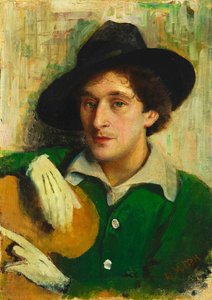
Marc Chagall
1887 - 1985 , Bielorusko
Rýchle fakty
- Artistic Movement Or Style: Modernizmus, Kubizmus
- Artists Or Movements Influenced By This Artist:
- Surrealizmus
- Cubizmus
- Artists Who Influenced This Artist:
- Leon Bakst
- Pablo Picasso
- Jean Metzinger
- Date Of Birth: 7. júl 1887
- Date Of Death: 28. marec 1985
- Full Name: Marc Chagall
- Nationality: Rusínsky-Francúzsky
- Notable Artworks:
- I a dedina
- Žltý osol
- Kôň s tiennikom
- Place Of Birth: Ľozna, Bielorusko
Súvisiace články
Raw, Bold, Unfiltered: Why Naive Art is the Ultimate Vibe for Your Space
Ditch the boring decor. Discover why Naive Art's raw, bold, and unfiltered aesthetic is the ultimate trend for modern urban spaces. Learn how to use vibrant colors and unstudied sincerity to create a high-impact, authentic vibe in your home or studio.

The Pure Charm of Naïve Art: Finding Beauty in Simplicity, Soul, and the Unfiltered Vision
Discover the profound beauty of Naïve Art. Explore how self-taught masters bypass academic tradition to capture raw emotional truth through vibrant color and soulful simplicity. A cultural journey for the true art lover seeking depth beyond convention.

The Untamed Vision: Exploring Naïve Art & Primitivism's Rejection of Convention
Explore the revolutionary world of Naïve Art & Primitivism! Discover how artists challenged academic traditions with raw emotion & unique styles. Learn about Picasso, Rousseau & more at OriginalUniqueArt.

Top 10 majstrovských diel nemeckého expresionizmu pre váš domov | OriginalUniqueArt
Ponorte sa do sveta nemeckého expresionizmu s OriginalUniqueArt! Objavte 10 majstrovských diel Kandinského, Muncha a ďalších. Luxusné reprodukcie obrazov pre váš domov – emotívne umenie online. Explore the full collection on OriginalUniqueArt.com
Primitivism Unveiled: How Raw Expression and Aesthetic Idealization Redefined Modern Art History
Explore the profound impact of Primitivism on modern art history. Discover how masters like Gauguin and Rousseau utilized raw expression and aesthetic idealization to redefine the boundaries of Western painting and shape the evolution of the avant-garde movement.


