Náhľad v interiéri
 Odoslať ako digitálnu kartu
 Zdieľať
 Podrobnosti o dielo
 Príručka

 Stiahnuť obraz
 Podobné položky
 RTG skúška
 Prehliadanie diapozoje
 Q&A
Q&A Štatistiky
Striking the Rock
 Olej na plátne
- WallArt
- Naïve Art / Primitivism
 1963
1963- Modernizmus
 41.0 x 33.0 cm
 Zobraziť viac
Umelecké dielo zobrazené na tejto stránke je chránené autorským zákonom, čo znamená, že nemôžeme legálne vytvárať ani predávať jeho identickú reprodukciu. Táto ochrana je vymáhaná na základe medzinárodných dohôd, ako napríklad Bernská konvencia a národnými zákonmi, vrátane tých, ktoré sú stanovené v Autorské právo USA – Title 17. Všetky práva vyhradené.
Táto metóda plne dodržiava autorské práva, pretože nezahŕňa kopírovanie ani duplikovanie chráneného diela. Ide skôr o kreatívnu reinterpretáciu – nový obraz, ktorý je ovplybnený originálom, no nie je s ním identický.
Giclée / Umenotlač
Giclée tlač alebo plátno múzeálnej kvality s rýchlou výrobou a rôznymi možnosťami povrchovej úpravy. ( Kúpiť ručne maľovaný obraz Prepnúť na digitálny obraz)




P118B €10

P118H €10

P118W €10

P438Z €10

P508JH €12

P508YH €12

P805H €10

P805Z €10

P919BZ €10

P919G €10

P919XJ €10

P959ZH €10

P968JZ €12

W106C €8

W218G €10

W218JH €8

W218Y €10

W307PJ €10

W316G €10

W316PJ €8

W316Y €10

W398PJ €8

W4111J €10

W500HY €15

W500JH €15

W692G €12

W849H €8

W940BG €15

W953PJ €8




Vyberte si z našich preddefinovaných rozmerov, ktoré zodpovedajú pôvodným pomeroḿ diela.

Zadajte šírku a výšku, ktoré potrebujete, aby sa reprodukcia hodila k vášmu rámu alebo stene. Print možno len orezávať, nikdy však nemennú veľkosť zvětšiť oproti pôvodnému obrázku, preto pri inom formáte stráca časť obrazu. Pred samotným vytlačiacím procesom vám pošleme digitálny náhľad na schválenie. Obrázok zobrazený na tejto stránke nezobrazuje reálny rez — len digitálny náhľad ukazuje presný výsledok.
Celosvetová doprava () do 2 týždňov namiesto štandardných 4 až 5 týždňov. (29 október)

Bezplatná expresná doprava po celom svete

Vysokokvalitné lnianske plátno

Kompletné poistenie prepravy

Záruka vrátenia colného poplatku

Záruka presného farebného zhodnutia

100-dená politika vrátenia tovaru (iba pri vadách)

100% záruka vrátenia peňazí

Zľava pri väčšom množstve
 Možnosť skla je dostupná len pri rozmeroch pod 110 cm

Striking the Rock
Giclée / Umenotlač
Veľkosť reprodukcie
-


Celková cena
€ 71
Striking the Rock: A Testament to Faith and Naïve Brilliance
Marc Chagall’s “Striking the Rock,” painted in 1963, isn't merely a depiction of a biblical event; it’s an immersive experience—a vibrant portal into the artist’s deeply personal vision. This oil painting, rendered in the distinctive style of Naïve Art (or Primitivism), pulsates with energy and symbolic weight, inviting viewers to contemplate themes of faith, miracle, and the enduring power of human belief. Chagall, a master of blending dreamlike imagery with profound emotional resonance, delivers here a scene brimming with life, color, and an almost palpable sense of spiritual significance.
At its core, the painting captures a pivotal moment from the Old Testament – Moses leading his people towards the Promised Land. He stands atop a rugged hill, arms raised in a gesture of blessing, seemingly summoning forth water from the very rock beneath his feet. The crowd below is not passive observers; they are engaged, expectant, their faces alight with hope and anticipation. Two figures flank the central figure, adding depth to the composition and hinting at the communal nature of this miraculous event. A dog, a recurring motif in Chagall’s work, appears near the bottom of the canvas, its presence open to interpretation – perhaps representing loyalty, guidance, or even a connection to the ancient world.
Chagall's masterful use of Naïve Art techniques is immediately striking. The style, characterized by bold outlines, simplified forms, and a flattened perspective, creates an immediate sense of innocence and spontaneity. Unlike formally trained artists who meticulously render detail, Chagall embraces a directness that feels almost childlike in its honesty. This deliberate lack of realism isn’t a flaw; it's the very essence of the style – allowing the emotional core of the scene to shine through with unadulterated intensity. The vibrant palette—a riot of blues, yellows, reds, and greens—further enhances this effect, creating an atmosphere that is both joyous and profoundly moving.
The Language of Symbolism
“Striking the Rock” is a rich tapestry of symbolism, inviting layers of interpretation. The rock itself represents not just a physical obstacle but also the challenges faced by the Israelites on their journey to freedom. Moses’ act of striking it symbolizes faith in action—a willingness to challenge the impossible and believe in the power of divine intervention. The crowd below embodies the collective hope and trust of the people, while the figures flanking Moses could represent guardians or guides, reinforcing the theme of leadership and protection.
Chagall’s Jewish heritage profoundly informs this work. The biblical narrative is deeply intertwined with Jewish faith and tradition, and Chagall frequently explored these themes in his art. The painting can be seen as a meditation on redemption, perseverance, and the enduring promise of divine grace – concepts central to Jewish spirituality. The use of color, particularly the vibrant blues and yellows, also carries symbolic weight within Jewish iconography.
A Masterclass in Artistic Technique
Beyond its symbolic richness, “Striking the Rock” showcases Chagall’s exceptional technical skill. His application of paint is dynamic and expressive—noticeable impasto creates a tactile surface that draws the viewer into the scene. The brushstrokes are loose and energetic, conveying movement and emotion with remarkable immediacy. The composition itself is carefully balanced, guiding the eye through the crowded scene and anchoring it on the central figure of Moses. This masterful control of color, form, and texture demonstrates Chagall’s deep understanding of visual language.
Bringing Chagall's Vision Home
OriginalUniqueArt.com offers exquisite, handmade oil painting reproductions of “Striking the Rock,” allowing art lovers to experience this masterpiece firsthand. Available in a range of sizes – including 41 x 33 cm, 237 x 232 cm, and 31 x 27 cm – you can choose the perfect scale for your space. Each reproduction is meticulously crafted by skilled artisans, ensuring that it captures the vibrancy and emotional depth of the original painting. Whether displayed in a living room, study, or gallery, this reproduction will serve as a constant reminder of Chagall’s genius and the enduring power of faith and imagination.
Explore our selection of Marc Chagall reproductions today: Marc Chagall: Striking the Rock (41 x 33 cm, Naive Art / Primitivism, Oil On Canvas)
For further exploration of Marc Chagall’s life and work, visit our website to discover other iconic paintings such as “Window in Artist's Studio”: Marc Chagall: Window in Artist’s Studio (92 x 73 cm, Naive Art / Primitivism, Oil On Canvas)
Otázky a odpovede
Aké umiestnenie sa hodí k formátu diela „Striking the Rock“ od Marc Chagall?
Vďaka svojmu tvaru Portrétny formát je reprodukcia diela „Striking the Rock“ ideálnou voľbou do Obývací izba.
Ako si môžem pozrieť „Striking the Rock“ od Marc Chagall v formie prezentácie?
K dispozícii je diaporama: stránka Prehliadanie diela diela „Striking the Rock“ od Marc Chagall.
Ako je opísaná farebná paleta diela „Striking the Rock“ od Marc Chagall?
Paleta diela „Striking the Rock“ od Marc Chagall je opísaná ako Zemité tóny. Ide o stručný popis farebnej skladby tohto diela.
Biografia umelca
A Life Painted in Dreams: The World of Marc Chagall
Marc Chagall, born Moishe Shagal in 1887 in the small Belarussian town of Liozna near Vitebsk, wasn’t merely a painter; he was a poet of color, a weaver of dreams, and a chronicler of memory. His life, spanning nearly a century, mirrored the tumultuous currents of the 20th century, yet his art remained steadfastly rooted in a deeply personal vision—one infused with the folklore of his Hasidic Jewish upbringing and an unwavering belief in the power of imagination. Vitebsk itself was more than just a birthplace; it became the emotional core of his artistic universe, a recurring motif populated by flying figures, whimsical animals, and the vibrant hues of remembered landscapes. The town’s unique blend of cultures—Russian Orthodox churches alongside bustling Jewish marketplaces—forged an aesthetic sensibility that would defy easy categorization throughout his long career. Though he sought formal training first with a local sign painter and later in St. Petersburg under Léon Bakst, and then in Paris at the Académie de la Grande Chaumière, Chagall never fully embraced any single artistic movement. He absorbed elements of Cubism, Symbolism, and Fauvism, but always filtered them through his own intensely personal lens, creating a style that was uniquely, unmistakably Chagall.Early Years and Artistic Formation
Chagall’s formative years were marked by hardship and displacement. Born into a Jewish family in Vitebsk—a town steeped in Orthodox tradition—he experienced firsthand the challenges faced by Jews living under Tsarist rule. Despite limited formal education, he possessed an innate artistic talent that quickly blossomed. His initial training began with a local sign painter, honing his skills in draftsmanship and color theory. Subsequently, he pursued studies at St. Petersburg’s Zvantseva School of Drawing and Painting, where he encountered the influential teachings of Léon Bakst—a pioneer of theatrical design who championed avant-garde aesthetics. This exposure to Bakst's ideas profoundly shaped Chagall’s artistic sensibilities, introducing him to the principles of Cubism and fostering his fascination with geometric abstraction. Recognizing the importance of broadening his horizons, he traveled to Paris in 1908, immersing himself in the vibrant intellectual and artistic milieu of the École de Paris—a collective of artists who rejected academic conventions and embraced experimentation. During this period, he befriended fellow artists like Pablo Picasso and André Derain, absorbing their stylistic innovations and refining his own visual language.The Symbolist Vision
Chagall’s early paintings—such as I and the Village (1911)—demonstrate a distinctive preoccupation with symbolism and memory. Unlike traditional landscapes that strive for objective representation, Chagall's depictions of Vitebsk are fragmented recollections imbued with emotional significance. Figures float amidst stylized forms, conveying feelings of longing and nostalgia—a characteristic trait that would define his artistic style throughout his career. The artist’s palette is bold and expressive, employing vibrant hues to communicate emotion rather than literal accuracy. This stylistic approach reflects Chagall's deep connection to Jewish folklore and mythology, as well as his profound engagement with the spiritual traditions of his upbringing. His use of color—particularly yellows, blues, and reds—is deliberately unconventional, creating a dreamlike atmosphere that transcends rational perception.The Turbulent Years: Revolution and Exile
The Russian Revolution dramatically altered Chagall’s life trajectory. Returning to Vitebsk in 1917 amidst the upheaval of Bolshevik rule, he became involved in cultural initiatives aimed at revitalizing Belarusian art and culture. He established an Art School in Vitebsk—a bold experiment in artistic education that briefly flourished before succumbing to political pressures. During this period, Chagall wrestled with conflicting ideological impulses—embracing socialist ideals while simultaneously cherishing his Jewish heritage. The outbreak of World War I forced him into exile, disrupting his creative pursuits and propelling him back to Paris. Despite the hardships endured during wartime, Chagall continued to produce artwork that reflected the anxieties and uncertainties of the era. His painting White Crucifixion (1938)—a poignant meditation on suffering and persecution—stands as a testament to this period’s emotional intensity.International Recognition and Artistic Legacy
Chagall achieved international acclaim during World War II, escaping occupied France with his wife in May 1941. He found refuge in New York City, where he resided for seven years, fostering collaborations with fellow artists and engaging in prolific creative activity. His work gained prominence during the Abstract Expressionist movement, cementing his reputation as one of the most influential figures in modern art. Following the war, Chagall returned to France, continuing to paint until his death in 1985 at Saint-Paul-de-Vence—a picturesque Provençal village that served as his artistic sanctuary for decades. His enduring legacy resides not only in his stunning paintings and stained glass windows but also in his unwavering commitment to artistic integrity and imaginative vision—a vision that continues to inspire artists and audiences alike. Chagall’s art transcends cultural boundaries, conveying universal themes of love, loss, faith, and remembrance—a testament to the transformative power of creativity and the enduring beauty of dreams.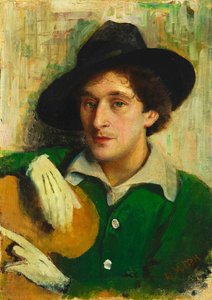
Marc Chagall
1887 - 1985 , Bielorusko
Základné informácie
- Artistic Movement Or Style: Modernizmus, Kubizmus
- Artists Or Movements Influenced By This Artist:
- Surrealizmus
- Cubizmus
- Artists Who Influenced This Artist:
- Leon Bakst
- Pablo Picasso
- Jean Metzinger
- Date Of Birth: 7. júl 1887
- Date Of Death: 28. marec 1985
- Full Name: Marc Chagall
- Nationality: Rusínsky-Francúzsky
- Notable Artworks:
- I a dedina
- Žltý osol
- Kôň s tiennikom
- Place Of Birth: Ľozna, Bielorusko
Súvisiace články
Primitivism in Art: Exploring the Roots of Modern Expression & its Enduring Legacy
Explore the fascinating history of Primitivism in art – its origins, key artists like Gauguin & Picasso, and lasting impact on modern expression. Uncover the complexities of this influential movement with OriginalUniqueArt.
The Unconventional Vision: Exploring the Characteristics, History & Enduring Appeal of Naïve Art
Explore the captivating world of naïve art! Discover its history, characteristics, key artists & collecting tips from OriginalUniqueArt's experts. Find your perfect piece today.

The Untamed Vision: Exploring Naïve Art & Primitivism's Rejection of Convention
Explore the revolutionary world of Naïve Art & Primitivism! Discover how artists challenged academic traditions with raw emotion & unique styles. Learn about Picasso, Rousseau & more at OriginalUniqueArt.
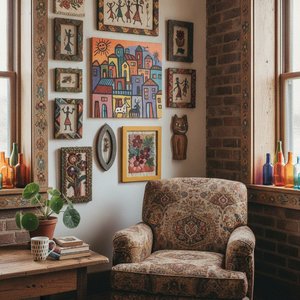
Raw, Bold, Unfiltered: Why Naive Art is the Ultimate Vibe for Your Space
Ditch the boring decor. Discover why Naive Art's raw, bold, and unfiltered aesthetic is the ultimate trend for modern urban spaces. Learn how to use vibrant colors and unstudied sincerity to create a high-impact, authentic vibe in your home or studio.

The Pure Charm of Naïve Art: Finding Beauty in Simplicity, Soul, and the Unfiltered Vision
Discover the profound beauty of Naïve Art. Explore how self-taught masters bypass academic tradition to capture raw emotional truth through vibrant color and soulful simplicity. A cultural journey for the true art lover seeking depth beyond convention.