

 Zobraziť v interiéri
 Odoslať
 Zdieľať
 Podrobnosti
 Príručka

 Stiahnuť
 Podobné položky
 RTG skúška
 Prehliadanie diapo\]
 Štatistiky
Náprava nad Viciebskom
 Olej na plátne
- WallArt
- Surrealism
 1933
1933- Modernizmus
 87.0 x 133.0 cm
 Prečítať si viac
Umelecké dielo zobrazené na tejto stránke je chránené autorským zákonom, čo znamená, že nemôžeme legálne vytvárať ani predávať jeho identickú reprodukciu. Táto ochrana je vymáhaná na základe medzinárodných dohôd, ako napríklad Bernská konvencia a národnými zákonmi, vrátane tých, ktoré sú stanovené v Autorské právo USA – Title 17. Všetky práva vyhradené.
Táto metóda plne dodržiava autorské práva, pretože nezahŕňa kopírovanie ani duplikovanie chráneného diela. Ide skôr o kreatívnu reinterpretáciu – nový obraz, ktorý je ovplybnený originálom, no nie je s ním identický.
Giclée / Umenotlač
Giclée tlač alebo plátno múzeálnej kvality s rýchlou výrobou a rôznymi možnosťami povrchovej úpravy. ( Objednať ručne maľovanú reprodukciu Prepnúť na digitálnu verziu obrazu)




P118B €10

P118H €10

P118W €10

P438Z €10

P508JH €12

P508YH €12

P805H €10

P805Z €10

P919BZ €10

P919G €10

P919XJ €10

P959ZH €10

P968JZ €12

W106C €8

W218G €10

W218JH €8

W218Y €10

W307PJ €10

W316G €10

W316PJ €8

W316Y €10

W398PJ €8

W4111J €10

W500HY €15

W500JH €15

W692G €12

W849H €8

W940BG €15

W953PJ €8




Vyberte si z našich preddefinovaných rozmerov, ktoré zodpovedajú pôvodným pomeroḿ diela.

Zadajte šírku a výšku, ktoré potrebujete, aby sa reprodukcia hodila k vášmu rámu alebo stene. Print možno len orezávať, nikdy však nemennú veľkosť zvětšiť oproti pôvodnému obrázku, preto pri inom formáte stráca časť obrazu. Pred samotným vytlačiacím procesom vám pošleme digitálny náhľad na schválenie. Obrázok zobrazený na tejto stránke nezobrazuje reálny rez — len digitálny náhľad ukazuje presný výsledok.
Celosvetová doprava () do 2 týždňov namiesto štandardných 4 až 5 týždňov. (24 október)

Bezplatná expresná doprava po celom svete

Vysokokvalitné lnianske plátno

Úplné poistenie prepravy

Záruka vrátenia colného poplatku

Záruka presného farebného zhodnutia

100-dená politika vrátenia tovaru (iba pri vadách)

100% záruka vrátenia peňazí

Ponuka množstevnej zľavy
 Možnosť skla je dostupná len pri rozmeroch pod 110 cm

Náprava nad Viciebskom
Giclée / Umenotlač
Veľkosť reprodukcie
-


Celková cena
€ 70
Úvod do Umelca: Marc Chagall
Marc Chagall, narodil sa v roku 1887 ako Moishe Segal, bol známy ruský-francúzsky umelec, ktorý si získal uznanie pre svoj jedinečný štýl, kombinujúci prvky nadrealizmu, kubizmu a ľudového umenia. Jeho diela často zobrazovali snivé scény s bohatými farbami a fantazijnými postavami, odrážajúcce jeho židovské dedenie a výzvy, ktorým sa v živote stal čelil.Prehľad o Nude Over Vitebsk
Nude Over Vitebsk, namalovaný v roku 1917, je fascinujúca dielka, ktorá ukazuje Chagallov charakteristický štýl a mistrárske využitie farieb. Maľba zobrazuje nahú ženu plávajúcu nad mestom Vitebsk, kde sa Chagall narodil a vyrastal.- Názov: Nude Over Vitebsk
- Umelec: Marc Chagall
- Rozmery: 105.4 x 73.6 cm (41.5 x 29 in)
- Materiál: Olej na plátne
- Štýl: Expressionizmus, Nadrealizmus
- Rok: 1917
Podrobná Analýza Nude Over Vitebsk
Nude Over Vitebsk je silným vyjadrením Chagallovej spätosti so svojím domovom a emocionálnej krízy, ktorú zažil v tomto období. Nahá žena, pravdepodobne symbol lásky alebo inšpirácie, pláva nad mestom, zdá sa, odtrhnutá od reality. Tento odstup odráža Chagallove vlastné pocity, keď zápasil s výzvami vojne a osobnej straty. Sýkave farby a fantazijné postavy v Nude Over Vitebsk sú charakteristické pre Chagallov jedinečný štýl. Použitie živých modrých, zelených a žlutých vytvára snivú atmosféru, ktorá výrazne kontrastuje s tmavšími tónmi nábrežia. Tento kontrast zdôrazňuje emocionálnu odstupnosť medzi ženou a mestom, čím ešte viac podčiarkuje témy lásky, straty a odtrhnutia, ktoré sú v maľbe prejavované.Záver
Nude Over Vitebsk je silným príkladom Marc Chagallovho jedinečného umeleckého štýlu a jeho schopnosti vyjadriť komplexné emócie prostredníctvom bohatých farieb a fantazijných postáv. Maľba slúži ako dojemný pripomínka prepojenia umelca so svojím domovom a emocionálnej krízy, ktorú zažil v tomto období.Ďalšie Zdroje
Ak chcete získeť viac informácií o Marc Chagallovi a jeho obrovskom dianí, navštívte umelcovú stránku Marca Chagalla na OriginalUniqueArt. Tu môžete preskúmať široký výber Chagallových maľieb, vrátane niektorých z jeho najznámejších diel, ako sú I and the Village a The Fiddler. Nude Over Vitebsk je len jedna z mnohých majstrovských diel Marca Chagalla, ktoré prezentujú jeho jedinečný štýl a emocionálnu hĺbku. Ak chcete objaviť viac Chagallových úžasných diel, navštívte Najznámejšie Maľby všetkých Časov na OriginalUniqueArt. Tu môžete preskúmať široký výber Chagallových maľieb, ako aj diel od iných známych umelcov, ako Leonardo da Vinci, Vincent van Gogh a Pablo Picasso.Otázky a odpovede
Patrí dielo „Náprava nad Viciebskom“ od Marc Chagall do verejnej vlastnícky sféry a prečo?
Dielo „Náprava nad Viciebskom“ od Marc Chagall patrí do stále chránené autorským právom. Autorské práva sa vypočítavajú od roku úmrtia umelca a Marc Chagall zomrel v roku 1985.
Ktorý priestor sa hodí k farbam diela „Náprava nad Viciebskom“ od Marc Chagall?
Zemité tóny farebná paleta diela „Náprava nad Viciebskom“ od Marc Chagall dokonale ladí s jeho odporúčaným priestorom: Denná miestnosť.
Aká konfigurácia tlače sa odporúča pre „Náprava nad Viciebskom“ od Marc Chagall?
Veľkosť Výrazná veľkosť, orientácia Horizontálna orientácia: toto je odporúčaná konfigurácia tlače pre dielo „Náprava nad Viciebskom“ od Marc Chagall.
Biografia umelca
A Life Painted in Dreams: The World of Marc Chagall
Marc Chagall, born Moishe Shagal in 1887 in the small Belarussian town of Liozna near Vitebsk, wasn’t merely a painter; he was a poet of color, a weaver of dreams, and a chronicler of memory. His life, spanning nearly a century, mirrored the tumultuous currents of the 20th century, yet his art remained steadfastly rooted in a deeply personal vision—one infused with the folklore of his Hasidic Jewish upbringing and an unwavering belief in the power of imagination. Vitebsk itself was more than just a birthplace; it became the emotional core of his artistic universe, a recurring motif populated by flying figures, whimsical animals, and the vibrant hues of remembered landscapes. The town’s unique blend of cultures—Russian Orthodox churches alongside bustling Jewish marketplaces—forged an aesthetic sensibility that would defy easy categorization throughout his long career. Though he sought formal training first with a local sign painter and later in St. Petersburg under Léon Bakst, and then in Paris at the Académie de la Grande Chaumière, Chagall never fully embraced any single artistic movement. He absorbed elements of Cubism, Symbolism, and Fauvism, but always filtered them through his own intensely personal lens, creating a style that was uniquely, unmistakably Chagall.Early Years and Artistic Formation
Chagall’s formative years were marked by hardship and displacement. Born into a Jewish family in Vitebsk—a town steeped in Orthodox tradition—he experienced firsthand the challenges faced by Jews living under Tsarist rule. Despite limited formal education, he possessed an innate artistic talent that quickly blossomed. His initial training began with a local sign painter, honing his skills in draftsmanship and color theory. Subsequently, he pursued studies at St. Petersburg’s Zvantseva School of Drawing and Painting, where he encountered the influential teachings of Léon Bakst—a pioneer of theatrical design who championed avant-garde aesthetics. This exposure to Bakst's ideas profoundly shaped Chagall’s artistic sensibilities, introducing him to the principles of Cubism and fostering his fascination with geometric abstraction. Recognizing the importance of broadening his horizons, he traveled to Paris in 1908, immersing himself in the vibrant intellectual and artistic milieu of the École de Paris—a collective of artists who rejected academic conventions and embraced experimentation. During this period, he befriended fellow artists like Pablo Picasso and André Derain, absorbing their stylistic innovations and refining his own visual language.The Symbolist Vision
Chagall’s early paintings—such as I and the Village (1911)—demonstrate a distinctive preoccupation with symbolism and memory. Unlike traditional landscapes that strive for objective representation, Chagall's depictions of Vitebsk are fragmented recollections imbued with emotional significance. Figures float amidst stylized forms, conveying feelings of longing and nostalgia—a characteristic trait that would define his artistic style throughout his career. The artist’s palette is bold and expressive, employing vibrant hues to communicate emotion rather than literal accuracy. This stylistic approach reflects Chagall's deep connection to Jewish folklore and mythology, as well as his profound engagement with the spiritual traditions of his upbringing. His use of color—particularly yellows, blues, and reds—is deliberately unconventional, creating a dreamlike atmosphere that transcends rational perception.The Turbulent Years: Revolution and Exile
The Russian Revolution dramatically altered Chagall’s life trajectory. Returning to Vitebsk in 1917 amidst the upheaval of Bolshevik rule, he became involved in cultural initiatives aimed at revitalizing Belarusian art and culture. He established an Art School in Vitebsk—a bold experiment in artistic education that briefly flourished before succumbing to political pressures. During this period, Chagall wrestled with conflicting ideological impulses—embracing socialist ideals while simultaneously cherishing his Jewish heritage. The outbreak of World War I forced him into exile, disrupting his creative pursuits and propelling him back to Paris. Despite the hardships endured during wartime, Chagall continued to produce artwork that reflected the anxieties and uncertainties of the era. His painting White Crucifixion (1938)—a poignant meditation on suffering and persecution—stands as a testament to this period’s emotional intensity.International Recognition and Artistic Legacy
Chagall achieved international acclaim during World War II, escaping occupied France with his wife in May 1941. He found refuge in New York City, where he resided for seven years, fostering collaborations with fellow artists and engaging in prolific creative activity. His work gained prominence during the Abstract Expressionist movement, cementing his reputation as one of the most influential figures in modern art. Following the war, Chagall returned to France, continuing to paint until his death in 1985 at Saint-Paul-de-Vence—a picturesque Provençal village that served as his artistic sanctuary for decades. His enduring legacy resides not only in his stunning paintings and stained glass windows but also in his unwavering commitment to artistic integrity and imaginative vision—a vision that continues to inspire artists and audiences alike. Chagall’s art transcends cultural boundaries, conveying universal themes of love, loss, faith, and remembrance—a testament to the transformative power of creativity and the enduring beauty of dreams.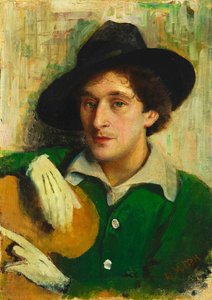
Marc Chagall
1887 - 1985 , Bielorusko
Rýchle fakty
- Artistic Movement Or Style: Modernizmus, Kubizmus
- Artists Or Movements Influenced By This Artist:
- Surrealizmus
- Cubizmus
- Artists Who Influenced This Artist:
- Leon Bakst
- Pablo Picasso
- Jean Metzinger
- Date Of Birth: 7. júl 1887
- Date Of Death: 28. marec 1985
- Full Name: Marc Chagall
- Nationality: Rusínsky-Francúzsky
- Notable Artworks:
- I a dedina
- Žltý osol
- Kôň s tiennikom
- Place Of Birth: Ľozna, Bielorusko
Súvisiace články

The Eloquent Form: A Historical & Aesthetic Exploration of the Nude in Art
Explore the captivating history of the nude in art! From ancient Greece to modern masters, discover its evolving symbolism, techniques & enduring beauty. Expert insights for collectors and enthusiasts.

The Enduring Allure of the Nude: A Historical & Artistic Exploration of the Human Form
Explore the captivating history of nude art! Discover iconic paintings & artists from classical to modern eras. Uncover symbolism, techniques & find museum-quality reproductions at OriginalUniqueArt.
Egon Schiele: Top 25 diel pre milovníkov umenia a luxusný interiérový dizajn | OriginalUniqueArt.com
Ponorte sa do sveta Egona Schieleho! Objavte top 25 diel expresionistického majstra, jeho portréty a techniku. Luxusné reprodukcie obrazov pre váš interiér na OriginalUniqueArt.com. Preskúmajte celú kolekciu online.
Top 10 majstrovských diel kubistického expresionizmu pre váš domov | OriginalUniqueArt.sk
Ponorte sa do sveta kubizmu a expresionizmu s top 10 majstrovskými dielami od Picassa, Braquea a ďalších. Objavte príbehy za ikonickými obrazmi a inšpirujte sa pre váš domov. Kvalitné reprodukcie na OriginalUniqueArt.com!
Figurative Expressionism: Emotional Intensity & Subjective Reality in 20th-Century Art
Explore the powerful world of Figurative Expressionism with OriginalUniqueArt. Discover key artists like Kirchner & Beckmann, understand its emotional depth, and learn how to collect this influential 20th-century art movement.


