

 Zobraziť v interiéri
 Odoslať
 Zdieľať
 Podrobnosti
 Príručka

 Stiahnuť
 Podobné položky
 RTG skúška
 Prehliadanie diapo\]
 Štatistiky
Reflection (Self-Portrait)
 Oil On Canvas
- WallArt
- Neo-Figurative Art
 1985
1985- Contemporary
 51.0 x 56.0 cm
 Prečítať si viac
Umelecké dielo zobrazené na tejto stránke je chránené autorským zákonom, čo znamená, že nemôžeme legálne vytvárať ani predávať jeho identickú reprodukciu. Táto ochrana je vymáhaná na základe medzinárodných dohôd, ako napríklad Bernská konvencia a národnými zákonmi, vrátane tých, ktoré sú stanovené v Autorské právo USA – Title 17. Všetky práva vyhradené.
Táto metóda plne dodržiava autorské práva, pretože nezahŕňa kopírovanie ani duplikovanie chráneného diela. Ide skôr o kreatívnu reinterpretáciu – nový obraz, ktorý je ovplybnený originálom, no nie je s ním identický.
Giclée / Umenotlač
Giclée tlač alebo plátno múzeálnej kvality s rýchlou výrobou a rôznymi možnosťami povrchovej úpravy. ( Objednať ručne maľovanú reprodukciu Prepnúť na digitálnu verziu obrazu)




P118B €10

P118H €10

P118W €10

P438Z €10

P508JH €12

P508YH €12

P805H €10

P805Z €10

P919BZ €10

P919G €10

P919XJ €10

P959ZH €10

P968JZ €12

W106C €8

W218G €10

W218JH €8

W218Y €10

W307PJ €10

W316G €10

W316PJ €8

W316Y €10

W398PJ €8

W4111J €10

W500HY €15

W500JH €15

W692G €12

W849H €8

W940BG €15

W953PJ €8




Vyberte si z našich preddefinovaných rozmerov, ktoré zodpovedajú pôvodným pomeroḿ diela.

Zadajte šírku a výšku, ktoré potrebujete, aby sa reprodukcia hodila k vášmu rámu alebo stene. Print možno len orezávať, nikdy však nemennú veľkosť zvětšiť oproti pôvodnému obrázku, preto pri inom formáte stráca časť obrazu. Pred samotným vytlačiacím procesom vám pošleme digitálny náhľad na schválenie. Obrázok zobrazený na tejto stránke nezobrazuje reálny rez — len digitálny náhľad ukazuje presný výsledok.
Celosvetová doprava () do 2 týždňov namiesto štandardných 4 až 5 týždňov. (22 október)

Bezplatná expresná doprava po celom svete

Vysokokvalitné lnianske plátno

Úplné poistenie prepravy

Záruka vrátenia colného poplatku

Záruka presného farebného zhodnutia

100-dená politika vrátenia tovaru (iba pri vadách)

100% záruka vrátenia peňazí

Ponuka množstevnej zľavy
 Možnosť skla je dostupná len pri rozmeroch pod 110 cm

Reflection (Self-Portrait)
Giclée / Umenotlač
Veľkosť reprodukcie
-


Celková cena
€ 70
The Raw Essence of Being: Unveiling Lucian Freud's Reflection
In the intimate theater of Reflection (Self-Portrait), created in 1985, we encounter one of the most profound encounters with the human psyche ever captured on canvas. Lucian Freud, a titan of 20th-century realism, does not merely present a likeness; he presents an excavation of the self. The painting serves as a window into a moment of deep introspection, where the artist’s gaze drifts toward a distant, unseen horizon, inviting the viewer to participate in his silent contemplation. There is no artifice here, only the heavy, palpable presence of a man confronting his own existence. This work stands as a testament to Freud's ability to bridge the gap between the physical reality of the flesh and the invisible weight of the human spirit.
The technical mastery displayed in this self-portrait is nothing short of visceral. Utilizing a thick impasto technique, Freud applies oil paint with a sculptural intensity that gives the skin a rugged, almost topographical quality. Every brushstroke contributes to a textured landscape of features, where the heavy application of pigment mimics the very density of life itself. This method allows the light to catch the ridges of the paint, creating a dynamic interplay of shadow and highlight that breathes movement into the static image. For collectors and lovers of fine art, this tactile quality offers a sensory experience that transcends traditional portraiture, making the canvas feel less like a flat surface and more like a living, breathing entity.
A Legacy of Vulnerability and Neo-Figurative Truth
To understand the emotional gravity of Reflection, one must consider Freud's unique position within the Neo-Figurative movement. Emerging as a powerful reaction against the sweeping abstractions of his era, Freud sought a return to the figure, yet he did so with a modern, unsettling edge. He famously distinguished between the "nude" and the "naked"—where the former suggests an idealized elegance, the latter conveys a raw, unshielded vulnerability. In this self-portrait, we see the artist in his most naked state, stripped of social masks and presented with an unflinching honesty that can be both haunting and deeply moving.
The historical context of Freud’s life—marked by his displacement from Berlin to London and his lineage as the grandson of Sigmund Freud—adds a layer of psychological complexity to the work. While he distanced himself from his grandfather's psychoanalytic theories, the biological and psychological tension remains ever-present in his brushwork. For interior designers and curators, this piece offers more than just aesthetic beauty; it provides a focal point of intellectual and emotional depth. A high-quality reproduction of this masterpiece brings a sense of gravity and sophisticated introspection to any space, serving as a conversation piece that celebrates the enduring power of human truth and the transformative beauty of the realist tradition.
Otázky a odpovede
Kedy bolo vytvorené dielo „Reflection (Self-Portrait)"?
Dielo „Reflection (Self-Portrait)“ pochádza z roku 1985. Toto datum zaraduje prácu do kariéry umelca Lucian Freud aj do jeho éry.
Aká je popularita diela „Reflection (Self-Portrait)“ v rámci smeru Neo-Figurative Art?
V rámci smeru Neo-Figurative Art má dielo „Reflection (Self-Portrait)“ úroveň popularity Iconic.
Čo zobrazuje „Reflection (Self-Portrait)“ od Lucian Freud a akú náladu vyvoláva?
„Reflection (Self-Portrait)“ od Lucian Freud spája self-portrait, realism, human form, introspection, impasto, expressionism, male portrait s Dramatic atmosférou.
Biografia umelca
Život vytesaný do realismu: Svet Luciena Freuda
Lucian Michael Freud, narodený v Berlíne v roku 1922, nesol v sebe odkaz hlboko ponorený do intelektuálnych hodnôt – bol vnukom pionierskeho psychoanalytika Sigmunda Freuda. Mladý Lucian však svoju cestu nezasmeroval k skúmaniu podvedomia prostredníctvom teórie, ale našiel ju v intenzívnom, fyzickom akte maľovania. Tmavý tieň nacizmu prinútil jeho rodinu v roku 1933 opustiť Nemecko a usadiť sa v Londýne; toto presídlenie zásadne formovalo nielen jeho život, ale aj často smútny a znepokojivý tón, ktorý definoval jeho umeleckú víziu. Jeho raná vzdelávanie bolo fragmentované, poznačené vylučovaním zo školy Bryanston, no kľúčová sa ukázala formujúca výuka v East Anglian School of Painting and Drawing pod vedením Cedrica Morrisa. Práve tam sa v ňom zakorenil dôraz na priamu pozorovosť, čo sa stalo základným kameňom jeho vyvíjajúceho sa štýlu – zámerného odklonu od rastúcej abstrakcie, ktorú v tom čase prijali mnohí jeho súčasníci. Táto pevná základňa založená na dôslednom štúdiu viditeľného sveta ho odlíšila od ostatných a vytvorila jeho jedinečnú umeleckú identitu.Od surrealistických éch k neúprosným portrétom
Freudova umelecká cesta nezačala surovým realizmom, pre ktorý sa neskôr stal slávnym. Jeho raná tvorba svedovala k surrealizmu a nemeckému expresionizmu, pričom spájala snovečné obrazy s emocionálnou intenzitou. Tieto vplyvy však postupne skrystalizovali do niečoho, čo bolo výhradne jeho vlastným. Už na začiatku 50. rokov sa objavil charakteristický štýl – definovaný hrubým impastom, tlmenými pozdiešiami zosilňujúcimi tóny pleti a takmer brutálnou čestnosťou pri zobrazení ľudskej postavy. Vyhýbal sa idealizácii či pochlebovaniu; namiesto toho sa snažil zachytiť surovú fyzickosť, zraniteľnosť a psychologickú váhu. Tento intenzívny súraz s portrétom rýchlo ugruntoval Freuda ako poprednú postavu britského umenia, kronikára svojej doby, ktorého dielo rezonovalo s povojnovou citlivosťou čeliacou existenciálnym otázkam. Často pracoval zo živého modela a vyžadoval si vyčerpávajúce pózy – niekedy trvajúce hodiny či dokonca dni – aby dosiahol úroveň detailu a psychologickej hĺbky, ktorú si želal. Akt maľovania sa stal testom vytrdalosti pre umelca aj modela, čím vznikla jedinečná intimita, ktorá prenikla jeho plátna.Technika ako odhalenie: Taktilnosť bytia
Freudov technický prístup bol neoddeliteľnou súčasťou emocionálneho dopadu jeho obrazov. Uprednostňoval veľké štetce z divočiny, pričom nanášal farbu s fyzikalitou, ktorá zrkadlí samotnú tému diela. To vytvorilo textúrovaný povrch, takmer so sochárskych kvalít, kde každý ťah štetca odhaľoval váhu a podstatu tela. Kontrast medzi živými, často telesnými tónmi a striedmavou paletou interiérov či krajín umocňoval pocit izolácie a introspekcie. Často maľoval v postoji, pričom neskôr, s postupným vekom, začal používať vysokú stoličku, čím si udržal dynamický vzťah medzi plátnom a modelom. Táto fyzická angažovanosť nebola len technikou; bola to imerzia v akte videnia – skutočné *pozorovanie* subjektov a preklad tejto pozorovateľnosti do farby. Diela ako Dievča s mačiatkom (1947) demonštrujú tento raný vývoj, zatiaľ čo neskoršie diela, napríklad Benefits Supervisor Sleeping (1995), predstavujú jeho zrelý štýl – neúprosný pohľad na ľudskú kondíciu. Samotná materiálnosť farby sa stala prostredníkom na vyjadrenie nielen vzhľadu, ale aj vnímania a citu.Odkaz a vplyv: Trvalá stopa
Freudova šxtyročná kariéra zanechala nezmazateľnú stopu v britskom portrétne}`); umení a napísala novú kapitolu o konvenciách krásy a reprezentácie. Nebavilo ho zachytávať sociálny status či vonkajší vzhľad; snažil sa odhaliť niečo hlbšie, primárnejšie – podstatu ľudského bytia vo všetkej jeho komplexnosti a nedokonalosti. Jeho vplyv presahuje hranice maľby a inšpiruje umelcov naprieč rôznymi odbormi svojou nekompromisnou víziou a technickým majstrovstvom. Intenzita a psychologická hĺbka jeho tvorby naďalej fascinujú publikum po celom svete a zabezpečujú mu miesto jedného z najdôležitejších a najvplyvnejších umelcov 20. storočia. Bol kľúčovým členom „školy Londýna“ (School of London), skupiny figuratívnych maliarov pôsobiacich v Londýne v období dominancie abstraktného expresionizmu, spojených svojím záväzkom k priamemu pozorovaniu a emocionálnej pravdivosti. Jeho obrazy sú uchovávané vo významných múzeách po celom svete – v Tate v Londýne, Freudovom múzeu v Londýne či Goldsmiths’ College v Londýne – ako trvajúce svedectia jeho umeleckého génia. Jeho tvorba zostáva mocným pripomínadlom nesmiernej sily figuratívneho umenia, ktoré nás vie konfrontovať s nami samými.
Lucian Freud
1922 - 2011 , Nemecko
Rýchle fakty
- Artistic Movement Or Style: Realizmus
- Artists Or Movements Influenced By This Artist: ['Škola Londýna']
- Artists Who Influenced This Artist:
- Sigmund Freud
- Cedric Morris
- Date Of Birth: 8. december 1922
- Date Of Death: 20. júla 2011
- Full Name: Lucian Michael Freud
- Nationality: Británsky
- Notable Artworks:
- Žena s mačkou
- Benefits Supervisor Sleeping
- Place Of Birth: Berlín, Nemecko
Súvisiace články

The Tactile Soul of Impressionism: Elevating Interiors with the Depth of Impasto and Plaster Art
Discover the sensory beauty of Impressionist texture. Learn how impasto brushstrokes and plaster art bring depth and light to your home with museum-quality, hand-painted reproductions from OriginalUniqueArt.com.
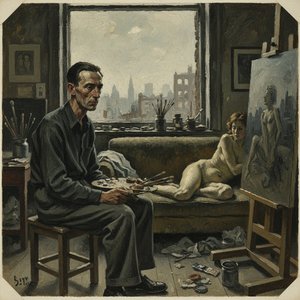
Lucian Freud: A Psychological Portraiture of Post-War Existence
Explore the profound psychological depth of Lucian Freud's portraits. Discover his unique realism, artistic evolution, and lasting influence on modern art. A collector’s guide to a master.
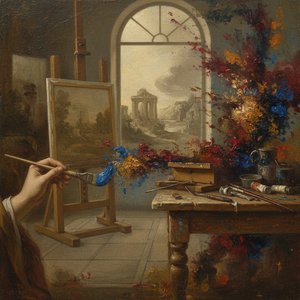
The Eloquent Brushstroke: A Historical & Technical Exploration of Texture, Intent & Expression in Painting
Explore the rich history & techniques of impasto painting – from Renaissance masters to Van Gogh's expressive strokes. Discover how artists use texture to convey emotion and create lasting impact. Learn more!
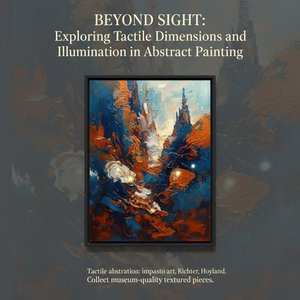
Hmatové dimenzie abstrakcie: Textúra, svetlo a emocionálna hĺbka v abstraktnej maľbe
Ponorte sa do hmatových dimenzií abstrakcie! Preskúmajte význam textúry a svetla v abstraktnej maľbe s našimi odbornými analýzami. Objavte, ako umelci vytvárajú emocionálnu hĺbku a vizuálny zážitok.

Decoding Impasto: The Emotional Power and Texture of Van Gogh's Brushstrokes
Explore the profound emotional depth of Van Gogh's impasto technique. Discover how his sculptural brushstrokes and textured oil layers define Post-Impressionism through an expert art-historical lens, perfect for discerning collectors and fine art enthusiasts.

