Odoslať
 Zdieľať
 Podrobnosti o dielo

 Stiahnuť
 Podobné diela
 Prezentácia
 Štatistiky
Moses's Testament and Death
 Fresco
- Decor
- Renaissance
 1481
1481- Renaissance
 350.0 x 572.0 cm
 Kapola Sixtínska
 Zobraziť viac
Ručne maľovaná olejová reprodukcia
Ručne maľovaný olej na plátne vo vašej zvolenej veľkosti a v ráme, vyrobený na mieru našimi umelcami. ( Prepnúť na tlač Prepnúť na digitálny obraz)




































Vyberte si z našich preddefinovaných rozmerov, ktoré zodpovedajú pôvodným pomeroḿ diela.

Môžete zadať vlastné rozmery tak, aby sa hodili do konkrétneho rámu alebo priestoru. Ak sa váš zvolený rozmer nezhoduje s pôvodnými proporciami obrazu, dielo buď orezáme, alebo ho doplníme ručne maľovanými prvkami. Pred začiatkom výroby vám zašleme digitálny náhľad na schválenie.
Upozorňujeme, že ukážka na obrazovke neodráža skutočné orezanie alebo doplnenie. Skutočnú finálnu kompozíciu zobrazuje iba digitálny náhľad.
Hoci sú k dispozícii vlastné rozmery, odporúčame vybrať rozmer z preddefinovaného zoznamu, aby sme zachovali pôvodné proporcie.
Po odoslaní objednávky vám tím OriginalUniqueArt.com pošle e-mail s pokynmi a poskytne náhľad na návrh.
Celosvetová doprava () za 3 až 4 týždne namiesto štandardných 5 týždňov. (19 september). Bez kompromisov v kvalite.

Bezplatná expresná doprava po celom svete

Prémiové lnianske plátno

Kompletné poistenie prepravy

Záruka vrátenia colného poplatku

Záruka presného farebného zhodnutia

100-dená politika vrátenia tovaru (iba pri vadách)

100% záruka vrátenia peňazí

Výhodná množstevná zľava
 Možnosť skla je dostupná len pri rozmeroch pod 110 cm

Moses's Testament and Death
Technika reprodukcie
Veľkosť reprodukcie
-


Celková cena za vybrané možnosti
$ 300
A Vision of Mortality and Legacy
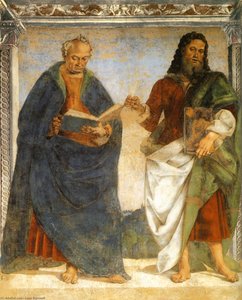
Within the hallowed, sun-drenched walls of the Sistine Chapel, where the echoes of papal history linger, lies one of the most profound narrative frescoes of the Early Renaissance: Luca Signorelli’s Moses's Testament and Death. Painted around 1481, this monumental work serves as a breathtaking window into a moment of transition, capturing the poignant intersection between earthly leadership and divine destiny. As the eye wanders across the vast expanse of the fresco, one is immediately struck by the sheer scale of the drama unfolding. The scene is not merely a historical recount but an emotional landscape where the weight of a prophet's final words settles upon the gathered multitude. Signorelli masterfully orchestrates a complex assembly of figures, each rendered with a sense of individual purpose, creating a tapestry of human experience that feels both ancient and startlingly immediate.
The composition is anchored by the central presence of Moses, an elderly figure whose very posture radiates the gravity of his role as lawgiver. Holding a scroll or book—the physical manifestation of the divine law he carried—he stands as the bridge between the covenant of the past and the uncertain future of his people. Surrounding him, the figures are draped in the textured, heavy fabrics of medieval attire, their faces etched with a spectrum of human emotion ranging from solemn reverence to quiet contemplation. This gathering is not static; there is a palpable sense of movement and conversation, as if the viewer has stumbled upon a private, sacred moment of mourning and instruction. The background, with its rolling Tuscan-style hills and soft, atmospheric light, provides a serene counterpoint to the intense human drama in the foreground, offering a sense of eternal continuity.
The Mastery of Fresco and Form
To behold this work is to witness the technical virtuosity of a master draftsman. Signorelli, having been shaped by the rigorous traditions of Piero della Francesca, brings an unparalleled command of anatomical accuracy and foreshortening to the fresco medium. The technique of fresco—applying pigments directly onto wet lime plaster—demands a decisive and confident hand, as the artist must work with incredible speed before the surface dries. Signorelli utilizes this challenge to his advantage, creating a sense of luminosity and textural richness that makes the skin of the figures appear supple and the heavy drapery feel tangible. The use of light and shadow, or chiaroscuro, is particularly striking; by illuminating the foreground figures more intensely than the receding landscape, he creates an illusionistic depth that pulls the spectator into the very heart of the assembly.
The color palette is a sophisticated study in earth tones—ochres, terracottas, and deep umbers—which ground the scene in a sense of historical realism. Yet, these muted tones are punctuated by strategic bursts of color, such as the brilliant blue of a distant sky or the verdant greens of the foliage, which prevent the composition from feeling heavy or somber. This careful balance of color and light serves to elevate the narrative from a mere historical event to a spiritual allegory. For the discerning collector or interior designer, a high-quality reproduction of this piece offers more than just decoration; it provides a focal point of intellectual and aesthetic depth, bringing the monumental scale and the profound psychological complexity of the Renaissance into a contemporary living space.
A Timeless Resonance for Modern Spaces
Beyond its historical significance, Moses's Testament and Death resonates with a timeless emotional truth. It explores themes of mortality, the passing of wisdom, and the enduring nature of faith—subjects that remain deeply relevant in our modern era. The painting does not merely depict a death; it celebrates the legacy left behind by a great leader. This sense of continuity and the dignity found in the face of transition makes the artwork an incredibly powerful piece for any curated collection. Whether placed in a grand library, a formal dining room, or a sophisticated studio, the fresco commands attention through its narrative richness and its ability to evoke a sense of awe.
For those seeking to infuse their environments with the spirit of the Italian Renaissance, this reproduction serves as an exquisite tribute to Luca Signorelli’s genius. It is a piece that invites long periods of study, revealing new details in every glance—from the subtle tension in a hand to the distant, ethereal presence of an angel in the clouds. Owning such a work is an invitation to surround oneself with the profound beauty of human history and the masterful artistry of one of the era's most significant painters.
Biografia umelca
Early Life and Training
Luca Signorelli, narodený okolo roku 1450 v Cortone, Toskánsko, je jednou z najvýznamnejších figúr talianskeho renesansu. Presný dátum jeho narodenia nie je známy, ale veril sa, že leží medzi rokmi 1441 a 1445. Jeho umelecké zručnosti a schopnosť kresliť s precíznosťou boli legendárne, no zvlášť jeho technika presadzovania perspektívy (foreshortening) mu zabezpečila špecifický štýl. Signorelli začal svoje vzdelávanie v Perguje, kde bol ovplyvnený štýlom umelcov ako Benedetto Bonfigli, Fiorenzo di Lorenzo a Pinturicchio. Podľa Giorgio Vasari bol Luca neskôr uplatňovaný pod vedením Piera della Francesca, jeho materského stríčka. Jeho prvé umelecké práce sa nachádzajú v mestách Arezzo (1472) a Città di Castello (1474). Jednou z najvýznamnejších diel z tohto obdobia je obraz “Škola Pana”, ktorý bol darovaný Lorenzu de’ Medici. Tento obraz zobrazuje realistické znázornenie ľudskej figúry a ukazuje Signorelliho maštreálnu schopnosť v oblasti svetla a tieňa, ako aj precíznejšej perspektívy.Artistic Career and Influences
Signorelli začal svoju kariéru v Florencii, Sienii a Ríme (1478-1484), kde pracoval na freskách v Sixtínskej kaplnke. Jeho prácu charakterizuje kombinácia klasických princípov s novými nápadmi a dynamikou. Jeho štýl bol ovplyvnený Pierom della Francesca, ale zároveň sa odlišoval v znázorňovaní figúr v pohybe a v komplexnosti kompozícií. Jeho nápisy nude sú jedinečné a pre mnohých umelcov otvárajú cestu k dokonalosti v renesančnom umení. Jeho talent bol taký vysoký, že bol pozvaný do Cortony okolo roku 1484, kde strávil zvyšok svojho života. V Cortone vytváral fresky v kláštore Monte Oliveto Maggiore v Sienii a pracoval na mnohých klasických a mytologických témach v paláci Pandolfo Petrucci.Major Works and Achievements
Signorelli je najznámejší pre svoje monumentálne freskové diela, najmä “Posúdenie posledných” (1499-1503) v Orvietovej katedrále. Táto rozsiahla freska ukazuje apokalyptické scény a posúdenie mŕtvych, a je považovaná za jeho vrcholné dielo. Ďalším významným dielom je polyptich z svätej Medardy (1507), ktorý sa nachádza v múzeu San Medardo v Arcevia. Tento polyptich predstavuje detailné a realistické znázornenie ľudskej figúry, čo dokazuje Signorelliho maštreálnu schopnosť v oblasti svetla, farieb a perspektívy. Jeho prácou je tiež dielo “Škola Pana”, darovaný Lorenzu de’ Medici.Legacy and Historical Significance
Luca Signorelli bol významnou osobnosťou pre rozvoj renesančného umenia. Jeho technika presadzovania perspektívy a precíznym kreslenie ovplyvnili mnohých jeho nasledovníkov. Bol súčasťou talianskeho renesansu, ktorý znamenal prechod medzi stredovekom a raným novodobým Európou. Tento obdobie prinášalo obnovený záujem o klasické tradície, naturalizmus a humanizmus. Signorelliho diela sa nachádzajú v mnohých múzeách a katedrálach po celom Taliansku, čo je dôkaz jeho trvalého vplyvu na umenie. Jeho prácou sa stalo inšpiráciou pre ďalšie generácie umelcov a jeho techniky sú dodnes študované a oslavované.
Luca Signorelli
1450 - 1523 , Taliansko
Základné informácie
- Artistic Movement Or Style: Renesancia
- Artists Or Movements Influenced By This Artist: ['Fra Angelico']
- Artists Who Influenced This Artist: ['Piero della Francesca']
- Date Of Birth: c. 1441/1445
- Date Of Death: 16 októbra 1523
- Full Name: Luca d’Egidio di Ventura Signorelli
- Nationality: Taliančina
- Notable Artworks:
- Posúdenie Krista
- Škola Pana
- Place Of Birth: Cortona, Taliansko
Súvisiace články

Michelangelo Buonarroti: Top 25 Majstrovských Diel pre Váš Domov | OriginalUniqueArt
Objavte 25 majstrovských diel Michelangela Buonarrotiho! Pietà, David a fresky Sixtínskej kaplnky – príbehy umenia, techniky a renesančnej krásy. Reprodukcie obrazov pre váš domov na OriginalUniqueArt.com.

The Enduring Legacy of Fresco: Technique, History & Artistic Expression Across Cultures
Explore the rich history & enduring legacy of fresco painting! Discover ancient techniques, Giotto's masterpieces, and modern applications. Expert insights for art lovers & professionals.

Luca Signorelli: Renaissance Innovation & Dramatic Foreshadowing of Modern Artistic Expression
Explore the revolutionary art of Luca Signorelli, a High Renaissance master renowned for his dramatic frescoes & anatomical precision. Discover his lasting impact on art history and techniques like foreshortening.

Freska ako rodinné dedičstvo: Zachovajte svoj pôvod v obrazoch na stenách
Objavte silu fresiek ako rodinného dedičstva! Ponúkame kvalitné reprodukcie a originálne maľby na mieru. Prepojte svoju históriu s umením a vytvorte jedinečný interiér.
The Enduring Legacy of Fresco Painting: Techniques, History & Contemporary Relevance
Explore the rich history & enduring artistry of fresco painting – from Giotto to Michelangelo! Discover techniques, conservation efforts, & modern applications. Learn how OriginalUniqueArt brings this timeless art form to your home.