 Náhľad v interiéri
 Odoslať ako digitálnu kartu
 Zdieľať
 Podrobnosti o dielo
 Príručka

 Stiahnuť obraz
 Podobné položky
 RTG skúška
 Prehliadanie diapozoje
 Otázky a odpovede
 Štatistiky
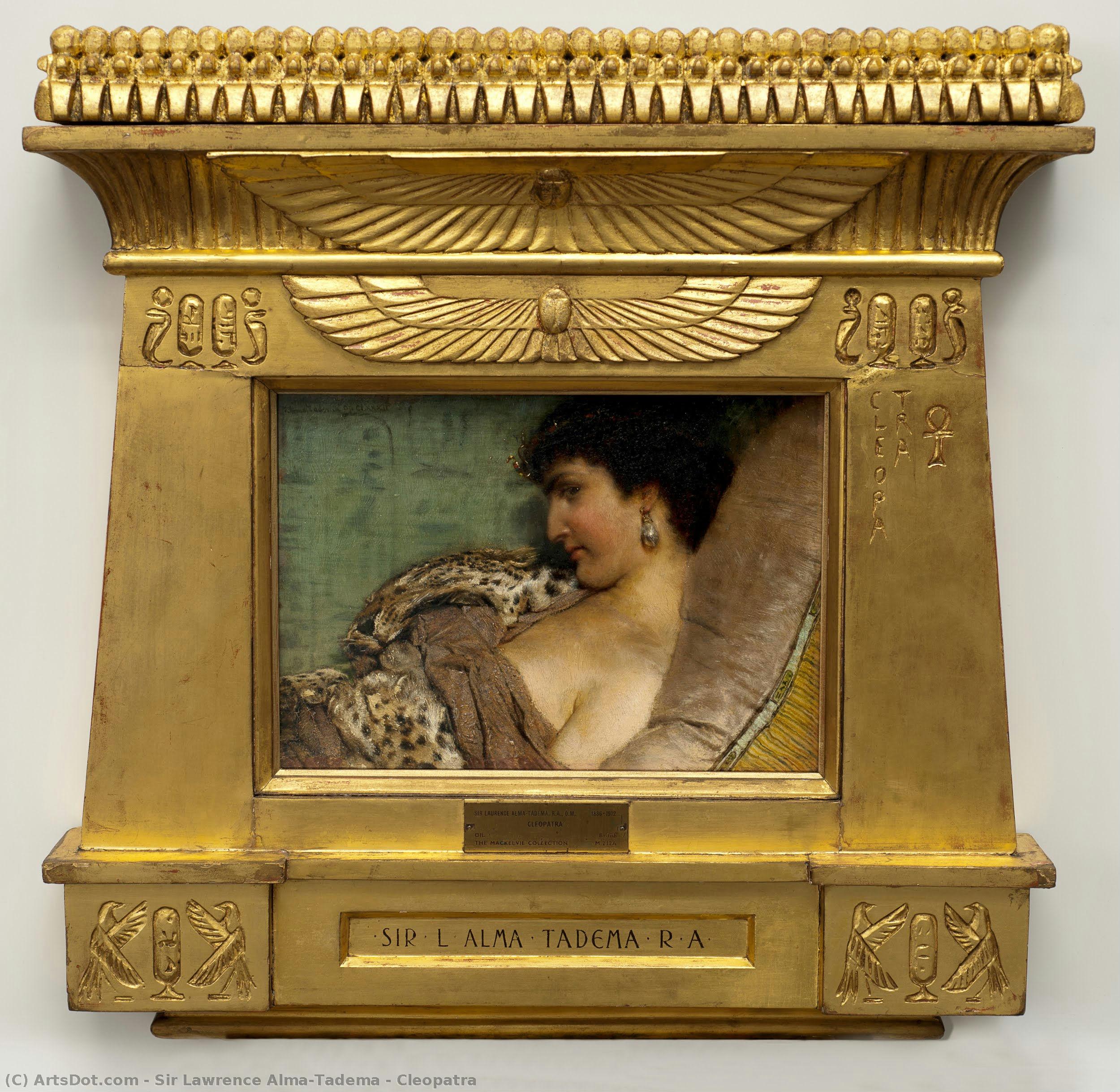
Cleopatra

- 46.0 x 44.0 cm


 Zobraziť viac
Získajte súbor pripravený na tlač, ktorý ponúka oveľa vyššiu kvalitu než online náhľad. Každý predávaný digitálny obraz pochádza z vysokorozlíseného originálu v našej databáze – zvyčajne s šírkou 5 000 až 15 000 pixelov – takže môžete s istotou tlačiť vo veľkom formáte, vytvárať detailné výrezy alebo reprodukovať jemné detaily.
Žiadny súbor neopustí naše štúdio bez úprav. Digitálny expert kontroluje farby v porovnaní s originálnym obrazom a v prípade potreby ich opraví, následne nástrojmi na profesionálnu retuš zvyšuje mieru ostrosti a detailov — pričom vždy zostáva verný umeleckému ťahu štetca a štýlu autora. Výsledkom je obraz, ktorý pôsobí ako samotné dielo, nie ako naskenovaný snímok s filtrom.
Schvaľujete ešte pred dokončením: náš expert vám obrazový súbor do 72 hodín pošle e-mailom na kontrolu. Nie ste spokojní? Požiadajte o vylepšenia alebo opravy, prípadne si môžete vyžiadať vrátenie platby, ak kvalita nedosahuje očakávanú úroveň.
Táto kvalita je základom dôvery vydavateľov, dizajnových štúdií, galérií a tlačovníkov.
Digitálny obraz
Stiahnite si vysokorozlíšený súbor na osobné zobrazovanie, tlačenie a kreatívne projekty. ( Prepnúť na tlač Kúpiť ručne maľovaný obraz)
Súčasťou každej objednávky digitálneho obrazu
Garantovaná expertná digitálna distribúcia
Keď si vyberiete OriginalUniqueArt.com, nezískate len obyčajný obrázok – získate profesionálne upravené digitálne umenie, vytvorené s maximálnou precíznosťou a podložené zárukou vašej spokojnosti. Tu je všetko, čo je súčasťou vašej objednávky automaticky:

Rýchle doručenie e-mailom
Vaša vysokorozlíšená digitálna súprava obrázkov vám bude zaslaná e-mailom do 72 hodín od objednávky – pripravená na okamžité použitie.

Digitálny súbor s vylepšením AI
Vaše dielo je profesionálne optimalizované pomocou pokročilých nástrojov umelej inteligencie a manuálnej úpravy, čo zaručuje maximálnu mieru detailov, čistotu a presnosť farieb.

Bezplatné celoživotné opätovné doručenie
Súbor ste náhodou zmazali alebo ste ho stratili? Žiadne starosti – kedykoľvek vám ho môžeme poslať znova, úplne bez poplatkov.

Bez poplatkov za dovoz – navždy
Užite si svoje umenie okamžite bez colných poplatkov, daní alebo nákladov na dopravu – digitálne stiahnutia sú vždy oslobodené od dane.

Garantovaná presnosť farieb
Pomocou profesionálnych nástrojov a farebného manažmentu zabezpečujeme, aby vaša digitálna fotografia čo najpresnejšie odrážala pôvodné farby.

Záruka spokojnosti 100 dní
Ak nebudete spokojní so svojím digitálnym obrázkom, upravíme ho alebo vám v priebehu 100 dní vrátime 100% – bez zbytočných otázok.

100% Záruka vrátenia peňazí
Nie ste spokojní? Získajte plnú náhradu platby do 100 dní od prijatia digitálneho súboru – bez zbytočných otázok.

Zľavy pri veľkom odbere
Pri kúpe 3 obrázkov získate zľavu 10% - Pri kúpe 5 obrázkov získate zľavu 15% - Pri kúpe 10+ obrázkov získate zľavu 20%. Ideálne pre kreatívne projekty, galérie a agentúry.
A Portrait of Power and Intrigue: Exploring Alma Tadema’s Cleopatra
Lawrence Alma-Tadema's "The Meeting of Antony and Cleopatra," completed in 1877, transcends mere depiction; it embodies the opulent drama of Shakespeare’s iconic tale. More than just a visual record of history, this monumental oil painting delves into psychological complexities and artistic innovation—a testament to Tadema’s mastery of capturing both grandeur and subtle emotion. The artwork's enduring fascination stems from its meticulous attention to detail and its ability to convey the palpable tension between ambition and desire.- Subject Matter: The scene portrays Antony and Cleopatra seated at a banquet table, immediately after Cleopatra unveils her audacious gesture—dissolving an earring in wine as a challenge to Antony’s prowess. This moment encapsulates the crux of Shakespeare's narrative and Tadema brilliantly translates it onto canvas.
- Style & Technique: Tadema adhered rigorously to academic conventions, prioritizing realism and meticulous observation. His technique involved layering thin glazes over toned ground, achieving remarkable luminosity and capturing the textures of fabrics—the sumptuous silks and velvets adorning Cleopatra’s attire are particularly noteworthy. The artist skillfully employs chiaroscuro – dramatic contrasts between light and dark – to sculpt the figures and heighten the theatrical atmosphere.
- Historical Context: Painted during the Victorian era, “The Meeting” reflects a fascination with classical antiquity and Roman decadence. Tadema meticulously researched historical costumes and interiors, striving for accuracy that would impress discerning audiences. The painting speaks to anxieties about social morality alongside an appreciation for beauty and luxury—a characteristic blend of Victorian sensibilities.
- Symbolism: Cleopatra’s gesture is laden with symbolic significance. It represents her defiance of convention and her calculated manipulation of Antony's ego, highlighting her intelligence and cunning. The wine symbolizes indulgence and the ephemeral nature of pleasure, mirroring the doomed romance at its core. Furthermore, the opulent setting underscores the vast disparity between power and vulnerability.
- Emotional Impact: Tadema’s masterful composition compels viewers to contemplate the psychological dynamics between Antony and Cleopatra. The gaze exchanges convey unspoken desires and anxieties—a subtle yet powerful portrayal of human emotion. The painting evokes a sense of grandeur, mystery, and ultimately, tragedy, cementing its place as one of Alma-Tadema's most celebrated achievements.
A Closer Examination: Detail and Composition
The artist’s dedication to realism is evident in every brushstroke. Observe the painstaking rendering of Cleopatra’s jewelry—the pearl earring, painstakingly dissolved in wine—a symbol of her audacious challenge. Tadema's use of color palettes contributes significantly to the painting's mood; cool blues and greens dominate the background, contrasting sharply with the warm hues of Antony’s robes and Cleopatra’s skin tones. The positioning of the figures—Cleopatra seated centrally, Antony slightly angled—creates a dynamic interplay between dominance and vulnerability.Alma Tadema’s Legacy: Influence and Recognition
Lawrence Alma-Tadema remains an influential figure in Victorian art history. His meticulous approach to depicting classical subjects established him as a pioneer of academic painting, influencing generations of artists. Despite fading popularity during the 20th century, Tadema's work experienced a revival in recent decades, appreciated for its artistic merit and its ability to transport viewers back to a bygone era. Reproductions of “The Meeting” continue to adorn homes and galleries worldwide—a testament to the painting’s enduring beauty and narrative power.Exploring Reproduction Options
OriginalUniqueArt offers high-quality reproductions of Alma Tadema's "The Meeting of Antony and Cleopatra," meticulously crafted to capture the essence of the original masterpiece. Choose from a range of sizes and framing options to elevate your interior décor and immerse yourself in the captivating world of Victorian art history. Discover the timeless allure of this iconic painting today!Otázky a odpovede
Ktorý umvec a ktorý štýl stoja za dielom „Cleopatra“?
Za dielom „Cleopatra“ stoja Lourens Alma Tadema a hnutie Victorian Romanticism.
Aká je popularita diela „Cleopatra“ v rámci smeru Victorian Romanticism?
„Cleopatra“ je v katalógu zaznamenané ako Iconic medzi dielami zastúpenými v rámci Victorian Romanticism.
Čo zobrazuje dielo „Cleopatra“ od Lourens Alma Tadema?
Témy predstavované v díle „Cleopatra“ od Lourens Alma Tadema zahŕňajú ancient egypt, roman empire, luxury, banquet table, jewelry, drama, shakespeare. Spolu zhrňujú predmet skladby.
Životopis umelca
Early Life and Artistic Training
Lourens Alma Tadema, neskoršie Lawrence Alma Tadema, sa narodil 8. januára 1836 v malebnej dedinke Dronrijp na severnom pobreží Holandska. Jeho otec, Pieter Jiltes Tadema, bol miestny notár, ktorý mal tri syny z prvého manželstva a matka, Hinke Dirks Brouwer, bola pol sestrička Pieterskej prvej manželky. Rodina Tadema sa v roku 1838 presunula do blízkeho mesta Leeuwarden, kde Pieter získal miesto notára, čo bolo pre rodinu finančne výhodnejšie. Jeho otec zomrel, keď bol Laurens štyri roky starý, a jeho matka zostala s piatimi deťmi: Laurenom, sestrou a tromi chlapcami z otcovej prvého manželstva. Hinke Brouwer mala sklony k umeniu a rozhodla sa zapojiť kreslenie do vzdelávania detí. Laurens dostal svoje prvé umelecké vzdelanie od miestneho kresliarskeho učiteľa, ktorý ho učil spolu s jeho staršími bratmi. Bola to pôvodne predstava, že Laurens bude právnik, ale v roku 1851 utrpel fyzickú a psychickú zlomyseľnosť. Diagnostikovaný ako človek s tuberkúlózou, mu bolo dané len krátke obdobie života, počas ktorého mohol tráviť čas kreslením a maľovaním. Po tom, čo sa sám zbavil choroby, rozhodol sa venovať sa kariére umelca. V roku 1852 vstúpil do Kráľovskej akadémie v Antverpách, kde študoval holandské a flamské majstrovské diela z raného obdobia, pričom zároveň absorboval prísnu detailnosť, ktorú si vyžadovala historická presnosť. Po štyroch rokoch štúdovania na akademii získal Laurens niekoľko poctivých ocenení. Pred odchodom zo školy, koncom roku 1855, sa stal pomocníkom malára Louisa Jana de Taeyeho, ktorého kurzy dejín a historického kostýmu si veľmi užil na akademii. De Taeye ho uviedol k knihám, ktoré ovplyvnili jeho túžbu zobrazovať merovingské témy v ranom období jeho kariéry. Bol povzbudený, aby zobrazoval historickú presnosť v svojich maľbách, čo sa stalo charakteristickou črtou umelca a vedelo k tomu, že sa stal najvýznamnejším malárom zobrazujúcim mramor a variované granity na svete.Exploring Antiquity: Merovingian Mysteries and Egyptian Visions
Laurens Alma Tadema’s artistic trajectory began with explorations of Merovingian themes—the Frankish dynasty that ruled after the fall of the Western Roman Empire. These early works, though demonstrating his burgeoning talent for historical detail and narrative composition, didn’t achieve the widespread acclaim he would later find. He was encouraged to depict historic accuracy in his paintings, a trait for which the artist became known. However Merovingian subjects did not have a wide international appeal, so he switched to themes of life in ancient Egypt, then to the classical world of Greece and Rome. This transition wasn’t arbitrary; it reflected a growing public appetite for romanticized visions of antiquity, fueled by archaeological discoveries and a Victorian fascination with moral lessons drawn from the past. Alma-Tadema's depictions of Roman life profoundly influenced popular perceptions of antiquity, shaping how generations imagined the world of emperors, gladiators, and philosophers.The Architect of Atmosphere: Detail and Light
What truly set Alma Tadema apart was his unparalleled ability to create atmosphere. He wasn’t just painting objects; he was capturing the very *feeling* of sunlight on marble, the coolness of mosaic floors underfoot, the gentle murmur of fountains in a Roman atrium. This mastery stemmed from an obsessive attention to detail and a deep understanding of materials. He meticulously researched ancient architecture, furniture, and clothing, ensuring that every element within his compositions was historically plausible. But beyond accuracy, he possessed a remarkable talent for rendering light and texture. His marble gleamed with a lifelike luminosity, his fabrics flowed with graceful realism, and his water shimmered with captivating clarity. This dedication to verisimilitude wasn’t merely about technical skill; it was about creating an illusion of reality so convincing that viewers felt transported to another time and place. He even went as far as to build miniature models of the settings he intended to paint, ensuring perfect perspective and architectural accuracy.Major Achievements and Recognition
Alma-Tadema’s work gained significant recognition during his lifetime. His paintings were exhibited in prestigious galleries throughout Europe, and he became a celebrated figure in the British art world. He was awarded knighthood in 1899, recognizing his contributions to the arts. Despite this acclaim, Alma-Tadema's style fell out of favor after his death in 1912. The changing tastes of the early 20th century favored more modernist styles, and Alma-Tadema’s meticulous realism seemed out of step with the prevailing artistic trends. It wasn’t until the 1960s that a renewed appreciation for his art began to emerge, driven by scholars and collectors who rediscovered the beauty and technical brilliance of his paintings.Legacy and Influence
Today, Alma-Tadema's works are highly sought after by museums and private collectors worldwide. His influence can be seen in contemporary artists who strive for similar levels of detail and atmospheric realism. He wasn’t just an artist; he was a cultural phenomenon, creating a visual language that continues to resonate today.
Lourens Alma Tadema
1836 - 1912 , Nemecko
Základné informácie
- Artistic Movement Or Style: Neoklasicizmus
- Artists Or Movements Influenced By This Artist: ['Romantizmus']
- Artists Who Influenced This Artist: ['Louis Jan de Taeye']
- Date Of Birth: 8. január 1836
- Date Of Death: 25. jún 1912
- Full Name: Lourens Alma Tadema
- Nationality: Holanďan
- Notable Artworks:
- A Kiss
- Ask Me No More
- Place Of Birth: Dronryp, Holandsko