

 Zobraziť v interiéri
 Odoslať
 Zdieľať
 Podrobnosti
 Príručka

 Stiahnuť
 Podobné položky
 RTG skúška
 Prehliadanie diapo\]
 Štatistiky
Útěk do Egypta


 Prečítať si viac
Ručne maľovaná olejová reprodukcia
Ručne maľovaný olej na plátne vo vašej zvolenej veľkosti a v ráme, vyrobený na mieru našimi umelcami. ( Prepnúť na tlač Prepnúť na digitálnu verziu obrazu)




P118B €10

P118H €10

P118W €10

P438Z €10

P508JH €12

P508YH €12

P805H €10

P805Z €10

P919BZ €10

P919G €10

P919XJ €10

P959ZH €10

P968JZ €12

W106C €8

W218G €10

W218JH €8

W218Y €10

W307PJ €10

W316G €10

W316PJ €8

W316Y €10

W398PJ €8

W4111J €10

W500HY €15

W500JH €15

W692G €12

W849H €8

W940BG €15

W953PJ €8




Vyberte si z našich preddefinovaných rozmerov, ktoré zodpovedajú pôvodným pomeroḿ diela.

Zadajte šírku a výšku, ktoré potrebujete, aby sa dielo hodilo k vášmu rámu alebo stene. Keďže ide o ručnú maľbu, pri rozmeroch s odlišným pomerom strán môže umelec namalovať o niečo viac okolo obrázka alebo ho mierne orezatú — výber patrí vám. Pred začatím maľovania vám pošleme digitálnu ukážku na schválenie. Obrázok zobrazený na tejto stránke nenahrádza reálny výsledok — ten zobrazuje iba digitálna ukážka.
Po odoslaní objednávky vám tím OriginalUniqueArt.com pošle e-mail s pokynmi a poskytne náhľad na návrh
Celosvetová doprava () za 3 až 4 týždne namiesto štandardných 5 týždňov. (22 október). Bez kompromisov v kvalite.

Bezplatná expresná doprava po celom svete

Vysokokvalitné lnianske plátno

Úplné poistenie prepravy

Záruka vrátenia colného poplatku

Záruka presného farebného zhodnutia

100-dená politika vrátenia tovaru (iba pri vadách)

100% záruka vrátenia peňazí

Ponuka množstevnej zľavy
 Možnosť skla je dostupná len pri rozmeroch pod 110 cm

Útěk do Egypta
Spôsob reprodukcie
Veľkosť reprodukcie
-


Celková cena
€ 262
Lorenzo Monaco: A Florentine Monk's Vision – The Flight Into Egypt (Detail)
Lorenzo Monaco’s “The Flight into Egypt” stands as a testament to the burgeoning Renaissance spirit nestled within the lingering echoes of Gothic tradition. Painted circa 1405-1410, this exquisite panel depicts a pivotal biblical narrative—the Holy Family's perilous journey to Egypt—capturing not merely an event but also a profound contemplation on faith and divine protection. Located in the Lindenau Museum Altenburg, it exemplifies Monaco’s mastery of color and composition, marking him as arguably the final significant voice of Giotto’s stylistic legacy before the transformative surge of Fra Angelico and Masaccio irrevocably reshaped Florentine art.- Style & Technique: Monaco skillfully blends elements of Gothic and Proto-Renaissance aesthetics. The tempera on poplar wood technique lends a luminous quality to the pigments, creating an ethereal atmosphere that contrasts sharply with the shadowy forest backdrop—a deliberate choice designed to heighten dramatic tension and convey a sense of mystery.
- Composition & Symbolism: Monaco’s meticulous attention to detail is evident in every aspect of the painting. The central figure group – Mary cradling Jesus – dominates the composition, positioned prominently within the frame's semicircle, symbolizing maternal devotion and divine grace. The donkey serves as a visual anchor, guiding the viewer’s gaze across the scene and representing humility and steadfastness.
- Historical Context: Monaco’s work emerged during a period of significant artistic experimentation in Florence. Artists like Giotto had established a foundation of narrative clarity and emotional resonance, yet Monaco pushed boundaries by incorporating geometric principles—particularly the frame's angular projections—to achieve unparalleled visual harmony. This reflects the broader Renaissance fascination with mathematical proportions and idealized beauty.
- Color Palette & Texture: The artist utilizes a restrained palette dominated by earthy tones – browns, greens, and ochres – punctuated by splashes of vibrant color to illuminate key elements like Mary’s robe and the foliage of the forest. Monaco achieves remarkable textural depth through layering thin glazes of pigment, creating an illusion of realism that surpasses many of his contemporaries.
- Emotional Impact: “The Flight Into Egypt” transcends mere depiction; it communicates a palpable sense of serenity amidst danger. The artist’s masterful use of light and shadow evokes feelings of compassion, piety, and unwavering faith—themes central to the humanist ideals gaining traction during the Quattrocento.
Further Exploration: Artistic Influences & Comparisons
Lorenzo Monaco's artistic journey was deeply rooted in the traditions of Giotto di Bondone, whose expressive frescoes at Assisi established a precedent for conveying emotion through stylized figures and dramatic landscapes. However, Monaco distinguishes himself from his predecessors by embracing geometric precision—a hallmark of Proto-Renaissance art—demonstrating an awareness of classical ideals that foreshadowed the monumental achievements of artists like Masaccio and Brunelleschi. Examining Monaco’s work alongside those of Fra Angelico reveals a fascinating dialogue between Gothic spirituality and emerging Renaissance humanism, illustrating the complex artistic landscape of Florence during this transformative era.The Annunciation Triptych: A Parallel Vision
Considered Monaco's magnum opus, The Annunciation Triptych showcases his unparalleled ability to synthesize narrative clarity with emotional depth—a characteristic that aligns seamlessly with the aesthetic principles championed by Masaccio and Piero della Francesca. Like “The Flight Into Egypt,” this monumental panel employs geometric proportions and subtle shading techniques to create a captivating visual experience, cementing Monaco’s position as one of the last masters of Gothic art while simultaneously anticipating the stylistic innovations of the Renaissance.Resources for Detailed Study
For deeper insights into Lorenzo Monaco's life and oeuvre, consult scholarly publications exploring his monastic upbringing and artistic training in Florence. Furthermore, examining reproductions of “The Flight Into Egypt” alongside comparable works by Giotto and Fra Angelico offers invaluable comparative analysis—illuminating the evolution of Florentine painting from the Gothic to the Renaissance periods.Otázky a odpovede
Na čo sa odporúča reprodukcia diela „Útěk do Egypta“ od Lorenzo Monaco?
Reprodukcia diela „Útěk do Egypta“ od Lorenzo Monaco je vhodná pre Akcentujúce. Toto odporúčanie vychádza z témy, nálady a farebnej skladby tohto diela.
K ktorej fáze tvorivého rozvoja Lorenzo Monaco patrí dielo „Útěk do Egypta“?
Dielo „Útěk do Egypta“ patrí do obdobia Late Gothic v tvorbe umelca Lorenzo Monaco. Táto klasifikácia spája toto dielo s vývojom umeleckej dráhy autora.
Čo vysvetľuje situáciu s autorskými právami diela „Útěk do Egypta“ od Lorenzo Monaco?
Autorské práva k dielu „Útěk do Egypta“ – v verejnom vlastníctve – autorské práva vypršali – vyplývajú zo smrti umelca v roku 1425.
Biografia umelca
Lorenzo Monaco (1370–1425): A Florentine Painter Bridging Gothic Elegance & Early Renaissance Innovation
Lorenzo Monaco, born Piero di Giovanni around 1370 in Siena, occupies a fascinating and pivotal position in the transition from the Gothic grace of the Trecento to the burgeoning Renaissance ideals of the Quattrocento. Though biographical details remain scarce, his artistic journey reveals a compelling story of adaptation, innovation, and deeply felt spirituality. Apprenticed in Florence, he absorbed the lessons of masters like Giotto, Spinello Aretino, and Agnolo Gaddi – artists who established a foundation of narrative clarity and emotional resonance. However, it was his embrace of monastic life in 1390, joining the Camaldolese order at Santa Maria degli Angeli, that truly shaped both his artistic identity and earned him the name by which he is best known: Lorenzo Monaco, or “Lawrence the Monk.” This commitment to a contemplative existence profoundly influenced the character of his work, imbuing it with an introspective quality and a focus on devotional themes.Early Training & Gothic Influences
Lorenzo Monaco’s formative years were spent in Florence, where he received comprehensive artistic training under the tutelage of prominent masters. Giotto’s influence is palpable in his early paintings—particularly the predella of Santa Maria degli Angeli—characterized by a masterful command of narrative clarity and emotional expression. He diligently studied the techniques employed by Spinello Aretino and Agnolo Gaddi, absorbing their refined linearism and attention to detail. These artists had established a tradition of portraying biblical scenes with dignity and solemnity, prioritizing psychological realism over mere decorative splendor. Monaco’s initial stylistic choices reflected this heritage—a restrained palette dominated by muted hues and an emphasis on delicate ornamentation—demonstrating a respect for the aesthetic conventions of his time. The International Gothic style prevailed throughout Europe during this period, shaping Monaco's artistic vision and informing his approach to composition and color.The Camaldolese Order & Spiritual Transformation
In 1390 Lorenzo Monaco entered the Camaldolese monastery of Santa Maria degli Angeli, marking a decisive turning point in his life and artistic career. This monastic vocation instilled within him a profound sense of spirituality that would permeate his subsequent work—a preoccupation with themes of faith, humility, and contemplation. He dedicated himself to liturgical art, producing illuminated manuscripts and panel paintings for the monastery’s chapel, demonstrating an unwavering devotion to religious expression. The Camaldolese Order's emphasis on asceticism and prayer undoubtedly influenced Monaco’s artistic sensibilities, fostering a stylistic preference for understated elegance and symbolic resonance. His work became imbued with an ethereal quality of light—a characteristic feature of Gothic art—reflecting his inner spiritual life and conveying profound emotional depth.Evolution Towards Renaissance Style
From around 1404 Monaco's style began to shift noticeably, embracing elements that foreshadowed the burgeoning Renaissance aesthetic. He absorbed influences from contemporaries like Lorenzo Ghiberti and Gherardo Starnina, incorporating their sophisticated compositional techniques and meticulous attention to detail. The *Pietà* in Florence’s Galleria dell’Accademia exemplifies this transition—characterized by elongated figures draped in sinuous drapery, sharp edges, and a luminous palette infused with gold leaf and lapis lazuli. Monaco skillfully blended Gothic elegance with Renaissance stirrings, creating a distinctive visual language that distinguished him from his predecessors. He experimented with spatial arrangements—moving away from the flattened perspectives of Gothic art toward more realistic depictions of space—though he retained his commitment to conveying emotional intensity through stylized forms and expressive gestures.Major Achievements & Legacy
Lorenzo Monaco achieved considerable renown during his lifetime, securing commissions for monumental frescoes in churches throughout Tuscany and producing numerous illuminated manuscripts that stand as masterpieces of medieval artistry. His most celebrated works include the *Coronation of the Virgin*, housed in the Uffizi Gallery—a vibrant tapestry of saints rendered with remarkable dynamism and color—and the *Polyptych of Monteoliveto*, which showcases his mastery of monumental painting and exemplifies the spiritual fervor of the Quattrocento. Perhaps Monaco’s crowning achievement is the *Adoration of the Magi* (1420-1422), a fresco in the Palazzo Vecchio that demonstrates his innovative use of foreshortening—creating a compelling visual illusion without resorting to strict geometrical perspective—and conveying profound emotional depth. Giorgio Vasari, writing in his *Lives of the Artists*, acknowledged Monaco’s talent while noting his untimely death from an unidentified infection around 1425. Despite his brief career, Lorenzo Monaco left an indelible mark on Florentine art history—establishing himself as the last significant exponent of Giotto's style and paving the way for the transformative innovations of Masaccio and Filippo Brunelleschi. His legacy continues to inspire artists today, reminding us that artistic excellence can flourish within established traditions while simultaneously embracing new aesthetic horizons.
Lorenzo Monaco
1370 - 1425 , Taliansko
Rýchle fakty
- Artistic Movement Or Style: Late Gothic / Early Renaissance
- Artists Or Movements Influenced By This Artist: ['Fra Angelico']
- Artists Who Influenced This Artist:
- Giotto
- Spinello Aretino
- Agnolo Gaddi
- Date Of Birth: c. 1370
- Date Of Death: c. 1425
- Full Name: Lorenzo Monaco
- Nationality: Italian
- Notable Artworks:
- Madonna and Child
- Praying Prophet
- Christ Giving the Keys to Saint Peter
- Place Of Birth: Siena, Italy
Súvisiace články
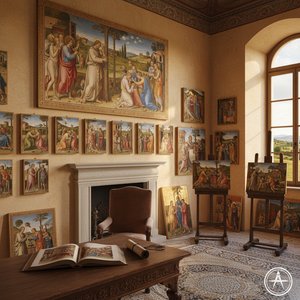
Giotto di Bondone: Top 25 majstrovských diel pre váš domov | OriginalUniqueArt.sk
Objavte top 25 majstrovských diel Giotta di Bondone! Fresky, renesančné obrazy a historické motívy plné emócií. Nájdite reprodukcie obrazov pre váš domov na OriginalUniqueArt.com – múzejná kvalita a inšpirácia pre interiérový dizajn.

Mary Vaux Walcott: Botanical Precision & Artistic Vision in American Conservation
Discover the exquisite botanical watercolors of Mary Vaux Walcott, celebrated as the 'Audubon of Botany.' Explore her life, art, and lasting impact on American conservation through detailed illustrations & Smithsonian contributions.
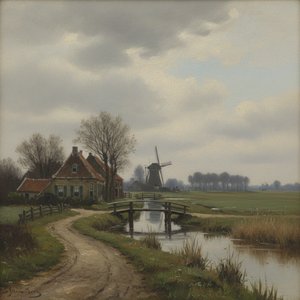
Jacob Henricus Maris: A Master of Dutch Atmospheric Realism & the Intimate Landscape
Explore the captivating world of Jacob Henricus Maris, a leading figure of the Dutch Hague School. Discover his atmospheric landscapes, signature brushstrokes & lasting influence on 19th-century art. Learn more at OriginalUniqueArt.
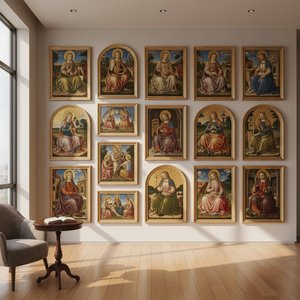
Fra Angelico: Top 25 Majstrovských Diel pre Krásu a Duchovnosť | OriginalUniqueArt.com
Objavte top 25 majstrovských diel Fra Angelica – renesančných fresiek a panelových malieb plných duchovnosti. Prežite príbehy umenia, techniky a farieb. Kvalitné reprodukcie obrazov na OriginalUniqueArt.com! Preskúmajte celú kolekciu online.
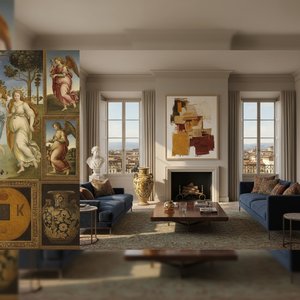
Top 25 majstrovských diel Galleria degli Uffizi: Umění a krása pre váš domov | OriginalUniqueArt.com
Objavte top 25 majstrovských diel Galleria degli Uffizi! Botticelli, Leonardo da Vinci a ďalší renesanční umelci. Historie, techniky a inšpirácia pre váš interiér. Reprodukcie obrazov na OriginalUniqueArt.com.

