

 Náhľad v interiéri
 Odoslať ako digitálnu kartu
 Zdieľať
 Podrobnosti o dielo
 Príručka

 Stiahnuť obraz
 Podobné položky
 RTG skúška
 Prehliadanie diapozoje
 Q&A
Q&A Štatistiky
Moses
 Tempera On Panel
- WallArt
- Early Renaissance
 1408
1408- Renaissance
 63.0 x 45.0 cm
 Metropolitné múzeum umenia
 Zobraziť viac
Giclée / Umenotlač
Giclée tlač alebo plátno múzeálnej kvality s rýchlou výrobou a rôznymi možnosťami povrchovej úpravy. ( Kúpiť ručne maľovaný obraz Prepnúť na digitálny obraz)




P118B €10

P118H €10

P118W €10

P438Z €10

P508JH €12

P508YH €12

P805H €10

P805Z €10

P919BZ €10

P919G €10

P919XJ €10

P959ZH €10

P968JZ €12

W106C €8

W218G €10

W218JH €8

W218Y €10

W307PJ €10

W316G €10

W316PJ €8

W316Y €10

W398PJ €8

W4111J €10

W500HY €15

W500JH €15

W692G €12

W849H €8

W940BG €15

W953PJ €8




Vyberte si z našich preddefinovaných rozmerov, ktoré zodpovedajú pôvodným pomeroḿ diela.

Zadajte šírku a výšku, ktoré potrebujete, aby sa reprodukcia hodila k vášmu rámu alebo stene. Print možno len orezávať, nikdy však nemennú veľkosť zvětšiť oproti pôvodnému obrázku, preto pri inom formáte stráca časť obrazu. Pred samotným vytlačiacím procesom vám pošleme digitálny náhľad na schválenie. Obrázok zobrazený na tejto stránke nezobrazuje reálny rez — len digitálny náhľad ukazuje presný výsledok.
Celosvetová doprava () do 2 týždňov namiesto štandardných 4 až 5 týždňov. (30 október)

Bezplatná expresná doprava po celom svete

Vysokokvalitné lnianske plátno

Kompletné poistenie prepravy

Záruka vrátenia colného poplatku

Záruka presného farebného zhodnutia

100-dená politika vrátenia tovaru (iba pri vadách)

100% záruka vrátenia peňazí

Zľava pri väčšom množstve
 Možnosť skla je dostupná len pri rozmeroch pod 110 cm

Moses
Giclée / Umenotlač
Veľkosť reprodukcie
-


Celková cena
€ 71
A Divine Encounter in Gold and Tempera
In the quiet, hallowed halls of the Metropolitan Museum of Art, there exists a window into the spiritual fervor of the early fifteenth century. Lorenzo Monaco’s Moses, painted in 1408, is far more than a mere depiction of a biblical patriarch; it is a luminous portal to the late Gothic soul. As one gazes upon this masterpiece, the first sensation is often one of profound stillness. The figure of Moses does not merely sit; he presides. Seated upon a throne-like chair that suggests both regal authority and sacred stability, he anchors the composition with an unwavering presence. The artist, a Camaldolese monk, infused the panel with a contemplative depth that transcends the boundaries of time, inviting every viewer—whether an art historian or a modern collector—to partake in a moment of silent meditation.
The technique employed by Lorenzo Monaco is a testament to the exquisite craftsmanship of the Florentine tradition. Utilizing tempera, a medium requiring meticulous, layer-by-layer application, the artist achieved a texture that feels both delicate and enduring. The most striking feature, however, is the masterful integration of gold leaf. This precious element does not merely decorate the background; it breathes life into the scene, creating a celestial radiance that seems to emanate from within the painting itself. This use of light serves to dissolve the physical boundaries of the architectural structure behind Moses, replacing the mundane world with a shimmering, divine atmosphere that elevates the subject from a historical figure to an eternal icon.
Symbolism and the Weight of Commandment
Every element within this composition is heavy with theological significance. The two tablets held firmly in Moses' hands are the focal point of his narrative identity, bearing pseudo-Hebrew script that symbolizes the Ten Commandments. These stones represent the intersection of divine law and human existence, a theme that resonates deeply with the religious landscape of the early Renaissance. The way Moses grips these tablets suggests not just the delivery of a message, but the immense responsibility of a leader chosen by God. His facial expression, characterized by a thoughtful and somber gaze, mirrors the gravity of the laws he carries.
The architectural elements surrounding the figure add a layer of structural majesty to the work. The throne and the subtle hints of a temple or palace setting provide a sense of place that is both grounded and otherworldly. For those looking to integrate such a piece into a curated interior, the painting offers a unique balance of grandeur and intimacy. It possesses the ability to anchor a room with its historical weight while providing a sophisticated focal point through its rich textures and warm, golden tones. To possess a reproduction of this work is to bring a fragment of Florentine history and a sense of timeless peace into one's personal sanctuary.
A Legacy for the Modern Collector
Lorenzo Monaco stands at a pivotal crossroads in art history, acting as a bridge between the flowing, emotive lines of the Gothic era and the structured, humanistic clarity of the Renaissance. His ability to marry the spiritual intensity of his monastic life with the burgeoning technical innovations of his time makes Moses a singular achievement. This painting is not merely an object of study; it is an emotional experience. It captures the tension between the earthly weight of leadership and the ethereal light of divine revelation.
For interior designers and art enthusiasts, this work offers unparalleled inspiration. Its palette of deep tones and brilliant golds complements both classical and contemporary settings, providing a sense of continuity and cultural depth. Whether displayed in a library, a study, or a grand living space, a high-quality reproduction of this masterpiece serves as a profound reminder of the enduring power of sacred art to move the human spirit.
Otázky a odpovede
Je dielo „Moses“ typické pre to, čo Lorenzo Monaco zvyčajne tvoril?
Medzi zaznamenané témy umelca Lorenzo Monaco – giotto and agnolo gaddi, late gothic style, ten commandments narrative, biblical patriarch representation, monastic spiritual influence – prináša dielo „Moses“ vlastný dôraz na moses, man, throne, tablets, gold leaf, architecture, robes.
Hacia ktorej farbe sa naklonilo dielo "Moses"?
„Moses“ skloní sa k Golden Yellow Range odtieňu.
Aký je pomer strán a aké sú rozmery diela „Moses“ od Lorenzo Monaco?
Formát diela „Moses“ je Portrait a originál meria 63 x 45 cm. Obe informácie sú užitočné pri plánovaní reprodukcie.
Biografia umelca
Lorenzo Monaco (1370–1425): A Florentine Painter Bridging Gothic Elegance & Early Renaissance Innovation
Lorenzo Monaco, born Piero di Giovanni around 1370 in Siena, occupies a fascinating and pivotal position in the transition from the Gothic grace of the Trecento to the burgeoning Renaissance ideals of the Quattrocento. Though biographical details remain scarce, his artistic journey reveals a compelling story of adaptation, innovation, and deeply felt spirituality. Apprenticed in Florence, he absorbed the lessons of masters like Giotto, Spinello Aretino, and Agnolo Gaddi – artists who established a foundation of narrative clarity and emotional resonance. However, it was his embrace of monastic life in 1390, joining the Camaldolese order at Santa Maria degli Angeli, that truly shaped both his artistic identity and earned him the name by which he is best known: Lorenzo Monaco, or “Lawrence the Monk.” This commitment to a contemplative existence profoundly influenced the character of his work, imbuing it with an introspective quality and a focus on devotional themes.Early Training & Gothic Influences
Lorenzo Monaco’s formative years were spent in Florence, where he received comprehensive artistic training under the tutelage of prominent masters. Giotto’s influence is palpable in his early paintings—particularly the predella of Santa Maria degli Angeli—characterized by a masterful command of narrative clarity and emotional expression. He diligently studied the techniques employed by Spinello Aretino and Agnolo Gaddi, absorbing their refined linearism and attention to detail. These artists had established a tradition of portraying biblical scenes with dignity and solemnity, prioritizing psychological realism over mere decorative splendor. Monaco’s initial stylistic choices reflected this heritage—a restrained palette dominated by muted hues and an emphasis on delicate ornamentation—demonstrating a respect for the aesthetic conventions of his time. The International Gothic style prevailed throughout Europe during this period, shaping Monaco's artistic vision and informing his approach to composition and color.The Camaldolese Order & Spiritual Transformation
In 1390 Lorenzo Monaco entered the Camaldolese monastery of Santa Maria degli Angeli, marking a decisive turning point in his life and artistic career. This monastic vocation instilled within him a profound sense of spirituality that would permeate his subsequent work—a preoccupation with themes of faith, humility, and contemplation. He dedicated himself to liturgical art, producing illuminated manuscripts and panel paintings for the monastery’s chapel, demonstrating an unwavering devotion to religious expression. The Camaldolese Order's emphasis on asceticism and prayer undoubtedly influenced Monaco’s artistic sensibilities, fostering a stylistic preference for understated elegance and symbolic resonance. His work became imbued with an ethereal quality of light—a characteristic feature of Gothic art—reflecting his inner spiritual life and conveying profound emotional depth.Evolution Towards Renaissance Style
From around 1404 Monaco's style began to shift noticeably, embracing elements that foreshadowed the burgeoning Renaissance aesthetic. He absorbed influences from contemporaries like Lorenzo Ghiberti and Gherardo Starnina, incorporating their sophisticated compositional techniques and meticulous attention to detail. The *Pietà* in Florence’s Galleria dell’Accademia exemplifies this transition—characterized by elongated figures draped in sinuous drapery, sharp edges, and a luminous palette infused with gold leaf and lapis lazuli. Monaco skillfully blended Gothic elegance with Renaissance stirrings, creating a distinctive visual language that distinguished him from his predecessors. He experimented with spatial arrangements—moving away from the flattened perspectives of Gothic art toward more realistic depictions of space—though he retained his commitment to conveying emotional intensity through stylized forms and expressive gestures.Major Achievements & Legacy
Lorenzo Monaco achieved considerable renown during his lifetime, securing commissions for monumental frescoes in churches throughout Tuscany and producing numerous illuminated manuscripts that stand as masterpieces of medieval artistry. His most celebrated works include the *Coronation of the Virgin*, housed in the Uffizi Gallery—a vibrant tapestry of saints rendered with remarkable dynamism and color—and the *Polyptych of Monteoliveto*, which showcases his mastery of monumental painting and exemplifies the spiritual fervor of the Quattrocento. Perhaps Monaco’s crowning achievement is the *Adoration of the Magi* (1420-1422), a fresco in the Palazzo Vecchio that demonstrates his innovative use of foreshortening—creating a compelling visual illusion without resorting to strict geometrical perspective—and conveying profound emotional depth. Giorgio Vasari, writing in his *Lives of the Artists*, acknowledged Monaco’s talent while noting his untimely death from an unidentified infection around 1425. Despite his brief career, Lorenzo Monaco left an indelible mark on Florentine art history—establishing himself as the last significant exponent of Giotto's style and paving the way for the transformative innovations of Masaccio and Filippo Brunelleschi. His legacy continues to inspire artists today, reminding us that artistic excellence can flourish within established traditions while simultaneously embracing new aesthetic horizons.
Lorenzo Monaco
1370 - 1425 , Taliansko
Základné informácie
- Artistic Movement Or Style: Late Gothic / Early Renaissance
- Artists Or Movements Influenced By This Artist: ['Fra Angelico']
- Artists Who Influenced This Artist:
- Giotto
- Spinello Aretino
- Agnolo Gaddi
- Date Of Birth: c. 1370
- Date Of Death: c. 1425
- Full Name: Lorenzo Monaco
- Nationality: Italian
- Notable Artworks:
- Madonna and Child
- Praying Prophet
- Christ Giving the Keys to Saint Peter
- Place Of Birth: Siena, Italy
Súvisiace články

Gold Leaf & Gilding: The Sacred Art of Byzantine and Renaissance Masterpieces
Explore the profound history of gold leaf and gilding in Byzantine and Renaissance art. Discover how this sacred technique transformed religious iconography into celestial phenomena through light, symbolism, and unparalleled craftsmanship.

Gold Leaf & Gilding: The Master Craft of Byzantine and Renaissance Art
Explore the sacred art of gold leaf and gilding in Byzantine and Renaissance masterpieces. Discover the techniques of goldbeating, the symbolism of divine light, and how these luminous textures continue to inspire museum-quality hand-painted reproductions today.

The Magic of Gold Leaf: Unveiling the Sacred Art of Byzantine & Renaissance Gilding
Explore the transcendent beauty of gold leaf in Byzantine and Renaissance art. Discover how ancient gilding techniques created a celestial glow that continues to inspire luxury interiors and fine art collectors today.
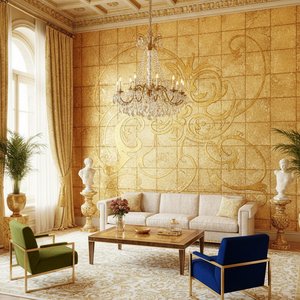
Gilded Splendor: Elevating Luxury Interiors with the Timeless Radiance of Gold Leaf Artistry
Transform your interiors with the timeless radiance of gold leaf art. Discover museum-quality, hand-painted oil reproductions and bespoke gilded commissions. From Byzantine splendor to Klimt’s brilliance, explore exquisite pieces curated for the most discerning luxury collectors.

Gilded Elegance: How Gold Background Artworks Transform Luxury Interiors with Timeless Radiance
Discover how gold background artworks infuse luxury interiors with timeless radiance. Explore the artistry of gold leaf, from Byzantine traditions to modern impasto textures, and learn to curate a sophisticated home with premium, hand-painted gilded masterpieces.

