
 Náhľad
 Odoslať
 Zdieľať
 Podrobnosti o dielo

 Stiahnuť
 Podobné diela
 RTG skúška
 Prezentácia
Untitled (D2WW5C)


 Zobraziť viac
Kúpte si digitálnu snímku vo vysokom rozlíšení s vylepšenými detailmi, ktorá je oveľa kvalitnejšia než online náhľad.
Každý súbor starostlivo pripravujú naši interní špecialisti pomocou pokročilých nástrojov a odborného manuálneho retušovania. Zabezpečujeme, aby každý obrázok disponoval výnimočnou čistotou, presnou farebnou vernosťou a jemnými detailmi.
Konečný súbor vám bude doručený e-mailom do 72 hodín, optimalizovaný pre okamžité použitie v profesionálnom, redakčnom aj tlačovom prostredí. Ide o rovnakú kvalitu, ktorej dôverajú špičkové dizajnérske štúdiá, vydavateľstvá a galérie.
Digitálny obraz
Stiahnite si vysokorozlíšený súbor na osobné zobrazovanie, tlačenie a kreatívne projekty. ( Prejsť na tlač Prejsť na ručne maľovanú reprodukciu)
Súčasťou každej objednávky digitálneho obrazu
Expetórne digitálne doručenie, garantované
Keď si vyberiete OriginalUniqueArt.com, nedostávate len obrázok – získate profesionálne upravené digitálne umenie, vytvorené s precíznosťou a so zárukou vašej maximálnej spokojnosti. Tu je všetko, čo je súčasťou vašej objednávky automaticky:

Rýchle doručenie e-mailom
Vaša vysokorozlíšená digitálna súprava obrázkov vám bude zaslaná e-mailom do 72 hodín od objednávky – pripravená na okamžité použitie.

Digitálny súbor s vylepšením AI
Vaše dielo je profesionálne optimalizované pomocou pokročilých nástrojov umelej inteligencie a manuálnej editácie, čo zaručuje maximálnu úroveň detailov, čistotu a presnosť farieb.

Bezplatné celoživotné opätovné doručenie
Náhodou ste zmazali alebo ste stratili svoj súbor? Nebavžte sa – pošleme vám ho kedykoľvek znova, úplne bez poplatkov.

Bez poplatkov za dovoz – navždy
Užite si svoje umelodelo okamžite bez colných poplatkov, daní alebo nákladov na dopravu – digitálne stiahnutia sú vždy oslobodené od dane.

Garantovaná presnosť farieb
Pomocou profesionálnych nástrojov a farebného manažmentu zabezpečujeme, aby vaša digitálna fotografia čo najpresnejšie odrážala pôvodné farby.

60-dňová záruka spokojnosti
Ak nebudete spokojní so svojou digitálnou fotografiou, upravíme ju alebo vám vrátime 100% v priebehu 60 dní – bez zbytočných otázok.

100% Záruka vrátenia peňazí
Nie ste spokojní? Získajte plnú náhradu peňazí do 60 dní od prijatia vášho digitálneho súboru – bez zbytočných otázok.

Zľavy pri veľkom odbere
Kúpte si 3 obrazy, ušetrite 10% - Kúpte si 5, ušetrite 15% - Kúpte si 10+, ušetrite 20%. Ideálne pre kreatívne projekty, galérie a agentúry.
Popis zberateľského predmetu
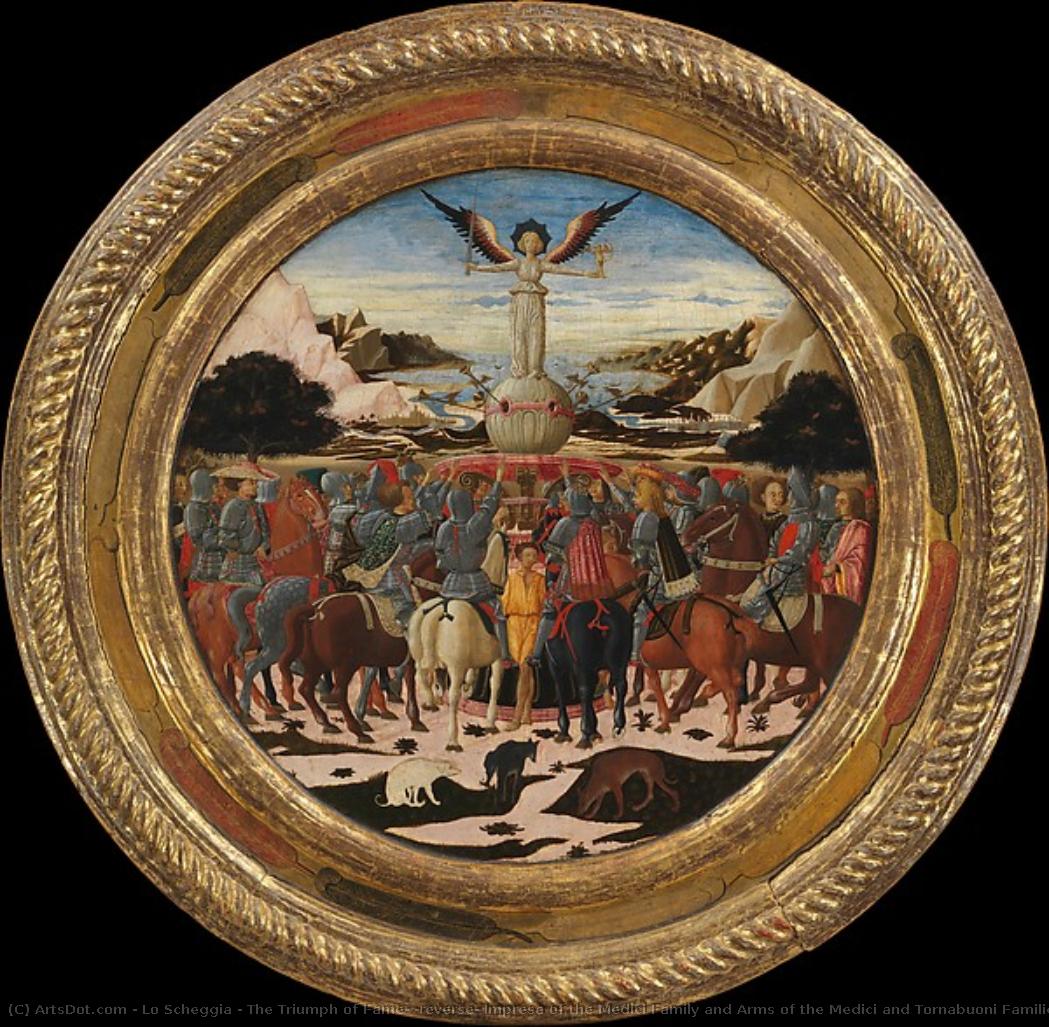
A Renaissance Triumph: Lo Scheggia’s “The Triumph of Fame”
Lo Scheggia's "The Triumph of Fame," painted around 1449, isn’t merely a depiction of a celebratory event; it’s a vibrant encapsulation of the burgeoning humanist ideals and dynastic ambitions that defined Florence during the early Renaissance. Commissioned to commemorate the birth of Lorenzo de’ Medici – later known as “il Magnifico” – this circular tempera panel on wood pulsates with life, radiating an almost overwhelming sense of grandeur and aspiration. The artwork immediately draws the eye to a central allegorical figure embodying Fame herself, her outstretched hands gesturing towards a procession of knights, each vying for her attention, symbolizing the pursuit of renown and influence. This wasn’t simply a portrait; it was a carefully constructed visual argument for Lorenzo's lineage and future power.A Masterful Blend of Technique and Symbolism
Scheggia’s skill lies not just in his ability to capture likeness, but in his masterful manipulation of color and texture. The vibrant reds of the Medici family’s banners contrast sharply with the cooler tones of the knights' armor, creating a dynamic visual rhythm. Notice the meticulous detail lavished on the figures – the intricate folds of their garments, the glint of silver and gold embellishments, and the subtle expressions conveying ambition and deference. The use of tempera paint allowed for layering and glazing, building up rich colors and luminous effects that were characteristic of Florentine painting at this time. The circular format itself is significant; it evokes a halo effect around Fame, elevating her to an almost divine status – a fitting representation for the most coveted prize in Renaissance society.The Medici Dynasty and the Pursuit of Legacy
Understanding the historical context is crucial to appreciating “The Triumph of Fame.” Lorenzo de’ Medici's birth was a pivotal moment for Florence, marking the beginning of a period of unprecedented political and cultural stability under his rule. The painting reflects this optimism and ambition, explicitly celebrating the Medici family’s claim to power and influence. The inclusion of the Tornabuoni family arms alongside those of the Medici underscores the importance of alliances and strategic marriages in securing dynastic legitimacy. The very act of commissioning such a grand celebration speaks volumes about Lorenzo's father, Piero de’ Medici’s desire to establish his own legacy – a legacy that his son was destined to surpass.Beyond the Surface: Layers of Meaning
Delving deeper reveals layers of symbolic complexity. The winged cupid held by Fame represents the allure and often treacherous nature of celebrity, while the sword symbolizes both power and the potential for violence inherent in the pursuit of renown. The knights themselves represent various factions vying for Lorenzo’s favor – a microcosm of Florence's complex political landscape. Even the reverse side of the panel, featuring an image of the Medici family crest with the motto “Semper,” reinforces this message of enduring power and legacy. “The Triumph of Fame” is therefore not just a celebratory portrait; it’s a carefully orchestrated visual statement about ambition, lineage, and the complex dynamics of Renaissance Florence.A Timeless Masterpiece for Today
Today, reproductions of “The Triumph of Fame” continue to captivate viewers with its vibrant colors, dynamic composition, and profound symbolism. Its rich textures and luminous effects evoke a sense of timeless beauty, while the painting’s themes – ambition, legacy, and the pursuit of excellence – remain remarkably relevant. Whether adorning a grand salon or a more intimate space, this artwork offers a glimpse into the heart of Renaissance Florence and serves as a powerful reminder of the enduring allure of human achievement.Životopis umelca
Filippo Lippi: A Renaissance Rebel and Master of Light
Filippo Lippi, born around 1406 in Florence and tragically dying in Spoleto in 1469, remains one of the most enigmatic and compelling figures of the Early Renaissance. More than just a painter, he was a complex individual – a reluctant friar, a passionate lover, a rebellious spirit, and ultimately, a profoundly gifted artist who defied convention and redefined the possibilities of visual storytelling. His life, shrouded in both romantic legend and documented scandal, mirrors the turbulent artistic landscape of his time, while his art continues to captivate with its luminous beauty and psychological depth.Early Life and Unconventional Beginnings
Lippi’s early years were marked by an unusual upbringing. Orphaned at two, he was entrusted to the care of his aunt, who placed him in the Carmelite friary of Santa Maria del Carmine in Florence – a decision driven more by necessity than affection. This placement, however, proved transformative. While initially intended as a temporary arrangement, Lippi’s artistic talent quickly shone through, captivating the attention of the prior and leading to his formal entry into the order at the age of sixteen. His life within the friary was far from serene; he struggled with religious discipline, harboring a deep-seated desire for worldly pleasures – most notably, a passionate affair with Lucrezia Buti, a nun who bore him two children. This scandalous relationship led to his expulsion from the convent and eventual marriage, forever branding him as a figure of contradiction: a devout artist wrestling with earthly desires. This unconventional background profoundly shaped his artistic vision, imbuing it with a sense of human drama and emotional complexity rarely seen in contemporary works.Influences and Artistic Development
Lippi’s early style was undeniably influenced by the revolutionary work of Masaccio at the Brancacci Chapel in Santa Maria del Carmine. The use of linear perspective, anatomical accuracy, and a nascent sense of realism were all hallmarks of Masaccio's approach, and Lippi initially adopted these techniques with enthusiasm. However, as he matured, his style underwent a dramatic shift, moving away from strict academic precision towards a more expressive and decorative aesthetic. He embraced rich color palettes, intricate details – particularly in drapery and ornamentation – and a dynamic sense of movement that set him apart from his contemporaries. His work began to reflect the humanist ideals of the era, exploring psychological states and capturing fleeting moments of emotion with unprecedented sensitivity. The influence of Donatello’s sculpture is also evident in Lippi's figures, particularly their dynamism and expressive gestures.Major Works and Innovations
Lippi’s artistic output was remarkably prolific, encompassing a diverse range of subjects including religious scenes, portraits, and decorative panels. His *Madonna and Child Enthroned* (c. 1437-1438), now in the Uffizi Gallery, exemplifies his early style – characterized by meticulous detail, balanced composition, and a subtle use of perspective. However, it was his monumental fresco cycle in Prato Cathedral, depicting the lives of St Stephen and St John the Baptist (1452–66), that cemented his reputation as one of the greatest artists of his time. This ambitious project showcased Lippi’s mastery of color, composition, and narrative storytelling, establishing him as a leading figure in the Florentine art world. Furthermore, he pioneered the use of the *sacra conversazione*, a format featuring multiple figures within a single frame, creating dynamic and engaging compositions that were revolutionary for their time. His work on the Barbadori Altarpiece (1437-1440) is considered one of the earliest examples of this innovative approach.Legacy and Historical Significance
Filippo Lippi’s legacy extends far beyond his individual works. He was a pivotal figure in the transition from Gothic to Renaissance art, embodying the spirit of innovation and experimentation that characterized the era. His willingness to challenge conventional artistic norms – both religious and stylistic – made him a controversial yet admired figure. His influence on subsequent generations of artists is undeniable, particularly Sandro Botticelli, who undoubtedly studied under Lippi and absorbed his distinctive style. Lippi’s life story—a blend of piety, passion, scandal, and artistic genius—continues to fascinate art historians and enthusiasts alike, solidifying his place as one of the most intriguing and important figures in Renaissance Italy. His work remains a testament to the power of art to capture both the beauty and the complexities of human experience.
lo scheggia
1406 - 1486 , Italy
Základné informácie
- Artistic Movement Or Style: Early Renaissance
- Artists Or Movements Influenced By This Artist: ['Botticelli']
- Artists Who Influenced This Artist: ['Masaccio']
- Date Of Birth: c. 1406
- Date Of Death: 1469
- Full Name: Filippo Lippi
- Nationality: Italian
- Notable Artworks:
- Madonna and Child
- Annunciation
- Seven Saints
- Place Of Birth: Florence, Italy

