

 Náhľad
 Odoslať
 Zdieľať
 Podrobnosti o dielo

 Stiahnuť
 Podobné diela
 RTG skúška
 Prezentácia
Scholar viewing a waterfall
 Acrylic On Canvas
- WallArt
- Shanshui
 1201
1201 25.0 x 26.0 cm
 Metropolitné múzeum umenia
 Zobraziť viac
Giclée / Umenotlač
Giclée tlač alebo plátno múzeálnej kvality s rýchlou výrobou a flexibilnými možnosťami povrchovej úpravy. ( Kúpiť ručne maľovaný obraz Kúpiť obrázok)




P118B $10

P118H $10

P118W $10

P438Z $10

P508JH $12

P508YH $12

P805H $10

P805Z $10

P919BZ $10

P919G $10

P919XJ $10

P959ZH $10

P968JZ $12

W106C $8

W218G $10

W218JH $8

W218Y $10

W307PJ $10

W316G $10

W316PJ $8

W316Y $10

W398PJ $8

W4111J $10

W500HY $15

W500JH $15

W692G $12

W849H $8

W940BG $15

W953PJ $8




Vyberte si z našich preddefinovaných rozmerov, ktoré zodpovedajú pôvodným pomeroḿ diela.

Môžete zadať vlastné rozmery, aby sa reprodukcia prispôsobila konkrétnemu rámu alebo priestoru. Ak zvolená veľkosť nebude zodpovedať proporciám originálu, dielo buď orežeme, alebo obraz rozšírime pomocou zrkadlenia či farebného doplnenia okrajov. Pred začatím výroby vám pošleme digitálnu ukážku na schválenie.
Máte na vedomí, že náhľad na obrazovke neodzrkadľuje skutočné orezanie alebo rozšírenie. Len digitálna ukážka presne zobrazí finálnu kompozíciu.
Hoci sú k dispozícii vlastné rozmery, pre zachovanie pôvodných proporcií odporúčame vybrať si rozmer z vopred definovaného zoznamu.
Celosvetová doprava () do 2 týždňov namiesto štandardných 4/5 týždňov. (18 august)

Bezplatná expresná doprava po celom svete

Prémiové lnianske plátno

Kompletné poistenie prepravy

Záruka vrátenia colného poplatku

Záruka presného farebného zhodnutia

60-dňá politika vrátenia (iba pri defektoch)

100% záruka vrátenia peňazí

Výhodná množstevná zľava
 Možnosť skla je dostupná len pri rozmeroch pod 110 cm

Scholar viewing a waterfall
Giclée / Umenotlač
Veľkosť reprodukcie
-


Celková cena za vybrané možnosti
$ 80
Popis predmetu
Ma Yuan’s Scholar Viewing a Waterfall: A Meditation on Landscape and Contemplation
The artwork, “Scholar Viewing a Waterfall,” attributed to Ma Yuan (馬遠), stands as a cornerstone of Southern Song landscape painting—a genre that profoundly shaped Chinese artistic sensibilities and continues to resonate with audiences today. Executed circa 1201 during the reign of Emperor Gaozong, this monochrome ink wash painting transcends mere depiction; it embodies a philosophical quest for harmony between humanity and nature, reflecting the prevailing aesthetic ideals of its time. Ma Yuan’s masterful technique—characterized by subtle tonal gradations achieved through meticulous layering of ink washes—captures not just the visual appearance of the scene but also its emotional atmosphere.- Subject Matter: The composition centers on a solitary scholar positioned before a cascading waterfall amidst towering pine trees and rocky outcrops. This motif was deeply ingrained in Confucian thought, symbolizing resilience, longevity, and the pursuit of moral virtue—values paramount to the intellectual elite of Song Dynasty China.
- Style & Technique: Ma Yuan’s approach aligns perfectly with Shanshui (山水), or landscape painting, which prioritized capturing the essence of nature rather than striving for photographic realism. Brushstrokes are fluid and expressive, conveying movement within the stillness of the mountainside. The artist skillfully utilizes atmospheric perspective—a technique perfected during this period—to create depth and illusionistic space.
- Historical Context: The Southern Song Dynasty (1127–1279) witnessed a flourishing cultural landscape marked by advancements in scholarship, philosophy, and artistic innovation. Ma Yuan’s work reflects the broader preoccupation with Daoist principles of balance and interconnectedness—a worldview that sought to reconcile Confucian ethics with the dynamism of the natural world.
- Symbolism: The waterfall itself represents abundance and renewal – a visual metaphor for spiritual transformation. Simultaneously, the scholar embodies intellectual contemplation and moral integrity, mirroring the aspirations of educated men striving for enlightenment. These elements intertwine to convey a profound message about achieving inner peace through engagement with the sublime beauty of nature.
- Emotional Impact: Viewing “Scholar Viewing a Waterfall” evokes a feeling of tranquility and serenity—a deliberate aim of Shanshui artists. The muted palette—primarily shades of brown and grey—enhances this contemplative mood, inviting viewers to immerse themselves in the scene’s quiet grandeur and contemplate its symbolic significance.
Biografia umelca
A Journey Across Continents: The Life of Li Yuan-chia
Li Yuan-chia was a soul that refused to be bound by borders, a polymath whose creative essence flowed through the veins of China, Taiwan, Italy, and eventually the rugged landscapes of Northern England. Born in the province of Guangxi, China, his early life was marked by profound displacement; given up for adoption as an infant, he navigated a childhood of orphanages before finding a sense of belonging in Taiwan. This early experience of searching for identity would later manifest in his art as a deep, philosophical inquiry into connection, presence, and the ephemeral nature of existence. He did not merely paint; he existed as a poet, a mathematician, and a curator, weaving together disparate threads of human experience into a singular, cohesive vision that bridged the gap between Eastern tradition and Western avant-garde experimentation.The Vanguard of Abstraction: From Ton Fan to the Global Stage
In the mid-1950s, within the vibrant artistic ferment of Taiwan, Li emerged as a pivotal figure in the Ton Fan Group, also known as the Orient Movement. Alongside a cohort of revolutionary peers known as the "Eight Great Outlaws," he challenged the prevailing academicism of his time, pushing toward an uncompromising exploration of abstraction. This movement was not merely about aesthetic change but was a bold assertion of a new Chinese artistic identity on the global stage. The group’s participation in the 1957 São Paulo Biennial served as a watershed moment, signaling to the world that a new language of modernism was being forged in the East. Li's early work, while rooted in the rhythmic grace of calligraphic traditions, began to shed its literal forms, embracing a conceptual depth that would define his later career.The LYC Museum: A Sanctuary of Experimental Spirit
As his journey took him through the historic streets of Bologna and into the heart of London’s experimental scene, Li's artistic scope expanded into the realms of installation, photography, and environmental art. However, it was his move to Cumbria, England, in the late 1960s that provided the ultimate canvas for his legacy. Purchasing a derelict farmhouse on Hadrian's Wall, he transformed the space into the LYC Museum and Art Gallery. This was not a traditional institution but a living, breathing sanctuary where experimental artworks existed in dialogue with Roman artifacts and local Cumbrian crafts. Through this museum, Li acted as a custodian of innovation, hosting works from over three hundred artists and creating a space where the boundaries between art, history, and life were intentionally blurred.A Legacy of Conceptual Depth and Materiality
The true significance of Li Yuan-chia lies in his ability to inhabit multiple artistic identities simultaneously. His oeuvre is a rich tapestry of diverse media:- Monochromatic and Ink Painting: Works that capture the meditative stillness of Eastern aesthetics.
- Conceptual Installations: Artworks that invite participation and explore the physical presence of objects in space.
- Photography and Mixed Media: A documentation of the ephemeral, blending the tangible with the imagined.
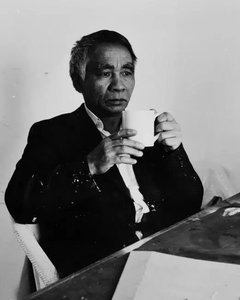
Li Yuan-chia
1929 - 1994 , China
Základné informácie
- Artistic Movement Or Style: Abstract Expressionism; Installations; Photography
- Artists Or Movements Influenced By This Artist: ['Ton Fan Group']
- Artists Who Influenced This Artist: ['Li Chung-sheng']
- Date Of Birth: 1929 Guangxi China
- Date Of Death: 1994
- Full Name: Li Yuan-chia
- Nationality: Chinese
- Notable Artworks:
- Untitled
- Untitled (Diptych)
- Scholar viewing a waterfall
- Place Of Birth: Guangxi China
Súvisiace články
Top 10 krajín v umení: Majstrovské diela pre váš domov | OriginalUniqueArt
Objavte top 10 krajín v umení od Van Gogha po Monet! Prežite príbehy slávnych majstrov a ich ikonických diel. Reprodukcie obrazov pre váš domov na OriginalUniqueArt.com – múzejná kvalita, inšpirácia a dekorácie.

Katsushika Hokusai: 25 Majstrovských Diel pre Krásu Vášho Domova | OriginalUniqueArt.com
Ponorte sa do sveta Katsushika Hokusaiho a objavte 25 jeho najznámejších umeleckých diel. Ukiyo-e, The Great Wave, Fujiyama – príbehy za ikonickými obrazmi. Kvalitné reprodukcie pre váš domov na OriginalUniqueArt.com.

John Constable: Top 25 Majstrovských Diel pre Váš Domov | OriginalUniqueArt.sk
Ponorte sa do sveta Johna Constabla s OriginalUniqueArt.sk! Objavte top 25 majstrovských diel anglického romantizmu – od ikonického Hay Wain až po krajinárske motívy Suffolku. Kvalitné reprodukcie obrazov pre váš domov. Preskúmajte celú kolekciu online!

Evocations of Place: A Historical Journey Through Landscape Art
Explore the rich history of landscape art with OriginalUniqueArt. Discover renowned artists, movements like Impressionism & Romanticism, and expert guidance for collecting timeless pieces. Find your perfect serene escape today!

Top 10 Majstrov Romantickej Krajinomaľby: Obrazy, ktoré zmenili svet umenia
Ponorte sa do sveta romantickej krajinomaľby! Objavte top 10 majstrovských diel od Friedricha, Turnera a ďalších. Historické obrazy prírody s nádychom emócií. Reprodukcie obrazov pre váš interiér na OriginalUniqueArt.com.

