Prepnúť na tlač
 Zobraziť viac







































 V prípade umeleckých diel alebo reprodukcií, ktorých ktorákoľvek strana je väčšia ako 105 cm (cca 41 palcov), sa rám dodáva v rozloženom stave ako sada. Táto metóda zabezpečuje bezpečnú доставu a chráni pred poškodením počas prepravy.


The Last Supper (detail)
“The Last Supper” by Leonardo da Vinci stands as an unparalleled achievement in Renaissance art, captivating audiences centuries after its creation. More than just a depiction of biblical scripture, it’s a profound exploration of human emotion and artistic innovation—a testament to Da Vinci's genius that continues to inspire awe.
A Window into Renaissance Ideals
Painted between 1495 and 1498 during Ludovico Sforza’s reign in Milan, the fresco embodies the humanist spirit of the era. Unlike earlier religious art focused on stylized figures and symbolic representations, Da Vinci sought to portray human beings with unprecedented realism—capturing not only their physical appearance but also their psychological states. This ambition reflects a broader intellectual movement that prioritized observation and understanding of the natural world alongside theological contemplation.
Technical Marvels: Perspective and Light
Da Vinci’s mastery of perspective is immediately apparent upon viewing the painting. He employs linear perspective to create an illusion of depth, positioning Jesus at the center of a table with twelve apostles—a masterful feat that revolutionized artistic technique. Furthermore, Da Vinci skillfully manipulates light and shadow (chiaroscuro) to heighten dramatic tension and convey emotion. The diffused light emanating from the windows casts intricate patterns across the faces of the apostles, emphasizing their expressions and contributing to the overall atmosphere of solemn contemplation.
Symbolism: Faces and Gestures
The composition itself is laden with symbolic significance. Da Vinci meticulously studied human anatomy—a groundbreaking endeavor for his time—to accurately represent the musculature and facial expressions of each apostle. Judas Iscariot’s face, notably rendered in shadow, embodies betrayal and despair—a poignant portrayal of psychological complexity that transcends mere visual representation. The gestures of the apostles convey a range of emotions—surprise, apprehension, disbelief—reflecting their reaction to Jesus' announcement of his impending crucifixion.
Legacy: Influence on Art History
"The Last Supper" irrevocably altered the course of art history. Its innovative techniques and psychological depth served as an inspiration for generations of artists who followed Da Vinci—establishing a new standard for realism and emotional expression. Today, reproductions of this iconic masterpiece adorn homes and galleries worldwide, ensuring that its enduring beauty and profound artistic merit continue to resonate with audiences across cultures.
Otázky a odpovede
Do ktorej časti domova sa hodí reprodukcia diela „The Last Supper (detail)“?
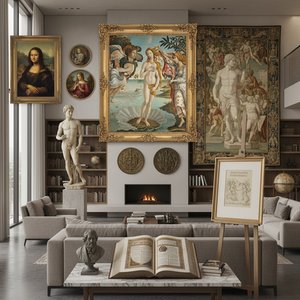
Pre dielo „The Last Supper (detail)“ od Leonardo Da Vinci sa odporúča Living Room. Toto odporúčanie vychádza z témy, farebnej skladby a nálady daného diela.
Kde kúpiť ručne maľované kópie diela „The Last Supper (detail)“ od Leonardo Da Vinci?
„The Last Supper (detail)“ je k dispozícii ako ručne maľovaná olejná reprodukcia na ľanovom plátne. Objednávku môžete vložiť na jeho stránke Ručne maľovaná reprodukcia, pričom si môžete vybrať z rôznych veľkostí.
Môžem si "The Last Supper (detail)" pozrieť podrobnejšie?
X-ray pohľad na dielo „The Last Supper (detail)“ od Leonardo Da Vinci nájdete na jeho stránke RTG skenovanie: ide o interaktívne skúmanie obrazu prostredníctvom jedenástich optických vrstiev.
 Náhľad v interiéri
 Odoslať ako digitálnu kartu
 Zdieľať
 Podrobnosti o dielo
 Príručka

 Stiahnuť obraz
 Podobné položky
 RTG skúška
 Prehliadanie diapozoje
 Otázky a odpovede
 Štatistiky