- Domov

- Digitálny obraz
- lee ufan
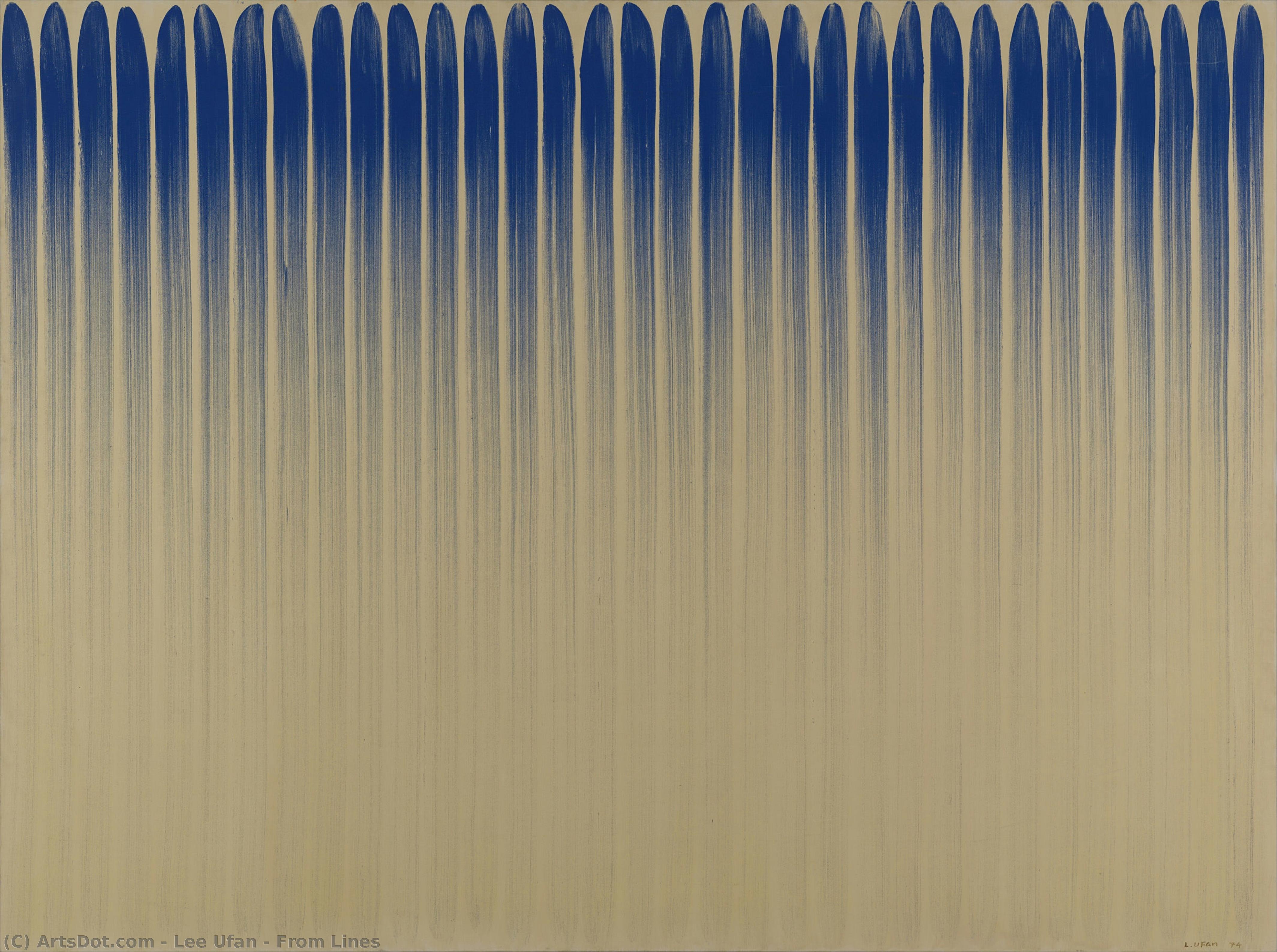
- From Lines
 Náhľad
 Odoslať
 Zdieľať
 Podrobnosti o dielo

 Stiahnuť
 Podobné diela
 RTG skúška
 Prezentácia
From Lines
 259.0 x 194.0 cm
 Zobraziť viac
Kúpte si digitálnu snímku vo vysokom rozlíšení s vylepšenými detailmi, ktorá je oveľa kvalitnejšia než online náhľad.
Každý súbor starostlivo pripravujú naši interní špecialisti pomocou pokročilých nástrojov a odborného manuálneho retušovania. Zabezpečujeme, aby každý obrázok disponoval výnimočnou čistotou, presnou farebnou vernosťou a jemnými detailmi.
Konečný súbor vám bude doručený e-mailom do 72 hodín, optimalizovaný pre okamžité použitie v profesionálnom, redakčnom aj tlačovom prostredí. Ide o rovnakú kvalitu, ktorej dôverajú špičkové dizajnérske štúdiá, vydavateľstvá a galérie.
Digitálny obraz
Stiahnite si vysokorozlíšený súbor na osobné zobrazovanie, tlačenie a kreatívne projekty. ( Prejsť na tlač Prejsť na ručne maľovanú reprodukciu)
Súčasťou každej objednávky digitálneho obrazu
Expetórne digitálne doručenie, garantované
Keď si vyberiete OriginalUniqueArt.com, nedostávate len obrázok – získate profesionálne upravené digitálne umenie, vytvorené s precíznosťou a so zárukou vašej maximálnej spokojnosti. Tu je všetko, čo je súčasťou vašej objednávky automaticky:

Rýchle doručenie e-mailom
Vaša vysokorozlíšená digitálna súprava obrázkov vám bude zaslaná e-mailom do 72 hodín od objednávky – pripravená na okamžité použitie.

Digitálny súbor s vylepšením AI
Vaše dielo je profesionálne optimalizované pomocou pokročilých nástrojov umelej inteligencie a manuálnej editácie, čo zaručuje maximálnu úroveň detailov, čistotu a presnosť farieb.

Bezplatné celoživotné opätovné doručenie
Náhodou ste zmazali alebo ste stratili svoj súbor? Nebavžte sa – pošleme vám ho kedykoľvek znova, úplne bez poplatkov.

Bez poplatkov za dovoz – navždy
Užite si svoje umelodelo okamžite bez colných poplatkov, daní alebo nákladov na dopravu – digitálne stiahnutia sú vždy oslobodené od dane.

Garantovaná presnosť farieb
Pomocou profesionálnych nástrojov a farebného manažmentu zabezpečujeme, aby vaša digitálna fotografia čo najpresnejšie odrážala pôvodné farby.

60-dňová záruka spokojnosti
Ak nebudete spokojní so svojou digitálnou fotografiou, upravíme ju alebo vám vrátime 100% v priebehu 60 dní – bez zbytočných otázok.

100% Záruka vrátenia peňazí
Nie ste spokojní? Získajte plnú náhradu peňazí do 60 dní od prijatia vášho digitálneho súboru – bez zbytočných otázok.

Zľavy pri veľkom odbere
Kúpte si 3 obrazy, ušetrite 10% - Kúpte si 5, ušetrite 15% - Kúpte si 10+, ušetrite 20%. Ideálne pre kreatívne projekty, galérie a agentúry.
Životopis umelca
born in haman-gun, gyeongsangnam-do in 1936, lee ufan was raised by his parents and confucian grandfather. lee studied painting at the college of fine arts at seoul national university for just two months and moved to yokohama, japan in 1956, where he earned a degree in philosophy in 1961. whilst studying philosophy ufan painted in a restrained, traditional japanese style, eschewing the expressive abstraction of the contemporary japanese gutai movement. after graduating from the university in japan, 1961, he threw himself against the south–north unification movement and the military regime. in 1964, lee was arrested and tortured by the korean central intelligence agency (kcia).
lee spent his early working years pursuing careers as an art critic, philosopher, and artist. in japan he became an active participant in the countercultural upheavals surrounding the anpo movement of the 1960s. he came to prominence in the late 1960s as one of the founders and theoretical leaders of the avant garde mono-ha (school of thing) group. mono-ha was related in arte povera movement of the 1960s and japan's first contemporary art movement to gain international recognition. the mono-ha school of thought rejected western notions of representation, choosing to focus on the relationships of materials and perceptions rather than on expression or intervention. the movement's goal was to embrace the world at large and encourage the fluid coexistence of numerous beings, concepts, and experiences. lee u-fan's position in the philosophy department at nihon university in tokyo earned him a distinguished role as the movement's spokesman. in 1973, he was appointed professor of tama art university in tokyo and he stayed there until 2007. yoshio itagaki was one of his students in 1989–1991. he is professor emeritus at tama art university.
in the mid-1970s lee introduced korean five artists whom called later dansaekzo whehwa (monotone painting) school to japan, which offered a fresh approach to abstraction by presenting repetitive gestural marks as bodily records of time’s perpetual passage. in his early painting series, from point and from line (1972–84), lee combines ground mineral pigment with animal-skin glue, characteristic of nihonga painting in which he was trained. each brushstroke is applied slowly and is composed of several layers. where the brush first makes contact with the canvas, the paint is thick, forming a 'ridge' that gradually becomes lighter. rarely does his brush touch the surface more than three times. the artist refers to this as yohaku or the art of emptiness. in the from point works he adopted a similar method in order to produce a fading series of small, discrete, rectangular brushstokes. in 1991 lee began his series of correspondance paintings, which consist of just one or two grey-blue brushstrokes, made of a mixture of oil and crushed stone pigment, applied onto a large white surface. on average it takes lee about a month to finish a painting, on canvases that typically measure about 60 by 90 inches, although they can vary in size from a few inches to 10 feet per side. he completes no more than 25 works a year.
lee's sculptures, presenting dispersed arrangements of stones together with industrial materials like steel plates, rubber sheets, and glass panes, recast the discrete object as a network of relations based on parity between the viewer, materials, and site. in his sculptural series relatum, each work consists of one or more light-colored round stones and dark, rectangular iron plates.

lee ufan
1936 -
Základné informácie
- Artistic Movement Or Style: Minimalism, Mono-ha
- Artists Or Movements Influenced By This Artist:
- Mono-ha
- Dansaekjo Yesul
- Artists Who Influenced This Artist:
- Martin Heidegger
- Maurice Merleau-Ponty
- Date Of Birth: 1936
- Full Name: Lee Ufan
- Nationality: Korean
- Notable Artworks:
- From Point series
- From Line series
- Place Of Birth: Haman-gun, Korea

