

 Preview
 Kúpiť tlač Kúpiť digitálnu verziu
 Odoslať
 Zdieľať
 Podrobnosti o dielo
 Pridať do obľúbených

 Stiahnuť
 Podobné diela
 RTG skúška
 Prezentácia
Skin


 Zobraziť viac
Ručne maľovaná olejová reprodukcia
Ručne maľovaný olej na plátne vo vašej zvolenej veľkosti a v ráme, vyrobený na mieru našimi umelcami.




































Vyberte si z našich preddefinovaných rozmerov, ktoré zodpovedajú pôvodným pomeroḿ diela.

Môžete zadať vlastné rozmery tak, aby sa hodili do konkrétneho rámu alebo priestoru. Ak sa váš zvolený rozmer nezhoduje s pôvodnými proporciami obrazu, dielo buď orezáme, alebo ho doplníme ručne maľovanými prvkami. Pred začiatkom výroby vám zašleme digitálny náhľad na schválenie.
Upozorňujeme, že ukážka na obrazovke neodráža skutočné orezanie alebo doplnenie. Skutočnú finálnu kompozíciu zobrazuje iba digitálny náhľad.
Hoci sú k dispozícii vlastné rozmery, odporúčame vybrať rozmer z preddefinovaného zoznamu, aby sme zachovali pôvodné proporcie.
Po odoslaní objednávky vám tím OriginalUniqueArt.com pošle e-mail s pokynmi a poskytne náhľad na návrh.
Celosvetová doprava () za 3 až 4 týždne namiesto štandardných 5 týždňov. (25 júl). Bez kompromisov v kvalite.

Bezplatná expresná doprava po celom svete

Prémiové lnianske plátno

Kompletné poistenie prepravy

Záruka vrátenia colného poplatku

Záruka presného farebného zhodnutia

60-dňá politika vrátenia (iba pri defektoch)

100% záruka vrátenia peňazí

Výhodná množstevná zľava
 Možnosť skla je dostupná len pri rozmeroch pod 110 cm

Skin
Technika reprodukcie
Veľkosť reprodukcie
-


Celková cena za vybrané možnosti
-
Biografia umelca
A Cartography of Memory: The World Within Latifa Echakhch’s Installations
Latifa Echakhch, born in 1974 in El Khnassa, Morocco, is an artist whose work resonates with a quiet power—a power derived not from grand gestures but from the meticulous accumulation of detail and the evocative resonance of everyday objects. Her journey as an artist has been one of navigating cultural boundaries, personal histories, and the complex interplay between public space and individual experience. Echakhch’s installations are less about presenting definitive statements than they are about creating environments that invite contemplation, prompting viewers to question their own perceptions of belonging, identity, and the weight of collective memory. Growing up in Morocco before relocating to France for her studies, she developed a keen sensitivity to the subtle shifts in cultural context and the ways in which objects can carry layers of meaning beyond their immediate function. This early exposure informs much of her practice, where seemingly mundane items—pharmaceutical bottles, rugs, furniture—become vessels for exploring broader socio-political narratives.From Personal Narrative to Public Space
Echakhch’s artistic development has been marked by a gradual expansion from intensely personal explorations to increasingly ambitious interventions in public space. Early works often focused on the domestic sphere, utilizing found objects and materials to reconstruct fragmented memories of her childhood home and Moroccan culture. These pieces weren't nostalgic recreations but rather deconstructed environments—spaces that hinted at absence, displacement, and the challenges of translation. She began to explore themes of migration and exile, not through direct representation, but by focusing on the traces left behind: the remnants of lives lived, the objects that bear witness to journeys undertaken. This shift towards public space allowed Echakhch to engage with a wider audience and address more overtly political concerns. Her installations often occupy architectural spaces—abandoned buildings, museums, or even city squares—transforming them into sites of collective reflection. A key element in her work is the deliberate use of scale; she frequently creates environments that are both immersive and disorienting, challenging viewers’ sense of spatial orientation and prompting a heightened awareness of their own bodies within the artwork.The Language of Absence and the Politics of Display
A defining characteristic of Echakhch's work is her masterful use of absence as a powerful artistic tool. She doesn’t necessarily *show* trauma or conflict, but rather creates spaces that evoke its presence—spaces filled with echoes of loss, displacement, and the fragility of identity. This is often achieved through the strategic removal or fragmentation of objects, leaving behind voids that speak volumes about what has been lost or suppressed. Her installations frequently incorporate elements of Islamic art and architecture, not as a celebration of cultural heritage but as a means of questioning its representation within Western contexts. She challenges conventional notions of authenticity and originality by appropriating and recontextualizing traditional motifs, highlighting the complexities of cultural exchange and the politics of display. The use of materials like rugs, for example, is particularly significant; they are not merely decorative elements but rather symbols of domesticity, tradition, and the often-unacknowledged labor that goes into their creation. Echakhch’s work also engages with the history of colonialism, subtly addressing its lasting impact on both Morocco and France.Recognition and Lasting Impact
Latifa Echakhch has received widespread critical acclaim for her innovative installations and thought-provoking explorations of socio-political themes. Her participation in the Venice Biennale in 2013 brought her work to an international audience, solidifying her reputation as a leading contemporary artist. That same year, she was awarded the prestigious Marcel Duchamp Prize, further recognizing her significant contribution to the field of contemporary art.- Her installations have been exhibited in major museums and galleries around the world
- She has received numerous awards and fellowships for her work
- Echakhch’s work is held in prominent public and private collections
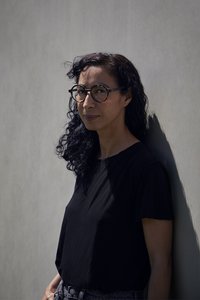
latifa echakhch
1974 - , Morocco
Základné informácie
- Artistic Movement Or Style: Contemporary installation art
- Date Of Birth: 1974
- Full Name: Latifa Echakhch
- Nationality: Moroccan-French
- Place Of Birth: El Khnassa, Morocco
Súvisiace články
Top 10 umeleckých diel skúmajúcich farbu: Inšpirácia pre váš domov s OriginalUniqueArt.com
Objavte top 10 umeleckých diel skúmajúcich silu farieb – od Van Gogha po Picassa. Inšpirujte sa príbehmi slávnych obrazov a farebnými motívmi pre váš interiér s OriginalUniqueArt.com! Reprodukcie múzejnej kvality.
Henri Matisse: Top 25 diel pre milovníkov umenia a luxusného interiéru
Ponorte sa do sveta Henriho Matissea s našou exkluzívnou kolekciou 25 ikonických diel. Objavte príbehy za fauvizmom, farebnými kompozíciami a moderným umením. Reprodukcie obrazov pre luxusný interiér na OriginalUniqueArt.com – preskúmajte celý katalóg online!

Paul Cézanne: Top 25 Majstrovských Diel pre Váš Domov – Kolekcia OriginalUniqueArt
Objavte top 25 diel Paula Cézanna – impresionistické krajinomaľby, zátišia a portréty. Prežite príbeh umelca a jeho majstrovských techník. Reprodukcie obrazov pre luxusný domov na OriginalUniqueArt.com

Silent Narratives: Exploring the Enduring Appeal of Still Life Painting Across Centuries
Explore the rich history of still life painting with OriginalUniqueArt. Discover Dutch Masters, decode vanitas symbolism & learn about collecting timeless art. Expert insights and museum-quality reproductions.
The Enduring Appeal of Still Life: A Historical & Contemporary Exploration
Explore the rich history & symbolism of still life painting with OriginalUniqueArt. Discover masterpieces from the Dutch Golden Age, learn about vanitas art, and find expert guidance for collecting timeless artworks.

