
 Náhľad
 Odoslať
 Zdieľať
 Podrobnosti o dielo

 Stiahnuť
 Podobné diela
 RTG skúška
 Prezentácia
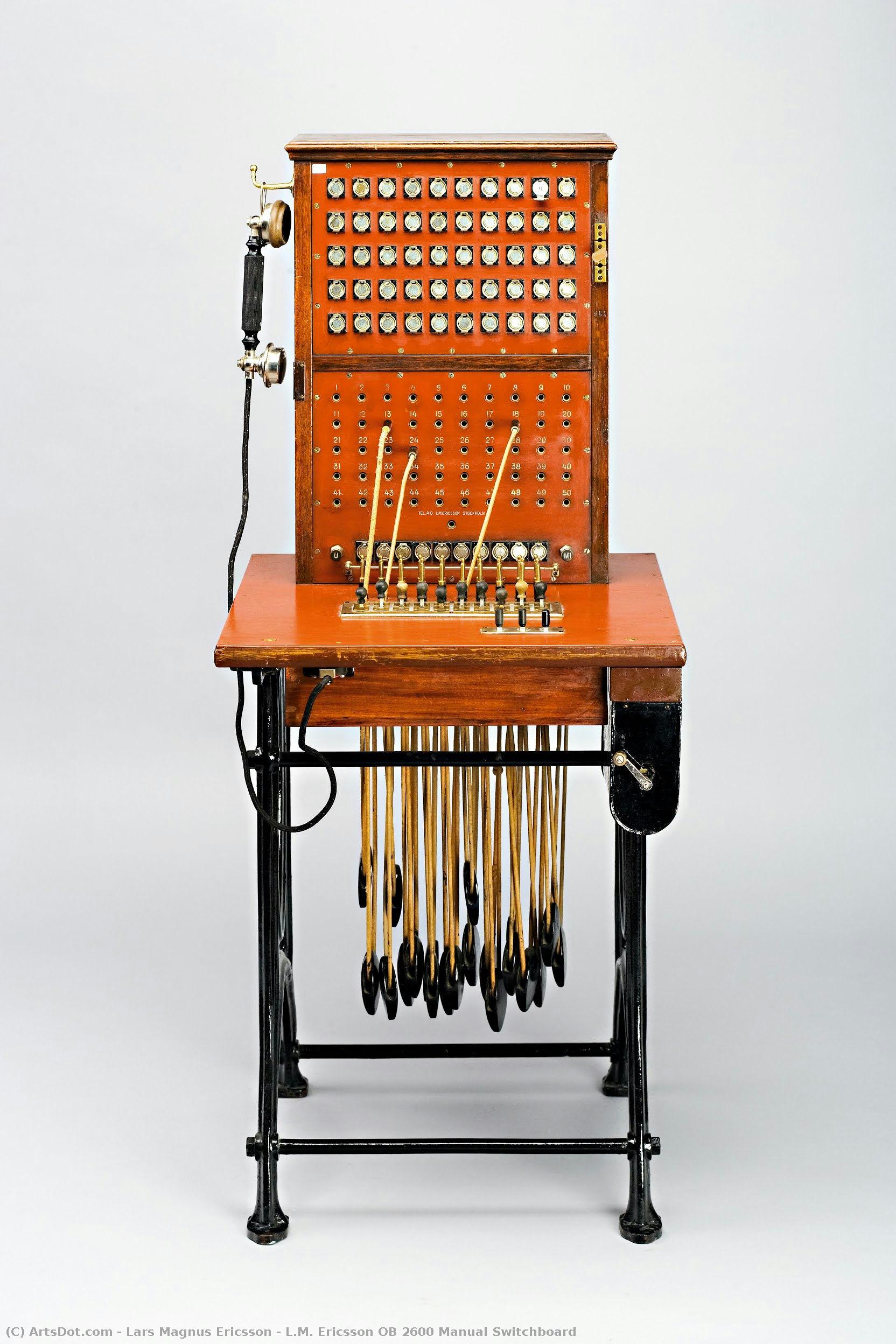
L.M. Ericsson OB 2600 Manual Switchboard
 1900
1900 135.0 x 57.0 cm
 Fundação Portuguesa das Comunicações
 Zobraziť viac
Kúpte si digitálnu snímku vo vysokom rozlíšení s vylepšenými detailmi, ktorá je oveľa kvalitnejšia než online náhľad.
Každý súbor starostlivo pripravujú naši interní špecialisti pomocou pokročilých nástrojov a odborného manuálneho retušovania. Zabezpečujeme, aby každý obrázok disponoval výnimočnou čistotou, presnou farebnou vernosťou a jemnými detailmi.
Konečný súbor vám bude doručený e-mailom do 72 hodín, optimalizovaný pre okamžité použitie v profesionálnom, redakčnom aj tlačovom prostredí. Ide o rovnakú kvalitu, ktorej dôverajú špičkové dizajnérske štúdiá, vydavateľstvá a galérie.
Digitálny obraz
Stiahnite si vysokorozlíšený súbor na osobné zobrazovanie, tlačenie a kreatívne projekty. ( Kúpiť tlač Kúpiť ručne maľovaný obraz)
Súčasťou každej objednávky digitálneho obrazu
Expetórne digitálne doručenie, garantované
Keď si vyberiete OriginalUniqueArt.com, nedostávate len obrázok – získate profesionálne upravené digitálne umenie, vytvorené s precíznosťou a so zárukou vašej maximálnej spokojnosti. Tu je všetko, čo je súčasťou vašej objednávky automaticky:

Rýchle doručenie e-mailom
Vaša vysokorozlíšená digitálna súprava obrázkov vám bude zaslaná e-mailom do 72 hodín od objednávky – pripravená na okamžité použitie.

Digitálny súbor s vylepšením AI
Vaše dielo je profesionálne optimalizované pomocou pokročilých nástrojov umelej inteligencie a manuálnej editácie, čo zaručuje maximálnu úroveň detailov, čistotu a presnosť farieb.

Bezplatné celoživotné opätovné doručenie
Náhodou ste zmazali alebo ste stratili svoj súbor? Nebavžte sa – pošleme vám ho kedykoľvek znova, úplne bez poplatkov.

Bez poplatkov za dovoz – navždy
Užite si svoje umelodelo okamžite bez colných poplatkov, daní alebo nákladov na dopravu – digitálne stiahnutia sú vždy oslobodené od dane.

Garantovaná presnosť farieb
Pomocou profesionálnych nástrojov a farebného manažmentu zabezpečujeme, aby vaša digitálna fotografia čo najpresnejšie odrážala pôvodné farby.

60-dňová záruka spokojnosti
Ak nebudete spokojní so svojou digitálnou fotografiou, upravíme ju alebo vám vrátime 100% v priebehu 60 dní – bez zbytočných otázok.

100% Záruka vrátenia peňazí
Nie ste spokojní? Získajte plnú náhradu peňazí do 60 dní od prijatia vášho digitálneho súboru – bez zbytočných otázok.

Zľavy pri veľkom odbere
Kúpte si 3 obrazy, ušetrite 10% - Kúpte si 5, ušetrite 15% - Kúpte si 10+, ušetrite 20%. Ideálne pre kreatívne projekty, galérie a agentúry.
Popis zberateľského predmetu
Životopis umelca
A Pioneer of Communication: Lars Magnus Ericsson
Lars Magnus Ericsson (1846-1926) stands as a monumental figure in the annals of technological innovation, primarily recognized for establishing Ericsson—a global telecom powerhouse that continues to shape our interconnected world today. Born in Nordenmässa, Sweden, his early life was marked by hardship following his father’s untimely death and subsequent labor as a miner, experiences which instilled within him a resilience and determination that would define his entire career trajectory. Despite limited formal education beyond the village school for five years, Ericsson demonstrated an extraordinary aptitude for mechanics and instrumentation from a remarkably young age—constructing Sweden's inaugural telephone line at just seventeen years old. This formative achievement foreshadowed his lifelong fascination with harnessing scientific principles to improve human life.- Early Influences & Apprenticeship: Ericsson’s intellectual curiosity blossomed during his apprenticeship under Öllers & Co., where he honed his skills in instrument making and collaborated closely with Alexander Graham Bell, refining Bell's telephone design—a pivotal step toward simplifying its cumbersome construction.
- Founding Ericsson & Innovation: Recognizing the transformative potential of telephony, Ericsson partnered with Carl Johan Andersson to establish a workshop in Stockholm in 1876, analyzing existing telephone technologies and crafting his own versions inspired by Siemens telephones. This visionary undertaking cemented Ericsson’s commitment to pushing boundaries and challenging conventional wisdom.
The Birth of a Telecom Giant
Ericsson's entrepreneurial spirit propelled him beyond mere tinkering; he established Telefonaktiebolaget LM Ericsson, capitalizing on Bell’s advancements and Siemens’ innovations. This strategic foresight resulted in the creation of a company that would rapidly ascend to prominence—a testament to his astute understanding of market dynamics and technological trends. Notably, Ericsson spearheaded the development of Bluetooth technology, solidifying its position as one of the foremost innovators in wireless communication.- Notable Designs: Ericsson’s legacy extends beyond corporate success; he produced iconic telephone designs—the OB 2600 Manual Switchboard and the Wall Phone—which exemplify his commitment to both functionality and aesthetic elegance. These creations represent a significant contribution to industrial design history.
A Legacy of Persistence & Vision
Ericsson’s personal life was marked by profound loss—the premature deaths of his son Johan and grandson Lars Magnus Jr., tragedies that underscored the fragility of human existence yet fueled his unwavering dedication to his craft. Despite facing considerable challenges, he remained steadfast in his belief in technological progress and consistently championed innovation—a perspective reflected in his skepticism regarding patents and his admiration for Siemens’ approach to technological advancement.- Recognition & Remembrance: Though Ericsson shunned public acclaim, he commanded immense respect from his employees—a testament to his integrity and leadership qualities. His final resting place at Hågelby gård serves as a poignant reminder of his enduring influence on Swedish history and culture.
Ericsson’s Enduring Impact
Lars Magnus Ericsson's contribution to the advancement of communication technology is undeniable. He fundamentally altered how people interact, fostering global connectivity and shaping the landscape of modern society. His pioneering spirit continues to inspire innovation and underscores the transformative power of scientific curiosity—a legacy that secures his place as one of Sweden’s most celebrated inventors and entrepreneurs.
lars magnus ericsson
1846 - 1926 , Sweden
Základné informácie
- Artistic Movement Or Style: Industrial Design
- Artists Or Movements Influenced By This Artist: ['Bluetooth']
- Artists Who Influenced This Artist: ['Siemens & Halske']
- Date Of Birth: May 5, 1846
- Date Of Death: December 17, 1926
- Full Name: Lars Magnus Ericsson
- Nationality: Swedish
- Notable Artworks:
- L. M. ERICSSON AC110 Desk Telephone
- L.M. Ericsson OB 2600 Manual Switchboard
- Place Of Birth: Nordenmässa, Sweden

