- Domov

- Tlač na plátno
- kim whan-ki
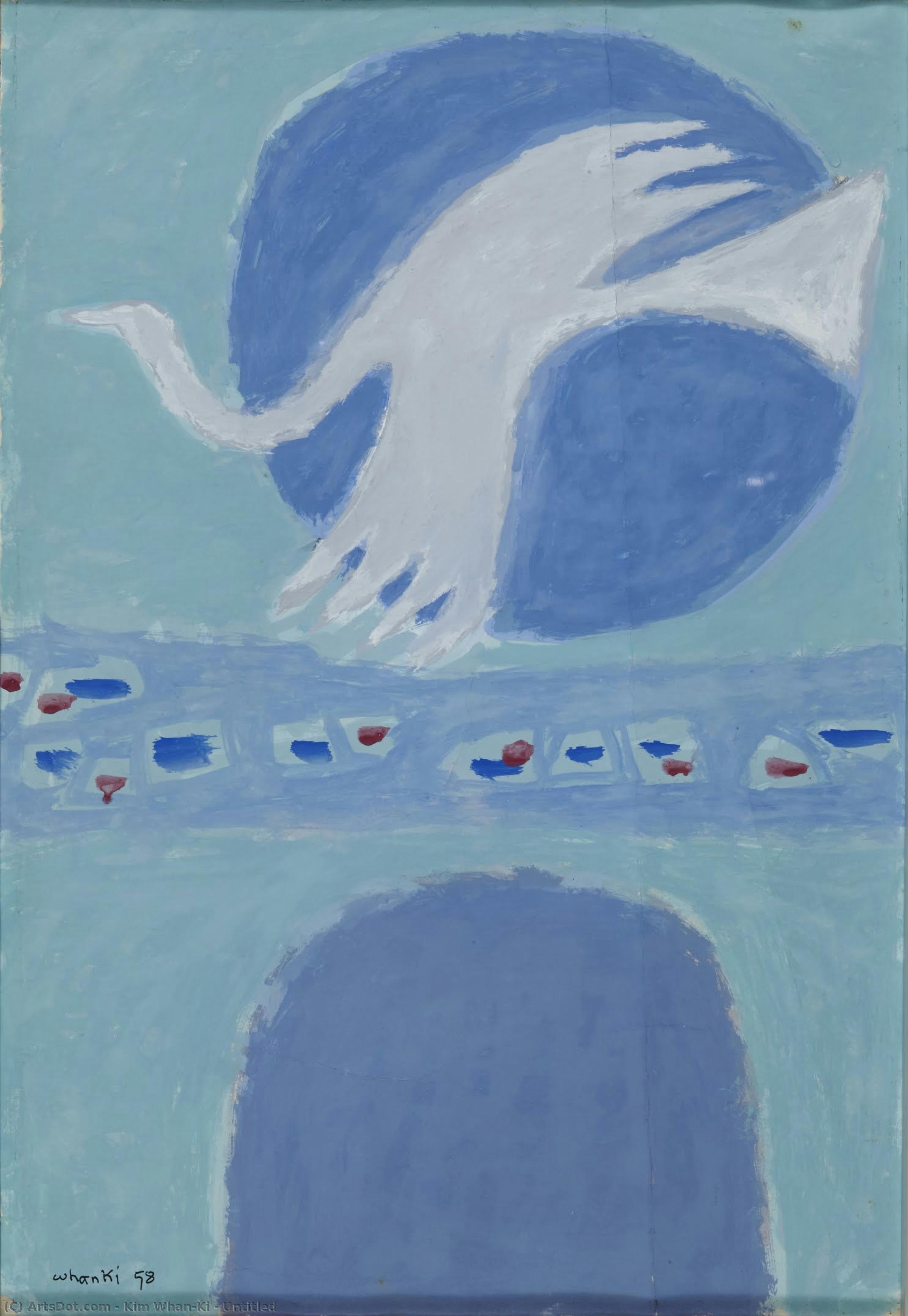
- Untitled
 Preview
 Objednať reprodukciu Kúpiť digitálnu verziu
 Odoslať
 Zdieľať
 Podrobnosti o dielo
 Pridať do obľúbených

 Stiahnuť
 Podobné diela
 RTG skúška
 Prezentácia
Untitled
 Abstract Art
 1958
1958- Modern
 42.0 x 28.0 cm
 Ewha Womans University Museum
 Zobraziť viac
Giclée / Umenotlač
Giclée tlač alebo plátno múzeálnej kvality s rýchlou výrobou a flexibilnými možnosťami povrchovej úpravy.




































Vyberte si z našich preddefinovaných rozmerov, ktoré zodpovedajú pôvodným pomeroḿ diela.

Môžete zadať vlastné rozmery, aby sa reprodukcia prispôsobila konkrétnemu rámu alebo priestoru. Ak zvolená veľkosť nebude zodpovedať proporciám originálu, dielo buď orežeme, alebo obraz rozšírime pomocou zrkadlenia či farebného doplnenia okrajov. Pred začatím výroby vám pošleme digitálnu ukážku na schválenie.
Máte na vedomí, že náhľad na obrazovke neodzrkadľuje skutočné orezanie alebo rozšírenie. Len digitálna ukážka presne zobrazí finálnu kompozíciu.
Hoci sú k dispozícii vlastné rozmery, pre zachovanie pôvodných proporcií odporúčame vybrať si rozmer z vopred definovaného zoznamu.
Celosvetová doprava () do 2 týždňov namiesto štandardných 4/5 týždňov. (26 júl)

Bezplatná expresná doprava po celom svete

Prémiové lnianske plátno

Kompletné poistenie prepravy

Záruka vrátenia colného poplatku

Záruka presného farebného zhodnutia

60-dňá politika vrátenia (iba pri defektoch)

100% záruka vrátenia peňazí

Výhodná množstevná zľava
 Možnosť skla je dostupná len pri rozmeroch pod 110 cm

Untitled
Giclée / Umenotlač
Veľkosť reprodukcie
-


Celková cena za vybrané možnosti
-
Popis predmetu
Biografia umelca
Henri Matisse: A Life Painted in Color and Light
Born Henri Émile Benoît Matisse on December 31, 1869, in Cateau-Béart, Northern France, Matisse’s journey to becoming one of the most influential figures in modern art was marked by a relentless pursuit of beauty, color, and form. His early life, shaped by a modest upbringing and a keen interest in drawing from a young age, laid the foundation for a career that would revolutionize painting and profoundly impact generations of artists. Matisse’s artistic development wasn't immediately defined; he initially studied law at the École Supérieure des Beaux-Arts de Nancy, but quickly abandoned his legal aspirations to pursue his passion for art.
His formative years were spent in Paris, where he immersed himself in the vibrant artistic scene of the late 19th century. He encountered and was influenced by Impressionism and Post-Impressionism, particularly the bold color palettes and expressive brushwork of artists like Paul Gauguin and Vincent van Gogh. This exposure proved pivotal, shaping his own distinctive style – a synthesis of observation and imagination that prioritized emotional impact over strict representation.
The Fauvist Period: A Burst of Color
Around 1905, Matisse emerged as a leading figure in the Fauvist movement, a short-lived but intensely influential artistic rebellion. The term “Fauves,” meaning “wild beasts” in French, was initially applied derisively to this group of artists by critics who were shocked by their use of jarring, non-naturalistic colors – vibrant reds, yellows, blues, and greens – applied with loose, arbitrary brushstrokes. Matisse’s paintings from this period, such as *Woman with a Hat* (1905) and *The Joy of Life* (1906), exemplify the Fauvist aesthetic: simplified forms, flattened perspectives, and an almost hallucinatory intensity of color designed to evoke emotion rather than depict reality.
However, Matisse quickly moved beyond the strict tenets of Fauvism. He began experimenting with new techniques and approaches, gradually refining his style while retaining the core principles of color and expressive brushwork. He sought a balance between formal structure and emotional intensity, moving towards a more controlled and harmonious use of color.
Mature Style: Harmony, Rhythm, and Decorative Abstraction
Following World War I, Matisse’s artistic vision underwent a significant transformation. He developed a distinctive mature style characterized by a remarkable sense of harmony, rhythm, and decorative abstraction. He moved away from the overtly expressive colors of his Fauvist period, employing a more restrained palette – primarily blues, reds, and yellows – to create compositions that were both visually engaging and deeply contemplative. Works like *Blue Nude* (1908) and *The Red Studio* (1911) demonstrate this shift towards a more balanced and sophisticated aesthetic.
During the 1920s, Matisse explored the possibilities of paper cutouts – intricate designs created by removing sections from colored paper. These works, often imbued with a sense of playful spontaneity, showcased his mastery of composition and color while also revealing a new dimension to his artistic practice. He continued to work in painting throughout this period, producing iconic images like *Dance* (1910) and *Music* (1910), which capture the essence of movement and emotion with remarkable grace.
Legacy and Influence
Henri Matisse died on November 3, 1954, leaving behind a vast and influential body of work. His innovative use of color, his exploration of form and composition, and his unwavering commitment to artistic expression have had a profound impact on the development of modern art. He influenced countless artists across various disciplines – painting, sculpture, printmaking, and design – and continues to inspire generations with his vibrant vision and enduring legacy.
Matisse’s work is celebrated in major museums worldwide, including the Musée d'Orsay in Paris, the MoMA in New York, and the Tate Modern in London. His paintings are not merely representations of reality but windows into a world of color, emotion, and beauty – a testament to the power of art to transform our perception and enrich our lives.

kim whan-ki
1913 - 1974 , South Korea
Základné informácie
- Artistic Movement Or Style: Fauvism, Modernism
- Artists Or Movements Influenced By This Artist:
- Pablo Picasso
- Fauvism
- Artists Who Influenced This Artist:
- Paul Gauguin
- Vincent van Gogh
- Date Of Birth: December 31, 1869
- Date Of Death: November 3, 1954
- Full Name: Henri Matisse
- Nationality: French
- Notable Artworks:
- Woman with a Hat
- The Joy of Life
- Blue Nude (Souvenir de Biskra)
- Dance
- Red Studio
- Place Of Birth: Paris, France
Súvisiace články

Top 10 slávnych obrazov v odtieňoch sivomodrej: Umění pre váš domov s OriginalUniqueArt
Objavte top 10 slávnych obrazov v odtieňoch sivomodrej! Preskúmajte príbehy Van Gogha, Moneta a ďalších majstrov. Reprodukcie obrazov pre váš domov s OriginalUniqueArt – umenie online.

Wassily Kandinsky: Top 25 diel pre milovníkov umenia a dokonalý dizajn interiéru
Ponorte sa do sveta Wassilyho Kandinského s OriginalUniqueArt.com! Objavte top 25 diel abstraktného umenia, expresionizmu a farebných kompozícií. Kúpiť reprodukcie obrazov pre dokonalý dizajn interiéru. Explore the full collection online.

Top 10 majstrovských diel abstraktného expresionizmu pre váš domov | OriginalUniqueArt.com
Ponorte sa do sveta abstraktného expresionizmu s Pollockom, Rothkom a ďalšími majstrami. Objavte príbehy za 10 ikonických diel, techniky a farby, ktoré definovali toto revolučné umenie. Kvalitné reprodukcie na OriginalUniqueArt.com.

Top 10 majstrov geometrickej abstrakcie: Umění pre váš domov s OriginalUniqueArt.com
Ponorte sa do sveta geometrickej abstrakcie! Objavte 10 majstrovských diel od Mondriana, Kandinského a ďalších. História umenia, techniky a farebné kompozície na OriginalUniqueArt.com – reprodukcie obrazov pre váš domov.
The Allure of Azure: Exploring the Symbolic & Aesthetic Depths of Blue in Art History
Explore the rich history of blue in art! Discover its symbolism, from ancient pigments to modern masterpieces by Kandinsky & Seurat. Uncover the psychological impact and cultural meanings behind this captivating hue.

