
 Náhľad v interiéri
 Odoslať ako digitálnu kartu
 Zdieľať
 Podrobnosti o dielo
 Príručka

 Stiahnuť obraz
 Podobné položky
 RTG skúška
 Prehliadanie diapozoje
 Otázky a odpovede
 Štatistiky
Chandelier Hanging

- 46.0 x 79.0 cm


 Zobraziť viac
Umelecké dielo zobrazené na tejto stránke je chránené autorským zákonom, čo znamená, že nemôžeme legálne vytvárať ani predávať jeho identickú reprodukciu. Táto ochrana je vymáhaná na základe medzinárodných dohôd, ako napríklad Bernská konvencia a národnými zákonmi, vrátane tých, ktoré sú stanovené v Autorské právo USA – Title 17. Všetky práva vyhradené.
Táto metóda plne dodržiava autorské práva, pretože nezahŕňa kopírovanie ani duplikovanie chráneného diela. Ide skôr o kreatívnu reinterpretáciu – nový obraz, ktorý je ovplybnený originálom, no nie je s ním identický.
Giclée / Umenotlač
Giclée tlač alebo plátno múzeálnej kvality s rýchlou výrobou a rôznymi možnosťami povrchovej úpravy. ( Kúpiť ručne maľovaný obraz Prepnúť na digitálny obraz)




P118B €10

P118H €10

P118W €10

P438Z €10

P508JH €12

P508YH €12

P805H €10

P805Z €10

P919BZ €10

P919G €10

P919XJ €10

P959ZH €10

P968JZ €12

W106C €8

W218G €10

W218JH €8

W218Y €10

W307PJ €10

W316G €10

W316PJ €8

W316Y €10

W398PJ €8

W4111J €10

W500HY €15

W500JH €15

W692G €12

W849H €8

W940BG €15

W953PJ €8




Vyberte si z našich preddefinovaných rozmerov, ktoré zodpovedajú pôvodným pomeroḿ diela.

Zadajte šírku a výšku, ktoré potrebujete, aby sa reprodukcia hodila k vášmu rámu alebo stene. Print možno len orezávať, nikdy však nemennú veľkosť zvětšiť oproti pôvodnému obrázku, preto pri inom formáte stráca časť obrazu. Pred samotným vytlačiacím procesom vám pošleme digitálny náhľad na schválenie. Obrázok zobrazený na tejto stránke nezobrazuje reálny rez — len digitálny náhľad ukazuje presný výsledok.
Celosvetová doprava () do 2 týždňov namiesto štandardných 4 až 5 týždňov. (8 november)

Bezplatná expresná doprava po celom svete

Vysokokvalitné lnianske plátno

Kompletné poistenie prepravy

Záruka vrátenia colného poplatku

Záruka presného farebného zhodnutia

100-dená politika vrátenia tovaru (iba pri vadách)

100% záruka vrátenia peňazí

Zľava pri väčšom množstve
 Možnosť skla je dostupná len pri rozmeroch pod 110 cm

Chandelier Hanging
Giclée / Umenotlač
Veľkosť reprodukcie
-


Celková cena
€ 72
Chandelier Hanging: A Surreal Pop Art Dialogue
The artwork presents an arresting juxtaposition – a commonplace chandelier reimagined as a playful commentary on domesticity and consumer culture through the unexpected inclusion of colorful stockings. Created by Kiki Kogelnik, born in Blagoveshchensk, Austria, in 1935, this piece embodies the spirit of Pop Art’s fascination with everyday objects elevated to symbolic significance. Its creation coincided with the anxieties surrounding the Space Race and the burgeoning influence of technological advancements on societal perceptions – themes that resonate powerfully within Kogelnik's broader artistic vision.- Composition & Perspective: The central focus is undeniably the chandelier, positioned against a stark white wall, offering a frontal view that emphasizes its geometric form and sculptural presence. Lines dominate the structure of the chandelier itself and subtly delineate the contours of the stockings, creating a sense of stability amidst the vibrant visual chaos.
- Material & Technique: Likely executed in oil paint or acrylic on canvas, Kogelnik’s technique prioritizes capturing color and shape with remarkable precision while maintaining an overall aesthetic that leans towards spontaneity and delight. The use of vinyl and acrylic hanger suggests a deliberate engagement with industrial materials—a characteristic trait of Pop Art artists who sought to challenge traditional artistic conventions.
- Color Palette & Symbolism: The artwork’s chromatic vibrancy is immediately striking, dominated by the bold hues of the stockings – blues, greens, reds, whites, yellows, blacks and more – which create a dramatic contrast against the neutral backdrop. This deliberate color choice isn't merely decorative; it speaks to Pop Art’s embrace of commercial imagery and its exploration of psychological associations.
- Stylistic Influences: Kogelnik drew inspiration from Serge Poliakoff of the École de Paris, acknowledging the influence of European Abstract Expressionism on her formative artistic journey. However, she swiftly established her own distinctive style, rejecting pure abstraction in favor of a more expressive approach that anticipates the stylistic developments of Pop Art.
- Emotional Impact: Ultimately, “Chandelier Hanging” succeeds in provoking contemplation about our relationship with objects and traditions. The absurdity inherent in repurposing a chandelier—a symbol of grandeur and formality—with stockings—representing comfort and domesticity—invites viewers to question societal norms and embrace unconventional perspectives.
Historical Context & Artistic Movement
The artwork’s genesis occurred during the Cold War era, a period marked by intense ideological rivalry between East and West and fueled by anxieties surrounding nuclear proliferation. Kogelnik's artistic explorations mirrored this broader societal preoccupation with technological progress and its impact on human experience—particularly as reflected in her fascination with cyborgs and representations of femininity. Her work stands apart from prevailing trends within European Abstraction, aligning instead with the burgeoning Pop Art movement’s rejection of elitist aesthetics and embrace of vernacular imagery.Detailed Analysis: Form & Texture
The artwork's shallow depth contributes to its immersive quality, drawing viewers into a carefully crafted visual space where form and texture intertwine. The smooth surface of the ceiling and wall contrasts subtly with the textured fabric of the stockings—a deliberate choice that enhances tactile perception and reinforces the artwork’s symbolic resonance. The artist skillfully employs geometric shapes—primarily derived from the stocking forms—to convey stability and precision, mirroring the influence of Constructivism on her artistic sensibilities.Concluding Remarks: Legacy & Interpretation
Kiki Kogelnik's “Chandelier Hanging” remains a testament to her unwavering commitment to challenging artistic boundaries and fostering dialogue about pressing social issues. Recognized as one of Austria’s most important Pop artists, she paved the way for future generations of female creatives who dared to explore feminist themes and question conventional societal expectations. Its enduring appeal lies in its ability to capture both the playful exuberance of Pop Art and the profound contemplation inherent in confronting familiar objects with fresh perspectives—a legacy that continues to inspire artistic innovation today.Otázky a odpovede
Kto je autorom diela "Chandelier Hanging" a do ktorého umeleckého smeru patrí?
Dielo „Chandelier Hanging“ vytvoril/a Kiki Kogelnik v štýle Pop Art. Umenec a smer definujú tradíciu tohto diela.
Akú mieru kontrastu vykazuje „Chandelier Hanging“ od Kiki Kogelnik?
„Chandelier Hanging“ od Kiki Kogelnik vykazuje Serene kontrast medzi svetlými a tmavými časťami diela.
Aká je luminancia diela „Chandelier Hanging“ od Kiki Kogelnik?
Dielo „Chandelier Hanging“ od Kiki Kogelnik má luminanciu na úrovni Luminous. Luminancia určuje, koľko svetla sa farbám podmieňuje odrážať.
Biografia umelca
Kiki Kogelnik: Life and Legacy
Early Life and Education
Kiki Kogelnik (1935–1997) was a pivotal Austrian painter, sculptor, and printmaker. Born in Blagoveshchensk, Austria, she received her artistic training at the Vienna Academy of Fine Arts. This foundational education provided her with the technical skills that would later be employed in her innovative and often provocative works.
Artistic Development and Influences
Kogelnik’s early career, beginning in 1961 at Galerie nächst St. Stephan in Vienna, was marked by abstract compositions. Initially, she drew inspiration from artists like Serge Poliakoff of the École de Paris. However, Kogelnik quickly developed her own distinct style, moving away from pure abstraction and embracing the emerging Pop Art aesthetic. While often categorized within Pop Art, she frequently expressed reservations about being solely defined by this movement.
Key Themes and Artistic Style
Throughout her career, Kogelnik explored a range of themes including technology, consumerism, and – particularly in the 1970s – the representation of women in media. Her work is characterized by vibrant colors, bold shapes, and a playful yet critical approach to societal norms. She frequently utilized materials like vinyl and plastic, reflecting her interest in modern industrial processes.
- Her “Women Works” directly addressed stereotypical portrayals of femininity.
- She often incorporated elements of science fiction and space exploration into her art.
- Kogelnik’s sculptures and hangings are known for their dynamic forms and tactile qualities.
Major Achievements and Recognition
Kogelnik achieved significant recognition during her lifetime, exhibiting widely in Europe and the United States. A large retrospective of her work was held at the Belvedere Museum in Vienna in 1997, shortly after her death. In 1998, she was posthumously awarded Austria’s highest decoration for services to the country – the Decoration of Honour for Services to the Republic of Austria – a testament to her lasting impact on Austrian art and culture.
Historical Significance
Kiki Kogelnik is considered one of Austria's most important Pop-related artists. Her work challenged conventional artistic boundaries and offered a unique perspective on the social and political landscape of the 20th century. She paved the way for future generations of female artists, particularly those interested in exploring feminist themes and challenging societal expectations. Her innovative use of materials and her willingness to experiment with different forms continue to inspire artists today.
Death and Legacy
Kiki Kogelnik passed away on February 1, 1997, in Vienna due to cancer. She is buried in Bleiburg, Austria. Her legacy continues through her artwork, which remains highly sought after by collectors and museums worldwide.
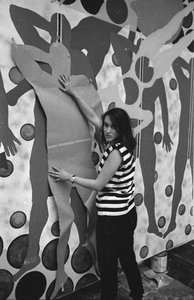
Kiki Kogelnik
1935 - 1997 , Austria
Základné informácie
- Name: Kiki Kogelnik
- Movement: Pop Art
- Birth Date: 1935
- Death Date: 1997
- Birth Place: Blagoveshchensk, Austria
- Nationality: Austrian
- Date Of Birth: 1935
- Date Of Death: 1997
- Influenced By: Serge Poliakoff
- Notable Works:
- Fly Me to the Moon
- Untitled (Skull)
- Place Of Birth: Blagoveshchensk, Austria
Súvisiace články

Top 10 Bronzových Majstrovských Diel, ktoré Zmenili Umění Navždy | OriginalUniqueArt
Objavte top 10 legendárnych bronzových majstrovských diel, ktoré zmenili umenie navždy! Rodin, Michelangelo a ďalší. Prežite príbehy slávnych sôch a nájdite inšpiráciu pre váš interiér na OriginalUniqueArt.com.

Pop Surrealism Unveiled: The Sophisticated Intersection of Vibrant Pop Art and Dreamlike Subconscious Landscapes
Explore the captivating world of Pop Surrealism. Discover how vibrant Pop Art meets dreamlike subconscious imagery through the works of masters like Jeff Soto and Ryan Heshka. An expert guide for discerning collectors seeking to understand this profound contemporary art movement.

The Enduring Form: Exploring Themes & Techniques in Sculpture Across Historical Periods
Explore the rich history of sculpture from ancient masterpieces to contemporary innovations. Discover key techniques, influential artists & investment potential for discerning art collectors.

Top 10 Bronzových Sôch, ktoré Zmenili Umenie Navždy | OriginalUniqueArt
Objavte top 10 legendárnych bronzových sôch, ktoré zmenili umenie! Michelangelo, Rodin a ďalší majstri. História, techniky a nadčasová krása pre váš interiér. Reprodukcie múzejnej kvality na OriginalUniqueArt.com

The Enduring Form: Sculpture Across History, Technique & Emotional Resonance
Explore the rich history of sculpture with OriginalUniqueArt. Discover key techniques, influential artists & investment potential for discerning collectors. Expert insights into valuing and collecting timeless masterpieces.