
 Náhľad v interiéri
 Odoslať ako digitálnu kartu
 Zdieľať
 Podrobnosti o dielo
 Príručka

 Stiahnuť obraz
 Podobné položky
 RTG skúška
 Prehliadanie diapozoje
 Otázky a odpovede
 Štatistiky
Peacock


 Zobraziť viac
Umelecké dielo zobrazené na tejto stránke je chránené autorským zákonom, čo znamená, že nemôžeme legálne vytvárať ani predávať jeho identickú reprodukciu. Táto ochrana je vymáhaná na základe medzinárodných dohôd, ako napríklad Bernská konvencia a národnými zákonmi, vrátane tých, ktoré sú stanovené v Autorské právo USA – Title 17. Všetky práva vyhradené.
Táto metóda plne dodržiava autorské práva, pretože nezahŕňa kopírovanie ani duplikovanie chráneného diela. Ide skôr o kreatívnu reinterpretáciu – nový obraz, ktorý je ovplybnený originálom, no nie je s ním identický.
Giclée / Umenotlač
Giclée tlač alebo plátno múzeálnej kvality s rýchlou výrobou a rôznymi možnosťami povrchovej úpravy. ( Kúpiť ručne maľovaný obraz Prepnúť na digitálny obraz)




P118B €10

P118H €10

P118W €10

P438Z €10

P508JH €12

P508YH €12

P805H €10

P805Z €10

P919BZ €10

P919G €10

P919XJ €10

P959ZH €10

P968JZ €12

W106C €8

W218G €10

W218JH €8

W218Y €10

W307PJ €10

W316G €10

W316PJ €8

W316Y €10

W398PJ €8

W4111J €10

W500HY €15

W500JH €15

W692G €12

W849H €8

W940BG €15

W953PJ €8




Vyberte si z našich preddefinovaných rozmerov, ktoré zodpovedajú pôvodným pomeroḿ diela.

Zadajte šírku a výšku, ktoré potrebujete, aby sa reprodukcia hodila k vášmu rámu alebo stene. Print možno len orezávať, nikdy však nemennú veľkosť zvětšiť oproti pôvodnému obrázku, preto pri inom formáte stráca časť obrazu. Pred samotným vytlačiacím procesom vám pošleme digitálny náhľad na schválenie. Obrázok zobrazený na tejto stránke nezobrazuje reálny rez — len digitálny náhľad ukazuje presný výsledok.
Celosvetová doprava () do 2 týždňov namiesto štandardných 4 až 5 týždňov. (4 november)

Bezplatná expresná doprava po celom svete

Vysokokvalitné lnianske plátno

Kompletné poistenie prepravy

Záruka vrátenia colného poplatku

Záruka presného farebného zhodnutia

100-dená politika vrátenia tovaru (iba pri vadách)

100% záruka vrátenia peňazí

Zľava pri väčšom množstve
 Možnosť skla je dostupná len pri rozmeroch pod 110 cm

Peacock
Giclée / Umenotlač
Veľkosť reprodukcie
-


Celková cena
€ 72
Biografia umelca
A Life Immersed in Color and Culture: The Journey of Kattingeri Krishna Hebbar
Kattingeri Krishna Hebbar, a name synonymous with the vibrant tapestry of modern Indian art, wasn't merely a painter; he was a visual storyteller who breathed life into the everyday experiences of India. Born in 1911 in Karnataka, his artistic journey began not within the hallowed halls of formal institutions but amidst the rich cultural landscape of his family and surroundings. His father, a traditional artisan, instilled in him an early appreciation for craftsmanship and local aesthetics. This upbringing proved pivotal, shaping Hebbar’s unique style that seamlessly blended folk art traditions with contemporary sensibilities. Though he initially pursued studies at the Chennai School of Art, it was his later exposure to European masters – particularly during his time at the Slade School of Fine Art in London – that broadened his artistic horizons. However, unlike many of his contemporaries who fully embraced Western techniques, Hebbar consciously chose a path of synthesis, integrating global influences with the deeply rooted narratives of Indian life. He returned to India imbued with new skills but determined to forge an identity distinctly his own.The Evolution of a Distinct Style: From Realism to Narrative Abstraction
Hebbar’s early works demonstrate a clear grounding in realism, reflecting the academic training he received. However, this phase was relatively short-lived. He quickly moved away from purely representational art, driven by a desire to capture not just *what* India looked like but *how it felt*. This led him towards a unique form of narrative abstraction. His paintings are characterized by bold lines, simplified forms, and a striking use of color – often employing earthy tones alongside vibrant hues. He wasn’t interested in photographic accuracy; instead, he sought to distill the essence of his subjects, conveying their energy and spirit through dynamic compositions. Scenes of village life, festivals, and social gatherings became recurring motifs, rendered with a captivating sense of movement and rhythm. His figures, though stylized, are imbued with a palpable humanity, reflecting his deep empathy for the common people. This period also saw him experiment with mural painting, further solidifying his connection to traditional Indian art forms. He believed that art should be accessible to all, not confined within the walls of galleries, and murals provided a powerful medium for reaching a wider audience.Themes of Society and Celebration: The Heart of Hebbar’s Work
The core of Hebbar's artistic vision lay in his portrayal of Indian society – its joys, struggles, rituals, and celebrations. He depicted the lives of farmers, laborers, women, and children with dignity and respect, challenging conventional representations that often marginalized these communities. His paintings are filled with scenes of bustling marketplaces, vibrant festivals like *Dasara* and *Holi*, and intimate moments of family life. However, his work wasn’t merely celebratory; he also subtly addressed social issues such as poverty, inequality, and the changing dynamics of rural India. He did so not through overt political statements but by highlighting the resilience and spirit of the people in the face of adversity. His ability to capture the essence of human experience without resorting to sentimentality is a testament to his artistic maturity. Hebbar’s fascination with folklore and mythology also played a significant role in his work. He drew inspiration from traditional stories, epics like the *Ramayana* and *Mahabharata*, and local legends, imbuing them with contemporary relevance.Recognition and Legacy: A Padma Shri and Enduring Influence
Throughout his career, Hebbar received numerous accolades for his contributions to Indian art. He was awarded the prestigious Padma Shri in 1969, recognizing his exceptional talent and dedication to promoting Indian culture. His work has been exhibited extensively both nationally and internationally, earning him widespread critical acclaim. Beyond his own artistic achievements, Hebbar played a crucial role as an educator. He served as Principal of the Karnataka Chitrakala Parishat for many years, nurturing generations of young artists and encouraging them to embrace their cultural heritage while exploring new creative avenues. He believed in fostering a holistic approach to art education, emphasizing both technical skill and conceptual understanding. Today, Hebbar’s legacy continues to inspire artists across India. His unique style – a harmonious blend of tradition and modernity – has left an indelible mark on the landscape of Indian painting. He demonstrated that it was possible to be both rooted in one's culture and engaged with the global art world, paving the way for future generations of artists to explore their own identities and express themselves authentically.Hebbar’s Enduring Significance: A Bridge Between Worlds
Kattingeri Krishna Hebbar stands as a pivotal figure in the evolution of Indian modernism. He wasn't simply adopting Western styles or replicating traditional forms; he was actively synthesizing them, creating something entirely new and uniquely his own. His work serves as a powerful reminder of the richness and diversity of Indian culture, celebrating the lives of ordinary people and challenging conventional narratives.- His emphasis on narrative abstraction broadened the possibilities of Indian painting.
- His commitment to art education nurtured generations of artists.
- His ability to seamlessly blend folk traditions with contemporary sensibilities continues to inspire.
- He remains a vital link between India’s artistic past and its vibrant present.

Základné informácie
- Full Name: Kattingeri Krishna Hebbar
- Nationality: Indian
- Date Of Birth: (Living)
- Place Of Birth: India
- Notable Artworks:
- Untitled (Hungry Soul)
- Peacock
- Untitled (Landscape)
- Artistic Movement Or Style: Traditional Indian art; Mural painting India; Rajput miniatures influence
Súvisiace články

Top 10 majstrov geometrickej abstrakcie: Umění pre váš domov s OriginalUniqueArt.com
Ponorte sa do sveta geometrickej abstrakcie! Objavte 10 majstrovských diel od Mondriana, Kandinského a ďalších. História umenia, techniky a farebné kompozície na OriginalUniqueArt.com – reprodukcie obrazov pre váš domov.

Beyond the Lines: Mastering the High-Impact World of Contemporary Abstraction
Master the high-impact world of contemporary abstraction. Discover how bold colors, textures, and modern movements like Abstract Expressionism can transform your space with premium, high-energy art curated for the design-conscious professional.

Top 10 majstrovských diel abstraktného expresionizmu pre váš domov | OriginalUniqueArt.com
Ponorte sa do sveta abstraktného expresionizmu s Pollockom, Rothkom a ďalšími majstrami. Objavte príbehy za 10 ikonických diel, techniky a farby, ktoré definovali toto revolučné umenie. Kvalitné reprodukcie na OriginalUniqueArt.com.

Wassily Kandinsky: Top 25 diel pre milovníkov umenia a dokonalý dizajn interiéru
Ponorte sa do sveta Wassilyho Kandinského s OriginalUniqueArt.com! Objavte top 25 diel abstraktného umenia, expresionizmu a farebných kompozícií. Kúpiť reprodukcie obrazov pre dokonalý dizajn interiéru. Explore the full collection online.
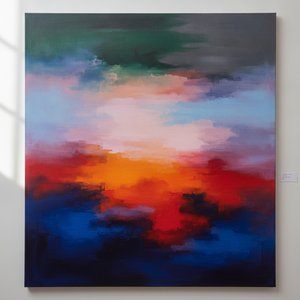
Color Field Painting: The Emotional Power of Pure Abstraction and Chromatic Depth
Explore the profound emotional depth of Color Field painting. Discover the history of mid-century abstraction, from Rothko to Newman, and learn how pure color transforms the viewer's experience through our expert art history guide.