
 Náhľad
 Odoslať
 Zdieľať
 Podrobnosti o dielo

 Stiahnuť
 Podobné diela
 RTG skúška
 Prezentácia
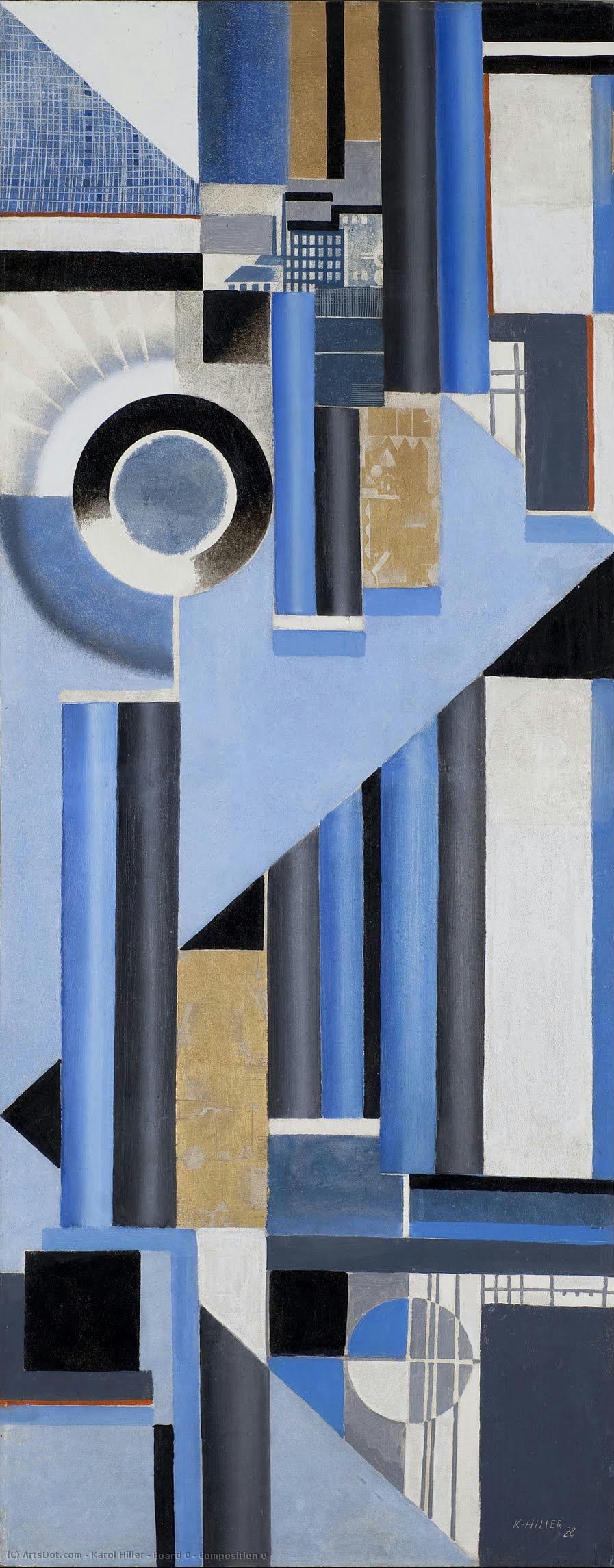
Board 0 / Composition 0
 1928
1928 120.0 x 47.0 cm
 Zobraziť viac
Kúpte si digitálnu snímku vo vysokom rozlíšení s vylepšenými detailmi, ktorá je oveľa kvalitnejšia než online náhľad.
Každý súbor starostlivo pripravujú naši interní špecialisti pomocou pokročilých nástrojov a odborného manuálneho retušovania. Zabezpečujeme, aby každý obrázok disponoval výnimočnou čistotou, presnou farebnou vernosťou a jemnými detailmi.
Konečný súbor vám bude doručený e-mailom do 72 hodín, optimalizovaný pre okamžité použitie v profesionálnom, redakčnom aj tlačovom prostredí. Ide o rovnakú kvalitu, ktorej dôverajú špičkové dizajnérske štúdiá, vydavateľstvá a galérie.
Digitálny obraz
Stiahnite si vysokorozlíšený súbor na osobné zobrazovanie, tlačenie a kreatívne projekty. ( Prejsť na tlač Prejsť na ručne maľovanú reprodukciu)
Súčasťou každej objednávky digitálneho obrazu
Expetórne digitálne doručenie, garantované
Keď si vyberiete OriginalUniqueArt.com, nedostávate len obrázok – získate profesionálne upravené digitálne umenie, vytvorené s precíznosťou a so zárukou vašej maximálnej spokojnosti. Tu je všetko, čo je súčasťou vašej objednávky automaticky:

Rýchle doručenie e-mailom
Vaša vysokorozlíšená digitálna súprava obrázkov vám bude zaslaná e-mailom do 72 hodín od objednávky – pripravená na okamžité použitie.

Digitálny súbor s vylepšením AI
Vaše dielo je profesionálne optimalizované pomocou pokročilých nástrojov umelej inteligencie a manuálnej editácie, čo zaručuje maximálnu úroveň detailov, čistotu a presnosť farieb.

Bezplatné celoživotné opätovné doručenie
Náhodou ste zmazali alebo ste stratili svoj súbor? Nebavžte sa – pošleme vám ho kedykoľvek znova, úplne bez poplatkov.

Bez poplatkov za dovoz – navždy
Užite si svoje umelodelo okamžite bez colných poplatkov, daní alebo nákladov na dopravu – digitálne stiahnutia sú vždy oslobodené od dane.

Garantovaná presnosť farieb
Pomocou profesionálnych nástrojov a farebného manažmentu zabezpečujeme, aby vaša digitálna fotografia čo najpresnejšie odrážala pôvodné farby.

60-dňová záruka spokojnosti
Ak nebudete spokojní so svojou digitálnou fotografiou, upravíme ju alebo vám vrátime 100% v priebehu 60 dní – bez zbytočných otázok.

100% Záruka vrátenia peňazí
Nie ste spokojní? Získajte plnú náhradu peňazí do 60 dní od prijatia vášho digitálneho súboru – bez zbytočných otázok.

Zľavy pri veľkom odbere
Kúpte si 3 obrazy, ušetrite 10% - Kúpte si 5, ušetrite 15% - Kúpte si 10+, ušetrite 20%. Ideálne pre kreatívne projekty, galérie a agentúry.
Životopis umelca
A Pioneer of Polish Abstraction: The Life and Art of Karol Hiller
Karol Hiller, born in Łódź, Poland, on December 6th, 1891, stands as a pivotal figure in the development of abstract art within the interwar Polish landscape. His life, tragically cut short by the Gestapo in December 1939 near Lućmierz Forest, embodies both artistic innovation and the brutal realities of a nation consumed by conflict. Hiller’s journey was one of constant exploration, moving from early studies in chemistry and civil engineering to a passionate embrace of art, ultimately leading him to pioneer techniques and forms that would define Polish Constructivism and later evolve into uniquely organic abstract compositions. His story is not merely biographical; it's a testament to the power of artistic vision amidst political turmoil and a relentless pursuit of new modes of expression.From Scientific Roots to Artistic Awakening
Hiller’s initial academic pursuits seem far removed from the world of painting, yet they profoundly shaped his later work. He began with studies in chemistry at the Higher Technical School in Darmstadt, followed by civil engineering at the Polytechnic Institute in Warsaw. The outbreak of World War I interrupted these studies, leading to conscription into the army in 1916. Following the war, a period spent in Kiev proved transformative. There, he enrolled at the Academy of Fine Arts under the tutelage of Mikhail Boychuk, a renowned Byzantinesque painter. This exposure to traditional techniques—particularly icon painting—provided Hiller with a foundational understanding of materials and composition that would resurface later in his experimentation. It was during this time that Hiller began to develop a keen interest in the underlying principles of form and color, setting the stage for his future artistic endeavors. He remained politically engaged throughout his stay in Kiev, an early indication of his commitment to social awareness which would inform much of his work.The Rise of Constructivism and the Association of Visual Artists
Returning to Łódź in 1921 marked a turning point in Hiller’s career. He quickly became involved in the city's burgeoning art scene, co-founding the Association of Visual Artists (Zrzeszenie Artystów Plastyków) in 1931. This association served as a crucial platform for promoting avant-garde ideas and fostering collaboration among Polish artists. During the 1920s, Hiller wholeheartedly embraced Constructivism, aligning himself with a movement that sought to reflect the dynamism of modern life through geometric abstraction. His early works from this period are characterized by precise lines, bold contrasts, and a rejection of representational imagery. He participated in numerous exhibitions throughout Poland, showcasing his commitment to the principles of functionalism and industrial aesthetics. From 1930 to 1938, he actively exhibited at shows organized by the Institute of Art Propaganda in Łódź and Warsaw, further solidifying his position within the Polish art community.Heliographic Compositions: A Unique Artistic Innovation
Perhaps Hiller’s most significant contribution lies in the development of the heliographic technique—a process that involved using sunlight to create abstract compositions on photosensitive paper. This innovative method allowed him to explore chance and control simultaneously, resulting in works characterized by intricate patterns and subtle gradations of tone. The “Heliographic Compositions,” created throughout the 1930s, represent a departure from the rigid geometry of his earlier Constructivist pieces. These compositions often evoke biological forms—cells, organisms, and natural structures—reflecting a growing fascination with the organic world. This shift signaled a move towards a more abstract and intuitive approach to artmaking. He was not simply creating images; he was exploring the very nature of perception and the interplay between light, form, and space.Legacy and Historical Significance
In the late 1930s, Hiller’s work underwent another transformation, becoming increasingly abstract and focused on biological forms. This evolution reflected a broader trend within Polish art towards greater experimentation and a rejection of strict ideological constraints. Tragically, his artistic journey was abruptly halted in December 1939 when he was executed by the Gestapo. Despite his untimely death, Karol Hiller left an indelible mark on Polish art history. He is remembered as a pioneer of abstraction, a champion of Constructivism, and an innovator who fearlessly explored new techniques and forms. His work continues to inspire artists today, serving as a powerful reminder of the enduring power of artistic vision in the face of adversity. Karol Hiller’s legacy is not just about the paintings he created; it's about his unwavering commitment to pushing boundaries and challenging conventional notions of art—a spirit that continues to resonate within the Polish art world and beyond. His exploration of light, form, and biological structures remains a testament to his unique artistic sensibility.
Karol Hiller
1891 - 1939 , Poland
Základné informácie
- Artistic Movement Or Style: Constructivism
- Artists Or Movements Influenced By This Artist: ['Cubism']
- Artists Who Influenced This Artist: ['Mikhail Boychuk']
- Date Of Birth: December 6, 1891
- Date Of Death: December 1939
- Full Name: Karol Hiller
- Nationality: Polish
- Notable Artworks:
- Heliographic composition (XXIX)
- Factory outlet
- O Composition
- Place Of Birth: Łódź, Poland

