
 Náhľad
 Odoslať
 Zdieľať
 Podrobnosti o dielo

 Stiahnuť
 Podobné diela
 RTG skúška
 Prezentácia
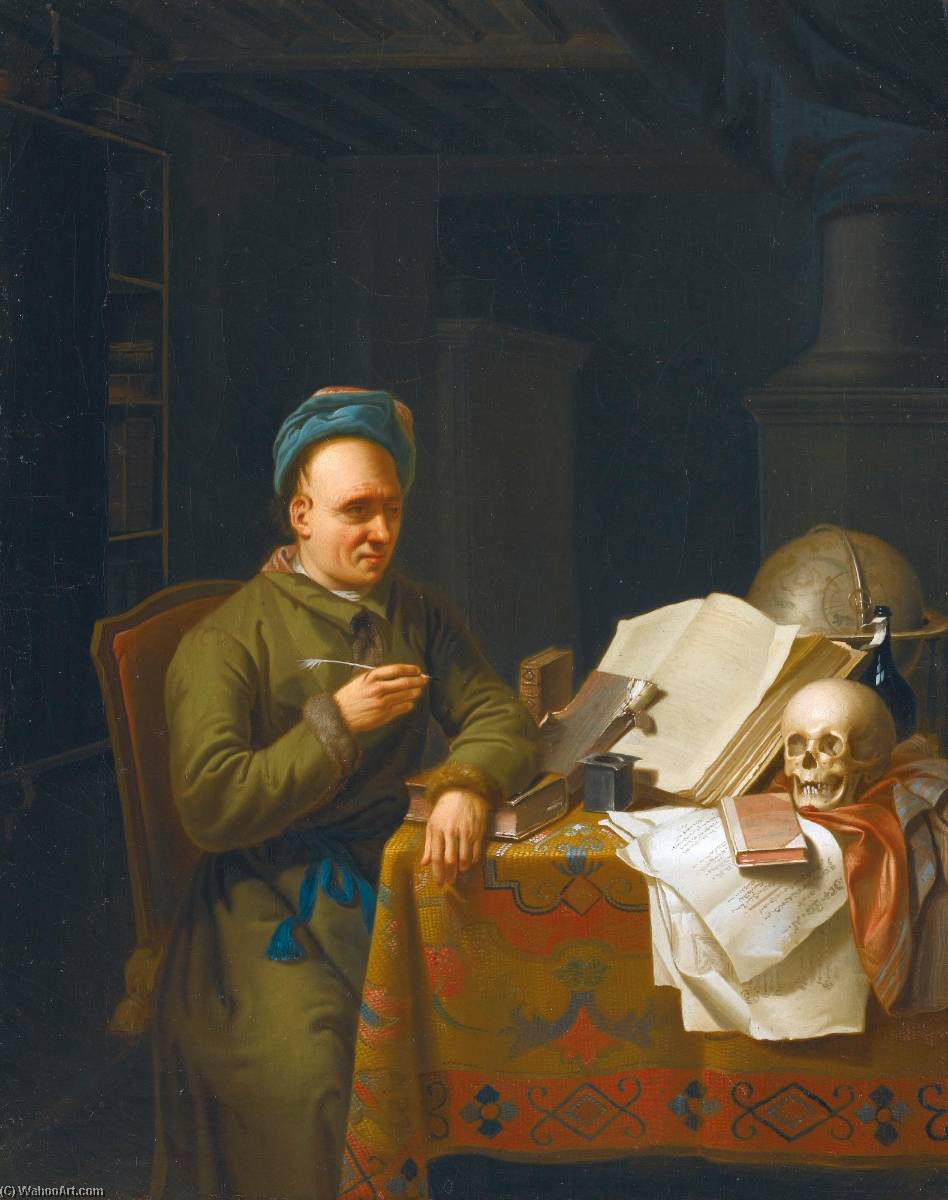
A scholar in his study
 51.0 x 41.0 cm
 Zobraziť viac
Kúpte si digitálnu snímku vo vysokom rozlíšení s vylepšenými detailmi, ktorá je oveľa kvalitnejšia než online náhľad.
Každý súbor starostlivo pripravujú naši interní špecialisti pomocou pokročilých nástrojov a odborného manuálneho retušovania. Zabezpečujeme, aby každý obrázok disponoval výnimočnou čistotou, presnou farebnou vernosťou a jemnými detailmi.
Konečný súbor vám bude doručený e-mailom do 72 hodín, optimalizovaný pre okamžité použitie v profesionálnom, redakčnom aj tlačovom prostredí. Ide o rovnakú kvalitu, ktorej dôverajú špičkové dizajnérske štúdiá, vydavateľstvá a galérie.
Digitálny obraz
Stiahnite si vysokorozlíšený súbor na osobné zobrazovanie, tlačenie a kreatívne projekty. ( Kúpiť tlač Kúpiť ručne maľovaný obraz)
Súčasťou každej objednávky digitálneho obrazu
Expetórne digitálne doručenie, garantované
Keď si vyberiete OriginalUniqueArt.com, nedostávate len obrázok – získate profesionálne upravené digitálne umenie, vytvorené s precíznosťou a so zárukou vašej maximálnej spokojnosti. Tu je všetko, čo je súčasťou vašej objednávky automaticky:

Rýchle doručenie e-mailom
Vaša vysokorozlíšená digitálna súprava obrázkov vám bude zaslaná e-mailom do 72 hodín od objednávky – pripravená na okamžité použitie.

Digitálny súbor s vylepšením AI
Vaše dielo je profesionálne optimalizované pomocou pokročilých nástrojov umelej inteligencie a manuálnej editácie, čo zaručuje maximálnu úroveň detailov, čistotu a presnosť farieb.

Bezplatné celoživotné opätovné doručenie
Náhodou ste zmazali alebo ste stratili svoj súbor? Nebavžte sa – pošleme vám ho kedykoľvek znova, úplne bez poplatkov.

Bez poplatkov za dovoz – navždy
Užite si svoje umelodelo okamžite bez colných poplatkov, daní alebo nákladov na dopravu – digitálne stiahnutia sú vždy oslobodené od dane.

Garantovaná presnosť farieb
Pomocou profesionálnych nástrojov a farebného manažmentu zabezpečujeme, aby vaša digitálna fotografia čo najpresnejšie odrážala pôvodné farby.

60-dňová záruka spokojnosti
Ak nebudete spokojní so svojou digitálnou fotografiou, upravíme ju alebo vám vrátime 100% v priebehu 60 dní – bez zbytočných otázok.

100% Záruka vrátenia peňazí
Nie ste spokojní? Získajte plnú náhradu peňazí do 60 dní od prijatia vášho digitálneho súboru – bez zbytočných otázok.

Zľavy pri veľkom odbere
Kúpte si 3 obrazy, ušetrite 10% - Kúpte si 5, ušetrite 15% - Kúpte si 10+, ušetrite 20%. Ideálne pre kreatívne projekty, galérie a agentúry.
Životopis umelca
The Delicate Precision of Justus Juncker
In the grand tapestry of eighteenth-century German art, few threads are as finely woven or as luminous as those left by Justus Juncker. Born in the historic city of Mainz on July 24, 1703, Juncker would eventually emerge as a master of the still life, a painter whose brush possessed the rare ability to capture the fleeting essence of nature with scientific rigor and poetic grace. His journey from a young student of façade painting in Frankfurt to a celebrated figure in European art history is a testament to a lifelong devotion to the observation of light, texture, and form. While his early training under Johann Hugo Schlegel instilled in him a disciplined technical foundation, it was his profound encounter with the Dutch Baroque masters that truly ignited his creative spirit.
The aesthetic soul of Juncker’s work was deeply shaped by the prestigious collection of Baron von Häckel. Through this exposure to the works of artists like Thomas Wijck, Juncker absorbed the dramatic chiaroscuro and the breathtaking naturalism characteristic of the Dutch tradition. This influence is palpable in his mature oeuvre, where the interplay between shadow and light creates a sense of three-dimensional reality that invites the viewer to reach out and touch the dew-drenched petals or the smooth skin of a ripening fruit. His transition from the architectural precision of decorative painting to the intimate, easel-based world of flower and genre painting allowed him to develop a signature style defined by an unwavering commitment to meticulous detail.
A Legacy Intertwined with Greatness
Beyond the technical mastery of his brushwork, Juncker’s historical significance is inextricably linked to one of the most luminous figures in German literature: Johann Wolfgang von Goethe. The connection between the painter and the poet was not merely professional but deeply personal, rooted in the intellectual and social fabric of Frankfurt and Weimar. Juncker was commissioned by Johann Caspar Goethe—the father of the legendary writer—to decorate the family residence, a task that required both artistic finesse and an understanding of the family's refined sensibilities. This prestigious undertaking solidified Juncker’s reputation among the cultural elite.
The younger Goethe, in his celebrated autobiography Dichtung und Wahrheit, fondly recalled the exquisite beauty of the works produced by Juncker, specifically noting a painting of an ornate flowerpot that captured the "artificial and delicate manner" so characteristic of the artist's skill. This intersection of visual art and literary greatness places Juncker at the heart of the German Enlightenment, where the pursuit of natural truth through art mirrored the philosophical inquiries of the era’s greatest minds.
The Mastery of the Still Life
As his career progressed into the 1740s, Juncker increasingly specialized in the still life, a genre that allowed him to explore the profound symbolism hidden within the mundane. His compositions often serve as meditations on the ephemeral nature of life, where a perfectly rendered pear or a blooming rose stands as a beautiful yet temporary triumph over decay. His ability to render various textures—the velvet of a petal, the translucency of an insect's wing, or the cold hardness of porcelain—remains his most enduring technical achievement.
The breadth of his artistic contribution can be summarized through several key pillars of his career:
- Technical Versatility: His evolution from a skilled façade painter to a master of delicate easel painting, bringing architectural precision to organic subjects.
- Dutch Influence: The successful integration of Dutch Baroque naturalism and dramatic lighting into the German artistic landscape.
- Cultural Connection: His role as a preferred artist for the Goethe family, bridging the gap between fine art and the literary movements of the time.
- Pedagogical Legacy: His efforts to establish a drawing and painting school in Frankfurt, aiming to foster a new generation of German talent.
Though he passed away on June 14, 1767, the works of Justus Juncker continue to resonate with a quiet, powerful intensity. He remains a pivotal figure whose meticulous observations provided a window into the beauty of the natural world, leaving behind a legacy that continues to enchant scholars and art lovers alike.

Základné informácie
- Artistic Movement Or Style: Dutch and Flemish Style Interiors
- Artists Or Movements Influenced By This Artist: ['Jan Davidsz. de Heem']
- Artists Who Influenced This Artist: ['Johann Hugo Schlegel']
- Date Of Birth: July 24, 1703
- Date Of Death: June 14, 1767
- Full Name: Justus Juncker
- Nationality: German
- Notable Artworks: ['Pear With Insects']
- Place Of Birth: Mainz, Holy Roman Empire

