
 Náhľad
 Odoslať
 Zdieľať
 Podrobnosti o dielo

 Stiahnuť
 Podobné diela
 RTG skúška
 Prezentácia
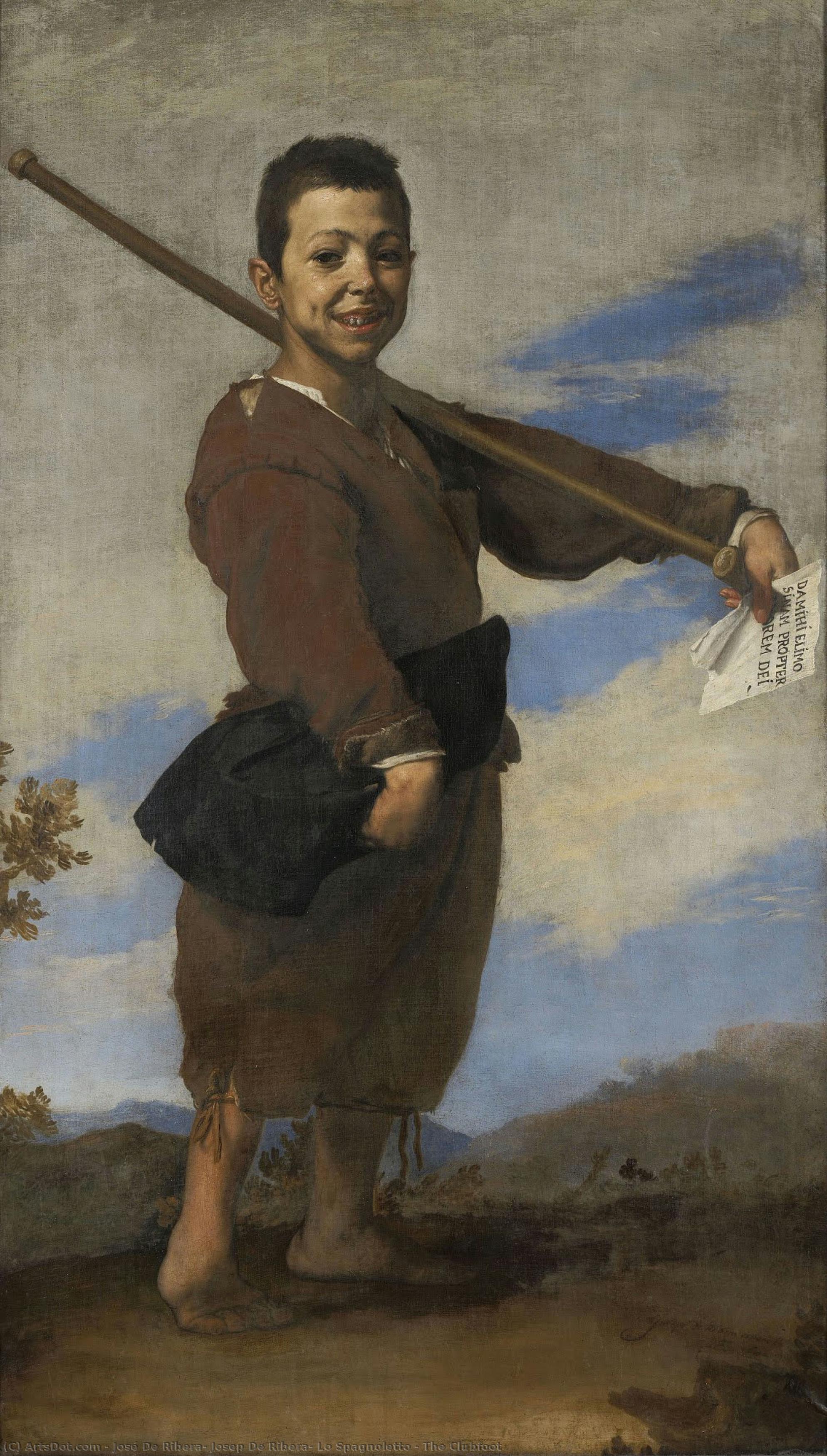
The Clubfoot
 Oil
Oil- WallArt
- Baroque
 Early Modern
 164.0 x 93.0 cm
 Grand Palais
 Zobraziť viac
Kúpte si digitálnu snímku vo vysokom rozlíšení s vylepšenými detailmi, ktorá je oveľa kvalitnejšia než online náhľad.
Každý súbor starostlivo pripravujú naši interní špecialisti pomocou pokročilých nástrojov a odborného manuálneho retušovania. Zabezpečujeme, aby každý obrázok disponoval výnimočnou čistotou, presnou farebnou vernosťou a jemnými detailmi.
Konečný súbor vám bude doručený e-mailom do 72 hodín, optimalizovaný pre okamžité použitie v profesionálnom, redakčnom aj tlačovom prostredí. Ide o rovnakú kvalitu, ktorej dôverajú špičkové dizajnérske štúdiá, vydavateľstvá a galérie.
Digitálny obraz
Stiahnite si vysokorozlíšený súbor na osobné zobrazovanie, tlačenie a kreatívne projekty. ( Kúpiť tlač Kúpiť ručne maľovaný obraz)
Súčasťou každej objednávky digitálneho obrazu
Expetórne digitálne doručenie, garantované
Keď si vyberiete OriginalUniqueArt.com, nedostávate len obrázok – získate profesionálne upravené digitálne umenie, vytvorené s precíznosťou a so zárukou vašej maximálnej spokojnosti. Tu je všetko, čo je súčasťou vašej objednávky automaticky:

Rýchle doručenie e-mailom
Vaša vysokorozlíšená digitálna súprava obrázkov vám bude zaslaná e-mailom do 72 hodín od objednávky – pripravená na okamžité použitie.

Digitálny súbor s vylepšením AI
Vaše dielo je profesionálne optimalizované pomocou pokročilých nástrojov umelej inteligencie a manuálnej editácie, čo zaručuje maximálnu úroveň detailov, čistotu a presnosť farieb.

Bezplatné celoživotné opätovné doručenie
Náhodou ste zmazali alebo ste stratili svoj súbor? Nebavžte sa – pošleme vám ho kedykoľvek znova, úplne bez poplatkov.

Bez poplatkov za dovoz – navždy
Užite si svoje umelodelo okamžite bez colných poplatkov, daní alebo nákladov na dopravu – digitálne stiahnutia sú vždy oslobodené od dane.

Garantovaná presnosť farieb
Pomocou profesionálnych nástrojov a farebného manažmentu zabezpečujeme, aby vaša digitálna fotografia čo najpresnejšie odrážala pôvodné farby.

60-dňová záruka spokojnosti
Ak nebudete spokojní so svojou digitálnou fotografiou, upravíme ju alebo vám vrátime 100% v priebehu 60 dní – bez zbytočných otázok.

100% Záruka vrátenia peňazí
Nie ste spokojní? Získajte plnú náhradu peňazí do 60 dní od prijatia vášho digitálneho súboru – bez zbytočných otázok.

Zľavy pri veľkom odbere
Kúpte si 3 obrazy, ušetrite 10% - Kúpte si 5, ušetrite 15% - Kúpte si 10+, ušetrite 20%. Ideálne pre kreatívne projekty, galérie a agentúry.
Popis zberateľského predmetu
A Masterpiece of Resilience: The Soul Within Ribera’s Shadows
In the profound stillness of Jusepe de Ribera’s “The Clubfoot,” one encounters more than a mere portrait; one meets a testament to the indomitable human spirit. Painted during the height of the Baroque era, this work serves as a breathtaking window into the artist's ability to find extraordinary dignity within the ordinary. The subject, a young man marked by physical deformity, gazes out with an expression that defies his circumstances. While the painting captures a moment of quietude, there is an underlying current of defiance and strength that vibrates through the canvas, inviting the viewer to look past the surface of physical limitation and into the depths of character.
Ribera, often affectionately known as Lo Spagnoletto, was a master of the Neapolitan school, a style defined by its raw, unvarnished truth. In this piece, his technical prowess is on full display through the masterful use of chiaroscuro. The dramatic interplay between deep, velvety shadows and piercing highlights creates a sculptural quality, making the flesh appear palpable and the textures of the clothing almost tactile. By employing impasto—the thick, expressive application of paint—Ribera lends a physical weight to the subject, ensuring that every wrinkle, every contour of the face, and every fold of fabric contributes to a sense of profound realism that was revolutionary for its time.
Symbolism and the Language of Defiance
Every element within the composition is heavy with narrative significance. The most striking feature is the object held firmly in the young man’s hand: a heavy wooden club, or bat. Far from being a mere incidental prop, this tool serves as a powerful visual metaphor for resistance. It represents the strength required to navigate a world that often overlooks those with disabilities. The contrast between the vulnerability suggested by his "clubfoot" and the sturdy, unyielding nature of the wood creates a poignant tension, suggesting that true power resides not in physical perfection, but in the will to endure and overcome.
The setting, bathed in an atmosphere that suggests the open air under a vast sky, provides a sense of liberation that contrasts with the heavy, earthbound reality of his condition. This juxtaposition of the celestial and the terrestrial is a hallmark of Ribera’s genius. For collectors and interior designers alike, this painting offers a sophisticated layer of meaning; it is a piece that commands attention not just through its aesthetic beauty, but through the intellectual and emotional dialogue it initiates with anyone who stands before it.
An Eternal Legacy for the Discerning Collector
To possess a reproduction of “The Clubfoot” is to bring a piece of art history’s most visceral era into a contemporary space. The painting’s ability to anchor a room with its dramatic lighting and somber, yet hopeful, tone makes it an ideal centerpiece for curated collections or high-end interior design projects. It speaks to a refined taste that values substance over superficiality and finds beauty in the authentic textures of life.
Whether placed in a quiet study, a grand gallery, or a modern living space, this work continues to perform its original function: to provoke thought, to stir empathy, and to celebrate the resilience of the human condition. It remains an enduring icon of the Baroque movement, reminding us that even in the deepest shadows, there is a light that cannot be extinguished.
Životopis umelca
A Life Forged in Shadow and Light
Jusepe de Ribera, známy ako Lo Spagnoletto – “Malý Španiel” – bol obdivuhodný umelec barokovej éry, ktorého plátna pulzovali dramatickou intenzitou a bezkompromisnou realistickosťou. Narodil sa v Xàtiva, Španielsko, v roku 1591, a jeho cesta ho odviedla ďaleko od svojich valencijských korienov, čím sa etabloval ako jeden z najvýznamnejších maliarov 17. storočia v Neapole, meste pod španielskou nadvládou. Život Ribery nebol len kronikou umeleckého rozvoja; bol to príbeh spletený s ťažkosťami, ambíciami a nezlomným záväzkom k zobrazovaniu ľudskej existencie v jej čoraz väčšej krúžnosti. A hoci skoré životopisné detaily zatiaľ zahalené v nejakej závoji, vieme, že sa usadil v Taliansku okolo roku 1607, najprv v Ríme a neskôr sa v roku 1616 presťahol do Neapolu – mesta, ktoré sa stalo jeho umeleckým domovom a krízovým bodom pre jeho jedinečný štýl. Jeho manželstvo s Caterínou Azzolino, dcérou miestneho maliara, ďalej posilnilo jeho väzby k neapolskému umelníckeho prostredia, umožňujúc mu rozkvitnúť v jeho živajúcom, no často turbulentnom, prostredí.The Embrace of Tenebrism and Realist Vision
Umelecké vzdelanie Ribery bolo hlboko ovplyvnené prúdmi talianskych maľieb. Vplyv Caravaggia je nepopriateľiteľný; Ribera absorboval revolucionárnu techniku Caravaggia – dramatickú interakciu svetla a tieňa – na vytváranie scén nabitých emocionálnou silou. Avšak on ju neukrádli. Syntetizoval túto techniku s prvkami získanými od iných majstrov, ako je Guido Reni, pričom integroval klasickú citlivosť do svojich kompozícií zatiaľ čo si uchovával vulgárny dopad Caravaggiaovej realizmu. Táto fúzia viedla k štýlu jedinečnému pre neho: charakterizovanému ostrými kontrastmi, intenzívne zameranými postavami a takmer brutálnou úprimnosťou pri zobrazovaní ľudského utrpenia a duchovnej extázie. Jeho skoré diela, ako je *Umučenie sväteho Bartolomeja*, exemplifikujú tento prístup – znepokojivé zobrazovanie bolesti zobrazené s bezkompromisným detailom. Nebol ochotný odmietať fyzické reality mučení, zkrivené postavy, napäté svaly, dokonca aj textúra pokožky a kostí. Tento záväzok k realizmu sa rozširoval aj mimo náboženské motívy; jeho portréty chudobných ľudí a bežnejších obyvateľov, často zobrazované ako filozofi alebo svätci, boli vted' revolucionárne v tom, že zdvihli marginalizovaných na úroveň dôstojnosti a významu, akú zriedka videli v umení.A Career Across Genres and Evolving Styles
Ribera’s artistic output was remarkably diverse. While he is perhaps best known for his religious paintings – scenes of martyrdom, depictions of saints, and dramatic biblical narratives – he also excelled in portraiture, still life, and even landscape painting. His *Saint Jerome and the Angel*, for instance, showcases a softer, more contemplative side to his artistry, while still retaining the characteristic dramatic lighting that defines his work. Throughout his career, Ribera’s style underwent subtle but significant evolutions. His earlier paintings are marked by an almost austere realism and a stark use of tenebrism. As he matured, particularly after establishing himself firmly in Naples, his palette became richer, his compositions more complex, and his lighting somewhat softened. However, the core elements of his Baroque aesthetic – the emotional intensity, the dramatic narratives, and the unwavering commitment to portraying human experience with honesty – remained constant. He was a master craftsman, capable of rendering textures with astonishing precision, from the rough fabric of a beggar’s cloak to the smooth skin of a youthful saint.Key Works and Influences
Ribera's work is characterized by its dramatic intensity and unflinching realism. His most famous paintings include *The Martyrdom of Saint Bartholomew*, *The Lamentation over the Dead Christ*, *Saint Jerome in the Wilderness*, and *The Penitent St. Peter*. He was deeply influenced by Caravaggio, but also drew inspiration from other masters such as Guido Reni and Michelangelo. Ribera’s use of tenebrism – the dramatic contrast between light and shadow – created a sense of drama and emotional intensity that is characteristic of Baroque art. His paintings often depict scenes of suffering and torment, reflecting his own belief in the importance of faith and redemption.Legacy and Lasting Influence
Jusepe de Ribera’s impact on the art world extended far beyond his Neapolitan workshop. He became a pivotal figure in Spanish Baroque painting, alongside masters like Velázquez, Zurbarán, and Murillo. His innovative use of tenebrism and his unflinching realism influenced generations of artists throughout Europe. His work resonated with those seeking to break away from the idealized forms of Renaissance art and embrace a more visceral, emotionally charged style. Even later artists drew inspiration from his dramatic compositions and powerful depictions of human suffering. Today, Ribera’s paintings are housed in prestigious museums around the world – the Museo del Prado in Madrid, the National Gallery of Art in Washington D.C., and numerous institutions across Europe – ensuring that his legacy continues to inspire and captivate audiences centuries after his death in 1652. He stands as a testament to the power of art to confront difficult truths, explore the depths of human emotion, and illuminate the enduring spirit of faith and resilience.
Jusepe de Ribera
1591 - 1652 , Španielsko
Základné informácie
- Artistic Movement Or Style: Baroko
- Artists Or Movements Influenced By This Artist:
- José de Ribera
- Evropské mistrovské dílo
- Artists Who Influenced This Artist:
- Caravaggio
- Guido Reni
- Date Of Birth: 1591
- Date Of Death: 1652
- Full Name: Jusepe de Ribera
- Nationality: Španielsky
- Notable Artworks:
- Martyrium sv. Bartolomäa
- Sv. Jerom a anjel
- Place Of Birth: Xativa, Španielsko

