 Náhľad v interiéri
 Odoslať ako digitálnu kartu
 Zdieľať
 Podrobnosti o dielo
 Príručka

 Stiahnuť obraz
 Podobné položky
 RTG skúška
 Prehliadanie diapozoje
 Q&A
Q&A Štatistiky
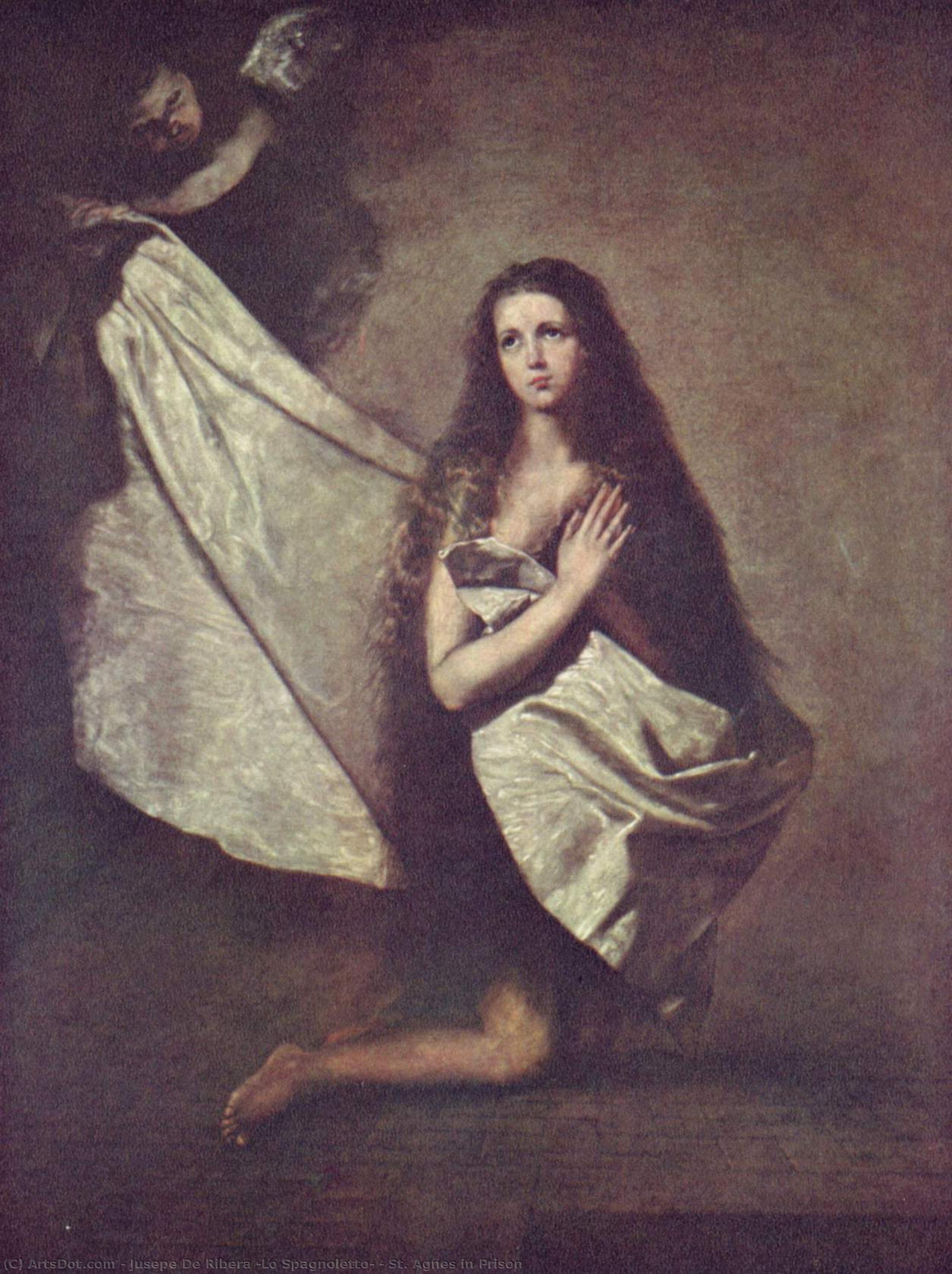
St. Agnes in Prison

- 152.0 x 203.0 cm


 Zobraziť viac
Získajte súbor pripravený na tlač, ktorý ponúka oveľa vyššiu kvalitu než online náhľad. Každý predávaný digitálny obraz pochádza z vysokorozlíseného originálu v našej databáze – zvyčajne s šírkou 5 000 až 15 000 pixelov – takže môžete s istotou tlačiť vo veľkom formáte, vytvárať detailné výrezy alebo reprodukovať jemné detaily.
Žiadny súbor neopustí naše štúdio bez úprav. Digitálny expert kontroluje farby v porovnaní s originálnym obrazom a v prípade potreby ich opraví, následne nástrojmi na profesionálnu retuš zvyšuje mieru ostrosti a detailov — pričom vždy zostáva verný umeleckému ťahu štetca a štýlu autora. Výsledkom je obraz, ktorý pôsobí ako samotné dielo, nie ako naskenovaný snímok s filtrom.
Schvaľujete ešte pred dokončením: náš expert vám obrazový súbor do 72 hodín pošle e-mailom na kontrolu. Nie ste spokojní? Požiadajte o vylepšenia alebo opravy, prípadne si môžete vyžiadať vrátenie platby, ak kvalita nedosahuje očakávanú úroveň.
Táto kvalita je základom dôvery vydavateľov, dizajnových štúdií, galérií a tlačovníkov.
Digitálny obraz
Stiahnite si vysokorozlíšený súbor na osobné zobrazovanie, tlačenie a kreatívne projekty. ( Prepnúť na tlač Kúpiť ručne maľovaný obraz)
Súčasťou každej objednávky digitálneho obrazu
Garantovaná expertná digitálna distribúcia
Keď si vyberiete OriginalUniqueArt.com, nezískate len obyčajný obrázok – získate profesionálne upravené digitálne umenie, vytvorené s maximálnou precíznosťou a podložené zárukou vašej spokojnosti. Tu je všetko, čo je súčasťou vašej objednávky automaticky:

Rýchle doručenie e-mailom
Vaša vysokorozlíšená digitálna súprava obrázkov vám bude zaslaná e-mailom do 72 hodín od objednávky – pripravená na okamžité použitie.

Digitálny súbor s vylepšením AI
Vaše dielo je profesionálne optimalizované pomocou pokročilých nástrojov umelej inteligencie a manuálnej úpravy, čo zaručuje maximálnu mieru detailov, čistotu a presnosť farieb.

Bezplatné celoživotné opätovné doručenie
Súbor ste náhodou zmazali alebo ste ho stratili? Žiadne starosti – kedykoľvek vám ho môžeme poslať znova, úplne bez poplatkov.

Bez poplatkov za dovoz – navždy
Užite si svoje umenie okamžite bez colných poplatkov, daní alebo nákladov na dopravu – digitálne stiahnutia sú vždy oslobodené od dane.

Garantovaná presnosť farieb
Pomocou profesionálnych nástrojov a farebného manažmentu zabezpečujeme, aby vaša digitálna fotografia čo najpresnejšie odrážala pôvodné farby.

Záruka spokojnosti 100 dní
Ak nebudete spokojní so svojím digitálnym obrázkom, upravíme ho alebo vám v priebehu 100 dní vrátime 100% – bez zbytočných otázok.

100% Záruka vrátenia peňazí
Nie ste spokojní? Získajte plnú náhradu platby do 100 dní od prijatia digitálneho súboru – bez zbytočných otázok.

Zľavy pri veľkom odbere
Pri kúpe 3 obrázkov získate zľavu 10% - Pri kúpe 5 obrázkov získate zľavu 15% - Pri kúpe 10+ obrázkov získate zľavu 20%. Ideálne pre kreatívne projekty, galérie a agentúry.
St. Agnes in Prison: A Study in Dramatic Light and Spiritual Suffering
Jusepe de Ribera’s “St. Agnes in Prison,” painted in 1641, is not merely a depiction of a biblical scene; it's a profound exploration of faith, endurance, and the agonizing beauty of spiritual suffering. Created during the height of the Baroque period, this arresting work transcends simple narrative to become a visceral experience for the viewer, drawing upon Ribera’s mastery of tenebrism – a technique he honed in Naples where light and shadow are employed with almost brutal intensity.
The subject itself, St. Agnes, a young virgin martyred for her unwavering faith, is rendered with an unflinching realism that was characteristic of Ribera's style. She kneels on the cold stone floor, her body partially exposed, a stark contrast to the opulent garments she once wore – remnants of a life stripped away by persecution. The composition immediately commands attention; the darkness surrounding Agnes is almost palpable, punctuated only by the single shaft of light illuminating her face and hands, highlighting her serene expression amidst profound distress. This dramatic use of chiaroscuro isn’t merely stylistic; it serves to amplify the emotional weight of the scene, forcing us to confront the raw vulnerability of a saint enduring unimaginable hardship.
The Baroque Palette: Shadow and Sacrifice
Ribera's artistic choices are deeply rooted in the Baroque aesthetic. The painting is dominated by deep browns, blacks, and grays – colors associated with mourning, sacrifice, and the mysteries of faith. These somber hues create a claustrophobic atmosphere, mirroring Agnes’s confinement and her internal struggle. The limited use of color, particularly the stark white of her garments against the oppressive darkness, serves to isolate her figure and draw our focus entirely onto her face – an expression of quiet acceptance and unwavering devotion. The artist's meticulous attention to detail, evident in the textures of the fabric, the rough stone floor, and the delicate folds of Agnes’s clothing, further enhances the realism and immediacy of the scene.
The presence of the angel figure in the background is equally significant. Rather than offering comfort or intervention, this ethereal being seems to bear witness to Agnes's suffering, holding a large cloth – perhaps representing her former life, now discarded – with an expression of solemn contemplation. The angel’s form is deliberately indistinct, shrouded in shadow and rendered with a ghostly quality that reinforces the painting’s themes of spiritual transcendence and the eternal nature of faith.
Symbolism and Spiritual Resonance
Beyond its immediate visual impact, “St. Agnes in Prison” is rich in symbolic meaning. The act of imprisonment itself represents the suppression of faith and the persecution faced by those who adhere to their beliefs. The exposed body of St. Agnes symbolizes her willingness to sacrifice everything for her convictions – a potent reminder of the ultimate cost of spiritual commitment. The bird she holds, often interpreted as a symbol of hope or resurrection, offers a glimmer of solace amidst the darkness.
Ribera’s choice to depict Agnes in such a vulnerable state was deliberate. He wasn't interested in glorifying martyrdom; instead, he sought to capture the raw emotional reality of suffering and the enduring strength of the human spirit. The painting invites viewers to contemplate not only St. Agnes’s plight but also their own capacity for resilience and faith in the face of adversity.
A Legacy of Dramatic Realism
“St. Agnes in Prison” stands as a testament to Jusepe de Ribera's extraordinary talent and his profound understanding of human emotion. His masterful use of tenebrism, combined with his meticulous attention to detail and his ability to imbue his subjects with psychological depth, cemented his place as one of the most important artists of the Baroque era. Reproductions of this powerful work continue to resonate with audiences today, offering a timeless meditation on faith, suffering, and the enduring beauty of the human spirit.
Otázky a odpovede
Akým množstvom svetla sa zdá odrážať farby diela „St. Agnes in Prison"]?
Farby diela „St. Agnes in Prison“ vykazujú Soft Shadow luminanciu.
Čo zobrazuje „St. Agnes in Prison“ od Jusepe de Ribera a akú náladu vyvoláva?
„St. Agnes in Prison“ od Jusepe de Ribera spája saint agnes, prison, martyrdom, angel, tenebrism, baroque, faith, devotion s Dramatic atmosférou.
Kde sa dielo „St. Agnes in Prison“ zaradí do doterajšieho tvoru umelca Jusepe de Ribera?
„St. Agnes in Prison“ patrí k dielu Jusepe de Ribera v rámci smeru Tenebrist Baroque, ktorého zachytané témy zahŕňajú caravaggio’s tenebrism, religious drama, spanish baroque, catholic piety, martyrdom narratives, spiritual suffering, neapolitan school, dramatic realism.
Životopis umelca
A Life Forged in Shadow and Light
Jusepe de Ribera, známy ako Lo Spagnoletto – “Malý Španiel” – bol obdivuhodný umelec barokovej éry, ktorého plátna pulzovali dramatickou intenzitou a bezkompromisnou realistickosťou. Narodil sa v Xàtiva, Španielsko, v roku 1591, a jeho cesta ho odviedla ďaleko od svojich valencijských korienov, čím sa etabloval ako jeden z najvýznamnejších maliarov 17. storočia v Neapole, meste pod španielskou nadvládou. Život Ribery nebol len kronikou umeleckého rozvoja; bol to príbeh spletený s ťažkosťami, ambíciami a nezlomným záväzkom k zobrazovaniu ľudskej existencie v jej čoraz väčšej krúžnosti. A hoci skoré životopisné detaily zatiaľ zahalené v nejakej závoji, vieme, že sa usadil v Taliansku okolo roku 1607, najprv v Ríme a neskôr sa v roku 1616 presťahol do Neapolu – mesta, ktoré sa stalo jeho umeleckým domovom a krízovým bodom pre jeho jedinečný štýl. Jeho manželstvo s Caterínou Azzolino, dcérou miestneho maliara, ďalej posilnilo jeho väzby k neapolskému umelníckeho prostredia, umožňujúc mu rozkvitnúť v jeho živajúcom, no často turbulentnom, prostredí.The Embrace of Tenebrism and Realist Vision
Umelecké vzdelanie Ribery bolo hlboko ovplyvnené prúdmi talianskych maľieb. Vplyv Caravaggia je nepopriateľiteľný; Ribera absorboval revolucionárnu techniku Caravaggia – dramatickú interakciu svetla a tieňa – na vytváranie scén nabitých emocionálnou silou. Avšak on ju neukrádli. Syntetizoval túto techniku s prvkami získanými od iných majstrov, ako je Guido Reni, pričom integroval klasickú citlivosť do svojich kompozícií zatiaľ čo si uchovával vulgárny dopad Caravaggiaovej realizmu. Táto fúzia viedla k štýlu jedinečnému pre neho: charakterizovanému ostrými kontrastmi, intenzívne zameranými postavami a takmer brutálnou úprimnosťou pri zobrazovaní ľudského utrpenia a duchovnej extázie. Jeho skoré diela, ako je *Umučenie sväteho Bartolomeja*, exemplifikujú tento prístup – znepokojivé zobrazovanie bolesti zobrazené s bezkompromisným detailom. Nebol ochotný odmietať fyzické reality mučení, zkrivené postavy, napäté svaly, dokonca aj textúra pokožky a kostí. Tento záväzok k realizmu sa rozširoval aj mimo náboženské motívy; jeho portréty chudobných ľudí a bežnejších obyvateľov, často zobrazované ako filozofi alebo svätci, boli vted' revolucionárne v tom, že zdvihli marginalizovaných na úroveň dôstojnosti a významu, akú zriedka videli v umení.A Career Across Genres and Evolving Styles
Ribera’s artistic output was remarkably diverse. While he is perhaps best known for his religious paintings – scenes of martyrdom, depictions of saints, and dramatic biblical narratives – he also excelled in portraiture, still life, and even landscape painting. His *Saint Jerome and the Angel*, for instance, showcases a softer, more contemplative side to his artistry, while still retaining the characteristic dramatic lighting that defines his work. Throughout his career, Ribera’s style underwent subtle but significant evolutions. His earlier paintings are marked by an almost austere realism and a stark use of tenebrism. As he matured, particularly after establishing himself firmly in Naples, his palette became richer, his compositions more complex, and his lighting somewhat softened. However, the core elements of his Baroque aesthetic – the emotional intensity, the dramatic narratives, and the unwavering commitment to portraying human experience with honesty – remained constant. He was a master craftsman, capable of rendering textures with astonishing precision, from the rough fabric of a beggar’s cloak to the smooth skin of a youthful saint.Key Works and Influences
Ribera's work is characterized by its dramatic intensity and unflinching realism. His most famous paintings include *The Martyrdom of Saint Bartholomew*, *The Lamentation over the Dead Christ*, *Saint Jerome in the Wilderness*, and *The Penitent St. Peter*. He was deeply influenced by Caravaggio, but also drew inspiration from other masters such as Guido Reni and Michelangelo. Ribera’s use of tenebrism – the dramatic contrast between light and shadow – created a sense of drama and emotional intensity that is characteristic of Baroque art. His paintings often depict scenes of suffering and torment, reflecting his own belief in the importance of faith and redemption.Legacy and Lasting Influence
Jusepe de Ribera’s impact on the art world extended far beyond his Neapolitan workshop. He became a pivotal figure in Spanish Baroque painting, alongside masters like Velázquez, Zurbarán, and Murillo. His innovative use of tenebrism and his unflinching realism influenced generations of artists throughout Europe. His work resonated with those seeking to break away from the idealized forms of Renaissance art and embrace a more visceral, emotionally charged style. Even later artists drew inspiration from his dramatic compositions and powerful depictions of human suffering. Today, Ribera’s paintings are housed in prestigious museums around the world – the Museo del Prado in Madrid, the National Gallery of Art in Washington D.C., and numerous institutions across Europe – ensuring that his legacy continues to inspire and captivate audiences centuries after his death in 1652. He stands as a testament to the power of art to confront difficult truths, explore the depths of human emotion, and illuminate the enduring spirit of faith and resilience.
Jusepe de Ribera
1591 - 1652 , Španielsko
Základné informácie
- Artistic Movement Or Style: Baroko
- Artists Or Movements Influenced By This Artist:
- José de Ribera
- Evropské mistrovské dílo
- Artists Who Influenced This Artist:
- Caravaggio
- Guido Reni
- Date Of Birth: 1591
- Date Of Death: 1652
- Full Name: Jusepe de Ribera
- Nationality: Španielsky
- Notable Artworks:
- Martyrium sv. Bartolomäa
- Sv. Jerom a anjel
- Place Of Birth: Xativa, Španielsko