Náhľad
 Odoslať
 Zdieľať
 Podrobnosti o dielo

 Stiahnuť
 Podobné diela
 RTG skúška
 Prezentácia
 Štatistiky
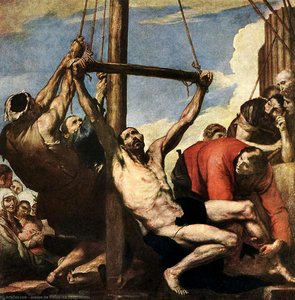
Archimedes
 Acrylic On Canvas
- WallArt
- Baroque
 1630
1630 81.0 x 125.0 cm
 Prado Museum
 Zobraziť viac
Ručne maľovaná olejová reprodukcia
Ručne maľovaný olej na plátne vo vašej zvolenej veľkosti a v ráme, vyrobený na mieru našimi umelcami. ( Prepnúť na tlač Prepnúť na digitálny obraz)




P118B $10

P118H $10

P118W $10

P438Z $10

P508JH $12

P508YH $12

P805H $10

P805Z $10

P919BZ $10

P919G $10

P919XJ $10

P959ZH $10

P968JZ $12

W106C $8

W218G $10

W218JH $8

W218Y $10

W307PJ $10

W316G $10

W316PJ $8

W316Y $10

W398PJ $8

W4111J $10

W500HY $15

W500JH $15

W692G $12

W849H $8

W940BG $15

W953PJ $8




Vyberte si z našich preddefinovaných rozmerov, ktoré zodpovedajú pôvodným pomeroḿ diela.

Môžete zadať vlastné rozmery tak, aby sa hodili do konkrétneho rámu alebo priestoru. Ak sa váš zvolený rozmer nezhoduje s pôvodnými proporciami obrazu, dielo buď orezáme, alebo ho doplníme ručne maľovanými prvkami. Pred začiatkom výroby vám zašleme digitálny náhľad na schválenie.
Upozorňujeme, že ukážka na obrazovke neodráža skutočné orezanie alebo doplnenie. Skutočnú finálnu kompozíciu zobrazuje iba digitálny náhľad.
Hoci sú k dispozícii vlastné rozmery, odporúčame vybrať rozmer z preddefinovaného zoznamu, aby sme zachovali pôvodné proporcie.
Po odoslaní objednávky vám tím OriginalUniqueArt.com pošle e-mail s pokynmi a poskytne náhľad na návrh.
Celosvetová doprava () za 3 až 4 týždne namiesto štandardných 5 týždňov. (10 september). Bez kompromisov v kvalite.

Bezplatná expresná doprava po celom svete

Prémiové lnianske plátno

Kompletné poistenie prepravy

Záruka vrátenia colného poplatku

Záruka presného farebného zhodnutia

100-dená politika vrátenia tovaru (iba pri vadách)

100% záruka vrátenia peňazí

Výhodná množstevná zľava
 Možnosť skla je dostupná len pri rozmeroch pod 110 cm

Archimedes
Technika reprodukcie
Veľkosť reprodukcie
-


Celková cena za vybrané možnosti
$ 300
A Titan of Thought: Exploring Jusepe de Ribera’s Archimedes
The painting depicts a portrait of Archimedes, the ancient Greek mathematician, physicist, engineer, and astronomer, rendered in the dramatic style of Tenebrism—a technique championed by Caravaggio and perfected by Jusepe de Ribera. More than just an image of a brilliant mind, this artwork embodies the spirit of the Baroque era, capturing not merely appearance but profound intellectual contemplation. It’s a piece designed to resonate with viewers who appreciate both artistic mastery and philosophical depth.- Subject Matter: The portrait focuses on Archimedes from the chest up, emphasizing his face—a bald head framed by a thoughtful beard—suggesting considerable age and experience. He wears a dark robe, indicative of scholarly pursuits and conveying an aura of quiet dignity.
- Style & Technique: Ribera’s masterful use of Tenebrism dominates the composition. This style employs stark contrasts between light and shadow to create an intensely atmospheric effect—almost as if capturing a fleeting moment of revelation. Loose brushstrokes are prominent, particularly in the folds of the robe and skin texture, injecting dynamism into the figure and conveying a palpable sense of movement.
- Historical Context: Executed around 1630, this painting reflects the Baroque preoccupation with emotion and grandeur. Ribera’s work aligns perfectly with the artistic sensibilities of his time—a period marked by religious fervor and an interest in portraying human experience with unflinching realism. The artist's stylistic choices underscore the importance of conveying psychological depth alongside visual beauty.
- Symbolism: The dark robe symbolizes intellectual seclusion, while Archimedes’ gaze directs attention inward—representing the internal world of thought and discovery. The illuminated face highlights his expression, hinting at a moment of profound insight or contemplation—a testament to Archimedes' legacy as a beacon of scientific brilliance.
- Emotional Impact: Viewing this reproduction evokes feelings of admiration for intellectual prowess and reverence for classical achievement. Ribera’s ability to distill complex ideas into a single image speaks volumes about the power of art to inspire and provoke contemplation—a quality that continues to captivate audiences centuries later.
Detailed Examination: The Artistry of Tenebrism
Tenebrism, derived from the Latin “tenebras” meaning darkness, was more than just a stylistic choice; it was a philosophical stance. Ribera embraced this technique to heighten dramatic tension and convey spiritual intensity—a hallmark of Baroque art. By concentrating light on specific areas of the figure while plunging the background into deep shadow, Ribera achieved an unparalleled level of realism and emotional impact. This method wasn’t merely about visual spectacle; it aimed to illuminate the inner life of the subject, mirroring Archimedes' own quest for understanding. The careful manipulation of chiaroscuro—the interplay between light and dark—creates a palpable sense of drama and invites viewers to contemplate the profound implications of Archimedes’ intellectual endeavors.Beyond Representation: Capturing Essence
Ribera’s approach transcends mere depiction; he strives to capture the very essence of Archimedes' character. The artist meticulously renders the texture of skin, conveying a sense of age and wisdom—a visual embodiment of Archimedes’ enduring legacy as one of history’s greatest thinkers. Furthermore, Ribera skillfully uses loose brushstrokes to imbue the robe with movement, suggesting Archimedes’ active engagement in contemplation. These subtle artistic choices elevate the artwork beyond a simple portrait into a powerful statement about intellect, perseverance, and the pursuit of knowledge—qualities that continue to inspire admiration today.A Legacy Illuminated: Ribera's Influence on Art History
Jusepe de Ribera stands as a pivotal figure in Baroque art history, alongside Velázquez and Zurbarán. His unwavering commitment to realism combined with his masterful use of Tenebrism established him as a champion of dramatic expression—a stylistic innovation that profoundly impacted subsequent generations of artists. Reproductions of this artwork offer an opportunity to experience firsthand the artistic brilliance of Ribera and appreciate the enduring power of Baroque art to convey emotion and intellectual depth. Consider framing it in a neutral hue to allow the artwork’s inherent luminosity to shine through, enhancing its visual impact and honoring Ribera's masterful technique.Biografia umelca
A Life Forged in Shadow and Light
Jusepe de Ribera, známy ako Lo Spagnoletto – “Malý Španiel” – bol obdivuhodný umelec barokovej éry, ktorého plátna pulzovali dramatickou intenzitou a bezkompromisnou realistickosťou. Narodil sa v Xàtiva, Španielsko, v roku 1591, a jeho cesta ho odviedla ďaleko od svojich valencijských korienov, čím sa etabloval ako jeden z najvýznamnejších maliarov 17. storočia v Neapole, meste pod španielskou nadvládou. Život Ribery nebol len kronikou umeleckého rozvoja; bol to príbeh spletený s ťažkosťami, ambíciami a nezlomným záväzkom k zobrazovaniu ľudskej existencie v jej čoraz väčšej krúžnosti. A hoci skoré životopisné detaily zatiaľ zahalené v nejakej závoji, vieme, že sa usadil v Taliansku okolo roku 1607, najprv v Ríme a neskôr sa v roku 1616 presťahol do Neapolu – mesta, ktoré sa stalo jeho umeleckým domovom a krízovým bodom pre jeho jedinečný štýl. Jeho manželstvo s Caterínou Azzolino, dcérou miestneho maliara, ďalej posilnilo jeho väzby k neapolskému umelníckeho prostredia, umožňujúc mu rozkvitnúť v jeho živajúcom, no často turbulentnom, prostredí.The Embrace of Tenebrism and Realist Vision
Umelecké vzdelanie Ribery bolo hlboko ovplyvnené prúdmi talianskych maľieb. Vplyv Caravaggia je nepopriateľiteľný; Ribera absorboval revolucionárnu techniku Caravaggia – dramatickú interakciu svetla a tieňa – na vytváranie scén nabitých emocionálnou silou. Avšak on ju neukrádli. Syntetizoval túto techniku s prvkami získanými od iných majstrov, ako je Guido Reni, pričom integroval klasickú citlivosť do svojich kompozícií zatiaľ čo si uchovával vulgárny dopad Caravaggiaovej realizmu. Táto fúzia viedla k štýlu jedinečnému pre neho: charakterizovanému ostrými kontrastmi, intenzívne zameranými postavami a takmer brutálnou úprimnosťou pri zobrazovaní ľudského utrpenia a duchovnej extázie. Jeho skoré diela, ako je *Umučenie sväteho Bartolomeja*, exemplifikujú tento prístup – znepokojivé zobrazovanie bolesti zobrazené s bezkompromisným detailom. Nebol ochotný odmietať fyzické reality mučení, zkrivené postavy, napäté svaly, dokonca aj textúra pokožky a kostí. Tento záväzok k realizmu sa rozširoval aj mimo náboženské motívy; jeho portréty chudobných ľudí a bežnejších obyvateľov, často zobrazované ako filozofi alebo svätci, boli vted' revolucionárne v tom, že zdvihli marginalizovaných na úroveň dôstojnosti a významu, akú zriedka videli v umení.A Career Across Genres and Evolving Styles
Ribera’s artistic output was remarkably diverse. While he is perhaps best known for his religious paintings – scenes of martyrdom, depictions of saints, and dramatic biblical narratives – he also excelled in portraiture, still life, and even landscape painting. His *Saint Jerome and the Angel*, for instance, showcases a softer, more contemplative side to his artistry, while still retaining the characteristic dramatic lighting that defines his work. Throughout his career, Ribera’s style underwent subtle but significant evolutions. His earlier paintings are marked by an almost austere realism and a stark use of tenebrism. As he matured, particularly after establishing himself firmly in Naples, his palette became richer, his compositions more complex, and his lighting somewhat softened. However, the core elements of his Baroque aesthetic – the emotional intensity, the dramatic narratives, and the unwavering commitment to portraying human experience with honesty – remained constant. He was a master craftsman, capable of rendering textures with astonishing precision, from the rough fabric of a beggar’s cloak to the smooth skin of a youthful saint.Key Works and Influences
Ribera's work is characterized by its dramatic intensity and unflinching realism. His most famous paintings include *The Martyrdom of Saint Bartholomew*, *The Lamentation over the Dead Christ*, *Saint Jerome in the Wilderness*, and *The Penitent St. Peter*. He was deeply influenced by Caravaggio, but also drew inspiration from other masters such as Guido Reni and Michelangelo. Ribera’s use of tenebrism – the dramatic contrast between light and shadow – created a sense of drama and emotional intensity that is characteristic of Baroque art. His paintings often depict scenes of suffering and torment, reflecting his own belief in the importance of faith and redemption.Legacy and Lasting Influence
Jusepe de Ribera’s impact on the art world extended far beyond his Neapolitan workshop. He became a pivotal figure in Spanish Baroque painting, alongside masters like Velázquez, Zurbarán, and Murillo. His innovative use of tenebrism and his unflinching realism influenced generations of artists throughout Europe. His work resonated with those seeking to break away from the idealized forms of Renaissance art and embrace a more visceral, emotionally charged style. Even later artists drew inspiration from his dramatic compositions and powerful depictions of human suffering. Today, Ribera’s paintings are housed in prestigious museums around the world – the Museo del Prado in Madrid, the National Gallery of Art in Washington D.C., and numerous institutions across Europe – ensuring that his legacy continues to inspire and captivate audiences centuries after his death in 1652. He stands as a testament to the power of art to confront difficult truths, explore the depths of human emotion, and illuminate the enduring spirit of faith and resilience.
Jusepe de Ribera
1591 - 1652 , Španielsko
Základné informácie
- Artistic Movement Or Style: Baroko
- Artists Or Movements Influenced By This Artist:
- José de Ribera
- Evropské mistrovské dílo
- Artists Who Influenced This Artist:
- Caravaggio
- Guido Reni
- Date Of Birth: 1591
- Date Of Death: 1652
- Full Name: Jusepe de Ribera
- Nationality: Španielsky
- Notable Artworks:
- Martyrium sv. Bartolomäa
- Sv. Jerom a anjel
- Place Of Birth: Xativa, Španielsko
Súvisiace články

Top 10 majstrovských diel baroka: Umění a dekor pre váš domov
Ponorte sa do sveta baroka! Objavte top 10 majstrovských diel od Caravaggia, Rembrandta a ďalších slávnych maliarov. Reprodukcie obrazov pre luxusný dekor vášho domova na OriginalUniqueArt.com.
The Golden Age Reforged: Dramatic Realism & Religious Zeal in Spanish Baroque Art
Explore the dramatic world of Spanish Baroque art! Discover masters like Zurbarán & the powerful influence of religious zeal on painting techniques – a guide for collectors and enthusiasts.

The Dramatic Flourish: Exploring the Baroque Movement's Enduring Legacy in Art History
Explore the dramatic world of Baroque art! Discover iconic artists like Caravaggio & Rubens, defining techniques, and its lasting impact on art history. Expert insights for collectors & enthusiasts at OriginalUniqueArt.

Drama and Light: A Definitive Guide to the Power and Emotion of Baroque Portraiture
Explore the dramatic world of Baroque portraiture. Discover how masters used chiaroscuro and light to evoke profound emotion during the Counter-Reformation. A definitive guide for art enthusiasts seeking to understand the power of 17th-century masterpieces.
Jusepe de Ribera: Dramatic Realism & Spiritual Intensity in the Spanish Golden Age
Explore the powerful Baroque paintings of Jusepe de Ribera, master of tenebrism and dramatic realism. Discover his spiritual intensity, influence on Spanish art, and considerations for collectors. Expert insights at OriginalUniqueArt.