
 Náhľad v interiéri
 Odoslať ako digitálnu kartu
 Zdieľať
 Podrobnosti o dielo
 Príručka

 Stiahnuť obraz
 Podobné položky
 RTG skúška
 Prehliadanie diapozoje
 Q&A
Q&A Štatistiky
Violin and Guitar

- 60.0 x 81.0 cm


 Zobraziť viac
Giclée / Umenotlač
Giclée tlač alebo plátno múzeálnej kvality s rýchlou výrobou a rôznymi možnosťami povrchovej úpravy. ( Kúpiť ručne maľovaný obraz Prepnúť na digitálny obraz)




P118B €10

P118H €10

P118W €10

P438Z €10

P508JH €12

P508YH €12

P805H €10

P805Z €10

P919BZ €10

P919G €10

P919XJ €10

P959ZH €10

P968JZ €12

W106C €8

W218G €10

W218JH €8

W218Y €10

W307PJ €10

W316G €10

W316PJ €8

W316Y €10

W398PJ €8

W4111J €10

W500HY €15

W500JH €15

W692G €12

W849H €8

W940BG €15

W953PJ €8




Vyberte si z našich preddefinovaných rozmerov, ktoré zodpovedajú pôvodným pomeroḿ diela.

Zadajte šírku a výšku, ktoré potrebujete, aby sa reprodukcia hodila k vášmu rámu alebo stene. Print možno len orezávať, nikdy však nemennú veľkosť zvětšiť oproti pôvodnému obrázku, preto pri inom formáte stráca časť obrazu. Pred samotným vytlačiacím procesom vám pošleme digitálny náhľad na schválenie. Obrázok zobrazený na tejto stránke nezobrazuje reálny rez — len digitálny náhľad ukazuje presný výsledok.
Celosvetová doprava () do 2 týždňov namiesto štandardných 4 až 5 týždňov. (2 november)

Bezplatná expresná doprava po celom svete

Vysokokvalitné lnianske plátno

Kompletné poistenie prepravy

Záruka vrátenia colného poplatku

Záruka presného farebného zhodnutia

100-dená politika vrátenia tovaru (iba pri vadách)

100% záruka vrátenia peňazí

Zľava pri väčšom množstve
 Možnosť skla je dostupná len pri rozmeroch pod 110 cm

Violin and Guitar
Giclée / Umenotlač
Veľkosť reprodukcie
-


Celková cena
€ 71
A Fragmented Harmony: Juan Gris’s “Violin and Guitar”
Juan Gris’s “Violin and Guitar,” painted in 1913, isn't merely a still life; it’s a meticulously constructed exploration of perception and the very nature of representation. Emerging from the fertile ground of early Cubism, this work embodies the movement’s revolutionary shift away from traditional perspective and towards a fractured, multi-faceted view of reality. More than just depicting musical instruments, Gris offers us a glimpse into his innovative approach to visual language – a deliberate dismantling and reassembling of form that speaks volumes about the artist's intellectual rigor and artistic vision.
The canvas is dominated by the assertive presence of a guitar and violin, rendered with an almost startling degree of realism despite their fragmented composition. However, these recognizable objects are not presented in a straightforward manner. Instead, they’re broken down into geometric planes – sharp angles, interlocking rectangles, and subtly curved lines—that suggest multiple viewpoints simultaneously. This is the hallmark of Synthetic Cubism, where elements from various perspectives are layered upon one another to create an illusion of depth and volume within a flattened space. The background, hinted at through a suggestion of a window and curtain, further reinforces this sense of spatial ambiguity, inviting the viewer to actively participate in constructing the image.
The Language of Cubism: Deconstruction and Reconstruction
Gris’s approach is deeply rooted in the principles pioneered by Picasso and Braque. He embraced the analytical cubist method – a process of dissecting objects into their constituent parts, analyzing them from multiple angles, and then reconstructing them on the canvas. Yet, “Violin and Guitar” marks a significant departure from the purely analytical style. It’s a prime example of Synthetic Cubism, where pre-existing elements—fragments of color, texture, and form—are collaged together to create a new, unified image. The use of *papier collé*, or pasted paper, is subtly present in the background, adding another layer of complexity and visual interest.
Noticeably absent is the dense, monochromatic palette often associated with early Cubism. Instead, Gris employs a vibrant and carefully considered color scheme – cool blues and grays juxtaposed against warm reds and greens. These colors aren’t merely decorative; they contribute to the overall sense of dynamism and visual tension within the composition. The deliberate use of contrasting hues draws attention to specific areas of the painting, guiding the viewer's eye through the intricate network of lines and shapes.
Symbolism and Emotional Resonance
While “Violin and Guitar” is undeniably a formal masterpiece, it also carries a subtle layer of symbolic meaning. Music itself has long been associated with harmony, emotion, and creativity. The instruments depicted—the violin and guitar—represent these concepts in tangible form. The fragmentation of the objects can be interpreted as reflecting the complexities of human experience – the way we perceive reality through multiple lenses and the challenges of integrating disparate elements into a cohesive whole.
Furthermore, the painting’s overall mood is one of quiet contemplation. The muted colors, the fragmented forms, and the sense of spatial ambiguity create an atmosphere of detachment and introspection. It's not a celebratory or overtly emotional work; rather, it invites the viewer to engage in a process of careful observation and interpretation. The deliberate lack of strong shadows contributes to this feeling of flatness and abstraction, emphasizing the painting’s formal qualities over its representational ones.
A Legacy of Innovation
“Violin and Guitar” stands as a pivotal work in Juan Gris's artistic development and a cornerstone of Cubist innovation. It demonstrates his mastery of geometric form, his innovative use of color, and his ability to create complex visual narratives through seemingly simple compositions. Gris’s unique approach—combining rigorous analytical study with a poetic sensibility—established him as one of the most influential artists of the 20th century, leaving an indelible mark on the development of modern art.
Otázky a odpovede
Kto je autorom a aké je vznikové obdobie diela „Violin and Guitar"?
Juan Gris vytvoril/a „Violin and Guitar“ v roku 1913.
Aká je dominantná farba diela „Violin and Guitar“ od Juan Gris?
Dominantným odtieňom diela „Violin and Guitar“ od Juan Gris je Green to Violet Spectrum. Tento odtieň predstavuje základný tón palety.
Aká veľkosť a orientácia sa odporúčajú pre tlač diela „Violin and Guitar“ od Juan Gris?
Veľkosť Medium, orientácia Portrait: toto je odporúčaná konfigurácia tlače pre dielo „Violin and Guitar“ od Juan Gris.
Biografia umelca
Španielsky vizionár kubizmu: Život a umenie Juana Grisa
Narodený ako José Victoriano González-Pérez v Madride v roku 1887, umelec, ktorý sa neskôr preslávil pod menom Juan Gris, sa vydal na cestu, ktorá ho zapísala medzi najvýznamnejšie postavy umenia začiatkom 20. storočia. Jeho počiatočná cesta nevedla okamžite k plátnu a štetcu; študoval inžinierstvo na Škole umenia a vied, čím preukázal analytickú myseľ, ktorá neskôr hlboko ovplyvnila jeho umelecký prístup. Už aj počas týchto formujúcich rokov sa v ňom blýskala tvorivá iskra – vytváranie kreslených ilustrácií pre miestne periodiká naznačovalo rastúci vizuálny talent. Práve v roku 1905 prijal pseudonym Juan Gris, meno, ktoré rezonovalo s novým pocitom identity a zmyslu, keď začal so štúdiom klasického maliarstva pod vedením Joséa Moreno Carbonera. Tento moment predstavoval kľúčový zvrat, ktorý ho vydal na cestu k umeleckej inovánej.Parížske prebudenie a prijatie kubizmu
Rok 1906 priniesol transformujúci presun do Paríža, mesta, ktoré v tom čase pulzovalo umeleckou energiou. Gris sa ponorel do tohto živého prostredia, kde si vytvoril priateľstvá s luminármi ako Henri Matisse, Georges Braque a Fernand Léger. Pôvodne sa venoval satirickej ilustrácii pre publikácie ako L'Assiette au Beurre, čím si precvičoval schopnosť pozorovania a rozvíjal bystrý zmysel pre vizuálny humor. Magnétická sila Pabla Picassa však ukázala sa byť mimoriadne vplyvná. Kolem roku 1910 sa Gris začal vážne venovať maliarstvu, pričom sa vzdal karikatúry a smeroval k rozvíjajúcemu sa jazyku kubizmu. Nebola to len pouhá imitácia; vydal sa na misiu destilovať podstatu formy a priestoru a hľadať nový vizážny poriadok. Jeho rané skúšania sa vyznačovali závislým odklonom od tradičnej reprezentácie, pričom prijal abstraktiu ako prostriedok na zachytenie skrytého štruktúry reality.Geometria vnímania: Štýl a kľúčové diela
Umelecká tvorba Juana Grisa je charakterizovaná výnimočnou jasnosťou a intelektuálnou prísnosťou. Predmety nerozkladal jednoducho; rekonštruoval ich s dôslednou presnosťou, pričom zdôrazňoval geometrické tvary a starostlivo premyslenú paletu farieb. Tento prístup viedol k tomu, čo sa neskôr stalo známym ako jeho „krystálnom období“, čo je vidieť v majstrovských dielach ako Still Life Before an Open Window alebo Place Ravignan (1915). Tieto práce ukazujú pozoruhateľnú interakciu rovín a uhlov, čím vytvárajajú pocit hĺbky a pevnosti, no zároveň spochybňujú konvenčné predstavy o perspektíve. Po roku 1913 plne prijala syntetický kubizmus, pričom bol pionierom v používaní techniky papier collé – koláže – do svojich kompozícií začal začatovať materiály zo skutočného sveta, ako sú výstrižky z noviníkov a textúrovaný papier. Táto technika pridala jeho dielom ďalšiu vrstvu komplexnosti a hmatateľnosti, čím sa rozostrelivali hranice medzi maliarstvá a socháristvom. Medzi významné príklady patria Guitar in front of the sea (1925), čo je dôkazom jeho zjednodušených tvarov a dodržiavania kubistických princípov, a Homage à Pablo Picasso (1912), ktoré signalizovalo jeho rastúce uznanie v rámci avantgardného sveta umenia.Odkaz a trvalý vplyv
Príspevok Juana Grisa k kubizmu presahuje rámec čystej štylistickej inovácie; do tohto hnutia priniesol jedinečnú intelektuálnu hĺbku a štrukturálnu jasnosť. Prešiel od analytickej fázy k organizovanejšiemu a syntetickému prístupu, ktorý zdôrazňoval poriadok a presnosť. Jeho práca hlboko ovplyvnila puristický štýl, ktorého zastupiteľmi boli Amédée Ozenfant a Charles Edouard Jeanneret (Le Corbusier), pričom presadzovala návrat k klasickým princípom formy a kompozície. Grisov dôraz na geometrické tvary, harmonické farebné palety a integráciu každodenných predmetov do umenia ho ugruntoval ako kľúčovú postavu 20. storočného umenia. Jeho odkaz pokračuje v inšpirovaní dnešných umelcov, svedčiac o trvalej sile kubizmu a vizionárskom géniu Juana Grisa – španielskeho majstra, ktorý preformátoval naše chápanie vnímania a reprezentácie.
Juan Gris
1887 - 1927 , Španielsko
Základné informácie
- Artistic Movement Or Style: Kubizmus, Syntetický kubizmus
- Artists Or Movements Influenced By This Artist:
- Purizmus
- Ozenfant
- Le Corbusier
- Artists Who Influenced This Artist:
- Picasso
- Matisse
- Braque
- Date Of Birth: 23. marec 1887
- Date Of Death: 11. máj 1927
- Full Name: José Victoriano González-Pérez
- Nationality: Španielsky
- Notable Artworks:
- Guitar na mori
- Homáž Pablo Picasso
- Miliaristi
- Place Of Birth: Madrid, Španielsko
Súvisiace články
Redefining Nature: A Collector's Guide to the Geometric Beauty of Cubist Landscapes
Explore the revolutionary world of Cubist landscapes. Discover how masters like Picasso and Braque redefined nature through geometric beauty, and learn expert tips for curating these transformative masterpieces in your modern home collection.

Top 10 majstrov geometrickej abstrakcie: Umění pre váš domov s OriginalUniqueArt.com
Ponorte sa do sveta geometrickej abstrakcie! Objavte 10 majstrovských diel od Mondriana, Kandinského a ďalších. História umenia, techniky a farebné kompozície na OriginalUniqueArt.com – reprodukcie obrazov pre váš domov.
Cubist Expression: A Professional Guide to Integrating Geometric Abstraction into Modern Hospitality Design
Elevate hospitality interiors with Cubist art. Our expert guide explores integrating geometric abstraction into hotel design through high-quality, large-scale oil reproductions and custom multi-panel commissions tailored for professional designers and procurement managers.
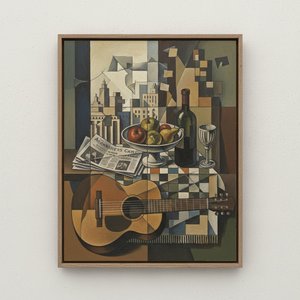
Juan Gris: Cubist Deconstruction & Synthesis – A Comprehensive Exploration
Explore the revolutionary art of Juan Gris – a master of Cubism. Discover his unique approach to deconstruction, vibrant Synthetic Cubist works, and lasting influence on modern art. Expert analysis for collectors.
Deconstructing Identity: A Comprehensive Exploration of Cubist Portraiture
Explore the revolutionary world of Cubist portraiture with our comprehensive guide. Discover Picasso, Braque, Gris & the movement's impact on modern art. Expert analysis for collectors and enthusiasts.


