
 Náhľad v interiéri
 Odoslať ako digitálnu kartu
 Zdieľať
 Podrobnosti o dielo
 Príručka

 Stiahnuť obraz
 Podobné položky
 RTG skúška
 Prehliadanie diapozoje
 Q&A
Q&A Štatistiky
Pietà

- 161.0 x 144.0 cm


 Zobraziť viac
Giclée / Umenotlač
Giclée tlač alebo plátno múzeálnej kvality s rýchlou výrobou a rôznymi možnosťami povrchovej úpravy. ( Kúpiť ručne maľovaný obraz Prepnúť na digitálny obraz)




P118B €10

P118H €10

P118W €10

P438Z €10

P508JH €12

P508YH €12

P805H €10

P805Z €10

P919BZ €10

P919G €10

P919XJ €10

P959ZH €10

P968JZ €12

W106C €8

W218G €10

W218JH €8

W218Y €10

W307PJ €10

W316G €10

W316PJ €8

W316Y €10

W398PJ €8

W4111J €10

W500HY €15

W500JH €15

W692G €12

W849H €8

W940BG €15

W953PJ €8




Vyberte si z našich preddefinovaných rozmerov, ktoré zodpovedajú pôvodným pomeroḿ diela.

Zadajte šírku a výšku, ktoré potrebujete, aby sa reprodukcia hodila k vášmu rámu alebo stene. Print možno len orezávať, nikdy však nemennú veľkosť zvětšiť oproti pôvodnému obrázku, preto pri inom formáte stráca časť obrazu. Pred samotným vytlačiacím procesom vám pošleme digitálny náhľad na schválenie. Obrázok zobrazený na tejto stránke nezobrazuje reálny rez — len digitálny náhľad ukazuje presný výsledok.
Celosvetová doprava () do 2 týždňov namiesto štandardných 4 až 5 týždňov. (1 november)

Bezplatná expresná doprava po celom svete

Vysokokvalitné lnianske plátno

Kompletné poistenie prepravy

Záruka vrátenia colného poplatku

Záruka presného farebného zhodnutia

100-dená politika vrátenia tovaru (iba pri vadách)

100% záruka vrátenia peňazí

Zľava pri väčšom množstve
 Možnosť skla je dostupná len pri rozmeroch pod 110 cm

Pietà
Giclée / Umenotlač
Veľkosť reprodukcie
-


Celková cena
€ 71
The Heart of Sorrow: An Exploration of Valdés Leal’s Pietà
Juan de Valdés Leal's 1657 “Pietà” is not merely a depiction of grief; it’s an immersion into the profound sorrow and spiritual weight of Christian iconography. Born in Seville during the height of the Spanish Baroque, Leal was deeply influenced by the traditions of theatrical sculpture, particularly the evocative “pasos”—elaborate processions featuring religious figures rendered with intense emotion—a practice common in Spain. This painting transcends simple representation, aiming instead to evoke a visceral response from the viewer, mirroring the agony of Mary Magdalene cradling the lifeless body of Christ.
The subject itself – the Pietà – has resonated through Western art for centuries. It’s a timeless image: the Virgin Mary, serene yet heartbroken, holding her son after his crucifixion. Leal masterfully captures this essence, moving beyond the idealized beauty often associated with depictions of the Madonna. Instead, we see a woman marked by sorrow, her expression a complex blend of grief and acceptance. The composition is deliberately tight, drawing our focus entirely to the central figures – a deliberate choice that intensifies the emotional impact. The diagonal line created by Christ’s body, sloping from left to right, guides the eye through the scene, mirroring the descent into despair.
Baroque Drama: Technique and Composition
Leal's mastery lies in his skillful deployment of Baroque techniques. The painting is dominated by *chiaroscuro*, a dramatic contrast between light and dark that sculpts the figures and imbues the scene with an almost theatrical quality. Light focuses intensely on Mary Magdalene and Christ’s body, casting deep shadows around them – these aren't merely stylistic choices; they symbolize the darkness of sin and suffering. The artist employs impasto—thickly applied paint—to create a richly textured surface, adding depth and physicality to the figures. Brushstrokes are bold and expressive, conveying movement and emotion with every mark.
The flattened perspective, characteristic of Baroque art, prioritizes emotional impact over strict realism. Leal doesn’t strive for photographic accuracy; instead, he uses color and form to create a heightened sense of drama and immediacy. The muted palette—primarily dark browns, reds, and blues—contributes to the somber atmosphere, reinforcing the theme of loss and mourning. The use of strong lines further emphasizes the dynamism of the scene, preventing it from feeling static or lifeless.
Symbolism and Spiritual Resonance
Beyond its visual power, the “Pietà” is rich in symbolism. The image directly references Christian iconography, but Leal imbues it with a distinctly Spanish sensibility. The gruesome details of Christ’s suffering—a hallmark of Spanish religious art—are not presented gratuitously; they serve to heighten the spiritual fervor and underscore the sacrifice made for humanity's salvation. Mary Magdalene’s posture – cradling the body with unwavering devotion – represents faith, loyalty, and acceptance of God’s will.
The scene as a whole speaks to universal themes of grief, loss, and redemption. It invites contemplation on mortality, suffering, and the enduring power of love and compassion. Leal's “Pietà” is more than just a religious painting; it’s a profound meditation on the human condition, rendered with breathtaking skill and emotional intensity.
Otázky a odpovede
Ako by sa malo opísať nálada diela „Pietà“ od Juan de Valdés Leal?
Celková nálada diela „Pietà“ od Juan de Valdés Leal je Dramatic. Táto nálada vystihuje všeobecnú atmosféru diela.
Aký je kontrast v díle „Pietà“ od Juan de Valdés Leal?
„Pietà“ od Juan de Valdés Leal vykazuje Gentle kontrast medzi svetlými a tmavými časťami diela.
Aká paleta a dominantná farba definujú "Pietà"?
„Pietà“ od Juan de Valdés Leal využíva paletu v odtieňoch Earthy, pričom dominantnou farbou je Gray (#938366).
Biografia umelca
rané život a vzdelanie
Juan de Valdés Leal, tento uznávaný španielsky maliar a rytník, sa narodil 4. mája 1622 v Seville v Španielsku. Jeho umelecká cesta bola prejavom nesmiernej všestrannosti, keďže sa presadil nielen ako maliar, ale aj ako sochár a architekt, čím dokázal ovládať rôzne aspekty vizuálneho vyjadrenia sveta. Už vo svojich dvadsiatych rokoch precvičoval svoje schopnosti v srdci baroknej éry pod vedením majstra Antonia del Castillo v Córdobe, čo mu položilo pevné základy pre jeho neskoršiu, dramatickú tvorbu.významné diela a spolupráce
Medzi najvýraznejšie diela Valdés Lealovej tvorby patrí napríklad:- Príbeh proroka Eliáša vytvorený pre kostol karmelitánov,
- Mučení svätého Ondreja určené pre kostol San Francesco v Córdobe,
- Triumf Kríža pre La Caridad v Seville.
osobný život a odkaz
V roku 1647 si Valdés Leal oženil Isabellu Carasquillu, ktorá bola takisto maliarkou. Tento pár mal päť detí, z ktorých niekoľko, vrátane Lukasa, Marie a Laury, neslo umeleckú väzbu svojho otca. Valdés Leal odchádza zo sveta 15. októbra 1690 v Seville, no za sebou zanechal nesmrteľný odkaz vo svetovej umeleckej histórii.prehliadnutie jeho diela na OriginalUniqueArt.com
Ak chcete hlbšie preskúmať tvorbu umelca Valdés Leal, navštívte https://OriginalUniqueArt.com/@/juan de valdés leal, kde nájdete:- 165 umeleckých diel od Juana de Valdés Leala,
- kopie jeho obrazov múzeálnej kvality,
- barokný umelecký štýl charakteristický pre túto éru wikipedia: juan de valdés leal.
objavte viac na OriginalUniqueArt.com
- Museo de Bellas Artes de Asturias (Španielsko): preskúmajte zbierku múzea s európskou umením od 12. do začiatku 20. storočia.
- Museo de Bellas Artes de Sevilla, Španielsko: dozvedte sa viac o histórii, zbierkach a informáciách o návšteve tohto múzea. Zažite svet umenia s OriginalUniqueArt.com

Juan de Valdés Leal
1622 - 1690 , Španielsko
Základné informácie
- Artistic Movement Or Style: Baroková výtvárnosť
- Artists Or Movements Influenced By This Artist: ['Bartolomé Esteban Murillo']
- Artists Who Influenced This Artist:
- Antonio del Castillo
- Francisco Herrera
- Date Of Birth: 4 mája 1622
- Full Name: Juan de Nisa Valdés Leal
- Nationality: Španielsky
- Notable Artworks:
- História proroka Eliáš
- Mučeníctvo svätého Andreja
- Výstavba Križovej cestu
- Place Of Birth: Sévilla, Španielsko
Súvisiace články

Baroková Dráma: Umenie, ktoré prináša nádheru do domova
Objavte nádheru barokového štýlu! Spoznajte jeho históriu, kľúčové prvky a inšpirujte sa tipmi pre váš domov. Kvalitné reprodukcie diel od .

O nás
Objavte náš príbeh! Prinášame svetové umenie do vášho života prostredníctvom odbornej selekcie, zákazkových diel a bezplatných ukážok. Osvedčené jednotlivcami aj firmami od roku 2000.
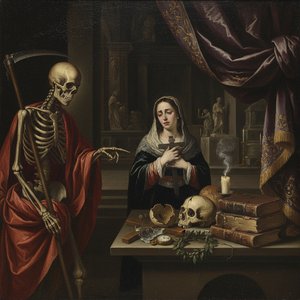
Juan de Valdés Leal: Baroque Realism, Memento Mori & Theatricality of Spanish Grief
Explore the powerful Baroque realism of Juan de Valdés Leal (1622-1690). Discover his somber masterpieces, iconic 'In Ictu Oculi', and profound explorations of mortality. Museum-quality reproductions available at OriginalUniqueArt.

Francisco Goya: Top 25 Majstrovských Diel pre Váš Domov | OriginalUniqueArt.com
Ponorte sa do sveta Francisca Goya a jeho 25 najvýznamnejších diel. Objavte príbehy za ikonickými obrazmi romantizmu, portrétmi a Čiernymi maľbami. Reprodukcie obrazov pre váš interiér na OriginalUniqueArt.com – luxusné dekorácie s umením.

The Dramatic Flourish: Exploring the Baroque Movement's Enduring Legacy in Art History
Explore the dramatic world of Baroque art! Discover iconic artists like Caravaggio & Rubens, defining techniques, and its lasting impact on art history. Expert insights for collectors & enthusiasts at OriginalUniqueArt.
