

 Náhľad
 Odoslať
 Zdieľať
 Podrobnosti o dielo

 Stiahnuť
 Podobné diela
 RTG skúška
 Prezentácia
 Štatistiky
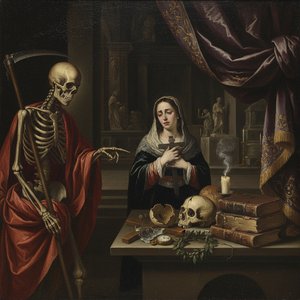
In Ictu Oculi
 Acrylic
- WallArt
- Baroque
 1670
1670 220.0 x 216.0 cm
 Hospital de la Caridad
 Zobraziť viac
Giclée / Umenotlač
Giclée tlač alebo plátno múzeálnej kvality s rýchlou výrobou a flexibilnými možnosťami povrchovej úpravy. ( Kúpiť ručne maľovaný obraz Prepnúť na digitálny obraz)




P118B $10

P118H $10

P118W $10

P438Z $10

P508JH $12

P508YH $12

P805H $10

P805Z $10

P919BZ $10

P919G $10

P919XJ $10

P959ZH $10

P968JZ $12

W106C $8

W218G $10

W218JH $8

W218Y $10

W307PJ $10

W316G $10

W316PJ $8

W316Y $10

W398PJ $8

W4111J $10

W500HY $15

W500JH $15

W692G $12

W849H $8

W940BG $15

W953PJ $8




Vyberte si z našich preddefinovaných rozmerov, ktoré zodpovedajú pôvodným pomeroḿ diela.

Môžete zadať vlastné rozmery, aby sa reprodukcia prispôsobila konkrétnemu rámu alebo priestoru. Ak zvolená veľkosť nebude zodpovedať proporciám originálu, dielo buď orežeme, alebo obraz rozšírime pomocou zrkadlenia či farebného doplnenia okrajov. Pred začatím výroby vám pošleme digitálnu ukážku na schválenie.
Máte na vedomí, že náhľad na obrazovke neodzrkadľuje skutočné orezanie alebo rozšírenie. Len digitálna ukážka presne zobrazí finálnu kompozíciu.
Hoci sú k dispozícii vlastné rozmery, pre zachovanie pôvodných proporcií odporúčame vybrať si rozmer z vopred definovaného zoznamu.
Celosvetová doprava () do 2 týždňov namiesto štandardných 4/5 týždňov. (10 september)

Bezplatná expresná doprava po celom svete

Prémiové lnianske plátno

Kompletné poistenie prepravy

Záruka vrátenia colného poplatku

Záruka presného farebného zhodnutia

100-dená politika vrátenia tovaru (iba pri vadách)

100% záruka vrátenia peňazí

Výhodná množstevná zľava
 Možnosť skla je dostupná len pri rozmeroch pod 110 cm

In Ictu Oculi
Giclée / Umenotlač
Veľkosť reprodukcie
-


Celková cena za vybrané možnosti
$ 80
A Meditation on Mortality: Juan de Valdés Leal’s “In Ictu Oculi”
The painting "In Ictu Oculi," attributed to Juan de Valdés Leal (1622-1690), stands as a poignant emblem of Baroque art's preoccupation with the ephemeral nature of existence. Executed in 1670, this monumental canvas—measuring 220 x 216 cm—captures a scene steeped in theological symbolism and rendered with meticulous detail that speaks volumes about Leal’s artistic prowess. It’s more than just an image; it's a carefully constructed dialogue between faith and decay, inviting contemplation on the inevitability of death and the importance of spiritual reflection.Subject Matter and Composition
At its core lies a stark depiction of a skeleton—a ubiquitous motif in Baroque art representing mortality—holding aloft a book and a crucifix. This juxtaposition immediately establishes the painting’s thematic focus: the soul's journey through life towards eternal salvation, juxtaposed against the inescapable reality of physical demise. The skeleton isn’t merely presented as an anatomical specimen; it exudes solemn dignity, positioned atop a substantial pile of books—symbols of knowledge and earthly pursuits—some scattered around its feet, suggesting that even intellectual endeavors ultimately succumb to time's relentless march. Leal skillfully utilizes perspective to create depth within the composition, drawing the viewer’s eye upwards towards the crucifix while simultaneously grounding it in the tangible world of literature and decay.Style and Technique
Leal’s artistic style aligns perfectly with the Baroque aesthetic—characterized by dramatic chiaroscuro (contrast between light and dark), opulent ornamentation, and a fervent emotional intensity. The painting demonstrates exceptional technical skill, achieved through oil paint on canvas. Leal employs painstaking brushwork to capture the textures of bone and parchment alike, conveying both physicality and intellectual contemplation. The artist’s masterful manipulation of light enhances the dramatic effect, highlighting the skeleton's form against the muted tones of the surrounding books, creating a visual representation of spiritual illumination battling against darkness.Historical Context: Baroque Theology
“In Ictu Oculi” emerged during a period profoundly influenced by Catholic theology—specifically, Jansenism—which emphasized introspection and the contemplation of God’s divine justice. The image reflects this intellectual climate, serving as a reminder that earthly achievements are ultimately meaningless in comparison to spiritual salvation. Leal's work aligns with broader Baroque artistic trends aimed at conveying moral instruction and provoking emotional responses from viewers. It was commissioned for the Church of San Francesco in Córdoba, underlining its purpose as devotional artwork intended to inspire piety and reinforce religious beliefs.Symbolism: Vanitas Revisited
The painting’s symbolism resonates deeply within the tradition of vanitas—a genre that explores themes of mortality, decay, and the futility of earthly pleasures. The skull represents death itself, while the book symbolizes wisdom and spiritual enlightenment – a paradox highlighting the limitations of human understanding in confronting eternity. Similarly, the crucifix embodies Christian faith and redemption, offering solace amidst despair. Leal’s deliberate arrangement reinforces these concepts, prompting viewers to confront their own mortality and consider the significance of their lives beyond the temporal realm.Emotional Impact: A Silent Plea for Reflection
Ultimately, “In Ictu Oculi” transcends mere visual representation; it evokes a profound emotional response. The painting's subdued palette—dominated by browns and ochres—contributes to its solemn atmosphere, fostering contemplation and prompting viewers to confront uncomfortable truths about human existence. Leal’s masterful execution compels us to consider the brevity of life and the enduring power of faith – leaving an indelible impression on anyone who engages with this arresting artwork.Biografia umelca
rané život a vzdelanie
Juan de Valdés Leal, tento uznávaný španielsky maliar a rytník, sa narodil 4. mája 1622 v Seville v Španielsku. Jeho umelecká cesta bola prejavom nesmiernej všestrannosti, keďže sa presadil nielen ako maliar, ale aj ako sochár a architekt, čím dokázal ovládať rôzne aspekty vizuálneho vyjadrenia sveta. Už vo svojich dvadsiatych rokoch precvičoval svoje schopnosti v srdci baroknej éry pod vedením majstra Antonia del Castillo v Córdobe, čo mu položilo pevné základy pre jeho neskoršiu, dramatickú tvorbu.významné diela a spolupráce
Medzi najvýraznejšie diela Valdés Lealovej tvorby patrí napríklad:- Príbeh proroka Eliáša vytvorený pre kostol karmelitánov,
- Mučení svätého Ondreja určené pre kostol San Francesco v Córdobe,
- Triumf Kríža pre La Caridad v Seville.
osobný život a odkaz
V roku 1647 si Valdés Leal oženil Isabellu Carasquillu, ktorá bola takisto maliarkou. Tento pár mal päť detí, z ktorých niekoľko, vrátane Lukasa, Marie a Laury, neslo umeleckú väzbu svojho otca. Valdés Leal odchádza zo sveta 15. októbra 1690 v Seville, no za sebou zanechal nesmrteľný odkaz vo svetovej umeleckej histórii.prehliadnutie jeho diela na OriginalUniqueArt.com
Ak chcete hlbšie preskúmať tvorbu umelca Valdés Leal, navštívte https://OriginalUniqueArt.com/@/juan de valdés leal, kde nájdete:- 165 umeleckých diel od Juana de Valdés Leala,
- kopie jeho obrazov múzeálnej kvality,
- barokný umelecký štýl charakteristický pre túto éru wikipedia: juan de valdés leal.
objavte viac na OriginalUniqueArt.com
- Museo de Bellas Artes de Asturias (Španielsko): preskúmajte zbierku múzea s európskou umením od 12. do začiatku 20. storočia.
- Museo de Bellas Artes de Sevilla, Španielsko: dozvedte sa viac o histórii, zbierkach a informáciách o návšteve tohto múzea. Zažite svet umenia s OriginalUniqueArt.com

Juan de Valdés Leal
1622 - 1690 , Španielsko
Základné informácie
- Artistic Movement Or Style: Baroková výtvárnosť
- Artists Or Movements Influenced By This Artist: ['Bartolomé Esteban Murillo']
- Artists Who Influenced This Artist:
- Antonio del Castillo
- Francisco Herrera
- Date Of Birth: 4 mája 1622
- Full Name: Juan de Nisa Valdés Leal
- Nationality: Španielsky
- Notable Artworks:
- História proroka Eliáš
- Mučeníctvo svätého Andreja
- Výstavba Križovej cestu
- Place Of Birth: Sévilla, Španielsko
Súvisiace články

Francisco Goya: Top 25 Majstrovských Diel pre Váš Domov | OriginalUniqueArt.com
Ponorte sa do sveta Francisca Goya a jeho 25 najvýznamnejších diel. Objavte príbehy za ikonickými obrazmi romantizmu, portrétmi a Čiernymi maľbami. Reprodukcie obrazov pre váš interiér na OriginalUniqueArt.com – luxusné dekorácie s umením.
Juan de Valdés Leal: Baroque Realism, Memento Mori & Theatricality of Spanish Grief
Explore the powerful Baroque realism of Juan de Valdés Leal (1622-1690). Discover his somber masterpieces, iconic 'In Ictu Oculi', and profound explorations of mortality. Museum-quality reproductions available at OriginalUniqueArt.

The Dramatic Flourish: Exploring the Baroque Movement's Enduring Legacy in Art History
Explore the dramatic world of Baroque art! Discover iconic artists like Caravaggio & Rubens, defining techniques, and its lasting impact on art history. Expert insights for collectors & enthusiasts at OriginalUniqueArt.

O nás
Objavte náš príbeh! Prinášame svetové umenie do vášho života prostredníctvom odbornej selekcie, zákazkových diel a bezplatných ukážok. Osvedčené jednotlivcami aj firmami od roku 2000.

The Golden Age Reforged: Dramatic Realism & Religious Zeal in Spanish Baroque Art
Explore the dramatic world of Spanish Baroque art! Discover masters like Zurbarán & the powerful influence of religious zeal on painting techniques – a guide for collectors and enthusiasts.
