

 Náhľad
 Odoslať
 Zdieľať
 Podrobnosti o dielo

 Stiahnuť
 Podobné diela
 RTG skúška
 Prezentácia
 Štatistiky
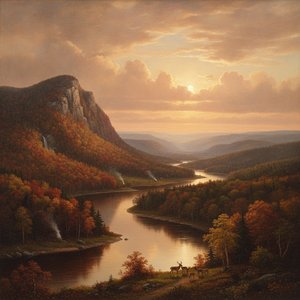
Landscape Taconic Range, (painting)


 Zobraziť viac
Ručne maľovaná olejová reprodukcia
Ručne maľovaný olej na plátne vo vašej zvolenej veľkosti a v ráme, vyrobený na mieru našimi umelcami. ( Prepnúť na tlač Prepnúť na digitálny obraz)




































Vyberte si z našich preddefinovaných rozmerov, ktoré zodpovedajú pôvodným pomeroḿ diela.

Môžete zadať vlastné rozmery tak, aby sa hodili do konkrétneho rámu alebo priestoru. Ak sa váš zvolený rozmer nezhoduje s pôvodnými proporciami obrazu, dielo buď orezáme, alebo ho doplníme ručne maľovanými prvkami. Pred začiatkom výroby vám zašleme digitálny náhľad na schválenie.
Upozorňujeme, že ukážka na obrazovke neodráža skutočné orezanie alebo doplnenie. Skutočnú finálnu kompozíciu zobrazuje iba digitálny náhľad.
Hoci sú k dispozícii vlastné rozmery, odporúčame vybrať rozmer z preddefinovaného zoznamu, aby sme zachovali pôvodné proporcie.
Po odoslaní objednávky vám tím OriginalUniqueArt.com pošle e-mail s pokynmi a poskytne náhľad na návrh.
Celosvetová doprava () za 3 až 4 týždne namiesto štandardných 5 týždňov. (12 september). Bez kompromisov v kvalite.

Bezplatná expresná doprava po celom svete

Prémiové lnianske plátno

Kompletné poistenie prepravy

Záruka vrátenia colného poplatku

Záruka presného farebného zhodnutia

100-dená politika vrátenia tovaru (iba pri vadách)

100% záruka vrátenia peňazí

Výhodná množstevná zľava
 Možnosť skla je dostupná len pri rozmeroch pod 110 cm

Landscape Taconic Range, (painting)
Technika reprodukcie
Veľkosť reprodukcie
-


Celková cena za vybrané možnosti
$ 300
Biografia umelca
Joseph H. Hidley: A Poetic Vision of Rural New York
The art world often celebrates grand narratives, sweeping movements, and the towering figures of established schools. Yet, within these larger contexts, there exist countless artists who quietly captured the essence of their immediate surroundings—individuals like Joseph Henry Hidley (1830-1872), a largely unsung master of American landscape painting. Born in Greenbush, New York, during a period of rapid transformation and industrial growth, Hidley’s work offers a poignant glimpse into a vanishing rural world, rendered with an exquisite attention to detail and imbued with a deeply personal sensibility.
Hidley's life was one of quiet resilience. Orphaned at the tender age of four after his father’s death, he was raised by his maternal grandparents—a circumstance that profoundly shaped his worldview. He wasn’t formally trained as an artist; instead, he honed his skills through a diverse range of occupations – a handyman, carpenter, house painter, and even a taxidermist – all contributing to his unique perspective and technical abilities. This pragmatic approach to life is reflected in his paintings: they are not idealized romantic landscapes but rather honest depictions of everyday scenes, imbued with a sense of quiet dignity.
His most significant period of artistic activity occurred in Poestenkill, New York, a small village nestled along the banks of the Poesten Kill. Here, he established himself as a resident and began to meticulously document the landscape—not through grand vistas or dramatic compositions, but rather through a series of remarkably detailed townscapes. These paintings are characterized by an almost aerial perspective, capturing the layout of the village with astonishing accuracy. The church, the crossroads, the mills – all are rendered with a precision that suggests both observation and affection. He wasn’t simply painting buildings; he was painting a way of life, a community rooted in its physical environment.
The Technique of a Rural Observer
Hidley's technique is remarkably consistent across his body of work. He primarily worked in oil on wood panels, a medium that allowed for both detail and durability. His brushwork is generally smooth and controlled, prioritizing clarity and precision over expressive gestures. He employed a limited palette—primarily muted earth tones, blues, and greens—to create a sense of atmospheric depth and to faithfully represent the colors of the New York countryside. A key element of his style is his use of light; he masterfully captures the subtle shifts in illumination throughout the day, lending a remarkable realism to his scenes.
Interestingly, Hidley’s work wasn't widely recognized during his lifetime. He struggled financially and rarely sold his paintings. It wasn’t until decades after his death that his talent began to be appreciated—a testament to the quiet persistence of an artist who was dedicated solely to capturing the beauty of his surroundings. His paintings were later acquired by the Smithsonian Institution, a recognition of their historical and artistic significance.
Religious Influences and Personal Symbolism
Beyond his townscapes, Hidley also produced a series of religious paintings—often depicting scenes from the Bible or featuring local church figures. These works offer insights into his personal faith and his connection to the community he served as sexton at the Evangelical Lutheran Church in Poestenkill. The imagery is generally straightforward and didactic, but there’s a subtle sense of warmth and humanity that distinguishes them from more austere religious paintings.
Furthermore, it's believed that Hidley incorporated personal symbolism into his work—references to family members, local landmarks, and perhaps even hidden meanings within the composition. The precise nature of these symbols remains largely unknown, adding a layer of mystery to his oeuvre. The view of Poestenkill, for example, prominently features the church where he lived, suggesting a central role in his life and artistic vision.
Legacy and Historical Significance
Joseph H. Hidley’s legacy is one of quiet observation and understated beauty. His paintings offer a valuable record of rural New York in the 19th century—a time of rapid change and social upheaval. They provide a window into the lives of ordinary people, capturing their daily routines, their faith, and their connection to the land. His meticulous attention to detail and his ability to evoke a sense of place make him a significant figure in American folk art.
Today, Hidley’s paintings are increasingly recognized for their artistic merit and historical value. They serve as a reminder that beauty can be found in the most unexpected places—and that even the quietest voices deserve to be heard. His work stands as a testament to the power of observation, dedication, and a deep appreciation for the world around us.

joseph h hidley
1830 - 1872
Základné informácie
- Artistic Movement Or Style: Naive landscapes
- Artists Or Movements Influenced By This Artist: ['American Folk Art']
- Artists Who Influenced This Artist: ['Charles Read']
- Date Of Birth: 1830-03-23
- Date Of Death: 1872-05-14
- Full Name: Joseph Henry Hidley
- Nationality: American
- Notable Artworks:
- View of Poestenkill
- Village scenes
- Place Of Birth: Greenbush, NY
Súvisiace články

Evocations of Place: A Historical Journey Through Landscape Art
Explore the rich history of landscape art with OriginalUniqueArt. Discover renowned artists, movements like Impressionism & Romanticism, and expert guidance for collecting timeless pieces. Find your perfect serene escape today!

Echoes of Arcadia: Nostalgia & Transformation in Vintage Landscape Art
Explore the evocative world of vintage landscape art! Discover the history, artists & emotional power behind masterpieces from the Hudson River School & beyond. Expert insights for collectors & enthusiasts.
The Hudson River School: A Definitive Guide to America's Romantic Landscape Tradition
Explore the profound legacy of the Hudson River School. Discover how masters like Thomas Cole captured the American sublime through Romanticism and Luminism. A definitive guide for art historians and collectors seeking to understand America's wild beauty.

Top 10 Majstrov Romantickej Krajinomaľby: Obrazy, ktoré zmenili svet umenia
Ponorte sa do sveta romantickej krajinomaľby! Objavte top 10 majstrovských diel od Friedricha, Turnera a ďalších. Historické obrazy prírody s nádychom emócií. Reprodukcie obrazov pre váš interiér na OriginalUniqueArt.com.

The Sublime and the Picturesque: Exploring Emotion & Nature in Romantic Landscape Painting
Explore the emotional power of Romantic landscape painting! Discover the sublime & picturesque traditions, key artists like Friedrich & Cole, and find your perfect artwork at OriginalUniqueArt.